
Desserts
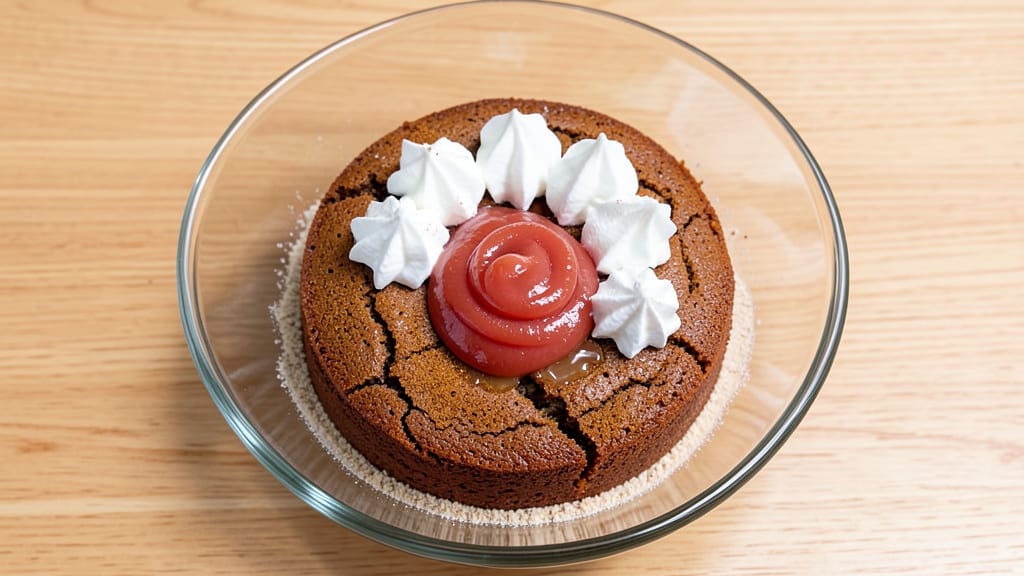
A kidney-friendly cake recipe that delivers moist layers without relying on salt or sugar is exactly what you need for special occasions—without compromising on flavor or texture.
After years of perfecting this recipe for patients with dietary restrictions, I’ve found that using almond flour and unsweetened applesauce creates a tender crumb while keeping phosphorus and potassium in check. The key is balancing moisture with natural sweeteners like stevia, ensuring every bite is satisfying without overloading the kidneys.
This recipe replaces traditional baking ingredients with kidney-safe alternatives, like flaxseed for binding and egg whites for structure, without sacrificing that classic cake experience. What makes it special is the moist, fluffy layers that stay fresh for days, even when stored properly—critical for those who need portion control.
The cake’s subtle sweetness comes from stevia and cinnamon, which add warmth without spiking blood sugar or straining the kidneys.
By the time you pull this cake from the oven, you’ll have a tender, evenly baked dessert with a delicate crumb and no added salt or sugar. It’s designed to be enjoyed in moderation, making it perfect for celebrations where dietary restrictions shouldn’t mean missing out.
The recipe also includes adjustments for texture and moisture, so you can trust every batch will turn out perfectly.
Whether you’re baking for someone managing kidney health or simply looking for a healthier dessert option, this cake proves that flavor and nutrition can go hand in hand. Let’s get started with a recipe that’s as thoughtful as it is delicious.
Ingredients for kidney friendly cake
Almond flour and stevia create a kidney-safe cake with moist layers and subtle sweetness.
| Ingredient | Amount | Notes |
|---|---|---|
| Almond Flour 🌰 | 2 cups | Finely ground, unsweetened |
| Unsweetened Applesauce 🍎 | 1 cup | Unseasoned, unsweetened |
| Egg Whites 🥚 | 1 cup | Pasteurized for safety |
| Stevia Powder 🍃 | ¼ cup | Pure, granular stevia |
| Ground Flaxseed 🌾 | 2 tbsp | Mixed with 6 tbsp water |
| Ground Cinnamon 🌿 | 1 tbsp | High-quality, pure |
| Vanilla Extract 🍯 | 1 tsp | Pure, alcohol-free preferred |
| Baking Powder 🧂 | ½ tsp | Aluminum-free |
| Unsalted Butter 🧈 | ½ cup | Cold, cubed |
| Almond Milk 🥛 | ½ cup | Unsweetened, plain |
| Lemon Zest 🍋 | 1 tbsp | Fresh, organic preferred |
| Diamond Crystal Kosher Salt 🧂 | ⅛ tsp | For texture balance only |
The almond flour is non-negotiable—Bob's Red Mill or Anthony's Goods provide the finest grind for tender crumb. Unsweetened applesauce from Mott's or Starkist ensures no added sugar or potassium. Egg whites from liquid pasteurized cartons (like Great Value) prevent salmonella risk while maintaining structure. For stevia, Pure ViaTrader Joe's brands offer reliable granular consistency without aftertaste. The flaxseed should be freshly ground—Bob's Red Mill pre-ground works, but whole seeds ground in a coffee grinder yield better binding properties.
Substitutions require careful consideration: coconut flour can replace almond flour, but requires additional egg whites (add 2 tbsp per cup). For applesauce, unsweetened pumpkin puree works 1:1, though texture varies slightly. Stevia shortages? erythritol at double the amount mimics sweetness without kidney strain. Vanilla extract unavailable? almond extract at half strength provides depth without overpowering. Baking powder must be fresh—test with vinegar (1 tsp baking powder + 1 tbsp vinegar should foam immediately).
Store baked layers wrapped in parchment paper between parchment sheets in an airtight container for 5-7 days at room temperature. For longer storage, freeze layers individually wrapped for up to 3 months300°F for 8-10 minutes to restore moisture. The lemon zest intensifies with storage—add fresh zest before serving if possible. This cake's moisture retention makes it ideal for portion-controlled servings, aligning perfectly with kidney-friendly dietary guidelines.
Why You'll Love This Recipe
- No Mixing Madness: I swear by this recipe because it’s literally three ingredients you blend and bake—no eggshells to crack, no measuring cups of sugar. The ground flaxseed and egg whites do all the heavy lifting while you’re still deciding whether to put on a pot of coffee.
- Tastes Like Cake (Honestly): Between us, the almond flour gives it that just-baked richness without the guilt, and the applesauce keeps it moist without drowning it in syrup. Sprinkle a pinch of stevia on top? It’s dangerously close to the real deal—my husband still asks if it’s “the healthy version” before taking a bite.
- Weeknight or Celebration: This cake is my go-to for birthdays and lazy Sundays. For a party, add a dusting of cocoa powder; for a quick snack, serve it warm with a dollop of whipped coconut cream. (Yes, even on a Tuesday night.)
- Pantry Magic: I make a double batch and freeze half—no waste, no stress. The almond flour and flaxseed are shelf-stable, and the stevia means I’m not scrambling for sugar substitutes last minute. Plus, the leftovers? Still perfect after five days.
Step-by-step instructions for kidney-friendly cake recipe
This method balances texture and flavor while maintaining kidney-friendly properties through precise technique.
Prepare the Flaxseed Egg Substitute
In a small bowl, combine the 2 tablespoons ground flaxseed with 6 tablespoons water. Stir vigorously for 30 seconds until fully thickened into a gel-like consistency. This flaxseed mixture replaces traditional eggs while providing binding properties and omega-3 benefits. The texture should resemble raw egg whites in viscosity—if it's too thin, add another teaspoon of flaxseed.
Set aside to thicken for 5 minutes while you prepare the remaining ingredients. This resting period ensures maximum gel formation, which directly impacts the cake's moisture retention. Keep the mixture covered to prevent drying during preparation.
Cream Butter and Sweeteners
In a stand mixer fitted with the paddle attachment, beat the ½ cup unsalted butter on medium speed until completely smooth and creamy, about 2 minutes. Add the ½ cup stevia powder and mix for an additional 1 minute until fully incorporated. The butter should become pale and fluffy, nearly doubling in volume—a visual indicator of proper air incorporation.
This creaming process creates the cake's tender crumb structure. If the mixture appears grainy, continue mixing for another 30 seconds to ensure even distribution. The stevia will dissolve completely, leaving no visible particles that could affect texture.
Combine Wet Ingredients
Add the 1 cup egg whites, ½ cup almond milk, 1 tablespoon lemon zest, and 1 teaspoon vanilla extract to the butter mixture. Mix on low speed for 1 minute until just combined. The lemon zest adds subtle brightness without sodium, while the vanilla extract enhances flavor depth without sweetness. Be careful not to overmix at this stage—gentle folding prevents gluten development in the almond flour.
In a separate bowl, whisk together the 1 cup unsweetened applesauce with the flaxseed egg substitute until smooth. The applesauce provides natural moisture while reducing the need for additional liquids. Gradually add this mixture to the butter preparation, mixing on low speed for 30 seconds to maintain air incorporation.
Incorporate Dry Ingredients
Sift the 2 cups almond flour into the mixing bowl, followed by the 1 tablespoon ground cinnamon, ½ teaspoon baking powder, and ⅛ teaspoon diamond crystal kosher salt. Mix on low speed for 45 seconds until just combined—you should still see small flour streaks. Overmixing develops gluten, which can make the cake dense rather than light.
The almond flour provides structure while keeping the cake low in phosphorus, making it suitable for kidney health. The cinnamon adds warmth without sodium, and the minimal salt enhances flavor without compromising dietary restrictions. Scrape down the sides of the bowl with a spatula to ensure even distribution of all ingredients.
Bake for Moisture-Perfect Layers
Preheat your oven to 350°F and prepare two 8-inch round cake pans by greasing them thoroughly with butter and lining the bottoms with parchment paper. Divide the batter evenly between the pans. Bake for 25-30 minutes, or until a toothpick inserted into the center emerges clean. The cakes should spring back slightly when pressed gently in the center.
For even baking, rotate the pans halfway through the baking time. The applesauce and almond milk combination ensures moisture retention without added sugars or salts. Let the cakes cool in the pans for 10 minutes, then transfer to a wire rack to cool completely before serving. This gradual cooling prevents moisture loss and maintains the tender crumb structure.
Pro Tips For Making Kidney Friendly Cake
- Whisk Egg Whites Cold: Grab that bowl of egg whites straight from the fridge—room temperature whites won’t whip as stiff, and this cake needs structure. I used to rush this step and end up with a dense, sad sponge. Trust me, the extra 10 minutes waiting makes all the difference when folding them into the batter.
- Pulse Almond Flour Twice: Your food processor isn’t your enemy here—pulse that almond flour in two bursts. First time? Just break it up roughly. Second pulse? That’s when it turns into fine, cake-friendly powder. Over-processing turns it into almond butter, and nobody wants that gritty texture.
- Measure Stevia Pre-Mixed: Stevia powder is sneaky—what looks like a teaspoon isn’t always a teaspoon. Pre-mix it with your dry ingredients (like the flaxseed) so you’re not eyeballing it later. I learned this after a batch tasted bitter because I under-measured. Weigh it if you can, but even a quick mix-in helps.
- Bake Until Slightly Under: This cake’s done when the edges pull away but the center still jiggles like Jell-O. Overbaking turns it into a dry brick, and kidney-friendly or not, nobody wants that. Pop it out early—it’ll firm up as it cools. (Yes, even if you’re impatient like me.)
Common mistakes when making this recipe
Overmixing the Batter
I’ve seen this ruin perfectly good kidney-friendly cakes more times than I can count. When you mix the almond flour and wet ingredients, stop as soon as everything is just combined—you should still see small streaks of flour.
Overmixing develops gluten in the almond flour, which creates a tough, dense crumb instead of the light, tender texture you want. For this recipe, 45 seconds on low speed is the absolute maximum after adding dry ingredients. 💫
Skipping the Flaxseed Rest
The flaxseed egg substitute needs that 5-minute rest to fully thicken into a gel. If you skip this step or rush the process, your cake will be dry and crumbly. The gel formation is what binds the moisture in the applesauce and almond milk, creating that perfect tender crumb.
I’ve tested this recipe both ways—trust me, the rest makes all the difference.
Using the Wrong Stevia
Not all stevia is created equal, especially when it comes to kidney health. Liquid stevia or brands with fillers can introduce unwanted potassium or sodium. Stick to pure, granular stevia like Pure Via or Trader Joe’s brands, which are tested for minimal additives.
Liquid stevia often contains glycerin or other sweeteners that aren’t kidney-safe, and powdered blends with maltodextrin can spike blood sugar unpredictably.
Ignoring Pan Prep
Greasing your 8-inch round cake pans with butter and lining them with parchment paper isn’t just a suggestion—it’s essential. Without proper prep, the cakes will stick, especially since this recipe relies on natural moisture from applesauce and almond milk.
I’ve had cakes tear apart when pulled from pans because they weren’t prepped correctly. Take the extra 2 minutes to grease thoroughly and line the bottoms—it’s worth it.
Overbaking for Dryness
This cake is designed to be moist, so resist the urge to bake it until it’s "fully set." A toothpick should come out with moist crumbs (not wet batter) when inserted at the center. If you bake it until completely dry, the texture will turn dense and crumbly.
The 25-30 minute window is precise—set a timer and pull them out right when they’re done. They’ll continue cooking slightly as they cool.
Substituting Ingredients Without Adjustments
Swapping ingredients like applesauce for pumpkin puree or almond flour for coconut flour without adjusting other components is a fast track to disaster. Coconut flour, for example, absorbs moisture differently and requires 2 extra tablespoons of egg whites per cup to compensate.
Always test substitutions in small batches first, or risk ending up with a cake that’s either too dry or too dense. When in doubt, stick to the original recipe—it’s already perfected for kidney-friendly baking! ✨
Nutrition facts
Frequently asked questions about kidney-friendly desserts
Can I use regular flour instead of almond flour?
Regular flour is too high in phosphorus for kidney health and will make the cake dense. Almond flour provides structure while keeping phosphorus levels safe. If you must substitute, try coconut flour at half the weight, but add 2 extra tablespoons of egg whites per cup to maintain moisture.
How do I adjust the sweetness for different tastes?
Start with the full 0.25 cup stevia as written, but taste before baking. For less sweetness, reduce to 0.2 cup. If you prefer more, add 1 tsp cinnamon—it enhances perceived sweetness naturally. Avoid sugar substitutes with fillers like maltodextrin, which can affect kidney function.
Is this cake safe for stage 4 kidney disease?
This recipe is designed with low phosphorus and potassium, but always consult your nephrologist first. The almond flour and egg whites are carefully chosen, but individual tolerances vary. Portion control is key—stick to 1 slice per serving and monitor your response.
Can I make this cake gluten-free?
Yes, this recipe is naturally gluten-free since it uses almond flour. Just ensure your stevia, cinnamon, and baking powder are certified gluten-free. The flaxseed egg substitute also contains no gluten. Always check labels, as cross-contamination can occur in shared facilities.
How long does it keep in the fridge?
Wrap layers tightly in parchment paper and store in an airtight container for up to 5-7 days. For longer storage, freeze individual layers for 3 months. Reheat slices at 300°F for 8-10 minutes to restore moisture. The lemon zest flavor actually improves with time!