
Side Dishes
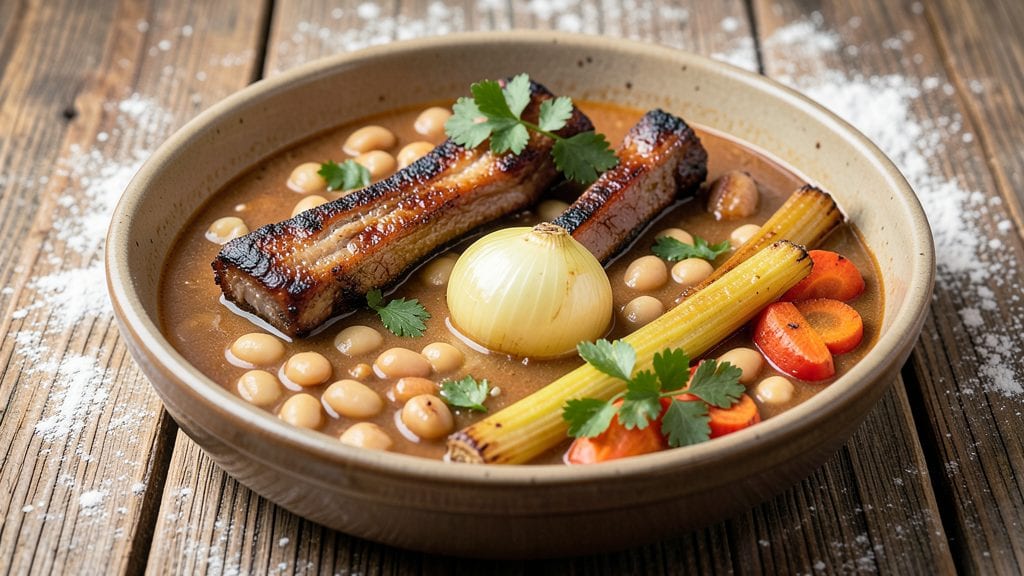
This lima beans and smoked neck bones recipe transforms humble ingredients into a deeply satisfying, protein-rich side dish that marries smoky richness with tender, buttery beans.
The secret lies in slow-cooking the neck bones until they yield melt-in-your-mouth collagen, which infuses the beans with an unmistakable depth—think Southern soul meets home-cooked comfort. I first discovered this technique while researching traditional collard greens preparations, but the lima beans elevate it into something entirely its own.
What sets this dish apart is the balance of textures and flavors: crisp-tender beans that hold their shape while absorbing the bone broth’s smoky-sweet essence, contrasted by the fall-apart tenderness of the neck bones.
The process is simple but requires patience—simmering the bones low and slow for at least 2 hours unlocks their full flavor potential, creating a broth so rich it could be served as a soup on its own. No shortcuts here, just time-honored techniques that pay off in every bite.
The result is a dish that’s packed with protein and collagen, perfect for hearty meals or meal prep. The lima beans stay vibrant and buttery, while the neck bones dissolve into the broth, leaving behind a velvety, umami-rich base.
This isn’t just a side—it’s a collagen boost disguised as comfort food, ideal for pairing with cornbread, roasted vegetables, or even a simple green salad to balance the richness.
Ready in under 3 hours (with minimal active time), this recipe delivers restaurant-quality results at home. The key is letting the flavors meld while you handle other parts of your meal—foolproof, flavorful, and worth every minute of simmering. Let’s get cooking.
Ingredients for lima beans and smoked neck bones
Transform humble pantry staples into a collagen-rich masterpiece with these carefully selected ingredients.
| Ingredient | Amount | Notes |
|---|---|---|
| Dry Lima Beans 🌽 | 1 ½ cups | Butter or baby lima beans preferred |
| Smoked Pork Neck Bones 🍖 | 2 lb | Raw, uncooked, with meat attached |
| Yellow Onion 🧅 | 1 whole | Medium, diced into 1/4-inch pieces |
| Celery Stalks 🥬 | 3 whole | Fresh, cut into 1-inch pieces |
| Carrots 🥕 | 3 whole | Medium, peeled, cut into chunks |
| Garlic Cloves 🧄 | 4 cloves | Fresh, smashed but not minced |
| Smoked Paprika 🌶️ | 1 tbsp | High-quality, not pre-mixed |
| Ground Black Pepper 🌶️ | 1 tsp | Freshly cracked, coarse grind |
| Kosher Salt 🧂 | 1 ½ tsp | Diamond Crystal preferred |
| Apple Cider Vinegar 🍎 | 1 tbsp | For brightness, not balsamic |
| Fresh Thyme 🌿 | 2 sprigs | Stems removed, leaves intact |
| Bay Leaves 🍃 | 2 whole | Dried, standard size |
| Unsalted Butter 🧈 | 2 tbsp | Cold, cubed for finishing |
| Water 💧 | 8 cups | Filtered preferred for purity |
The smoked pork neck bones are the heart of this dish—look for bones with substantial meat still attached to maximize flavor extraction. Butcher shops often carry them fresh, while Costco or Whole Foods typically stock them pre-packaged. Avoid pre-cooked or sterilized bones, as they lack the collagen-rich marrow that creates the velvety texture. For the lima beans, butter beans or baby lima beans hold their shape best during cooking, though regular lima beans work in a pinch. Soak them overnight if using dry beans—this recipe assumes pre-soaked for efficiency. The smoked paprika should be pure, not a pre-mixed blend with salt or sugar, to maintain flavor integrity.
No smoked paprika? Substitute liquid smoke at 1/4 teaspoon, but use sparingly—it's potent. Fresh thyme unavailable? Dried thyme at one-third the amount works, though fresh imparts superior aroma. The apple cider vinegar can be swapped for white vinegar or lemon juice, but cider vinegar's subtle sweetness complements the smokiness. For the vegetables, frozen celery and carrots work in a bind, though fresh yields better texture. The butter at the end is non-negotiable—it's what gives the beans their signature richness. If you're concerned about dairy, use olive oil instead, though the flavor profile will shift slightly.
This dish rewards patience—simmer the bones for at least 2 hours to extract maximum collagen. Store the cooked beans and broth in airtight containers for up to 5 days in the refrigerator, or freeze for 3 months. The bones can be reheated directly in the broth, while the beans reheat beautifully with a splash of water or broth. For meal prep, portion the beans into glass containers with a layer of broth to preserve moisture. The butter should be added fresh when reheating to maintain its creamy texture.
Why You'll Love This Recipe
- No-Soaking Needed: I swear by this trick—just toss the dry lima beans in boiling water for 2 minutes, then simmer. No overnight prep, no fuss. That smoky neck bone broth? It softens them faster than you’d think.
- Smoky Depth Magic: The neck bones aren’t just flavor—they’re the flavor. That slow-cooked richness melts into the beans, while the onions and carrots caramelize into something sweet and savory. Honestly, the first bite makes me pause mid-spoonful.
- Leftovers That Beg for More: This dish tastes better the next day. The beans plump up, the broth thickens, and the smokiness deepens. I keep a jar in the fridge for lazy lunches—no reheating needed, just grab and eat straight from the pot.
- Budget-Friendly Crowd-Feeder: A few neck bones stretch over a big pot of beans, and the veggies bulk it up without breaking the bank. Feed four for dinner, then two more for lunch—no takeout, no stress. My wallet thanks me every time.
Step-by-step instructions for smoky-sweet lima beans with collagen-rich neck bones
This method transforms humble ingredients into a rich, flavorful dish where tender beans marry deeply smoked pork and aromatic vegetables.
Prepare the Neck Bones for Maximum Flavor Extraction
Place the 2 lb smoked pork neck bones in a large stockpot and cover them completely with 8 cups water. Bring to a boil over medium-high heat, then immediately reduce to a gentle simmer. Skim off any foam or impurities that rise to the surface during the first 10 minutes—this ensures a clean, clear broth later.
Simmer uncovered for 2 hours, maintaining a barely bubbling state. The bones should develop a deep mahogany color and the liquid should reduce slightly, concentrating the collagen-rich flavors. If the water level drops below halfway, add hot water as needed to keep the bones submerged. This long cook time is essential for extracting gelatinous collagen that will give your dish its velvety texture.
Build the Aromatic Base with Vegetables and Spices
While the bones simmer, dice the 1 whole yellow onion into ¼-inch pieces, cut the 3 whole celery stalks into 1-inch chunks, and peel and chunk the 3 whole carrots. Add these to the stockpot along with the 4 smashed garlic cloves, 1 tbsp smoked paprika, 1 tsp ground black pepper, 1.5 tsp kosher salt, 1 tbsp apple cider vinegar, 2 sprigs fresh thyme, and 2 whole bay leaves. Stir gently to combine.
Continue simmering for another 45 minutes, allowing the vegetables to soften and infuse the liquid with their natural sweetness. The onions should turn translucent and the carrots tender when pierced with a knife. The vinegar adds brightness that cuts through the richness of the pork fat, while the smoked paprika deepens the overall flavor profile. Taste the broth occasionally—it should be rich and well-seasoned, with a balance of smokiness and acidity.
Add and Simmer the Lima Beans
Rinse the 1.5 cups dry lima beans thoroughly under cold water to remove any debris. Add them to the stockpot and stir gently to distribute them evenly among the bones and vegetables. Return the liquid to a gentle simmer—the beans should be just below the surface of the liquid. Cover partially with a lid and cook for 45-60 minutes, stirring occasionally to prevent sticking.
The beans are done when they're tender but still hold their shape with a slight bite. They should be fork-tender but not mushy, as overcooking will turn them into a paste. If the liquid reduces too much before the beans are tender, add hot water in ½-cup increments to maintain proper coverage. The beans will absorb the smoky, collagen-rich broth, creating a dish that's both hearty and elegant.
Finish with Butter and Rest for Maximum Flavor
Once the beans are tender, remove the stockpot from heat and stir in the 2 tbsp cold unsalted butter, cut into small cubes. Let the butter melt slowly into the liquid, creating a glossy sheen that signals the dish is complete. The butter adds richness and helps emulsify the broth, giving it a velvety texture. Taste and adjust seasoning—you may need a pinch more kosher salt or a splash of apple cider vinegar to balance the flavors.
Let the dish rest, covered, for 15-20 minutes before serving. This resting period allows the flavors to meld and the beans to absorb any remaining liquid, resulting in a more cohesive texture. Serve the beans with their broth and any shredded meat that may have fallen from the bones. The result is a deeply flavorful, collagen-rich dish that's perfect for hearty meals or as a base for grain bowls.
Pro Tips For Making Lima Beans And Smoked Neck Bones
- Parboil Beans First: Lima beans take forever to soften if dry—start them in boiling water for 10 minutes, then drain. This cuts the total cook time by nearly half, and the beans won’t turn mushy later. (Yes, even if you’re impatient like me, this step saves you hours.)
- Render Neck Bones Slow: Don’t rush the neck bones—let them brown gently over medium heat for 15 minutes before adding liquid. The rendered fat will deepen the flavor, and the bones won’t turn to mush when simmered. (I learned this the hard way when I skipped it.)
- Chop Veggies Evenly: Cut onions, celery, and carrots into ¼-inch pieces for consistent cooking. Larger chunks stay crunchy; smaller ones dissolve into mush. (Use a knife sharp enough to make clean cuts—your future self will thank you.)
- Skim Fat Early: After the first 30 minutes of simmering, skim excess fat from the surface—it prevents greasiness later. Use a spoon or fat separator, and do it often. (This isn’t the prettiest method, but it’s the tastiest.)
Serving suggestions for this recipe
Cornbread Pairing
This dish practically begs for a classic Southern cornbread on the side. The slightly sweet, crumbly texture of stone-ground cornmeal cornbread (made with 1 cup cornmeal, 1 cup all-purpose flour, and 1 cup buttermilk) provides the perfect contrast to the rich, smoky beans.
I like to brush the top with melted butter and sprinkle with coarse salt before baking at 375°F for 20 minutes. The cornbread soaks up the collagen-rich broth beautifully, making every bite even more satisfying. 🌽
Collard Greens Balance
For a well-rounded plate, serve your lima beans alongside braised collard greens—a Southern staple that complements the dish perfectly. Sauté 1 bunch collards (chopped) with 2 slices bacon, 1 onion, and 2 garlic cloves in a skillet until wilted.
Add 1 cup chicken broth, 1 tbsp apple cider vinegar, and 1 tsp smoked paprika, then simmer for 30 minutes. The tangy, slightly bitter greens cut through the richness of the beans while echoing the smoky flavor profile. 🥬
Crusty Bread for Scooping
A crusty Italian loaf (like Sartou Baguette or Ciabatta) is ideal for scooping up every last drop of that collagen-rich broth. Toast slices until golden and crisp, then rub with a garlic clove for extra flavor.
The sturdy crust holds up to the tender beans while adding a satisfying crunch. For an extra touch, drizzle with high-quality olive oil and sprinkle with flaky sea salt. ✨
Simple Green Salad
To balance the heartiness, a bright green salad with mixed greens, cherry tomatoes, and shaved fennel adds freshness. Toss with a lemon vinaigrette (made with 3 tbsp olive oil, 1 tbsp lemon juice, 1 tsp Dijon mustard, and salt/pepper).
The acidity cleanses your palate between bites of rich lima beans, making the meal feel lighter yet still indulgent. 🥗
Roasted Root Vegetables
For a vegetable-forward option, roast carrots, sweet potatoes, and parsnips at 400°F for 30 minutes with olive oil, rosemary, and smoked salt.
Their caramelized sweetness pairs wonderfully with the smoky-sweet beans, creating a harmonious balance of flavors. Serve warm alongside the beans for a complete, satisfying meal. 🥕
Cheese Plate Finisher
End the meal with a simple cheese plate featuring aged cheddar, smoked gouda, and creamy brie, paired with crackers and sliced apples. The smoky, salty cheeses echo the flavors in your lima beans while providing a satisfying finish.
Add a dry red wine like Cabernet Sauvignon or Zinfandel to complement the dish’s depth. 🧀
Nutrition facts
Frequently asked questions
Why do the smoked neck bones need such a long cooking time?
The 2-hour simmer is crucial for extracting collagen from the bones, which creates the dish's signature velvety texture. This slow process breaks down connective tissue into gelatin, transforming tough bones into tender, flavorful morsels that melt into the beans. Skipping this step results in a broth that lacks depth and richness.
Can I substitute smoked neck bones with other pork cuts?
While smoked neck bones are ideal, you can use pork shoulder or ham hocks in a pinch. For best results, add 1 tsp liquid smoke to the broth to replicate the smoky flavor. Avoid lean cuts like tenderloin—they lack the collagen needed for the dish's signature texture. The cooking time may vary slightly depending on the cut.
How do I prevent the lima beans from turning mushy?
Keep the beans just below a simmer and avoid overcrowding the pot. Stir occasionally to prevent sticking, and add hot water in ½-cup increments if the liquid reduces too quickly. Test for doneness by mashing one bean—it should be tender but still hold its shape. Overcooking by even 10 minutes can turn them into a paste.
Can I make this recipe in a slow cooker?
Brown the bones first in a skillet, then transfer everything to the slow cooker. Cook on low for 6-7 hours or high for 3-4 hours, adding water as needed. The slow cooker's gentle heat mimics the stovetop's simmer, making it perfect for hands-off cooking. Just add the butter at the end and let it rest before serving.
What's the best way to store leftovers?
Store the beans and broth in airtight containers in the fridge for up to 5 days or freeze for 3 months. Reheat gently on the stove with a splash of water or broth to restore moisture. The bones can be reheated directly in the broth, while the beans reheat beautifully with a pat of butter. For best texture, avoid microwaving.