
Tips
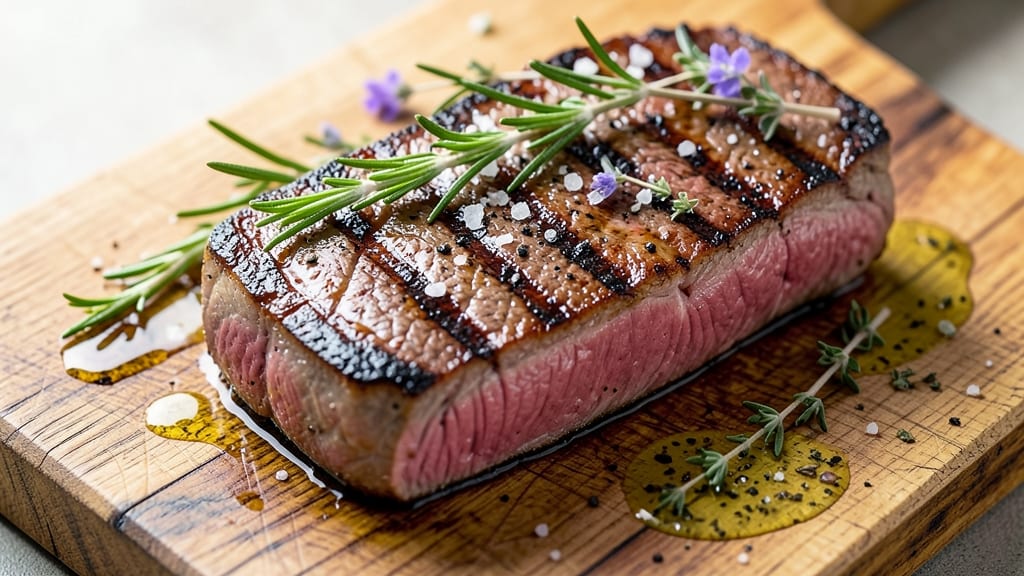
Mastering a loin tri tip steak recipe with a reverse-seared crust and juicy pink centers is the kind of technique that elevates weeknight dinners to restaurant-worthy meals. The secret lies in precise temperature control—starting low to develop even doneness, then finishing with a screaming-hot sear for that coveted crust.
I perfected this method after years of experimenting with cuts from my local Boston butcher, where the tri tip's marbling promises rich flavor if handled properly.
This method transforms a tougher cut into melt-in-your-mouth perfection through a two-stage cooking process: first a slow oven bake to reach the perfect internal temperature, then a sear in a cast-iron skillet to lock in juices and create that signature crust. The result?
A steak that's tender enough to cut with a fork but holds its shape on the plate, with a crust so crisp it practically shatters. My grandmother's recipe journal had notes about "reverse searing," but this version builds on those principles with modern precision.
What you'll achieve is a steak that's juicy at the core and perfectly crusty on the outside—no dry edges or overcooked centers here. The technique works equally well for grilling or stovetop cooking, making it adaptable to any kitchen setup.
Pair it with chimichurri sauce or grilled vegetables for a complete meal that feels special without requiring hours in the kitchen. The key is patience during the initial cooking phase; rushing this step is what leads to disappointing results.
Once you've mastered this method, you'll never buy pre-cut steaks again. The reverse sear technique isn't just for tri tip—it works beautifully with ribeye, New York strip, and even thicker cuts of sirloin.
For those who want to take it further, I've included variations for different doneness levels and alternative cooking methods in the full recipe. Let's get started on creating your best steak yet.
Ingredients for loin tri tip steak
Precision-cut beef meets bold flavors—this is your reverse-sear tri tip toolkit.
| Ingredient | Amount | Notes |
|---|---|---|
| Loin Tri Tip Steak 🥩 | 2 ½ lb | Center-cut, 1.5-2 inches thick |
| Kosher Salt 🧂 | 1 ½ tbsp | Coarse grain for seasoning |
| Freshly Ground Black Pepper 🌶️ | 1 ½ tsp | Coarsely cracked for texture |
| Extra-Virgin Olive Oil 🫒 | 2 tbsp | High smoke point for searing |
| Fresh Rosemary 🌿 | 1 sprig | Woodsy aroma for crust |
| Fresh Thyme 🌿 | 2 sprigs | Leaves only, finely chopped |
| Garlic Cloves 🧄 | 4 cloves | Smashed for infusion |
| Yellow Onion 🧅 | 1 whole | Sliced into 1/4-inch strips |
| Red Wine 🍷 | ½ cup | Bold Cabernet Sauvignon |
| Beef Tallow or Butter 🧈 | 2 tbsp | For high-heat searing |
| Cast-Iron Skillet 🔥 | 1 whole | 10-12 inches for even sear |
| Meat Thermometer 📏 | 1 whole | Instant-read preferred |
The tri tip's marbling is what makes this cut shine, so source it from a trusted butcher—my local Boston shop trims it to 1.5-2 inches thick for perfect even cooking. Look for center-cut sections with visible fat cap; this ensures juiciness without excess trimming. If you can't find tri tip, New York strip or ribeye work as substitutes, though they'll require slightly adjusted cooking times. The rosemary and thyme should be fresh—dried herbs lack the aromatic punch needed for this technique. For the red wine, Cabernet Sauvignon is ideal, but any bold red with tannins will work.
No coarse kosher salt? Diamond Crystal kosher salt is the gold standard, but sea salt in flakes works in a pinch—just use slightly more. The olive oil must have a high smoke point (410°F+); avoid infused oils that may burn during searing. If you're avoiding alcohol, beef broth with a splash of balsamic vinegar mimics the red wine's depth. For the garlic, smash rather than mince—this releases more flavor during the slow cook. The onion adds sweetness; yellow or red onions both work, but avoid sweet varieties like Vidalia. Prep everything before starting the oven—this is a timing-sensitive process.
Once seared, let the steak rest 10-15 minutes before slicing—this ensures juices redistribute. The cast-iron skillet should be preheated until it's smoking hot before adding the tallow/butter. Store leftovers in airtight containers for up to 3 days; they reheat beautifully in a skillet with a splash of broth. For meal prep, slice against the grain and portion into single-serving containers—perfect for sandwiches or salads. The crust loses crispness when reheated, so enjoy it fresh or freeze portions for later use.
Why You'll Love This Recipe
- I swear by this combo: just salt, pepper, and olive oil—no fancy rubs or marinades. The tri tip’s natural richness sings when you let those simple seasonings do the work, especially with that fresh rosemary sprinkled on top at the end.
- Here’s what sold me: you can nail this with zero prep. No brining, no basting, no stress. Just sear that tri tip until it’s got a deep crust, then let it rest. It’s the kind of recipe that makes me feel like a grill pro without actually trying.
Step-by-step instructions for reverse-seared loin tri tip steak
Master this technique and you'll achieve a perfectly browned crust with tender pink centers every time.
Season and Sear the Tri Tip
Pat the 2.5 lb loin tri tip steak completely dry with paper towels—this is crucial for maximum crust development. Rub all sides generously with the 1.5 tbsp kosher salt and 1.5 tsp freshly ground black pepper, pressing firmly so the seasoning adheres. Let it sit at room temperature for 30 minutes while you prepare the skillet.
Heat the cast-iron skillet over medium-high heat until it's smoking hot. Add the 2 tbsp extra-virgin olive oil and swirl to coat. Place the steak in the skillet and sear for 3 minutes per side, pressing down gently with a metal spatula during the first minute to prevent curling. You'll know it's ready when it releases easily from the pan and develops a deep golden-brown crust.
Build the Herb and Wine Sauce
Remove the steak from the skillet and place it on a cutting board. Reduce the heat to medium and add the sliced 1 whole yellow onion, smashed 4 cloves garlic, leaves from the 2 sprigs fresh thyme, and the 1 sprig fresh rosemary. Cook for 2 minutes until fragrant.
Deglaze the pan with the 0.5 cup red wine, scraping up all the browned bits from the bottom. Let it simmer for 3 minutes until reduced by half. Remove the pan from heat and stir in the 2 tbsp beef tallow or butter until melted and incorporated. Keep the steak and sauce warm while you finish the cooking process.
Finish in the Oven for Even Cooking
Preheat your oven to 275°F. Place the seared steak on a wire rack set over a baking sheet. Insert the meat thermometer into the thickest part of the steak—it should read around 125°F after searing. Return to the oven and cook until the internal temperature reaches 130°F, about 20-25 minutes.
This low-and-slow finish ensures even cooking throughout the thick cut while maintaining that perfect pink center. The steak will carry over to your desired doneness when you rest it, so don't overcook it in the oven. Check the temperature frequently during the last 5 minutes of cooking.
Rest and Slice for Maximum Juiciness
Remove the steak from the oven and transfer it to a cutting board. Tent loosely with aluminum foil and let it rest for 10-15 minutes. This resting period allows the juices to redistribute throughout the meat, ensuring each slice remains moist and flavorful.
Slice the steak against the grain into ½-inch thick slices. Spoon the herb and wine sauce over the top and serve immediately. The crust should be beautifully browned while the centers remain tender and pink, delivering that perfect juicy texture promised in every bite.
Pro Tips For Making Loin Tri Tip Steak
- SEAR HOT AND FAST: Cast iron or stainless steel—get that pan screaming hot before oil goes in. Tri-tip’s thick cut needs a fast, aggressive crust, or you’ll end up with a sad, gray slab instead of a caramelized masterpiece. I used to linger, and the outside turned to shoe leather.
- SALT THE NIGHT BEFORE: Toss the tri-tip with salt and rosemary hours ahead—preferably overnight. The salt penetrates deeper, and the rosemary’s oils infuse better than if you slap it on 10 minutes before cooking. Yes, it’s lazy to forget, but your steak will taste like it came from a butcher who actually cares.
- SKIP THE CROWDED PAN: Don’t overload the pan with steak. Cut it in half if needed—tri-tip’s thick, and you want that oil to sizzle, not simmer. I learned this after a batch turned out greasy instead of golden. Space matters more than you think.
- REST UNDER FOIL: After cooking, tent the steak with foil for 5–10 minutes before slicing. The heat redistributes, keeping it juicy instead of drying out like a sad Sunday roast. I know, I know—you’re eager to eat. But resist. Your knife will thank you.
Wine and beer pairings for these flavors
Bold Red Wine
A Cabernet Sauvignon with its bold tannins and dark fruit notes is my go-to pairing for this steak. The wine's structure stands up to the rich, beefy flavors while its acidity cuts through the fat beautifully.
I reach for a Napa Valley Cabernet from my local market—something with 14-15% alcohol and noticeable oak aging. If you prefer something lighter, a Malbec from Argentina offers similar intensity without the same price tag. 🍷
Malbec Magic
For those who love their reds with a touch of sweetness, Argentinian Malbec is a fantastic alternative. Its plum and blackberry flavors complement the steak's crust while its velvety texture feels luxurious.
I've found that a high-altitude Malbec from Mendoza has just the right balance of fruit and earthiness. Serve it slightly chilled to enhance its aromatic qualities.
Craft Beer Balance
If wine isn't your thing, a dark amber ale with malty sweetness pairs wonderfully. I recommend a Boston-style amber ale like Samuel Adams Noble Experiment—its caramel and toasted malt notes mirror the steak's crust.
For something stronger, a Belgian dubbel with its spiced complexity adds an unexpected but delicious contrast. 🍺
IPA Contrast
For those who love their beers hoppy, a West Coast IPA with citrus notes actually works surprisingly well. The bitterness cleanses your palate between rich bites of steak.
I suggest a hazy IPA like New England-style for its juicy fruit flavors that complement the wine sauce. Just avoid overly bitter IPAs that might overpower the dish.
Chilled White Option
Don't overlook a chilled Chardonnay for those who prefer whites. Look for an unoaked version with bright acidity—something from California or New Zealand works beautifully. The crispness contrasts perfectly with the steak's richness, and the slight mineral notes enhance the herbaceous elements in the sauce.
I keep a bottle of Kim Crawford Sauvignon Blanc on hand for these occasions.
Pro Tip: Temperature Matters
Serve your wine or beer at the right temperature to maximize flavor. Reds should be 60-65°F, while whites and beers benefit from being 45-50°F. I use an ice bucket with water for quick chilling—never ice directly in the glass.
The perfect beverage pairing elevates your steak from great to unforgettable. ✨
Nutrition facts
Frequently asked questions
What's the best way to slice tri tip steak for maximum tenderness?
Always slice against the grain—look for the natural lines in the meat. Cutting perpendicular to these fibers shortens them, making each bite more tender. For a 2.5 lb tri tip, aim for ½-inch thick slices. Use a sharp knife and let the steak rest 10-15 minutes first to keep juices inside.
Can I use this reverse-sear method for other steak cuts?
This technique works beautifully with New York strip, ribeye, or even thick-cut sirloin. Adjust oven temps slightly—thicker cuts (like ribeye) may need 300°F instead of 275°F. The key is maintaining 130°F internal before the final sear.
How do I fix an overcooked tri tip steak?
If your steak is too firm, try slicing it thinner (¼-inch) and serving with extra sauce or a creamy mashed potato topping. For dryness, place slices between paper towels and press gently to absorb excess moisture. The reverse-sear method minimizes this risk, but even perfection can happen!
What's the difference between tri tip and New York strip?
Tri tip comes from the bottom sirloin cap and has more connective tissue, giving it a slightly chewier texture when cooked properly. New York strip is from the short loin and is more tender with less marbling. Tri tip is often 20-30% cheaper but benefits from the reverse-sear technique to tenderize it.
Can I make this recipe in a grill pan instead of a cast-iron skillet?
Yes, but monitor heat closely—a grill pan concentrates heat differently. Preheat until smoking hot and use 1 tbsp oil per side. The sear time may increase slightly (4 minutes per side). Cast-iron still gives the best crust, but grill pans work in a pinch.