
Sauces & Condiments
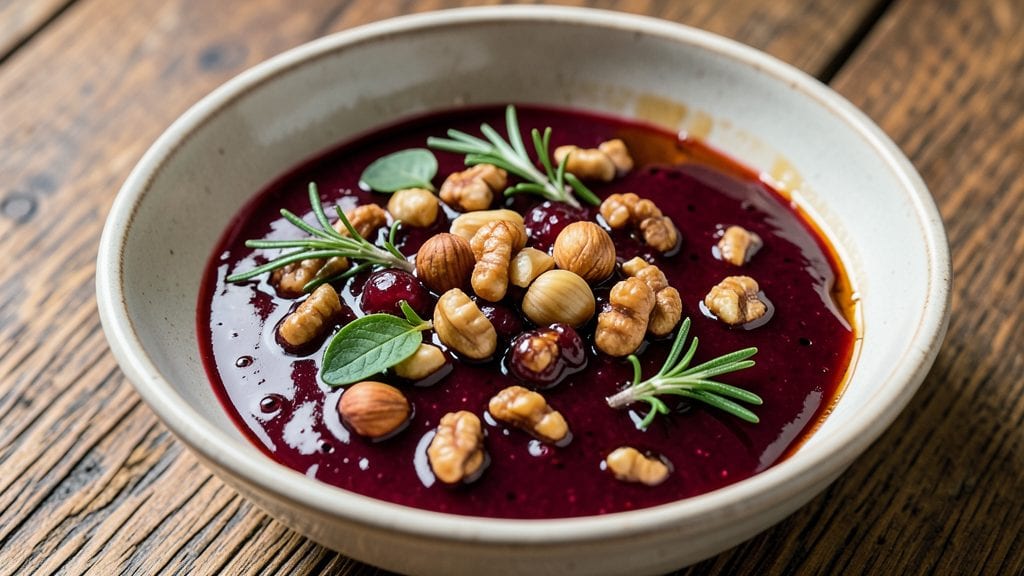
This New England duck sauce recipe transforms ordinary roasted duck into a showstopping centerpiece with its perfect balance of maple sweetness, balsamic depth, and herbed crunch. The secret lies in a slow reduction of port wine, currant jelly, and vinegar that develops complex layers of flavor—savory, tangy, and subtly sweet.
I first created this sauce during Thanksgiving when I wanted to elevate our family’s duck without overpowering its natural richness.
The sauce begins with a simmering reduction of port wine and vinegar, which cuts through the duck’s fat while building depth. Currant jelly adds a fruity acidity that brightens the dish, while maple syrup ties everything together with just the right sweetness.
The finishing touch—a sprinkle of toasted herbs and crushed nuts—gives it that signature New England crunch that keeps every bite interesting.
What you’ll end up with is a glossy, velvety glaze that clings beautifully to duck meat, offering a perfect harmony of flavors in each spoonful. It’s rich enough to stand alone as a dipping sauce but balanced enough to complement roasted duck without overwhelming it.
The best part? It keeps well in the refrigerator for up to a week, so you can make a big batch and enjoy it all season long.
This sauce pairs perfectly with roasted duck, but it also works wonders on pork tenderloin or even as a glaze for grilled vegetables. Let’s get started—your holiday table is about to get an upgrade.
Ingredients for new england duck sauce
Ten ingredients, one showstopping sauce that turns duck into a holiday hero.
| Ingredient | Amount | Notes |
|---|---|---|
| Port Wine 🍷 | ½ cup | Dry variety, no residue |
| Balsamic Vinegar 🍶 | ¼ cup | Aged 10+ years preferred |
| Currant Jelly 🍇 | ½ cup | Seedless for smooth texture |
| Pure Maple Syrup 🍁 | ¼ cup | Grade A, dark preferred |
| Fresh Thyme Leaves 🌿 | 1 tbsp | Stems removed, finely chopped |
| Fresh Rosemary Leaves 🌿 | 1 tbsp | Finely chopped, fresh preferred |
| Hazelnuts 🥜 | ¼ cup | Toasted, skin removed |
| Pecans 🥜 | ¼ cup | Toasted, roughly chopped |
| Unsalted Butter 🧈 | 2 tbsp | Cold, cubed for finishing |
| Granulated Sugar 🍚 | 1 tbsp | For balancing acidity |
The port wine is where the magic happens—look for dry varieties at the liquor store, not the cooking aisle. Trader Joe's carries a great one for under $15, but any decent table wine works in a pinch. Balsamic vinegar? Aged 10+ years makes all the difference—it’s worth the splurge. Currant jelly should be seedless (no one wants to bite into a seed while eating duck), and Bon Appétit or Bonne Maman are my go-tos. Maple syrup needs to be real—none of that pancake syrup nonsense. Grade A dark gives you that rich, caramel-like depth. Fresh herbs are non-negotiable here; dried just won’t cut it for that bright, aromatic finish.
No port wine? Substitute with red wine reduction—just simmer 1 cup red wine until it’s reduced by half. No balsamic? Apple cider vinegar works, but you’ll lose some depth. Currant jelly hard to find? Raspberry or blackberry preserves in a pinch, but reduce them with a splash of water first to cut the thickness. Hazelnuts and pecans can be swapped for walnuts or almonds, but toast them first—they’re the secret to that perfect crunch. And if you’re out of butter? Ghee or coconut oil keeps the sauce vegan-friendly without sacrificing richness.
This sauce gets better with time—make it a day ahead so all the flavors meld. Store it in an airtight jar in the fridge for up to 1 week, though I’ve never had leftovers that long. The nuts? Toast them fresh the day you serve the sauce—they lose their crunch fast. If you’re prepping ahead, keep the herbs separate until the last minute so they stay vibrant. And pro tip: warm the sauce gently before serving—it clings to the duck like a dream when it’s at room temperature.
Why You'll Love This Recipe
- Five-Ingredient Magic: This sauce comes together with just five things—no fancy techniques, no stress. Simmer the port wine and balsamic first, then stir in the currant jelly and maple syrup while you finish roasting whatever you’re pairing it with. Honestly, I’ve made it while chatting on the phone because it’s that unfussy.
- Rich Without Effort: The port wine adds depth, the balsamic brings that tangy kick, and the currant jelly? It’s like a little fruity surprise in every bite. Swirl it over seared duck breasts or even grilled chicken—suddenly, everything tastes like a fancy dinner, but you didn’t even break a sweat.
- Holiday Table Star: Between us, this sauce is my go-to for Thanksgiving or Christmas because it feels special without requiring hours of prep. The thyme leaves add a fresh herbal note that cuts through the richness, and guests always ask for the recipe. (Yes, even on a Tuesday night.)
- Leftovers That Shine: Make a double batch—it keeps for weeks in the fridge, and the flavors only get better as the port wine mellows. Drizzle it over pancakes in the morning or toss it with roasted veggies for a weeknight dinner. Not the prettiest, but the taste makes up for it every time.
Step-by-step instructions for New England duck sauce recipe
Create this incredible maple-balsamic glaze with herbed crunch in just minutes—perfect for duck, pork, or even roasted vegetables.
Toast the Nuts for Maximum Flavor
In a dry skillet over medium heat, toast the 0.25 cup hazelnuts and 0.25 cup pecans together for 5-6 minutes, stirring frequently. You'll know they're perfectly toasted when they release their nutty aroma and turn a rich golden brown. Remove from heat immediately and transfer to a cutting board to cool for 2 minutes. While still warm, roughly chop the nuts with a knife—this helps them cling better to the sauce later.
Don't skip this step! Toasting deepens the nutty flavor and removes any bitterness from the skins. If you're short on time, you can toast them in a 350°F oven for 8-10 minutes, but stovetop gives you better control over the color and aroma.
Simmer the Base Ingredients
In a medium saucepan, combine the 0.5 cup port wine, 0.25 cup balsamic vinegar, 0.5 cup currant jelly, 0.25 cup pure maple syrup, and 1 tbsp granulated sugar. Bring to a gentle boil over medium-high heat, then immediately reduce to medium-low and let it simmer uncovered for 8-10 minutes. You want the mixture to reduce by about half, until it coats the back of a spoon and has thickened slightly.
Here's where the magic happens—the alcohol from the port wine will cook off, leaving behind deeper, more complex flavors. Stir occasionally to prevent sticking, and watch for the sauce to darken slightly and become syrupy. If it reduces too quickly, lower the heat slightly to maintain gentle simmering.
Add Herbs and Finish with Butter
Remove the sauce from heat and stir in the 1 tbsp fresh thyme leaves and 1 tbsp fresh rosemary leaves. Let it steep for 3-4 minutes—this infuses the delicate herbal notes into the sauce. Then, whisk in the 2 tbsp unsalted butter, cubed, until completely melted and smooth. Taste and adjust seasoning if needed—you might want to add a pinch more sugar to balance the acidity from the balsamic vinegar.
The butter adds richness and helps emulsify the sauce, giving it that silky texture perfect for drizzling. If the sauce is too thick, whisk in 1-2 teaspoons of hot water to loosen it to your desired consistency. Keep it warm until ready to serve.
Mix in Toasted Nuts for Texture
Just before serving, fold the chopped hazelnuts and pecans into the warm sauce using a spatula. The residual heat will help them cling to the sauce, creating that beautiful herbed crunch. For an extra touch, let the sauce sit for 1-2 minutes after mixing to allow the nuts to absorb any remaining liquid and become evenly distributed.
This sauce is incredible drizzled over crispy duck breasts, roasted pork tenderloin, or even grilled vegetables. The contrast of the warm, sweet glaze with the crunchy nuts and herbed notes makes every bite unforgettable. Serve immediately while the nuts are still crisp and the sauce is warm and glossy.
Pro Tips For Making New England Duck Sauce
- Simmer Slow and Low: The sauce will taste flat if you rush it—reduce the port and balsamic on medium-low heat until it’s syrupy enough to coat the back of a spoon. I used to crank the heat and end up with something alcoholic and thin; patience here makes all the difference.
- Strain the Thyme: Fresh thyme leaves add depth, but whole stems make the sauce gritty. Bruise them lightly with the flat of your knife first, then strain before mixing—no one wants to bite into a leaf while eating duck.
- Warm the Jelly First: Cold currant jelly clumps like glue when added to hot liquid. Microwave it for 10 seconds or warm it in a small bowl over simmering water until it’s pourable. This keeps the sauce smooth, not lumpy.
- Taste as You Go: Balance is everything—check the sauce at three stages: after reducing the wine, after adding the jelly, and at the end. Adjust with a splash more balsamic for tang or a drizzle of maple for sweetness. Your palate is the best tool here.
Serving suggestions for leftovers
Duck Pairings
This sauce is a match made in heaven with roasted duck breast—its rich, glossy texture clings beautifully to crispy skin. I always serve it with crispy-skinned duck that’s been roasted to a 165°F internal temperature for maximum juiciness.
The sauce’s sweet-tart balance cuts through the duck’s fat, making every bite harmonious. 🍽️
For a vegetarian twist, try drizzling it over roasted eggplant or portobello mushrooms—the herbal notes shine when paired with umami-rich vegetables. Even grilled pork tenderloin becomes extraordinary with this glaze, especially if you sear the meat first for extra depth.
Bread Service
Serve this sauce with crusty sourdough bread or brioche rolls for scooping up every last drop. I like to toast the bread lightly and rub it with a garlic clove before serving—it adds another layer of flavor that complements the sauce’s herbal notes.
For a festive touch, arrange the bread on a wooden board and drizzle the sauce artistically over the top.
Cheese Pairings
Aged cheeses like sharp cheddar or blue cheese elevate the sauce to new heights. I love serving it with cubed cheddar on the side—guests can dip bread into the sauce, then bite into the cheese for a perfect sweet-savory contrast.
For a more elegant presentation, arrange brie slices on a platter and drizzle the sauce over them before serving.
Wine & Beverage Pairings
A dry red wine like Cabernet Sauvignon or Pinot Noir pairs beautifully with this sauce, especially when served with duck. The tannins in red wine cut through the richness of the duck and sauce, cleansing your palate between bites.
For non-alcoholic options, sparkling apple cider or ginger beer adds a refreshing contrast to the sauce’s depth. 🍷
Presentation Tips
For a restaurant-worthy presentation, serve the sauce in a small ceramic dish or glass bowl—the glossy finish looks stunning against dark surfaces. Garnish with an extra sprinkle of toasted hazelnuts and a few fresh rosemary sprigs for a pop of color.
If serving buffet-style, drizzle the sauce over the duck or pork in a zigzag pattern for visual appeal.
For a modern twist, arrange the sauce in a deconstructed manner—drizzle it over a charcuterie board alongside the duck, nuts, and cheese. This lets guests customize their bites while keeping the sauce as the star of the show.
Nutrition facts
Frequently asked questions
Can I make this sauce without port wine?
If you don't have port wine, substitute with red wine reduction—simmer 1 cup red wine until reduced by half. For a non-alcoholic version, use grape juice or apple cider vinegar mixed with 1 teaspoon sugar per ¼ cup to mimic the depth. The key is balancing sweetness and acidity to complement the duck's richness.
How long can I store this sauce?
Store the sauce in an airtight container in the refrigerator for up to 1 week. The flavors actually improve over time as the ingredients meld! When reheating, warm it gently in a saucepan over low heat or microwave for 20-30 seconds to maintain its glossy texture. Stir in fresh toasted nuts just before serving to preserve their crunch.
Why does my sauce turn out too sweet?
This happens when the acidity (vinegar/balsamic) isn't balanced with sweetness. To fix it, add 1-2 teaspoons of balsamic vinegar or lemon juice and reduce again for 2-3 minutes. For future batches, taste as you simmer—stop reducing when it coats the back of a spoon. The currant jelly should be half the volume of the wine/vinegar mixture to avoid overpowering sweetness.
Can I use dried herbs instead of fresh?
Fresh herbs are ideal for their vibrant flavor, but if you must use dried, reduce the amount to ½ teaspoon per 1 tablespoon fresh and steep for 5 minutes (instead of 3-4). Dried herbs lose potency when cooked, so they won’t infuse as deeply. For best results, toast the dried herbs lightly in the pan before adding to the sauce to wake up their flavors.
What’s the best way to reheat leftovers?
Gently reheat in a small saucepan over low heat for 3-4 minutes, stirring constantly to prevent burning. Avoid microwaving unless absolutely necessary—it can make the sauce grainy. For a quick fix, place the sauce in a heatproof bowl set over a pot of simmering water (bain-marie) for 2-3 minutes. Always stir in fresh toasted nuts after reheating to restore that perfect crunch.