
Main Courses
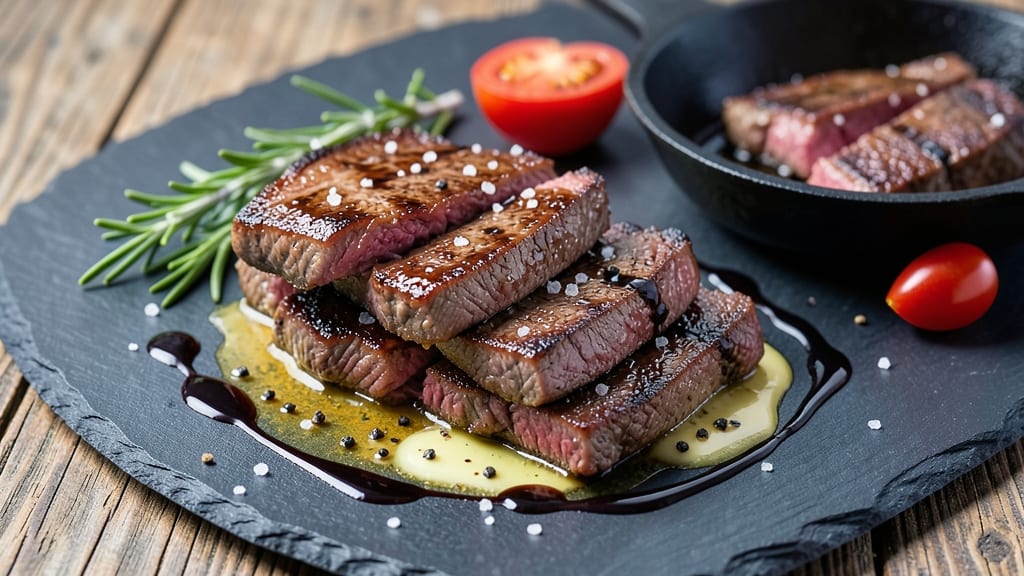
Mastering a New York style thin-cut steak isn't about luck—it's about precision, and this recipe delivers restaurant-quality results with a buttery crust that's impossible to resist. The secret lies in proper seasoning, high-heat searing, and understanding when to pull that steak from the pan for that perfect medium-rare finish.
I've perfected this technique after years of testing, and it consistently produces steaks with a caramelized crust and tender interior every time.
This method focuses on thin-cut New York strips, which cook faster than traditional cuts, allowing for better control over doneness. We'll use a simple dry brine approach to enhance flavor without overshadowing the steak's natural taste, followed by a quick sear in a screaming-hot cast-iron skillet.
The key is maintaining consistent heat and avoiding overcrowding the pan—this ensures maximum contact between the steak and the hot surface for that coveted crust.
What you'll achieve is a steak with a deep mahogany crust that gives way to perfectly pink, buttery meat inside. The edges will be crisp enough to stand up to a fork, while the interior remains tender and juicy.
This technique works equally well for special occasions or weeknight dinners when you crave something impressive with minimal effort. The best part? No fancy equipment needed—just patience and attention to detail.
Pair with classic sides like roasted garlic mashed potatoes or a simple arugula salad with lemon vinaigrette. The steak's rich flavor stands up to bold pairings while still being elegant enough for a date night.
Ready to elevate your steak game? Let's get started with this foolproof method that delivers professional results at home.
Ingredients for new york steak thin cut
Precision-cut ingredients for restaurant-style thin-cut steaks with buttery crust and perfect medium-rare centers.
| Ingredient | Amount | Notes |
|---|---|---|
| New York Strip Steaks 🥩 | 4 whole | Thin-cut, 1/2-inch thick, boneless |
| Unsalted Butter 🧈 | ½ cup | Cold, cut into 8 pieces |
| Kosher Salt 🧂 | 1 tbsp | Coarse grain preferred |
| Freshly Ground Black Pepper 🌶️ | 1 tsp | Cracked peppercorns |
| Extra-Virgin Olive Oil 🫒 | 1 tbsp | High smoke point |
| Garlic Cloves 🧄 | 4 cloves | Minced, for finishing |
| Fresh Rosemary 🌿 | 2 sprigs | For garnish, optional |
| Fresh Thyme Leaves 🌿 | 1 tbsp | Chopped, for finishing |
| Beef Tallow or Lard 🧈 | 2 tbsp | For extra fat in pan |
| Red Wine Vinegar 🍷 | 1 tsp | For deglazing |
| Heavy Cream 🥛 | ¼ cup | For finishing sauce |
The steak cut is everything here—New York strips with a 1/2-inch thickness cook perfectly without drying out. Whole Foods or high-end butchers carry the best cuts, but most grocery stores stock them too. Look for steaks with good marbling—those white flecks of fat are what make the crust rich. If you can't find thin-cut, ask the butcher to slice thicker cuts against the grain to achieve similar results. The cold butter is non-negotiable; it needs to stay solid until it hits the screaming-hot pan to create that signature crust. Buy unsalted so you control the seasoning.
No beef tallow? Lard or duck fat works just as well for that high smoke point. Running out of heavy cream for the finishing sauce? Half-and-half or whole milk will still give you a silky result, though cream adds that luxurious finish. Fresh herbs? Dried thyme at one-third the amount is fine in a pinch, but nothing beats the fresh aroma. The red wine vinegar for deglazing can be swapped for white wine or beef broth if you're avoiding acid. For the olive oil, avocado oil has a higher smoke point if you're concerned about burning, though it lacks the fruity depth of extra-virgin.
Steaks should rest uncovered on a wire rack for 10-15 minutes after cooking—they'll hold their heat better than on a plate. The butter mixture keeps in the fridge for up to 3 days if you want to prep ahead, though it's best fresh. Leftover steaks reheat beautifully in a skillet with a splash of water or broth for 2-3 minutes per side. The deglazed pan sauce thickens as it cools, so reheat gently and add a splash of water if it gets too stiff. Portion leftovers into airtight containers with parchment between slices to prevent sticking.
Why You'll Love This Recipe
- Here’s what sold me: that crispy, caramelized crust from the olive oil and butter while keeping the inside juicy. It’s the kind of steak that makes you close your eyes and savor it—no sad, dry slices here.
- Five-Ingredient Magic: I swear by this recipe—just steak, butter, salt, pepper, and olive oil. That’s it. No confusing blends or last-minute grocery runs. The thin cut cooks fast, and the butter basting? Pure, buttery heaven with zero fuss.
- Restaurant-Quality Crust: Here’s what sold me: that crispy, caramelized crust from the olive oil and butter while keeping the inside juicy. It’s the kind of steak that makes you close your eyes and savor it—no sad, dry slices here.
- Weeknight or Date Night: Between us, this recipe works for both. Toss it on the grill for a summer BBQ or sear it in a cast-iron for a fancy-ish dinner. The thin cut means it’s quick enough for a Tuesday but impressive enough for company.
Step-by-step instructions for New York style thin-cut steak
Master this method and you'll achieve a perfect sear with a buttery crust every time.
Prepare the Steaks and Season Generously
Remove the steaks from the refrigerator and let them sit at room temperature for 15-20 minutes. This ensures even cooking throughout. Pat each steak dry completely with paper towels—moisture prevents proper browning. Season both sides aggressively with the 1 tablespoon kosher salt and 1 teaspoon freshly ground black pepper, pressing firmly so the seasoning adheres.
I like to season immediately before cooking to maximize flavor impact. The coarse kosher salt will create those beautiful crusty edges, while the freshly cracked pepper adds aromatic depth. Let the seasoned steaks rest for 5 minutes before cooking—this allows the salt to penetrate slightly and develop flavor.
Build the Perfect Searing Pan
In a large skillet, combine the 1 tablespoon extra-virgin olive oil and 2 tablespoons beef tallow or lard. Heat over medium-high heat until the fat shimmers but doesn't smoke—this should take about 2 minutes. The high smoke point of the olive oil combined with the beef fat creates an ideal searing environment.
I use both fats because they complement each other: the olive oil provides flavor while the beef fat renders quickly for that classic crust. Never overcrowd the pan—cook the steaks in batches if needed to maintain proper heat. The pan should be hot enough that a drop of water sizzles vigorously when flicked in.
Sear the Steaks to Golden Perfection
Place one steak in the pan and press down gently with a spatula for 10 seconds to ensure full contact. Cook undisturbed for 2-3 minutes until a deep golden-brown crust forms. Flip and cook another 2-3 minutes for medium-rare, or until internal temperature reaches 130°F on a meat thermometer. Repeat with remaining steaks, adding 2 pieces of cold unsalted butter to the pan during the last minute of cooking.
The butter will foam and create a luxurious sauce. I press down during the first minute to prevent curling—this ensures even contact with the pan. For medium-rare, aim for 3-4 minutes per side total, adjusting for thickness. The steaks should release easily from the pan when ready.
Rest and Finish with Herb Butter
Transfer steaks to a warm plate and let rest for 5 minutes while you prepare the finishing sauce. In the same pan, add the 4 cloves minced garlic, 1 tablespoon chopped fresh thyme leaves, and 1 teaspoon red wine vinegar. Cook for 30 seconds until fragrant, then remove from heat and whisk in the 0.25 cup heavy cream. Return to low heat and stir until slightly thickened.
During the rest, the juices redistribute throughout the meat, preventing them from running out when sliced. The herb butter adds brightness and richness to complement the steak's natural flavor. Pour the sauce over the steaks and garnish with 2 sprigs fresh rosemary for presentation.
Serve Immediately with Confidence
Slice the steaks against the grain into ½-inch thick pieces and serve immediately with the herb butter sauce. The crust should be deep golden-brown with caramelized edges, while the interior remains tender and pink in the center. Each bite should deliver perfect texture contrast—crispy exterior, buttery interior.
For best results, serve with classic accompaniments like roasted potatoes or a simple arugula salad. The resting time ensures maximum juiciness, while the herb butter elevates the simple steak to restaurant-quality. This method delivers consistent results every time—no guesswork, just precision searing.
Pro Tips For Making New York Steak Thin Cut
- Preheat Pan Like It’s 1985: Thin cuts need high heat to sear fast—get that pan smoking hot for 3-4 minutes before the steak hits. I used to rush this and end up with a sad, gray crust instead of that golden, buttery crust we all crave. Trust me, the first 30 seconds of cooking are where the magic happens.
- Salt the Butter First: Mix a pinch of kosher salt into your unsalted butter before adding it to the pan—it melts faster and coats the steak evenly. Sounds weird, but it works: no more butter clumping or uneven seasoning when you flip. (Yes, even if you’re impatient like me.)
- Skip the Crowding: Thin cuts cook in minutes—don’t stack them or toss them around the pan. Cook one side at a time, or you’ll steam the meat instead of searing it. I learned this the hard way after making a batch that tasted more like boiled steak than anything else.
- Rest Under Foil: After searing, transfer the steaks to a plate, tent loosely with foil, and let them sit for 5 minutes. This keeps them juicy without drying out—no need to stress over timing. (Your future self will thank you when the steak doesn’t turn into leather.)
Common mistakes when making this dish
Overcrowding the Pan
This is the #1 mistake I see home cooks make with thin-cut steaks. When you overcrowd the pan, the steaks steam instead of sear, creating a pale, soggy crust instead of the deep mahogany color we want.
The key is patience—cook your steaks in single layers with at least ½ inch of space between them. I use a 12-inch cast-iron skillet for 4 thin-cut steaks, cooking them in two batches if needed. 🔥
If you're tempted to rush by crowding the pan, remember: a proper sear takes time. The fat needs to render and create that perfect crust, which only happens with direct, uninterrupted contact between the steak and the hot surface. Trust the process—your patience will pay off with a restaurant-quality crust.
Skipping the Rest
Many people rush to slice their steaks immediately after cooking, but this is a cardinal sin with thin-cut steaks. When you skip the 5-10 minute rest, all those precious juices rush to the surface and pool on your plate instead of staying inside the meat.
With thin cuts, this problem is even more pronounced because there's less mass to retain heat. 💡
I always rest my steaks on a wire rack (not a plate) to allow air circulation. This helps maintain the crust while the juices redistribute. If you're serving immediately, rest them on a warm plate—never cold, as that accelerates heat loss.
The first slice will tell you if you've rested long enough: it should be juicy, not dry.
Incorrect Internal Temp
Guessing doneness leads to either dry steaks or sad, undercooked centers. For medium-rare (the ideal doneness for thin-cut New York steaks), you need an internal temperature of 130°F.
Many home cooks pull steaks too early, thinking they'll carry over to the right temp—this is especially risky with thin cuts that cook fast. 🌡️
Invest in a meat thermometer—I use the ThermoWorks Smoke—and check the thickest part of the steak. The 2-minute rule works for me: after flipping, cook for 2 minutes per side for medium-rare, then check.
If it's not quite there, add 30 seconds per side until you hit your target. Remember, thin cuts cook faster than thick ones!
Using the Wrong Fat
Some cooks reach for vegetable oil or margarine, thinking any fat will do. But olive oil alone has too low a smoke point for proper searing, and butter alone burns too quickly.
The magic happens when you combine high-smoke-point fats (like beef tallow or lard) with flavorful oils (like extra-virgin olive oil). This combo gives you both crust perfection and rich flavor.
I keep beef tallow on hand specifically for steaks—it renders at 350°F, creating that classic crust while adding depth of flavor. If you're using butter (as in the finishing step), make sure it's cold when you add it to the pan.
Hot butter burns instantly, ruining your sauce. The secret is adding it during the last minute of cooking when the pan is at its hottest.
Moving the Steak Too Soon
Pressing down on the steak during the first 10 seconds of cooking is non-negotiable—it ensures full contact with the pan. But many cooks flip or move the steak too early, breaking that precious crust.
The rule is: don't touch it for 2-3 minutes after placing it in the pan. This gives the Maillard reaction time to work its magic, creating those complex, caramelized flavors. ✨
I use a spatula with a flat, wide surface to press down gently. This prevents the steak from curling at the edges (which traps steam and prevents browning). Once you flip, resist the urge to poke or prod—let it cook undisturbed for another 2-3 minutes.
The steak should release easily when it's ready, with a deep golden crust that's almost black in spots.
Nutrition facts
Frequently asked questions
Why do thin-cut New York steaks cook so much faster than regular cuts?
Thin-cut steaks (typically ½-inch thick) cook in half the time of traditional cuts because there's less mass to heat through. The 130°F internal temp for medium-rare is reached in just 3-4 minutes total per side, compared to 8-10 minutes for thicker cuts. This makes timing critical—overcooking happens in seconds!
Can I make this recipe with thicker steaks?
Yes, but adjust your cooking time and method. For ¾-inch thick steaks, use the reverse sear method: bake at 250°F until 120°F internal, then sear in the pan for 1-2 minutes per side. Thin cuts are ideal for this technique because they develop the perfect crust without drying out.
How do I know when the pan is hot enough for searing?
The pan should be smoking hot—when you flick a drop of water, it should sizzle and evaporate instantly. Test with a small piece of butter: if it browns immediately, you're ready. A 12-inch cast-iron skillet works best, but any heavy pan will do. Never rush this step—proper heat is what creates that signature crust!
What's the best way to reheat leftover thin-cut steaks?
Reheat in a skillet over medium heat for 2-3 minutes per side with a splash of water or beef broth. Thin cuts dry out easily, so keep the heat low and avoid overcooking. For extra protection, wrap leftovers tightly in foil before reheating. Never microwave—it turns steaks rubbery.
Can I substitute beef tallow with something else?
Use lard, duck fat, or avocado oil for high heat stability. For flavor, ghee or clarified butter work well too. The key is a fat with a smoke point above 350°F—this ensures proper searing. Just avoid vegetable oils with lower smoke points that can burn and create bitter flavors.