
Sauces & Condiments
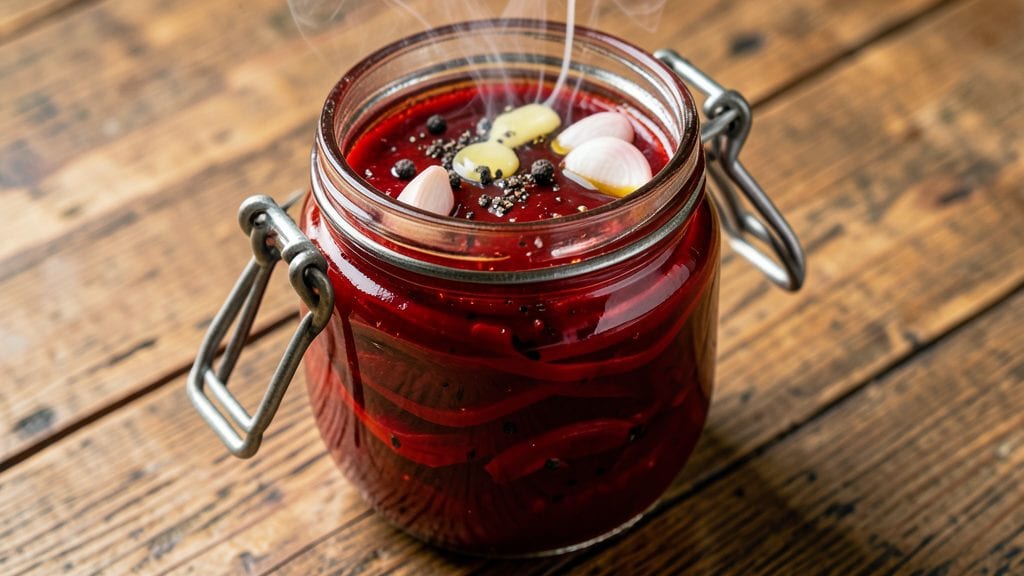
Creating a non-fermented Tabasco sauce recipe that delivers bold pepper heat without the traditional aging process is a game-changer for home cooks. This liquid version captures the signature tangy, smoky flavor of classic Tabasco—ready in just a few hours instead of months.
The key lies in carefully balancing vinegar, peppers, and spices to mimic that iconic Louisiana kick.
What sets this recipe apart is its simplicity and speed. You’ll blend fresh peppers, garlic, and cayenne with white vinegar, then strain and bottle the result. No fermentation means no waiting, no risk of spoilage, and consistent flavor every time.
The smoky depth comes from a touch of liquid smoke, while the vinegar preserves the bright, acidic profile that defines Tabasco.
By the time you’re done, you’ll have a vibrant, heat-packed sauce that’s perfect for drizzling on tacos, spiking cocktails, or elevating any dish needing a peppery punch. The texture is smooth and liquid, just like store-bought—but with the flexibility to adjust heat levels to your taste.
This is the kind of sauce that transforms ordinary meals into something unforgettable.
Ready to customize? Swap in fruit-infused vinegars for sweetness or add a pinch of sugar to balance the heat. The possibilities are endless, but the foundation remains the same: bold, fast, and full of flavor. Let’s get started on your homemade Tabasco alternative.
Ingredients for non fermented tabasco sauce
Nine simple ingredients transform into a smoky, tangy sauce that mimics Tabasco's bold kick—no waiting required.
| Ingredient | Amount | Notes |
|---|---|---|
| Fresh Red Cayenne Peppers 🌶️ | ¾ cup | Seeds removed for milder heat |
| Garlic Cloves 🧄 | 4 cloves | Peeled, for bold flavor |
| White Vinegar 💧 | 1 ½ cups | Distilled for tangy base |
| Liquid Smoke 🔥 | 1 tbsp | For smoky depth (like Tabasco) |
| Cayenne Pepper 🌶️ | 1 tsp | Adjust for extra heat |
| Salt 🧂 | 1 tsp | Kosher or sea salt |
| Granulated Sugar 🍚 | 1 tbsp | Balances acidity slightly |
| Black Peppercorns 🌶️ | ½ tsp | Crushed for subtle complexity |
| Water 💧 | ½ cup | Adjusts consistency if needed |
The cayenne peppers are the heart of this sauce. Fresh red cayenne delivers the bright, peppery punch Tabasco is known for—Walmart or local produce markets usually carry them, or sub with jalapeños if needed (but they’ll be milder). The garlic adds depth, so don’t skip it. For liquid smoke, Trader Joe’s or Amazon have reliable brands—it’s what gives your sauce that signature smoky character. If you’re worried about spice levels, start with fewer peppers and adjust later. The vinegar? White vinegar is key—apple cider vinegar adds sweetness, but it changes the flavor profile.
No fresh cayenne peppers? Dried cayenne powder works in a pinch—use half the amount since it’s more concentrated. Want less heat? Remove the seeds and membranes from the peppers before blending. The sugar balances the acidity, but if you prefer it sharper, cut it to ½ tablespoon. For extra smokiness, add a ¼ teaspoon of smoked paprika to the blend. The black peppercorns add subtle complexity—crush them lightly before adding. If your sauce turns out too thick, the water thins it out, but you can also strain it longer for a smoother texture.
This sauce keeps for up to 3 months in the fridge once bottled—just pour it into clean glass jars or bottles. The flavor actually improves over time, like traditional Tabasco, but without the fermentation wait. For a longer shelf life, can the sauce in sterilized jars (it’ll last 6-12 months). I like to keep a small bottle in the fridge for daily use and freeze extras in ice cube trays for single-serving portions. The heat fades slightly over time, so if you want to keep it fiery, store it in the freezer.
Why You'll Love This Recipe
- No Fermentation Hassle: I’ll be real—this sauce skips the waiting game. No jars sitting in the dark, no guessing if it’s ready. Just chop peppers, simmer, and boom—smoky, tangy heat in under an hour. (Yes, even on a Tuesday night.)
- Smoky Kick Without the Guesswork: That liquid smoke? It’s the secret weapon. One drop transforms fresh cayenne and garlic into something dangerously addictive—like Tabasco’s boldness but with a campfire edge. Honestly, I’ve never needed store-bought again.
- Pantry Staple Powerhouse: White vinegar keeps it shelf-stable for months, so I make a big batch and stash it. Perfect for drizzling on tacos, boosting soups, or even slathering on grilled cheese when the kids are begging for something “extra.” (They don’t know it’s secretly healthy.)
- Budget-Friendly Heat: Fresh peppers and vinegar cost pennies compared to bottled sauce. I stretch a single batch across three meals—eggs, wings, even deviled eggs—and still have leftovers. Plus, no weird preservatives. Just real, fiery flavor.
Step-by-step instructions for non-fermented Tabasco sauce
Here's how to make a bold, smoky pepper sauce that delivers authentic heat without the aging process.
Prepare the Peppers and Aromatics
Start by removing the seeds from the 0.75 cup fresh red cayenne peppers—this reduces the heat while keeping the vibrant color and flavor. Cut them into ¼-inch slices and transfer to a clean glass jar with a tight-sealing lid. Add the 4 peeled garlic cloves and 0.5 tsp crushed black peppercorns to the jar. The black peppercorns add subtle complexity that mimics traditional Tabasco.
Here's the thing—don't pack the jar too tightly. You want the peppers and aromatics to have room to infuse properly. Leave about 1 inch of space at the top of the jar. This ensures the vinegar can fully penetrate the ingredients during the steeping process. If you're using a smaller jar, you might need to layer the ingredients in batches to maintain this space.
Combine the Liquid Base
In a separate bowl, whisk together the 1.5 cups white vinegar, 1 tbsp liquid smoke, 1 tbsp granulated sugar, and 1 tsp salt until the sugar and salt are completely dissolved. The sugar helps balance the vinegar's acidity, while the salt enhances the overall flavor profile. I like to use distilled white vinegar for this recipe because it provides a clean, tangy base without any additional flavors that might compete with the peppers.
Pour this liquid mixture over the peppers and aromatics in the jar. Make sure everything is fully submerged—if any ingredients are floating, gently press them down with a clean spoon. Seal the jar tightly and give it a good shake to distribute the liquid evenly. This step ensures that every slice of pepper and every garlic clove gets coated with the flavorful liquid.
Steep for Maximum Flavor
Place the sealed jar in a dark, cool place—like a pantry or cupboard—and let it steep for at least 2 weeks. I know it's tempting to try it sooner, but patience is key here. The longer it steeps, the more the flavors meld together. After 2 weeks, give the jar another good shake and let it steep for another 2 weeks if possible. This extended steeping period is what creates that deep, complex flavor that you'd normally get from fermentation.
During this time, you'll notice the liquid will darken significantly and develop a rich, smoky aroma. This is a good sign—it means the peppers are releasing their oils and the garlic is infusing its bold flavor. If you're in a hurry, you can use the sauce after just 1 week, but it won't have the same depth of flavor. The longer you wait, the better the final product will be.
Strain and Bottle the Sauce
After the steeping period, it's time to strain out the solids. Pour the contents of the jar through a fine-mesh strainer or cheesecloth into a clean bowl. You can press down gently on the solids with the back of a spoon to extract every last drop of flavorful liquid. This step is important—it ensures your sauce is smooth and free of any unwanted texture.
Once strained, transfer the sauce to a clean glass bottle or jar. I recommend using a dark glass bottle to protect the sauce from light, which can degrade its quality over time. Add the 0.5 cup water now if you find the sauce is too thick—this helps adjust the consistency to something closer to traditional Tabasco sauce. Seal the bottle tightly and store it in the refrigerator.
Adjust Heat and Serve
The sauce should be ready to use immediately, but you can let it sit in the fridge for another 24 hours to allow the flavors to fully meld. Taste it and adjust the heat to your preference by adding more of the 1 tsp cayenne pepper if needed. Remember, you can always add more heat later, but you can't take it out.
This non-fermented Tabasco sauce is perfect for drizzling over tacos, mixing into Bloody Marys, or using as a marinade. It delivers that classic smoky, spicy kick without the need for fermentation. Store it in the fridge for up to 6 months, and enjoy the convenience of having a bold, homemade hot sauce ready whenever you need it.
Pro Tips For Making Non Fermented Tabasco Sauce
- STEAM THE PEPPERS FIRST: Drop whole cayennes into boiling water for 30 seconds—this softens them enough to mash without seeds splattering everywhere. I learned this the hard way after losing half my batch to pepper shrapnel on the wall.
- MINCE GARLIC FINE: Use the flat side of your knife to press minced garlic into a paste before adding vinegar—this prevents clumping and ensures even distribution. My sauce used to have random garlic chunks like surprise bites of regret.
- ADD SMOKE GRADUALLY: Start with half the liquid smoke, taste, then adjust—too much turns your sauce into a barbecue afterthought. I once ruined a batch by dumping the whole bottle in; now I treat it like cayenne powder.
- STRAIN IF YOU WANT IT SMOOTH: Run the finished sauce through a fine-mesh sieve to remove skins and seeds—it’s extra work but makes the texture silky. I skip it when lazy, but the difference is noticeable, especially in cocktails.
Creative variations of these flavors
Sweet Heat Fusion
Balance the vinegar tang with fruit-infused sweetness by swapping white vinegar for apple cider vinegar or pineapple juice. I like using ½ cup pineapple juice mixed with 1 cup white vinegar—it adds tropical brightness that pairs perfectly with the smoky peppers.
For a deeper flavor, steep 2 slices fresh ginger or 1 cinnamon stick alongside the peppers. This variation works especially well in cocktails or as a glaze for grilled meats. 🍍
Smoky Chipotle Twist
For a deeper smoky profile, replace the liquid smoke with 2-3 chipotle peppers in adobo sauce, blended into the vinegar mixture. The chipotle’s natural smokiness eliminates the need for additional liquid smoke.
I recommend using canned chipotles (like La Costeña) for convenience, but fresh chipotles work too if you can find them. This version has a richer, earthier taste that’s perfect for drizzling on tacos or nachos.
Garlic-Infused Depth
Take the garlic to the next level by infusing it in the vinegar first. Simmer 4 peeled garlic cloves in ½ cup white vinegar for 10 minutes before adding to the sauce. This creates a more concentrated garlic flavor that stands out beautifully.
For extra punch, add 1 tsp garlic powder after straining. This variation is ideal for those who love bold, garlicky heat—like in garlic butter shrimp or spicy marinades.
Mild Family-Friendly Version
Reduce the heat by using jalapeños instead of cayenne peppers and omitting the extra cayenne pepper. For a sweeter touch, add 1 tbsp honey or maple syrup to the vinegar mixture. This version is perfect for kids or sensitive palates but still delivers that tangy, smoky flavor.
I’ve used this in baked beans or as a dipping sauce for fries—it’s a crowd-pleaser! 👨👩👧👦
Herb-Enhanced Complexity
Add fresh herbs like ½ cup chopped cilantro or 1 tbsp chopped basil to the jar with the peppers. The herbs infuse beautifully during steeping, adding a bright, fresh note that cuts through the heat.
For a Mediterranean twist, include 1 tsp dried oregano or thyme. This variation is fantastic for drizzling on grilled vegetables or pasta dishes—the herbs elevate the sauce to a whole new level.
Spicy-Sweet Glaze
Thicken the sauce slightly by reducing it on the stove. Simmer the strained sauce in a saucepan over medium heat for 5-7 minutes until slightly syrupy. Stir in 1 tbsp brown sugar or honey to balance the heat.
This glaze is perfect for brushing on ribs, chicken wings, or corn on the cob. The caramelized edges add a whole new dimension to the sauce’s versatility. 🍖
Nutrition facts
Frequently asked questions
Why does this sauce skip the fermentation process?
Fermentation takes 6-12 months to develop Tabasco's signature depth, but this recipe delivers bold flavor in just 2 weeks through concentrated steeping. The vinegar and liquid smoke work together to extract maximum pepper oils and aromatics without relying on microbial breakdown. Perfect for those who want instant heat without the wait!
Can I adjust the heat level after making the sauce?
Yes! Start with the 1 tsp cayenne pepper called for, then add more to taste after straining. For milder heat, reduce the cayenne to ½ tsp or use jalapeños instead. Remember: you can always add more heat later, but you can't remove it.
How long will this sauce keep, and can I freeze it?
Store-bought Tabasco lasts years, but this version keeps 3-6 months refrigerated in a sealed glass bottle. For longer storage, freeze in ice cube trays—thawed cubes work perfectly for cooking. The texture may slightly separate after freezing, but shake well before use.
What if I can't find fresh red cayenne peppers?
No problem! Use dried cayenne powder (½ tsp) or jalapeños (remove seeds for milder heat). For extra smokiness, add ¼ tsp smoked paprika to the vinegar mixture. The key is maintaining the pepper-to-vinegar ratio to keep that signature tangy kick.
Can I make this sauce without liquid smoke?
Replace the 1 tbsp liquid smoke with 2-3 chipotle peppers in adobo sauce (blended) or ½ tsp smoked paprika. The chipotle version adds deeper earthiness, while smoked paprika keeps it bright and pepper-forward. Both work beautifully in this recipe!