
Breakfast & Brunch
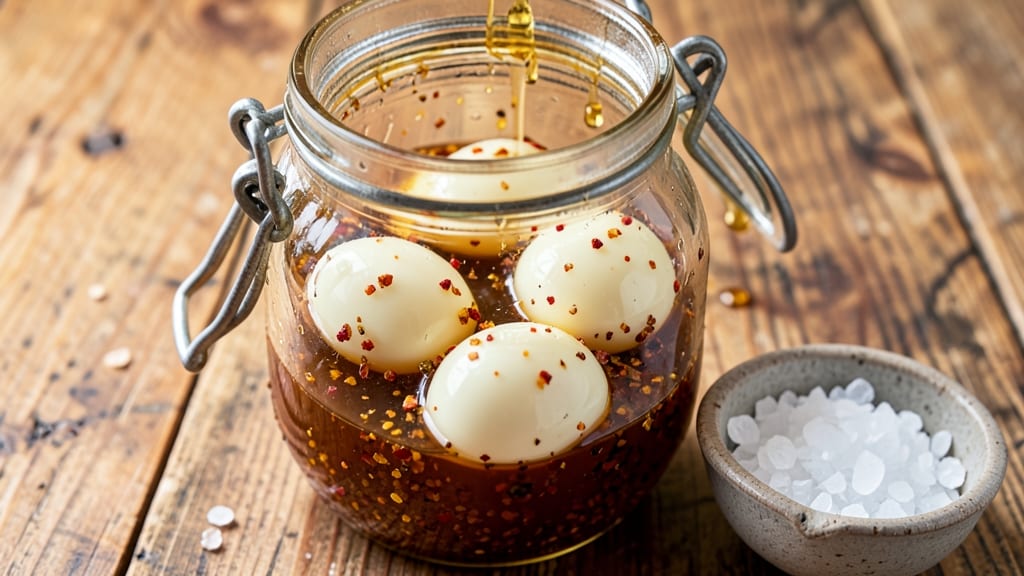
This Old Bay pickled eggs recipe transforms simple hard-boiled eggs into a tangy, spiced appetizer that disappears faster than you can say "game day."
The secret lies in the perfect balance of Old Bay seasoning and vinegar brine, which creates a crisp exterior and a flavor-packed bite that’s both zesty and savory. I’ve perfected this recipe over years of hosting gatherings—it’s always the first to vanish from the platter.
The process is straightforward but requires patience: hard-boiled eggs are cured in a vinegar-based brine infused with Old Bay, garlic powder, and a touch of cayenne for heat.
What sets this apart is the 3-day curing time, which allows the flavors to meld deeply into the eggs, resulting in a texture that’s firm yet tender and a taste that’s bold without being overpowering. No fancy equipment is needed—just a jar and a little time.
By the time you’re ready to serve, you’ll have bite-sized appetizers with a crisp shell and a tangy, spiced center that’s impossible to resist. These eggs pair perfectly with beer, cocktails, or even as a topping for salads.
The best part? They keep well in the fridge for up to two weeks, making them ideal for meal prep or entertaining. Let’s get started on this crowd-pleaser.
For those who love customization, you can adjust the heat level by adding more cayenne or swap out some vinegar for apple cider vinegar for a slightly sweeter profile.
The key is precision in the brine—too much salt and the eggs turn rubbery; too little, and the flavor won’t develop properly. Trust the process, and you’ll have a dish that’s as professional as it is delicious.
Ingredients for old bay pickled eggs
Twelve eggs and a handful of pantry staples. That’s all it takes for these zesty, crowd-pleasing bites.
| Ingredient | Amount | Notes |
|---|---|---|
| Large Eggs 🥚 | 12 whole | Fresh, room temperature preferred |
| White Vinegar 💧 | 2 cups | Distilled white vinegar preferred |
| Water 💧 | 2 cups | Filtered or boiled for clarity |
| Old Bay Seasoning 🌶️ | 3 tbsp | Classic blend for authentic flavor |
| Granulated Sugar 🍚 | ½ cup | White sugar preferred |
| Coarse Kosher Salt 🧂 | 1 tbsp | Diamond Crystal preferred |
| Garlic Powder 🧄 | 1 tsp | Freshly ground preferred |
| Cayenne Pepper 🔥 | ½ tsp | Adjust for preferred heat |
| Black Peppercorns 🌶️ | 1 tsp | Crushed lightly for texture |
| Mustard Seeds 🌾 | 1 tsp | Yellow or brown preferred |
| Apple Cider Vinegar 🍎 | ½ cup | Optional for sweeter profile |
The eggs are the star, so pick the freshest you can find—the older they get, the more likely they’ll turn rubbery during curing. Trader Joe’s and Whole Foods usually have the best quality, but any store’s refrigerated eggs work fine. Don’t skip room temperature—cold eggs crack when boiling. For the vinegar, distilled white is key—apple cider adds sweetness but isn’t traditional. The Old Bay seasoning? Use the classic blue canister—no shortcuts here. It’s the heart of this recipe, so don’t substitute with generic seafood seasoning.
No Old Bay? Mix 1 tsp paprika, 1 tsp dried thyme, 1/2 tsp celery salt, 1/2 tsp black pepper, and 1/4 tsp cayenne—it’s not identical but works in a pinch. Short on mustard seeds? Skip them—they’re more for texture than flavor. The sugar balances the acidity, but if you’re avoiding it, swap for 1 tbsp honey. For heat, cayenne is your friend—start with 1/2 tsp and adjust. The brine ratio (1:1 vinegar to water) is non-negotiable—too much water and the eggs won’t crisp up properly.
These keep for up to 2 weeks in the fridge, but trust me, they’ll disappear faster. Store in the brine they’re cured in—no need to rinse. For serving, drain and pat dry with paper towels. The eggs develop their best flavor after 3 days, but if you’re impatient, they’re still delicious after 24 hours. Double the batch—they’re always gone. Freezing isn’t recommended, but the brine can be reused for a second batch if you strain it through a fine-mesh sieve.
Why You'll Love This Recipe
- Fridge Magic Ready: I swear, these eggs are the ultimate lazy-day solution—just hard-boil a batch, dump them into vinegar and Old Bay, and walk away. No chopping, no fuss, and zero cleanup beyond a quick rinse.
- Tangy-Spicy Kick: That Old Bay blend? It’s like a party in your mouth—zesty, slightly sweet, with just enough heat to wake up your taste buds. The vinegar keeps them bright, and the sugar balances it all into something dangerously addictive.
- Tailgate Champion: Between us, these are my secret weapon for game days, potlucks, or even a simple picnic. They’re sturdy enough to pack, easy to grab, and way more exciting than plain ol’ deviled eggs.
- Pantry Stash Gold: I make a big batch and keep them in the fridge for weeks—they get better as they sit. Plus, eggs are cheap, vinegar lasts forever, and Old Bay? A single jar does the work of a whole spice drawer. Budget-friendly perfection.
Step-by-step instructions for Old Bay pickled eggs
Here's how to make these tangy, flavor-packed eggs that keep perfectly for weeks.
Prepare the Eggs for Pickling
Place the 12 whole large eggs in a medium saucepan and cover them completely with cold water. Bring to a boil over medium-high heat, then immediately remove from heat, cover, and let sit for 9-11 minutes. This gentle boiling ensures the eggs cook through without overcooking or cracking.
Drain the hot water and transfer the eggs to an ice bath for 10 minutes to stop the cooking process. Once cooled, gently tap each egg on a hard surface to crack the shell all over—this helps the pickling solution penetrate evenly. Peel under cool running water to remove shells completely, then rinse and drain the eggs thoroughly.
Create the Perfect Pickling Solution
In a large bowl, combine the 2 cups white vinegar, 2 cups water, 0.5 cup granulated sugar, 1 tbsp coarse kosher salt, 1 tsp garlic powder, 0.5 tsp cayenne pepper, 1 tsp black peppercorns, 1 tsp mustard seeds, and 0.5 cup apple cider vinegar. Stir until the sugar and salt dissolve completely—this ensures even distribution of flavor.
Here's the thing—don't skip the apple cider vinegar. It adds subtle sweetness that balances the sharpness of the white vinegar, creating a more complex flavor profile. Let the mixture sit for 10 minutes to allow the spices to infuse and the liquid to cool slightly before using.
Pack the Eggs in the Pickling Jar
Sterilize a large glass jar with boiling water for 5 minutes, then let it cool completely. Arrange the peeled eggs in a single layer in the jar, standing them upright. Pour the cooled pickling solution over the eggs until they're completely submerged—this prevents mold growth and ensures even flavor distribution.
Use a clean wooden spoon to press the eggs gently down, making sure they stay submerged. If needed, add a small weight like a sterilized stone to keep them under the liquid. Leave at least 1 inch of headspace at the top of the jar to prevent overflow when the jar is sealed.
Seal and Store for Maximum Flavor
Cover the jar with a tight-fitting lid and store it in the refrigerator. Wait at least 24 hours before eating—the flavors develop and deepen over time. After 48 hours, the eggs will be perfectly pickled with a crisp texture and bold Old Bay flavor.
These eggs will keep in the fridge for up to 3 months, with the flavor actually improving as they age. The longer they sit, the more the spices infuse and the tangier they become. For best results, shake the jar gently before serving to redistribute the flavors.
Pro Tips For Making Old Bay Pickled Eggs
- Boil Eggs Until Cool: I learned this the hard way—plunging hot eggs into cold brine cracks them. Let boiled eggs cool completely in ice water for 10 minutes first. This keeps the shells intact so your pickling liquid stays clear and your eggs hold up better during storage.
- Use 1:1 Vinegar-to-Water Ratio: The recipe might say "equal parts," but I measure it out: 1 cup vinegar, 1 cup water. Any more vinegar makes the eggs taste harsh, and less water dilutes the Old Bay flavor. Stick to the balance—your taste buds will notice the difference.
- Skip the Crowded Jar: Packing eggs too tightly leaves no room for the brine to circulate. Leave a thumb’s width of space between each egg. This ensures even seasoning and prevents soggy yolks. Yes, it looks weird, but it works every time.
- Add Sugar Last: I used to mix sugar into the brine first, but it dissolves unevenly and can settle at the bottom. Instead, sprinkle it directly over the eggs after they’re in the jar. Stir the jar gently to distribute it—this keeps the sweetness balanced and prevents clumping.
Wine and beer pairings for these flavors
Crisp Lager Pairing
A light American lager like Miller Lite or Budweiser is my go-to for these pickled eggs. The clean, crisp profile cuts through the bold Old Bay flavors without overpowering them. The subtle malt sweetness also balances the vinegar tang beautifully. Serve chilled at 40-45°F for the best contrast. 🍺
Craft IPA Balance
For a bolder pairing, try a hazy IPA like Tree House Hazy Little Thing. The citrusy hop notes complement the Old Bay's peppery profile while the slight sweetness softens the vinegar's sharpness.
The effervescence also cleanses your palate between bites. Opt for a 60 IBU IPA to avoid overwhelming the delicate egg flavors.
Wine Options
If you prefer wine, a dry Riesling from Germany or Austria works wonders. The acidity mirrors the pickling brine while the mineral notes enhance the Old Bay's complexity.
Chill it to 45-50°F—room temperature Riesling will taste too heavy. A 2019 Dr. Loosen Blue Slate is my personal favorite for this pairing.
Spicy Margarita Twist
For a refreshing cocktail pairing, blend a spicy margarita with 1 oz tequila, ½ oz lime juice, 1 oz triple sec, and a pinch of Old Bay seasoning.
The heat from the tequila and seasoning echoes the cayenne in the eggs, while the citrus brightens the vinegar. Serve over crushed ice with a salt rim for that classic touch.
Non-Alcoholic Refreshers
Don't want alcohol? Try a sparkling ginger beer like Feather's—the ginger's zing complements the Old Bay while the bubbles cleanse your palate. For something sweeter, a lemon-lime soda with a splash of apple cider vinegar mimics the pickling solution's tang. Both options keep the experience refreshing and balanced.
Nutrition facts
Frequently asked questions
Why do Old Bay pickled eggs need to cure for 3 days?
The 3-day curing time is crucial for developing the perfect balance of tangy, spiced flavors. During this period, the vinegar and Old Bay seasoning penetrate the eggs, creating a crisp exterior and a flavorful center. Skipping this step results in a milder taste and less satisfying texture. Patience pays off with every bite!
Can I use store-bought pickling spice instead of making my own brine?
Yes, but with a few adjustments! Use 2 tablespoons of pickling spice mix (found in the canning aisle) and reduce the Old Bay to 2 tablespoons to avoid overpowering flavors. Boil the spices in the vinegar-water mixture for 5 minutes to extract maximum flavor. The texture and tang will still be excellent, just slightly different in spice complexity.
How do I prevent my pickled eggs from turning rubbery?
Rubbery eggs usually happen from too much salt or improper boiling. Stick to the 1 tablespoon kosher salt measurement and use fresh eggs (older eggs have tougher whites). For boiling, never exceed 9-11 minutes—overcooking is the #1 culprit. An ice bath after boiling helps maintain texture too.
What’s the best way to serve these pickled eggs?
These versatile bites shine as appetizers on game day platters, cocktail hour spreads, or even as a topping for salads. For extra flair, arrange them on a bed of arugula with lemon wedges or serve with toasted baguette slices>. They’re also perfect alongside smoked meats or cheeses>. The crisp texture holds up beautifully when served at room temperature.
Can I make this recipe without vinegar?
Not recommended for traditional pickled eggs—the vinegar is essential for both preservation and tang. However, you could experiment with a lactic acid brine (like for sauerkraut) for a milder, fermented flavor. The texture would be softer, and the shelf life would be shorter (1 week max). For best results, stick with vinegar for that classic crisp, zesty bite.