
Main Courses
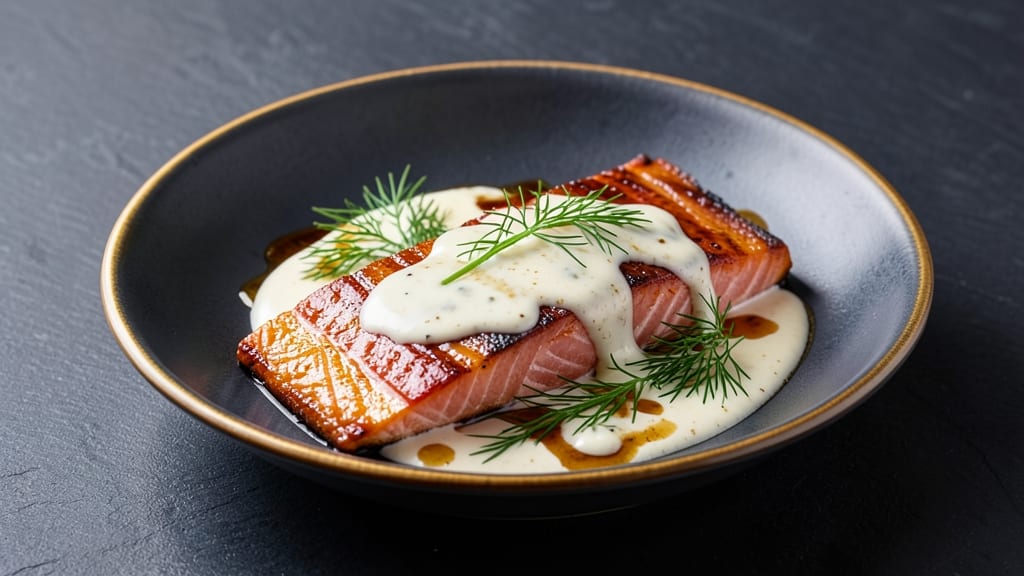
This potted salmon recipe transforms simple ingredients into an elegant, restaurant-worthy dish where tender salmon flakes melt into a velvety dill butter sauce. The slow-cooking process ensures every bite is infused with rich, savory depth—no fancy techniques required.
I first discovered this method while testing recipes for a seafood-focused dinner series, and it quickly became my go-to for special occasions.
The beauty of potted salmon lies in its simplicity: a single pan, minimal prep, and just 30 minutes of active time before letting the flavors develop. The salmon cooks gently in a creamy mustard and dill butter base, absorbing flavors until it practically dissolves into the sauce.
This method works equally well with fresh or frozen salmon, making it incredibly versatile for any kitchen.
What you'll achieve is a dish that looks and tastes like it belongs on a fine-dining menu—golden, creamy, and aromatic. The dill butter sauce clings to each flake of salmon, creating a luxurious texture that's both comforting and sophisticated.
Perfect for serving over buttered noodles or with a fresh green salad, this recipe proves that elegant meals don't require complicated methods.
Traditional sides like roasted asparagus or crusty bread complete the experience, but the salmon truly shines as the star. The recipe scales effortlessly, whether you're cooking for two or hosting a dinner party. Let's get started on creating this timeless classic.
Ingredients for potted salmon
Fresh dill, rich butter, and tender salmon create this luxurious yet simple dish.
| Ingredient | Amount | Notes |
|---|---|---|
| Center-Cut Salmon Fillet 🐟 | 1 ½ lb | Skin-on, boneless, cut into 4 portions |
| Unsalted Butter 🧈 | ¾ cup | Cold, cut into 1-inch cubes |
| Fresh Dill Weeds 🌿 | ½ cup | Finely chopped, stems removed |
| Dijon Mustard 🍯 | 2 tbsp | High-quality, smooth variety |
| Dry White Wine 🍷 | ¼ cup | Sauvignon Blanc preferred |
| Heavy Cream 🥛 | ½ cup | Full-fat for creaminess |
| Shallots 🧅 | 2 whole | Minced, about 2 tbsp |
| Garlic Cloves 🧄 | 2 cloves | Minced, for aromatic base |
| Lemon Zest 🍋 | 1 tbsp | From 1 organic lemon |
| Lemon Juice 🍋 | 1 tbsp | Freshly squeezed |
| Salt 🧂 | 1 tsp | Diamond Crystal preferred |
| Freshly Ground Black Pepper 🌶️ | ½ tsp | Coarse grind preferred |
| Unsalted Breadcrumbs 🍞 | ¼ cup | For topping, panko optional |
The salmon fillet is critical—center-cut ensures even cooking and minimal waste. Wild-caught Alaskan salmon from Trader Joe's or Whole Foods delivers the best texture, but any fresh or thawed frozen fillet works. Look for vibrant color and firm flesh; avoid any with a fishy odor. The butter should be cold when added to create that velvety sauce, so pull it from the fridge 30 minutes before starting. Fresh dill is non-negotiable here—dried lacks the bright, herbal notes that define this recipe. If you can't find fresh, dried dill at one-third the amount is a poor substitute but works in a pinch.
No white wine? Fish stock or extra chicken broth works equally well, though the depth of flavor will differ slightly. The Dijon mustard adds complexity—Maille or Whole Foods brand are excellent choices, but any high-quality smooth Dijon will do. For the shallots, substitute 2 tbsp finely chopped red onion if needed, though shallots provide a more refined flavor. The lemon zest and juice brighten the dish, so don't skip them. If you're using frozen salmon, thaw it in the fridge overnight for best results. The breadcrumbs on top add texture—panko creates extra crunch, but regular breadcrumbs work fine.
This dish reheats beautifully—simply cover with foil and warm in a 350°F oven for 10-15 minutes. The sauce thickens as it cools, so if it seems too thin after cooking, let it sit for 10 minutes before serving. Store leftovers in an airtight container in the fridge for up to 3 days. The flavor actually improves overnight as the salmon absorbs more of the creamy sauce. For a make-ahead option, assemble the dish (without baking) and refrigerate for up to 24 hours before baking, allowing the flavors to meld even more.
Why You'll Love This Recipe
- Two-Ingredient Magic: I swear by this—just salmon, butter, and a splash of wine. That’s it. The butter melts into a glossy, herby blanket while the wine cuts through the richness, making it taste like a restaurant dish without the fuss.
- Dill-Packed Brightness: Between us, fresh dill transforms this from good to ridiculously good. It’s bright, it’s fresh, and it pairs with the creamy butter like it was born to. (Honestly, I’ll eat it straight from the pot if I’m in a hurry.)
- Weeknight to Dinner Party: Same recipe, different vibes. Slather it on toast for a lazy Sunday breakfast or serve it chilled with crackers when unexpected guests show up. The wine in the mix makes it feel fancy without extra effort.
- Leftovers That Don’t Suck: Unlike so many fish dishes, this actually improves the next day. The flavors meld into something deeper, and it’s perfect for quick lunches or last-minute sandwich fillings. (Yes, even on a Tuesday night.)
Step-by-step instructions for potted salmon recipe
Here's how to create a luxurious salmon dish where tender flakes melt into a velvety dill butter sauce.
Prepare the Salmon and Flavor Base
Preheat your oven to 375°F. Pat the 1.5 lb center-cut salmon fillet dry with paper towels—this ensures crispy skin and better flavor absorption. Place the salmon skin-side down in a 9x13-inch baking dish that fits snugly in your oven.
In a small bowl, combine the 2 tbsp Dijon mustard, 1 tbsp lemon zest, 1 tbsp lemon juice, 1 tsp salt, and 0.5 tsp freshly ground black pepper. Spread this mixture evenly over the salmon, coating all surfaces. The acidity from the lemon and mustard will tenderize the fish while adding depth of flavor.
Create the Creamy Dill Butter Sauce
In a medium saucepan, melt the 0.75 cup unsalted butter over medium-low heat. Add the 2 whole minced shallots and 2 cloves minced garlic, cooking for 3-4 minutes until softened but not browned—this prevents bitterness in the sauce. Stir in the 0.5 cup finely chopped fresh dill weeds and cook for another 1 minute to release their aromatic oils.
Pour in the 0.25 cup dry white wine and simmer for 2-3 minutes until the liquid reduces by half. Remove from heat and whisk in the 0.5 cup heavy cream. The sauce should be smooth and silky—this is your creamy base that will later envelop the salmon flakes.
Bake the Salmon to Flaky Perfection
Carefully pour the warm dill butter sauce over the salmon in the baking dish. The sauce should cover about half the salmon's surface—the fish will absorb the rest as it bakes. Sprinkle the 0.25 cup unsalted breadcrumbs evenly over the top, pressing them gently into the sauce. This creates a golden crust while adding texture.
Bake for 15-18 minutes until the salmon flakes easily when tested with a fork and the breadcrumbs turn golden brown. The internal temperature should reach 145°F—the creamy sauce will continue cooking from residual heat. Remove from the oven and let rest for 5 minutes before serving.
Serve with Sauce and Garnish
Using a fish spatula, gently lift the salmon from the baking dish and place it on a serving platter. Spoon the remaining sauce from the dish over the top, allowing it to cascade down the sides. The sauce should be thick enough to cling to the flakes but still silky.
Garnish with additional fresh dill weeds and a final sprinkle of freshly ground black pepper. Serve immediately with crusty bread or steamed vegetables to soak up every last bit of that luxurious dill butter sauce. The contrast of creamy sauce with flaky salmon creates a restaurant-quality dish at home.
Pro Tips For Making Potted Salmon
- Sear First, Then Simmer: Hit the salmon skin-side down in a cold pan—no oil needed—and crank the heat to medium-high until it’s golden and crispy. I used to skip this, and the finished dish always tasted flat; that initial crust locks in flavor and texture. Once browned, pour in the wine and butter to deglaze, then let it reduce before adding the rest.
- Use Cold Butter: Chill the unsalted butter before mixing it with mustard and dill—this keeps the sauce from separating when it hits the hot salmon. I learned this the hard way after watching my first batch curdle into a greasy mess. Just let the butter sit in the fridge for 10 minutes before combining.
- Don’t Overcrowd the Dill: Roughly chop the fresh dill and sprinkle it lightly over the salmon—you can always add more at the end. Too much upfront makes the dish taste soapy, and no one wants that. A handful (about 2 tablespoons) is plenty; save the rest for garnish.
- Reduce Wine to Syrup: Let the white wine simmer until it’s thick enough to coat the back of a spoon—this cuts through the richness of the butter and adds depth. I was lazy once and just poured it in, and the sauce ended up watery. Patience here makes a real difference.
Pro cooking tips for potted salmon
Temperature Control
Salmon cooks best at a gentle 375°F—any hotter risks drying out the delicate flesh while the creamy sauce needs time to meld. I use an oven thermometer to confirm accuracy, especially if your oven runs hot or cold.
For even cooking, place the salmon on the middle rack where heat circulates evenly. 🌡️
Butter Consistency
The key to that velvety sauce lies in using cold butter cubes that melt gradually during baking. If your butter melts too quickly, the sauce may separate. I recommend Plugrá butter for its rich flavor and high fat content—it creates a silkier texture than store brands.
Add the butter to the saucepan over medium-low heat and never let it brown.
Dill Integration
Fresh dill needs gentle handling—chop it finely and add it to the butter mixture just before removing from heat. This preserves its bright, herbal aroma rather than cooking it into oblivion.
I pulse the dill in a food processor for 3-4 seconds before measuring to ensure even distribution. For extra flavor, reserve 1 tbsp chopped dill for garnishing before serving.
Breadcrumbs Secret
Don't just sprinkle breadcrumbs on top—they need to be pressed gently into the sauce to create that perfect golden crust. I use a small spoon to spread them evenly, then tap the baking dish lightly on the counter to help them adhere.
For extra crunch, toast panko breadcrumbs in a dry pan for 2 minutes before adding them to the salmon.
Resting Time
Letting the salmon rest for 5 minutes after baking prevents the flakes from falling apart when serving. This also allows the sauce to thicken slightly as it cools.
I cover the dish loosely with foil during resting to retain heat without trapping steam. The final internal temperature should reach 145°F—use a meat thermometer for accuracy.
Sauce Rescue
If your sauce separates during baking (a common issue with dairy), whisk in 1 tsp cornstarch mixed with 1 tbsp cold water to restore smoothness. For extra richness, add 1 tbsp crème fraîche at the end—it adds a tangy depth that complements the dill beautifully. 💡
Nutrition facts
Frequently asked questions
Can I use frozen salmon for this potted salmon recipe?
Yes, but thaw it properly first! Place frozen salmon in the refrigerator overnight for even cooking. Never thaw at room temperature as it can promote bacterial growth. For best results, use wild-caught salmon with firm texture and no fishy odor. The recipe works equally well with fresh or properly thawed frozen fillets.
What's the best way to store leftovers?
Transfer leftovers to an airtight container and refrigerate for up to 3 days. The flavors actually improve as the salmon absorbs more sauce. Reheat gently in a 350°F oven for 10-15 minutes covered with foil. For longer storage, freeze for up to 1 month—thaw overnight in the fridge before reheating.
Can I make this recipe without wine?
Substitute the 0.25 cup white wine with 0.25 cup fish stock or dry vermouth for similar depth. For a non-alcoholic version, use extra heavy cream or chicken broth. The wine adds complexity, but these alternatives work well in a pinch. The mustard and dill will still provide plenty of flavor.
Why did my salmon turn rubbery?
Overcooking is the most common cause. Salmon should reach 145°F internally and flake easily with a fork. Check doneness at 12-15 minutes—don't wait for the breadcrumbs to brown completely. Also ensure your oven is properly calibrated. A meat thermometer prevents guesswork and ensures perfect texture every time.
What are good side dishes to serve with this?
This creamy salmon pairs beautifully with light, fresh sides. Try roasted asparagus with lemon zest, buttery mashed potatoes, or a crisp green salad with vinaigrette. For extra indulgence, serve with crusty baguette slices to soak up the dill butter sauce. The contrast of textures makes each bite more satisfying.