
Sauces & Condiments
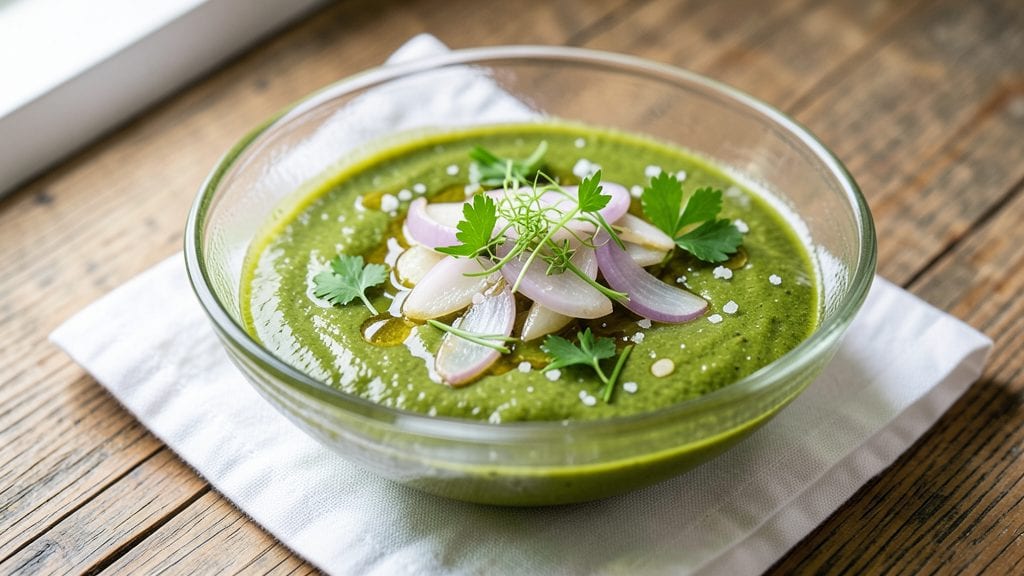
This ravigote sauce recipe transforms simple ingredients into a vibrant, herb-packed sauce that elevates everything from grilled fish to fresh salads. The balance of fresh herbs, tangy vinegar, and smooth oil creates a bright, refreshing flavor profile that’s both classic and versatile.
I developed this version after years of testing—it’s the one that finally delivers that perfect harmony of acidity and freshness without overpowering the dish.
The secret lies in the right proportions: equal parts fresh herbs, a touch of Dijon mustard for depth, and a splash of white wine vinegar for brightness. Unlike many herb sauces, this one doesn’t rely on heavy cream or butter, making it light yet rich.
The key is chopping the herbs finely and letting the sauce sit for at least 30 minutes before serving—this allows the flavors to meld and intensify, creating a sauce that’s far more complex than it appears.
What you’ll end up with is a sauce that’s bright, herby, and impossibly fresh, perfect for drizzling over grilled fish, tossing with salads, or serving as a dip for crusty bread.
The texture is silky-smooth yet retains just enough bite from the herbs to keep it interesting. This isn’t just a condiment—it’s a flavor enhancer that turns ordinary meals into something special.
Best of all, it keeps well in the refrigerator for up to a week, so you can make a batch ahead and have it ready whenever inspiration—or hunger—strikes. Let’s get started on this foolproof, restaurant-quality sauce that’s easier to make than you’d think.
Ingredients for ravigote sauce
Herb lovers, this is your game-changer: bright, tangy, and packed with flavor.
| Ingredient | Amount | Notes |
|---|---|---|
| Fresh Tarragon Leaves 🌿 | ½ cup | Finely chopped, vibrant green |
| Fresh Chervil Leaves 🌿 | ¼ cup | Finely chopped, delicate flavor |
| Fresh Parsley Leaves 🌿 | ¼ cup | Flat-leaf preferred, finely chopped |
| Shallots 🧅 | 2 whole | Finely minced, 2 tbsp total |
| Extra-Virgin Olive Oil 🫒 | 1 cup | High-quality, fruity variety |
| White Wine Vinegar 🍷 | ¼ cup | Dry, crisp vinegar preferred |
| Dijon Mustard 🍯 | 1 tbsp | Smooth, not coarse |
| Salt 🧂 | ½ tsp | Fine sea salt, adjust to taste |
| Black Pepper 🌶️ | ¼ tsp | Freshly cracked, light hand |
| Ice Water 💧 | ¼ cup | Chilled, for thinning |
The herbs are non-negotiable—tarragon and chervil give that signature French vibe, but if you can't find chervil, extra parsley at double the amount works in a pinch. Whole Foods or local farmers markets usually have the best selection. Look for leaves that are vibrant green and crisp—no wilted or yellowing stems. Shallots add sweetness, but green onions in a pinch (white and green parts separated) give a similar zing. The olive oil? Don't skimp—this is where the richness comes from. A good California extra-virgin or Spanish picual will elevate everything.
No tarragon? Substitute basil at half the amount—it won’t be identical, but it’ll still taste amazing. Short on chervil? Dill or cilantro can step in, but reduce to one-quarter the amount since they’re more intense. The white wine vinegar is key for brightness—apple cider vinegar in a bind, but it’ll taste slightly sweeter. Dijon mustard adds depth, but yellow mustard at half the amount works if that’s what you’ve got. The ice water is crucial for thinning—don’t skip it or the sauce will be too thick. Pro tip: Make a double batch—this sauce keeps like a dream.
This sauce is a flavor powerhouse, but it’s also a make-ahead dream. Store it in a glass jar with a tight seal in the fridge for up to 1 week. The flavors actually intensify over time, so it tastes even better the next day. For longer storage, freeze in ice cube trays—thaw overnight in the fridge and give it a quick whisk. Perfect for drizzling, dipping, or tossing—just give it a stir before using. Trust me, you’ll reach for this over store-bought every time.
Why You'll Love This Recipe
- I make this for everything: a quick bowl of pasta, grilled fish, or even slathered on crusty bread. It’s the kind of sauce that works just as well for a lazy Tuesday as it does for impressing guests—no one will guess it took less than 10 minutes.
- No-Chop Nightmare: I swear by this sauce because it’s the only time I let myself skip chopping herbs—just tear those leaves right off the stems. The shallots add a sweet, mellow bite that balances the bright herbs, and honestly? That’s my kind of effortless.
- Herb Magic Unlocked: Tarragon, chervil, and parsley might sound fancy, but together they’re like a flavor hug—earthy, bright, and just a little peppery. Drizzle in good olive oil, and suddenly you’ve got a sauce that tastes like a French bistro’s secret weapon.
- Weeknight to Dinner Party: I make this for everything: a quick bowl of pasta, grilled fish, or even slathered on crusty bread. It’s the kind of sauce that works just as well for a lazy Tuesday as it does for impressing guests—no one will guess it took less than 10 minutes.
Step-by-step instructions for herb-infused fresh sauce
This bright, herb-packed sauce comes together in minutes with simple techniques.
Finely Chop the Fresh Herbs
Start by combining the 0.5 cup fresh tarragon leaves, 0.25 cup fresh chervil leaves, and 0.25 cup fresh parsley leaves in a food processor or sharp knife. I like to pulse them briefly—just until they're finely chopped but not paste-like. You want to preserve their vibrant color and delicate textures. If using a knife, stack the leaves and chop in small batches for even results.
Transfer the chopped herbs to a medium bowl. Here's the thing—don't skip this prep step. Fresh herbs lose their potency when over-processed, so keep the chopping quick and efficient. The goal is a uniform texture that will blend seamlessly into the sauce without any visible chunks.
Mince the Shallots and Whisk with Vinegar
Peel and finely mince the 2 whole shallots—you should end up with about 2 tablespoons of minced shallots. I use a sharp chef's knife and cut them as small as possible, almost like a fine confit. Add these to the bowl with the herbs.
In a separate small bowl, whisk together the 0.25 cup white wine vinegar, 1 tablespoon Dijon mustard, 0.5 teaspoon salt, and 0.25 teaspoon black pepper. This acidic base will brighten the flavors and help emulsify the sauce later. Let it sit for 5 minutes while you prepare the next step—this gives the vinegar time to mellow slightly and blend with the mustard.
Gradually Emulsify with Olive Oil
With a wooden spoon or small whisk, gently combine the herb mixture with the vinegar mixture in the bowl. You'll see a thick, herby paste form. Now for the critical part: slowly drizzle in the 1 cup extra-virgin olive oil while whisking continuously. This gradual addition prevents the sauce from breaking and ensures a smooth, velvety texture.
Keep whisking vigorously for 2-3 minutes until the sauce thickens noticeably. You're looking for a consistency that coats the back of a spoon but still flows easily. If it looks too thick, add 1 tablespoon at a time of the ice water to thin it to your preferred consistency. The ice water helps stabilize the emulsion without diluting the flavors.
Taste and Adjust Seasoning
Transfer the sauce to a serving bowl and let it sit for 10 minutes at room temperature. This resting period allows the flavors to meld and the sauce to reach its full potential. Taste it carefully—you should notice the bright acidity of the vinegar balanced by the rich olive oil and delicate herbs.
Adjust the seasoning if needed: add a pinch more salt if it tastes flat, or a splash of vinegar if it needs more acidity. The sauce should be vibrant, herby, and perfectly balanced. Real talk—this is where most home cooks make their first mistake by over-salting or rushing the seasoning. Take your time here, and you'll have a sauce that shines.
Pro Tips For Making Ravigote Sauce
- Mince Shallots Fine: I learned this the hard way—chunky shallots scream "amateur." Use a sharp knife and chop them into a paste so fine it’s almost invisible. This sauce is all about brightness, and tiny shallots dissolve into silkiness instead of leaving gritty surprises.
- Pulse Herbs Twice: Don’t just eyeball the herb measurements—pulse tarragon, chervil, and parsley separately in a food processor first, then combine. This keeps their delicate flavors distinct while ensuring even distribution. Overworking them turns them to mush, so stop before they look like pesto.
- Sweat Shallots Slow: Low heat is your friend here. If you rush the shallots, they’ll caramelize unevenly or even burn before softening. Cook them gently in olive oil for 5–7 minutes until translucent but still pale—this builds flavor without bitterness.
- Finish with Cold Oil: Sounds weird, but it works: let the herb-shallot mix cool slightly, then drizzle in the final olive oil while stirring vigorously. The cold oil cools the sauce instantly, preserving the herbs’ vibrant color and stopping them from wilting into a sad, limp pile.
Serving suggestions for this ravigote sauce
Seafood Showstopper
This sauce was born for seafood—drizzle it over grilled shrimp skewers or seared scallops for an instant flavor upgrade. The bright herbs and tangy vinegar cut through the richness of fish perfectly.
For shrimp, I like to toss them in the sauce for 10 minutes before grilling, letting the flavors marry. With scallops, a generous spoonful right after searing adds that restaurant-quality finish. 🍤
Salad Brightener
Toss mixed greens with sliced pear or apple, toasted walnuts, and a drizzle of this sauce for a refreshing salad that feels gourmet. The acidity balances the sweetness of the fruit while the herbs add depth.
I often add a sprinkle of crumbled goat cheese for extra richness. For a lighter option, swap the cheese for toasted pumpkin seeds—they add crunch without heaviness.
Bread Dip Extraordinaire
Serve this sauce in a small bowl with crusty baguette slices or garlic bread for an easy, elegant appetizer. The texture is perfect for dipping—thick enough to cling but light enough to not overwhelm.
For a fun twist, arrange the bread on a platter with cherry tomatoes and olives for a Mediterranean-inspired spread. The sauce also works beautifully with pita chips or freshly baked naan.
Pasta Perfection
Stir linguine or spaghetti into this sauce after cooking for a quick, herby pasta dish. The olive oil coats the strands beautifully, while the vinegar keeps the sauce from being too heavy.
Add grilled chicken or white beans for extra protein. For a vegetarian option, toss in sun-dried tomatoes and artichoke hearts—they soak up the sauce and add texture. 🍝
Vegetable Elevator
Drizzle over steamed asparagus, grilled zucchini, or roasted Brussels sprouts to turn simple veggies into a standout side. The acidity brightens the natural sweetness of the vegetables, while the herbs add complexity.
I love serving this with charred corn on the cob—just cut the kernels off and toss them in the sauce. For extra flair, sprinkle with toasted sesame seeds or crumbled feta.
Cocktail Companion
Use this sauce as a rim garnish for cocktails like gin and tonics or white wine spritzers. Brush a thin layer on the rim of a chilled glass, then dip it in crushed ice for a herby, tangy kick.
It also makes a fantastic dipping sauce for oysters on the half shell—just a spoonful on the side lets guests customize their flavor. Pair with a crisp Sauvignon Blanc for the ultimate sipping experience. 🍹
Nutrition facts
Frequently asked questions
Can I make this sauce without a food processor?
While a food processor makes quick work of chopping the herbs, you can achieve the same texture with a sharp knife. Stack the herb leaves and chop them in small batches until finely minced. The key is to keep the pieces uniform so they blend smoothly into the sauce. Just be patient—it takes a little extra time but yields the same delicious results.
How do I fix a broken or separated sauce?
If your sauce separates, simply whisk in 1 tablespoon of ice water at a time until it re-emulsifies. The cold water helps stabilize the oil and vinegar mixture without diluting the flavor. If it's still too thick, add a tiny bit more water gradually. For prevention, always whisk vigorously when combining the oil and never rush the process.
What's the best way to store leftover sauce?
Transfer the sauce to an airtight glass container and refrigerate for up to 1 week. The flavors actually improve over time! For longer storage, freeze in ice cube trays, then transfer to a freezer bag. Thaw overnight in the fridge and give it a quick whisk before using. The texture may thicken slightly after freezing, so add a splash of water if needed.
Can I substitute any of the herbs?
Yes, but with caution. Tarragon is essential for that classic flavor, but you can substitute basil at half the amount if needed. Chervil is harder to replace—try extra parsley or dill at one-quarter the amount since they're more potent. The parsley is versatile, so don't worry if you can't find all three herbs. The key is maintaining the balance of fresh, bright flavors.
Why does my sauce taste too strong or bitter?
Over-chopping herbs releases bitter compounds, so chop them just until finely minced—not pulverized. If using older herbs (wilted or yellowing), they'll taste bitter. Always use fresh, vibrant herbs and taste as you go. The vinegar and mustard should balance the herbs, but if it's still too strong, dilute with 1 teaspoon of olive oil or a splash of water.