
Side Dishes
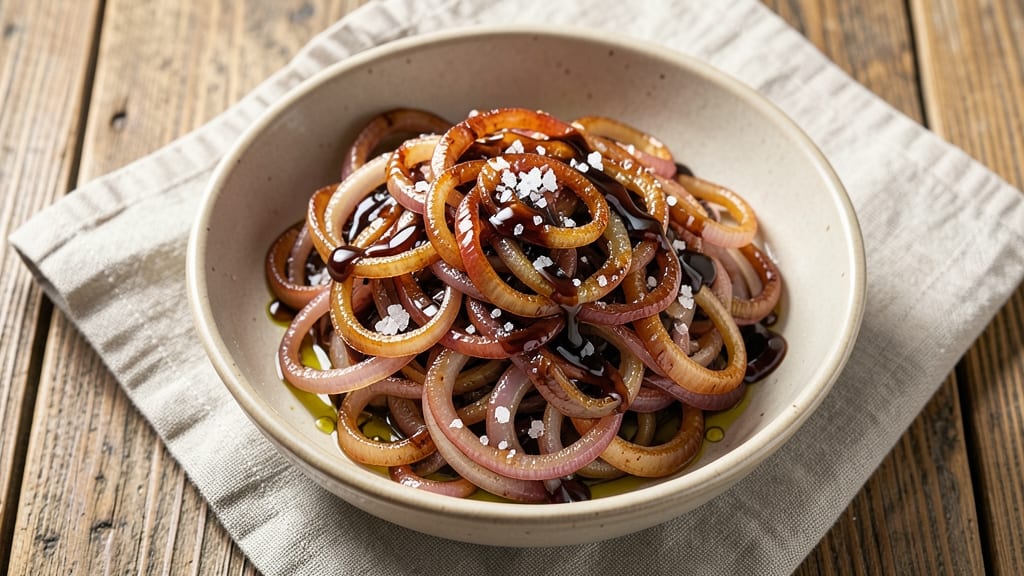
Transforming sharp red onions into sweet, caramelized perfection in just 15 minutes is a game-changer for any meal. Standing on a step stool in my grandmother’s Sicilian kitchen, I learned how slow cooking could turn bitterness into something irresistible—now I’ve adapted that technique for your weeknight table.
The key lies in patience and heat control, which unlocks their natural sugars while keeping the texture tender yet crisp at the edges.
This recipe delivers a complete side dish that pairs beautifully with grilled meats, roasted chicken, or even as a topping for burgers and tacos.
You’ll need just five simple ingredients—red onions, olive oil, a touch of sugar, salt, and a splash of balsamic vinegar—plus a foolproof 15-minute method that requires minimal prep. The result? A dish so flavorful it steals the show without overshadowing your main course.
Imagine the moment you slice into those deep amber onions, releasing an aroma that’s equal parts sweet and savory. The caramelization turns their sharp bite into a velvety, almost jam-like texture, while the balsamic adds a bright tang that cuts through richness.
This isn’t just a side—it’s a restaurant-worthy centerpiece that takes minutes to prepare but feels like hours of effort.
Perfect for meal prep, holiday tables, or a quick weeknight upgrade, these caramelized onions keep well in the fridge for up to five days.
Pair them with crusty bread to soak up every last drop of that golden, syrupy goodness, or serve alongside steak for a flavor boost that’ll have everyone asking for seconds. Let’s get cooking!
Ingredients for red onion
Five simple ingredients transform sharp red onions into restaurant-quality sweetness in minutes.
| Ingredient | Amount | Notes |
|---|---|---|
| Red Onions 🧅 | 2 large | Sliced into 1/4-inch thick rings |
| Extra-Virgin Olive Oil 🫒 | ¼ cup | High-quality, fruity variety |
| Granulated Sugar 🍯 | 2 tbsp | Light brown sugar works too |
| Diamond Crystal Kosher Salt 🧂 | ½ tsp | Adjust to taste |
| Balsamic Vinegar 🍷 | 1 tbsp | Aged 12 months minimum |
Red onions are the secret weapon here. Look for vibrant, firm bulbs at the grocery store—avoid any with soft spots or sprouting. I always grab mine from the produce section at Whole Foods or my local farmers' market, where they're fresher. The key is slicing them evenly—1/4-inch rings caramelize perfectly without burning. If you can't find red onions, yellow or white work in a pinch, but they won't have that same sweet depth. For the best flavor, use onions that are fresh but not too green—the green part is tougher and doesn't caramelize as nicely.
No extra-virgin olive oil? Light olive oil or vegetable oil works, but you'll lose some of that fruity depth. Sugar substitutes? Honey or maple syrup at half the amount adds moisture but changes the texture slightly. The balsamic vinegar is non-negotiable for that tangy finish—aged 12+ months gives the best flavor. Short on time? Substitute with 1 tsp red wine vinegar, though it won't be as complex. The salt is where you can get creative: Sea salt, kosher salt, or even smoked paprika for a different twist. Just remember, the sugar and salt are what unlock those natural sweetness—don't skip them!
These caramelized onions keep beautifully in the fridge for up to 5 days—perfect for meal prep. Store them in an airtight container with a splash of olive oil to keep them moist. They reheat perfectly in a skillet or microwave, though they're best at room temperature. For longer storage, freeze them in single-serving portions—they'll last up to 3 months. The syrup they create is magical—save some to drizzle over salads, steaks, or even scrambled eggs. Trust me, you'll want to make extra.
Why You'll Love This Recipe
- Five-Ingredient Magic: I swear by this—just onions, oil, sugar, salt, and vinegar. That’s it. No fancy prep, no hidden steps. You caramelize the onions low and slow until they’re sticky-sweet, then finish with a splash of balsamic that turns everything golden and irresistible. Honestly, it’s the kind of recipe that makes me feel like I’ve outsmarted cooking.
- Sweet-Savory Obsession: The balance here is chef’s kiss—crispy edges, jammy centers, and that tangy-sweet balsamic kick. The sugar and salt work together to melt the onion’s sharpness into something rich and almost dessert-like. Between us, I’ve caught myself sneaking bites straight from the pan.
- Every Meal’s Secret Weapon: This is my pantry’s MVP. Use it as a topping for burgers, a quick pizza sauce, or a fancy garnish for steak night. It’s even great cold in sandwiches or on charcuterie boards. I’ll be real: my grocery list always includes extra onions just for this.
- Zero-Waste, Zero-Guilt: A single onion lasts forever—store the leftovers in the fridge for days, or freeze them for later. And since it’s just a few cheap ingredients, you’re not breaking the bank. Plus, the process is so hands-off that I often make a big batch on Sundays and forget it’s even there until Tuesday.
Step-by-step instructions for caramelized red onions
Here's how to transform sharp red onions into sweet, velvety caramelized rings in record time.
Prepare the Onions for Even Cooking
Peel the 2 large red onions and slice them into ¼-inch thick rings. I use a sharp chef's knife for this—keep your cuts uniform so they cook at the same rate. Place the sliced onions in a large bowl and immediately toss them with the 0.25 cup extra-virgin olive oil and 2 tablespoons granulated sugar. The sugar will help draw out moisture and create that signature caramelization.
Let the onions sit for 10 minutes while you prepare your pan. This gives the sugar time to begin breaking down the onion's natural sharpness. You'll notice the onions start to soften slightly and release a bit of liquid—this is normal and actually helps the caramelization process along.
Cook Over Medium-Low Heat
Heat a large, heavy-bottomed skillet over medium-low heat. I prefer stainless steel or cast iron for even heat distribution. Add the onion mixture in a single layer, spreading them out so they don't overlap. If you're working with all the onions at once, you might need to cook in batches—overcrowding steams instead of caramelizes.
Let the onions cook undisturbed for 5 minutes. You'll see the edges start to soften and the sugar begin to dissolve. Here's the thing—don't rush this step. If you crank the heat too high, the onions will burn before they properly caramelize. You're looking for gentle bubbling and the occasional sizzle, not aggressive smoking.
Stir and Develop the Sweetness
After those initial 5 minutes, gently stir the onions with a wooden spoon, scraping up any browned bits from the bottom of the pan. These bits are packed with flavor—don't let them go to waste. Continue cooking for another 5 minutes, stirring every 2-3 minutes to ensure even cooking.
You'll notice the onions begin to release more liquid and the mixture starts to take on a glossy appearance. This is the sugar working its magic, breaking down the onion's natural compounds into sweet, caramelized flavors. The onions should be soft enough to pierce easily with a fork but still hold their shape.
Finish with Balsamic Vinegar
Once the onions are tender and have developed a deep golden color, reduce the heat to low and add the 1 tablespoon aged balsamic vinegar. Stir gently and let the mixture simmer for 2-3 minutes. The vinegar will mellow out any remaining sharpness and add a tangy depth to the sweetness.
Taste and adjust the seasoning with the ½ teaspoon diamond crystal kosher salt. You might need a bit more or less depending on your vinegar's acidity. The final mixture should be sweet, tangy, and perfectly balanced. If the onions seem dry, add a splash of water or the reserved onion liquid from the pan to loosen them up.
Rest and Serve
Remove the skillet from heat and let the onions rest for 5 minutes. This resting period allows the flavors to meld together and the onions to absorb any remaining liquid. The mixture will thicken slightly as it cools, which is exactly what you want for that perfect caramelized texture.
Serve immediately as a topping for burgers, sandwiches, or grilled meats, or let them cool slightly before using as a filling for croissants or tacos. The onions should be sweet, soft, and deeply caramelized with a glossy sheen. If you've followed these steps, you'll have a batch of restaurant-quality caramelized onions that'll impress anyone who tastes them.
Pro Tips For Making Red Onion
- Slice Thin, Not Perfect: Grab a sharp knife and cut the onions paper-thin—about 1/16-inch slices. I used to fuss over even slices, but they caramelize faster and more evenly this way. If you’re impatient like me, use a mandoline for speed, but keep your fingers clear.
- Salt Before Sugar: Sprinkle kosher salt over the onions first, then add sugar. The salt draws out moisture, helping the sugar cling and caramelize better. Skip this, and you’ll end up with a sticky mess that won’t brown properly.
- Low and Slow Wins: After the initial sear, drop the heat to medium-low and let them cook uncovered for 20-30 minutes. Rushing it turns them mushy; patience gives you deep, jammy sweetness. I learned this after burning three batches—yes, really.
- Deglaze with Vinegar Last: Save the balsamic vinegar for the final 2-3 minutes. Adding it too early cooks off its bright acidity, leaving you with flat, one-dimensional flavor. A splash at the end brightens everything up instantly.
Serving suggestions for red onion
Burger Topping
These caramelized onions are a game-changer for burgers—think of them as the sweet, jammy crown that ties everything together. I like to pile them high on grilled beef patties alongside crisp bacon and melted cheddar. For extra decadence, add a dollop of blue cheese dressing to cut through the richness.
The onions caramelize beautifully with the burger's juices, creating a sticky, flavorful sauce. Serve on a toasted brioche bun for that perfect crunch-sweet contrast. 🍔
Steak Sidekick
Caramelized onions elevate steak from good to unforgettable. Spread them over a medium-rare ribeye or filet mignon before serving, or serve them on the side with a drizzle of balsamic reduction. The sweetness balances the steak's richness, while the onions' texture adds a pleasant contrast.
I often pair them with garlic mashed potatoes and roasted asparagus for a complete meal. For a restaurant-style touch, sprinkle with fresh thyme before serving. 🥩
Taco Filling
Transform tacos into a fiesta of flavors with these onions as a topping. Warm corn tortillas and fill them with seasoned ground beef, shredded lettuce, and your favorite toppings. The caramelized onions add a surprising sweetness that pairs perfectly with sour cream, guacamole, and crumbled queso fresco.
For a vegetarian twist, use black beans and sautéed bell peppers. The onions' jam-like texture makes every bite irresistible. 🌮
Pasta Pairing
Stir these onions into creamy pasta dishes like fettuccine alfredo or pasta primavera for an instant flavor boost. Their sweetness complements the richness of the sauce, while their texture adds a delightful contrast.
I also love tossing them with penne pasta, cherry tomatoes, and mozzarella pearls for a summery salad. For extra depth, add a splash of white wine to the pasta sauce before mixing in the onions. 🍝
Bread Dipping Sauce
Spread these caramelized onions on a slice of crusty sourdough or focaccia for an open-faced sandwich that’s pure indulgence. The onions’ sweetness pairs perfectly with the bread’s crunch, while the balsamic adds a tangy kick.
For a heartier option, layer them with provolone cheese and prosciutto before broiling until golden. This is my go-to appetizer when I want something impressive but easy. 🥖
Meal Prep Magic
These onions keep beautifully for up to 5 days in the fridge, making them perfect for meal prep. Store them in an airtight container with a splash of olive oil to keep them moist.
Use them as a topping for breakfast burritos, grilled cheese sandwiches, or even pizza. For a quick lunch, toss them with rotisserie chicken, mixed greens, and a drizzle of ranch dressing. The versatility is what makes them a pantry staple. ⏰
Nutrition facts
Frequently asked questions
Why do red onions turn sweet when caramelized?
Caramelizing red onions unlocks their natural sugars through slow cooking. The heat breaks down the onion's cell walls, releasing fructose and glucose that transform into sweet, golden compounds. This process also softens their sharp bite, creating that irresistible jam-like texture. The sugar in the recipe accelerates this reaction, making it happen in just 15 minutes!
Can I make these without sugar?
Yes, but the onions won't caramelize as deeply. The sugar helps draw out moisture and kickstart the browning process. For a sugar-free version, use 1 tablespoon honey or maple syrup instead—it'll add moisture but alter the texture slightly. The balsamic vinegar's acidity will still help balance any sharpness.
What's the best way to store leftover caramelized onions?
Store them in an airtight container with a splash of olive oil to preserve moisture. They'll keep in the fridge for 5 days or freeze for 3 months. Reheat gently in a skillet with a little water to restore their glossy texture. The syrup they create is perfect for drizzling over other dishes too!
Can I use yellow or white onions instead?
Yellow or white onions work, but they lack red onions' natural sweetness and vibrant color. For best results, stick with red onions—their thin skins and mild sharpness caramelize more evenly. If you must substitute, choose the mildest yellow onion variety and increase the sugar to 3 tablespoons for deeper flavor.
How do I prevent my onions from burning?
Keep the heat medium-low and never rush the cooking process. Stirring every 2-3 minutes ensures even browning. A heavy-bottomed pan (like cast iron) distributes heat better than nonstick. If they start to darken too quickly, reduce heat immediately and cover the pan for 1 minute to steam them gently.