
Main Courses
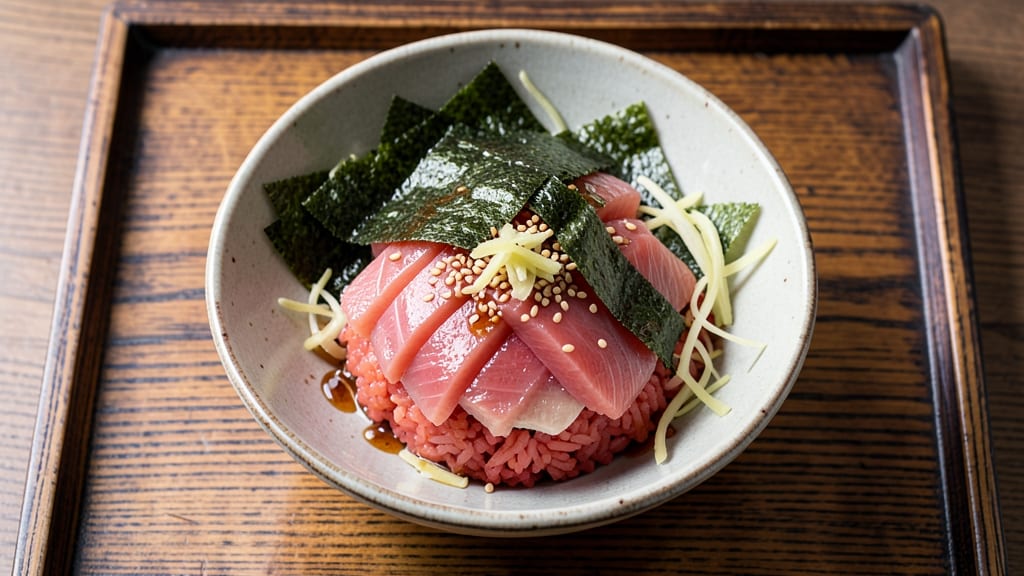
This red snapper sushi recipe delivers delicate, citrus-marinated fish with a crisp sear that transforms a simple meal into something extraordinary. The secret lies in balancing tender snapper with bright, tangy flavors while maintaining the precision of traditional sushi techniques.
After perfecting this dish for seafood lovers who crave both authenticity and approachability, I’ve found the ideal method—one that respects sushi fundamentals while accommodating home cooks.
The process begins with perfectly seasoned sushi rice, sticky yet firm, paired with red snapper marinated in citrus and lightly seared for just 2 minutes per side. This ensures the fish remains tender while developing a subtle crispness that contrasts beautifully with the soft rice and nori.
The assembly technique—rolling or pressing into nigiri—is straightforward once you master the basic hand motions, and the final presentation elevates even a weeknight dinner to restaurant-quality.
What makes this recipe stand out is the harmony of textures: the snapper’s delicate flakiness against the chewy rice, the crisp nori wrapping, and the bright citrus marinade that cuts through the richness.
Every bite offers a balance of flavors and textures that feels both refined and satisfying, proving that sushi doesn’t require a Michelin-starred kitchen to shine. The result is a dish that’s as impressive as it is delicious, perfect for impressing guests or treating yourself.
Whether you’re assembling maki rolls or crafting nigiri, this method ensures professional results without the complexity. The key is confidence—once you’ve prepared the components, the assembly becomes intuitive.
For those new to sushi, I’ll guide you through each step, from seasoning the rice to achieving that perfect sear on the snapper, so you can create a dish that feels like a true culinary achievement.
Ingredients for red snapper sushi
Bright citrus, crisp sear, and perfectly sticky rice—this is your sushi game-changer.
| Ingredient | Amount | Notes |
|---|---|---|
| Red Snapper Fillets 🐟 | 1 ½ lb | Skin-on, center-cut preferred |
| Sushi Rice 🍚 | 2 ½ cups | Cooked, seasoned with rice vinegar |
| Nori Sheets 🍣 | 8 whole | High-quality, slightly toasted |
| Fresh Yuzu Juice 🍋 | ¼ cup | Or substitute lime juice |
| Fresh Ginger 🧄 | 1 tbsp | Finely grated, organic preferred |
| Sesame Seeds 🌾 | 1 tbsp | White or black, toasted |
| Extra-Virgin Olive Oil 🫒 | 1 tbsp | Light, fruity variety |
| Diamond Crystal Kosher Salt 🧂 | ½ tsp | Fine grain preferred |
| Fresh Cilantro 🌿 | ¼ cup | Chopped, for garnish |
| Rice Vinegar 🍶 | 2 tbsp | Seasoned with sugar |
| Soy Sauce 🥢 | 2 tbsp | For serving, low-sodium |
| Wasabi Paste 🌶️ | 1 tsp | Adjust to taste |
| Avocado 🥑 | ½ whole | Ripe, sliced for maki |
| Pickled Ginger 🍠 | ¼ cup | Thinly sliced, for serving |
The snapper makes or breaks this dish. Look for center-cut fillets with skin intact—they hold together better during searing. Whole Foods or high-end seafood markets often carry the freshest, but don’t overlook your local fishmonger. If you can’t find yuzu, lime juice with a splash of orange juice works in a pinch. The rice should be seasoned just right—sticky but not gluey. Use seasoned rice vinegar and let it cool completely before assembling. Fresh ginger is non-negotiable here—it brightens the citrus marinade and balances the fish’s richness. I always grab organic ginger from Trader Joe’s or the produce section at Whole Foods.
No nori sheets? Dried seaweed flakes work in a bind, but they won’t hold rolls together like proper nori. The avocado can be swapped for cucumber if you prefer, but ripe Hass avocados add a creamy luxury. Short on sesame seeds? Toasted black sesame seeds add a deeper flavor, but white sesame is classic. The soy sauce should be low-sodium—you’ll want to drizzle it generously. For the wasabi, freshly grated is ideal, but the paste is convenient. If you’re making nigiri, use a bamboo mat to shape the rice—it’s a game-changer for beginners.
Marinate the snapper for no longer than 30 minutes—any longer and the citrus will start to cook the fish. Keep the nori sheets in a dry, cool place for up to 6 months, but once opened, use them within a week. The sushi rice can be made a day ahead and stored in the fridge, covered tightly. Reheat gently in a steamer before assembling. Leftover snapper? Slice thinly and serve over a salad—it’s still delicious cold. The citrus marinade keeps for 2 days in the fridge, but fresh is always better.
Why You'll Love This Recipe
- Same prep, different vibes: roll it for a lazy Tuesday, or arrange it on a platter for guests. The snapper’s delicate texture holds up beautifully, so you’re not stuck with soggy leftovers.
- Foolproof Assembly: The snapper fillets stay together like magic—no overstuffed rolls here. Just a quick press, a slice, and you’ve got restaurant-worthy pieces without the fuss of sushi math.
- Zesty Brightness: That yuzu juice and ginger? It’s the secret weapon—cuts through the richness of the snapper while keeping it light. Honestly, the first bite makes me want to skip dessert.
- Weeknight to Party: Same prep, different vibes: roll it for a lazy Tuesday, or arrange it on a platter for guests. The snapper’s delicate texture holds up beautifully, so you’re not stuck with soggy leftovers.
Step-by-step instructions for red snapper sushi
Here's how to create delicate, citrus-kissed snapper maki with perfect texture and balance.
Prepare the Citrus Marinade for Snapper
In a small bowl, whisk together the 0.25 cup fresh yuzu juice, 1 tbsp finely grated fresh ginger, and 0.5 tsp diamond crystal kosher salt. This bright marinade tenderizes the fish while adding delicate citrus notes that complement the sushi rice. Let the mixture sit for 5 minutes to allow the ginger to release its aromatic oils fully.
While the marinade rests, gently pat the 1.5 lb red snapper fillets dry with paper towels—this ensures maximum crispness when searing. Place the fillets in a shallow dish and pour the marinade evenly over both sides. Let them marinate for 15 minutes at room temperature. The acid in the yuzu juice will gently cook the outer layer of the fish, creating that signature crispness we're after.
Assemble the Sushi Rice and Prepare Nori
Using the 2.5 cups cooked sushi rice (already seasoned with rice vinegar), spread an even layer about ¼ inch thick on each of the 8 whole nori sheets. I like to use a bamboo sushi mat to help shape the rice evenly—press gently but firmly to create a smooth base. Leave about ½ inch of bare nori uncovered at the top and bottom for sealing later.
For the snapper preparation, heat a nonstick skillet over medium-high heat and add 1 tbsp extra-virgin olive oil. Once the oil shimmers, add the marinated snapper fillets, skin-side down. Cook for 2-3 minutes until the edges turn opaque and the skin releases easily from the pan. Flip carefully and cook for another 1-2 minutes until just opaque in the center—overcooking will make the fish dry. Remove from heat and let rest for 3 minutes before slicing into ¼-inch thick strips.
Roll the Maki with Avocado and Snapper
Place ¼ cup sliced avocado (about ¼ of the 0.5 whole avocado) near the bottom edge of each rice-covered nori sheet. Add 2-3 strips of seared snapper on top of the avocado, arranging them horizontally. Sprinkle lightly with 1 tsp wasabi paste (adjust to taste) and 1 tbsp toasted sesame seeds for added texture and flavor.
Using the bamboo mat, carefully lift the edge of the nori closest to you and begin rolling tightly toward the top. Apply gentle but firm pressure to maintain the shape while keeping the filling secure. Once you reach the top, press the edge to seal. Repeat with remaining ingredients to create all 4 maki rolls. The key here is consistency—each roll should be uniform in size for balanced presentation and eating experience.
Garnish and Serve with Traditional Accompaniments
Arrange the completed maki rolls on a platter, seam-side down. Garnish each roll with 2 tbsp soy sauce drizzled lightly along the top and 2 tbsp rice vinegar sprayed for a fresh finish. Scatter the remaining 0.25 cup chopped fresh cilantro evenly over the platter for a pop of color and herbaceous brightness.
Serve immediately with 0.25 cup thinly sliced pickled ginger on the side—a traditional accompaniment that cuts through the richness of the snapper and balances the citrus notes. For an authentic touch, include small bowls of soy sauce and wasabi paste for individual customization. The contrast between the crisp snapper, creamy avocado, and delicate rice creates a harmonious bite that's both elegant and satisfying.
Pro Tips For Making Red Snapper Sushi
- SEAR SNAPPER FAST: Hit the fillets with a screaming-hot pan—just 30 seconds per side at max heat—before finishing in the oven. I learned this the hard way: dragging it out makes the flesh tough. The goal is a crisp crust that holds together when rolling.
- SALT THE RICE RIGHT: Toss the cooked rice with double the yuzu juice you’d normally use (about 3 tablespoons per cup of rice) and let it sit covered for 10 minutes. Sounds extreme, but the acid cuts through the snapper’s richness and keeps the rice from turning gluey when wrapped.
- SKIP THE OVERLAPPING NORI: Leave a ½-inch gap between nori sheets when rolling—no one likes a chewy, uneven bite. Press the edges firmly but don’t crush them; the rice will stick better if the nori’s crispness isn’t sacrificed. (Yes, it looks less perfect, but it rolls cleaner.)
- GINGER SLICE THIN: Use a mandoline for ginger—thin as paper, no thicker than 1mm. Thick slices turn mushy and muddle the snapper’s delicate flavor. Toss them in a tiny bit of yuzu juice (just ½ teaspoon) to brighten them up before adding to the roll. Trust me, it’s worth the effort.
Best sauces and condiments for this red snapper sushi
Citrus-Yuzu Marinade
The star of this dish is the bright, citrus-yuzu marinade that tenderizes the snapper while adding a delicate tang. I blend 0.25 cup fresh yuzu juice (or sub with lime + orange juice) with 1 tbsp grated ginger and 0.5 tsp kosher salt.
This marinade works magic—it crisps the fish's exterior while keeping the interior silky. For extra depth, I sometimes add 1 tsp honey to balance the acidity. Let the snapper soak for exactly 15 minutes—any longer risks over-acidifying the fish. 🍋
Spicy Sriracha Mayo
For a modern twist, I whip up a quick spicy sriracha mayo to drizzle over the finished rolls. Mix 3 tbsp mayonnaise with 1 tsp sriracha and a pinch of garlic powder. This adds a creamy, slightly sweet heat that cuts through the richness of the snapper.
I like to serve this in a small bowl on the side so guests can customize their bites. For extra flair, sprinkle with toasted sesame seeds before serving. 🌶️
Classic Soy-Ginger Dipping Sauce
A traditional soy-ginger dipping sauce elevates the dish to restaurant quality. Combine 3 tbsp low-sodium soy sauce, 1 tbsp rice vinegar, 1 tsp grated ginger, and 1 tsp honey. Let it sit for 10 minutes to meld flavors.
This sauce enhances the snapper's natural sweetness while adding a refreshing tang. I serve it in a small ceramic dish with chopsticks for an authentic touch. For a smoky variation, add ½ tsp smoked paprika. 🥢
Wasabi Cream Cheese Spread
For a luxurious filling option, blend 4 oz cream cheese with 1 tsp wasabi paste and 1 tsp lemon juice until smooth. Spread this vibrant green mixture on the nori before rolling—it adds a creamy, spicy contrast to the crisp snapper.
I like to top it with thin cucumber ribbons and sesame seeds for extra texture. This spread works beautifully in both maki rolls and nigiri-style sushi. 🌿
Miso-Glazed Snapper Topping
For a savory-sweet glaze, mix 1 tbsp white miso paste with 1 tsp mirin and ½ tsp honey. Brush this glaze over the seared snapper just before serving—it caramelizes slightly, adding depth to each bite.
The umami richness pairs perfectly with the citrus marinade. I drizzle it lightly over the finished rolls or use it as a dipping sauce. This glaze transforms simple snapper into a gourmet experience. 💛
Nutrition facts
Frequently asked questions
Can I use raw red snapper in this sushi recipe?
While traditional sushi often uses raw fish, red snapper is best lightly seared for this recipe. The citrus marinade tenderizes it, but raw snapper can be delicate and prone to overcooking. If you prefer raw, ensure the fish is sushi-grade (freshly frozen to kill parasites) and slice it just before serving to maintain texture.
What if I don’t have yuzu juice for the marinade?
No problem! Substitute with a mix of lime juice and orange juice (equal parts) for a similar citrus brightness. For extra depth, add ½ tsp honey to balance the acidity. The marinade should still work beautifully—just adjust to taste.
How do I keep sushi rice from turning sticky after assembly?
Let the cooked rice cool completely before assembling to avoid soggy rolls. Store it in an airtight container and refrigerate for 30 minutes before using. If it starts to dry out, lightly mist with rice vinegar and gently mix. For extra insurance, use a bamboo mat to compress rolls tightly.
Can I make this recipe ahead of time?
Prep the components separately: marinate the snapper (up to 4 hours in the fridge), cook the rice (store covered for 1 day), and slice the avocado last-minute. Assemble rolls just before serving to keep them crisp. Reheat seared snapper gently in a pan for 1 minute if needed.
What’s the best way to store leftover snapper?
Wrap seared snapper tightly in plastic wrap and refrigerate for up to 2 days. For longer storage, freeze in an airtight container for 1 month. Thaw overnight in the fridge—never at room temperature. Leftover snapper works well in salads or tacos with a squeeze of lime.