
Side Dishes
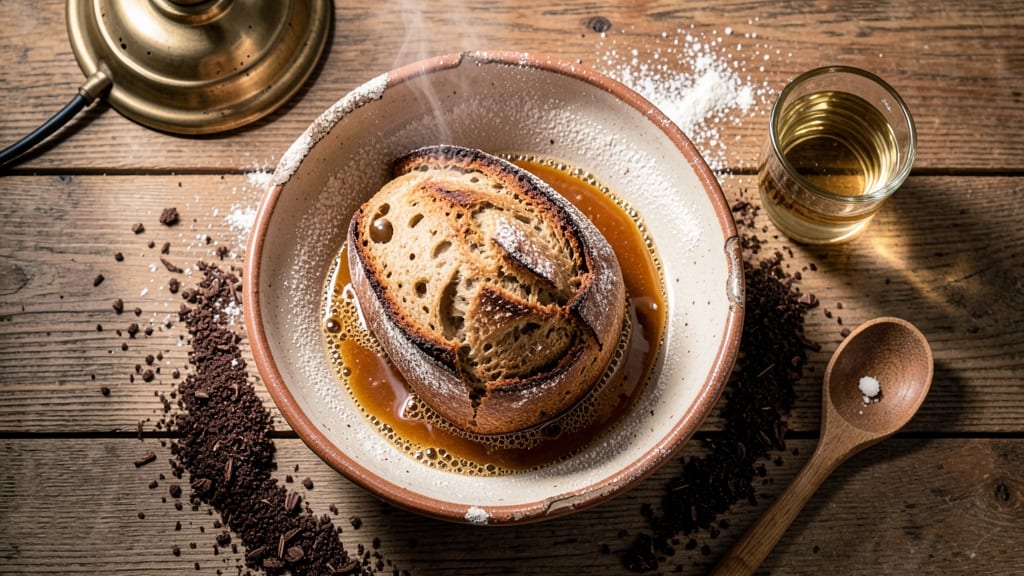
Mastering a Russian rye bread recipe with deep, tangy flavor starts with understanding the role of rye flour and fermentation. This recipe delivers a rustic loaf with a crisp crust and dense crumb—perfect for sandwiches or serving alongside soups.
The key lies in balancing hydration and fermentation time, which creates that signature sourness without overpowering the bread's natural sweetness.
Traditional Russian rye relies on a robust sourdough starter, but this version simplifies the process while keeping authenticity. You'll work with a mix of rye and wheat flour for structure, and a touch of honey to feed the starter during fermentation.
The dough requires patience—letting it ferment overnight develops the complex flavors that set this bread apart from lighter varieties.
By the time you pull it from the oven, you'll have a loaf with a golden-brown crust and a dense, slightly sticky interior. The aroma alone will fill your kitchen with warmth, while the first bite delivers that perfect balance of tangy, caramelized sweetness.
This bread keeps well for days, making it ideal for meal prep or gifting.
For variations, try adding seeds or whole grains for extra texture, or adjust the hydration for a lighter crumb. Whether you're baking for a family dinner or a holiday spread, this recipe ensures professional-quality results every time.
Ingredients for russian rye bread
Four essential ingredients transform into a loaf with deep rye flavor and crisp crust.
| Ingredient | Amount | Notes |
|---|---|---|
| Active Sourdough Starter 🍞 | ½ cup | Fed and bubbly, 100% hydration |
| Rye Flour 🌾 | 2 cups | Dark rye for authentic flavor |
| All-Purpose Flour 🌾 | 1 ½ cups | For structure and rise |
| Honey 🍯 | 1 tbsp | Light amber for sweetness |
| Warm Water 💧 | 1 ½ cups | 100-105°F for activation |
| Instant Yeast 🍞 | ¼ tsp | For reliable fermentation |
| Salt 🧂 | 1 ½ tsp | Kosher or sea salt |
| Olive Oil 🫒 | 1 tbsp | Extra-virgin for richness |
| Sesame Seeds 🌰 | 1 tbsp | Optional for crunch |
| Coarse Cornmeal 🌽 | ½ cup | For dusting loaf pan |
The sourdough starter is non-negotiable—it's what gives Russian rye that signature tang. King Arthur or Bob's Red Mill rye flour brings the best flavor, but any dark rye works. For the starter, feed it 1:1:1 (flour:water:starter) 4-6 hours before baking so it's bubbly and active. I always double-check mine smells slightly sweet and tangy before using. The honey isn't just for sweetness—it feeds the starter during fermentation, helping develop those complex flavors. Use light amber for a balanced sweetness that won't overpower the rye's earthiness.
No sourdough starter? Use 1 tbsp active dry yeast instead—but you'll miss that authentic depth. Running low on rye flour? Substitute half with whole wheat for texture, though the flavor won't be identical. The olive oil is worth the upgrade—extra-virgin adds richness that regular vegetable oil can't match. For sesame seeds, toasted poppy seeds or flaxseeds work too if you're avoiding gluten. And if you're short on time, reduce fermentation to 6 hours at room temp, but the flavor won't be as developed.
This dough is a beast—it needs 12-16 hours of cold fermentation for maximum flavor. Shape it loosely, cover with damp towel, and refrigerate overnight. The next day, let it sit at room temp for 1-2 hours before baking. Baked loaves keep 5-7 days wrapped at room temp or 3 months frozen. I slice mine fresh and freeze portions—perfect for quick toast or sandwiches. The crust gets crunchier as it cools, so let it rest 10 minutes before slicing.
Why You'll Love This Recipe
- Four-Ingredient Magic: I swear by this combo—just starter, rye, honey, and water. No fancy yeast packets or confusing ratios. The rye’s earthy bite and honey’s sweetness balance perfectly with minimal effort.
- Deep, Tangy Crunch: That sourdough starter gives it a funky depth you won’t find in store-bought loaves. The crust? Crisp enough to shatter, but the inside stays chewy—like a hug in bread form.
- Weeknight Workhorse: Slice it for toast, tear it for sandwiches, or freeze slices for quick breakfasts. My kids grab it straight from the fridge for lunch—no reheating, no fuss. Honestly, it’s my lazy-day savior.
- Budget-Friendly Staple: Rye flour is cheaper than specialty bread mixes, and a little starter goes a long way. Bake one batch, and you’ll have leftovers for days—no sad, stale loaves here. (Yes, even on a Tuesday night.)
Step-by-step instructions for Russian rye bread
Here's how to transform your sourdough starter into rich, tangy rye bread with a perfect crumb.
Mix the Sourdough Starter and Hydrate the Flours
In a large mixing bowl, combine the 0.5 cup active sourdough starter, 1.5 cups warm water, and 1 tbsp honey. Stir until the honey dissolves completely—you should see small bubbles forming as the starter begins to activate. This mixture should be slightly sticky but manageable.
Next, add the 2 cups rye flour and 1.5 cups all-purpose flour to the bowl. Mix with a wooden spoon or dough whisk until fully incorporated, scraping down the sides as needed. The dough will be shaggy and wet at this stage, but that's exactly what we want for maximum flavor development. Let it rest for 10 minutes while you prepare the remaining ingredients.
Incorporate Yeast, Salt, and Olive Oil
After the initial rest, sprinkle the 0.25 tsp instant yeast evenly over the surface of the dough. Gently fold it in with a spatula to distribute it throughout. Then add the 1.5 tsp salt and 1 tbsp olive oil, mixing until the salt dissolves and the oil coats the dough evenly.
Here's the thing—don't overmix at this stage. You're looking for a rough, uneven texture with some flour still visible. This helps create that signature open crumb structure in rye bread. Cover the bowl with a damp towel and let it rest at room temperature for 1 hour. You'll notice the dough begins to bubble and expand slightly as the yeast activates.
Shape and First Rise
After the hour-long rest, the dough should be noticeably more active with small bubbles throughout. Use a wet spatula to scrape the dough into a well-oiled mixing bowl. Cover again and let it rise for 2-3 hours at room temperature until it has roughly doubled in size. Your kitchen should smell like freshly baked rye—this is the moment that matters.
While waiting, lightly oil a 9x5-inch loaf pan. When the dough has risen sufficiently, gently deflate it by pressing down with your fingers. Transfer it to the prepared loaf pan, shaping it into a rectangular form. Sprinkle the 1 tbsp sesame seeds evenly over the top for that classic Russian rye look. Cover loosely and let it rise for another 30-45 minutes until it domes slightly above the pan.
Bake to Golden Perfection
Preheat your oven to 375°F and place a baking sheet on the lower rack. When the oven reaches temperature, carefully transfer the loaf pan to the upper rack. Bake for 35-40 minutes until the bread is deep golden brown and sounds hollow when tapped on the bottom. The internal temperature should reach 190-195°F when measured with an instant-read thermometer.
For extra crust development, you can broil for 1-2 minutes at the end, watching carefully to avoid burning. Remove from the oven and let the bread cool in the pan for 10 minutes, then transfer to a wire rack. The crust will continue to crisp up as it cools, developing that characteristic rye flavor.
Rest and Slice for Maximum Flavor
Allow the bread to cool completely before slicing—this can take up to 2 hours. The longer it rests, the more the flavors will meld together. When ready, slice with a serrated knife and dust the cut surfaces with a little extra coarse cornmeal if desired.
This bread tastes best at room temperature, so let it sit for at least 30 minutes before serving. The crumb should be open and moist, with a deep caramelized crust that's slightly crisp. Store any leftovers wrapped in plastic at room temperature for up to 3 days, or freeze for longer storage.
Pro Tips For Making Russian Rye Bread
- STIR THE DOUGH LONG: Russian rye dough is dense—don’t just mix it once. After adding the starter, rye flour, and honey, let it sit for 2 minutes, then stir vigorously for 30 seconds. The gluten in rye is stubborn; you’re not just combining, you’re coaxing it into submission. I used to rush this, and my loaves turned out gummy. Be patient.
- WEIGH THE RYE FLOUR: Rye flour is deceptive—it packs differently than all-purpose. Scooping leads to inconsistent batches. Use a kitchen scale for precision, especially if your recipe calls for 50% rye. I learned this after my first loaf came out too dense; the extra flour was the culprit.
- SKIP THE OVER-KNEADING: Rye dough doesn’t need much handling—it’s not wheat. Overworking it develops too much gluten, and your bread will taste like a sad, flat cracker. Mix just until combined, then let the starter do the work. I’ve ruined loaves by treating rye like wheat; trust the process.
- HYDRATE THE STARTER RIGHT: Your sourdough starter should be at peak activity—bubbly and just past its prime. If it’s sluggish, feed it 1:1:1 (starter:water:flour) 4-6 hours before using. Cold starter = weak rise. I’ve had loaves fail because I used leftover starter from the fridge; warm it up first if needed.
Serving suggestions for this russian rye bread
Classic Sandwich Pairings
Russian rye's dense, tangy crumb makes it perfect for hearty sandwiches. Try my go-to Reuben with corned beef, Swiss cheese, sauerkraut, and Russian dressing—the rye's acidity cuts through the richness.
For a lighter option, layer smoked turkey, avocado, sharp cheddar, and honey mustard for a perfect lunch. 🥪
For a Russian-inspired twist, use sour cream instead of mayo, and add pickled cucumbers or beet salad for a traditional touch. The bread's structure holds up beautifully to wet fillings, unlike lighter breads that get soggy.
Soup and Salad Servings
Serve warm slices alongside beef borscht or creamy potato soup—the bread soaks up broth beautifully while adding texture. For salads, pair with warm roasted beet salad (tossed with goat cheese and walnuts) or cucumber-dill soup with a dollop of sour cream.
Toasted rye slices also elevate charcuterie boards—top with brie, fig jam, prosciutto, and honeycomb for a sophisticated starter. The crust's crunch contrasts perfectly with creamy cheeses.
Breakfast and Brunch
Use rye for open-faced breakfast sandwiches—top with scrambled eggs, smoked salmon, crème fraîche, and everything bagel seasoning. The bread's density prevents sogginess, even with wet toppings. For brunch, try avocado toast with poached eggs and chili flakes.
My favorite brunch hack: Toast thick slices, rub with garlic butter, and top with ricotta, honey, and toasted pecans. The rye's slight sweetness balances the saltiness beautifully.
Garnishing and Presentation
Before serving, brush warm slices with melted butter and sprinkle with flaky sea salt or poppy seeds for extra flavor. For a restaurant-worthy touch, drizzle with infused olive oil (try rosemary or lemon) before plating. The bread's rustic appearance pairs well with both rustic and elegant dishes.
For a dramatic presentation, slice the loaf diagonally and arrange on a wooden board with dark rye crackers and cheese wedges. The bread's deep color makes it a natural centerpiece for any spread. ✨
Nutrition facts
Frequently asked questions
Why does Russian rye bread need such a long fermentation?
The extended 12-16 hour cold fermentation develops the complex, tangy flavors that define authentic rye bread. This slow process breaks down starches into sugars, creating that signature caramelized sweetness while strengthening the gluten structure for a better crumb. Patience here is key—rushing this step will leave your bread tasting flat.
Can I make this without a sourdough starter?
Yes, but your bread won't have the same depth of flavor. Replace the 0.5 cup starter with 1 tbsp active dry yeast and reduce the honey to 0.5 tbsp to avoid over-sweetness. The texture will be lighter, but still delicious—just not that authentic Russian tang.
How do I fix a dough that's too sticky?
If your dough feels unmanageable, you can add 1-2 tablespoons more all-purpose flour (up to 1.75 cups total) to improve handling. For extra insurance, chill the dough for 30 minutes before shaping—this firms it up while developing flavor. Never skip the cold fermentation, though, as it's crucial for texture.
What's the best way to store leftover rye bread?
Wrap cooled slices in plastic wrap or store in an airtight container at room temperature for up to 5 days. For longer storage, freeze slices between parchment paper for up to 3 months. Toast frozen slices directly from the freezer for maximum crispiness. The crust stays fresh longer than you'd expect!
Can I add seeds or nuts to this recipe?
Try 1 tbsp flaxseeds, sunflower seeds, or chopped walnuts mixed into the dough for extra texture. For a seeded topping, sprinkle sesame seeds, poppy seeds, or everything bagel seasoning before baking. Just reduce the sesame seeds to 0.5 tbsp if adding extras to maintain balance.