Desserts
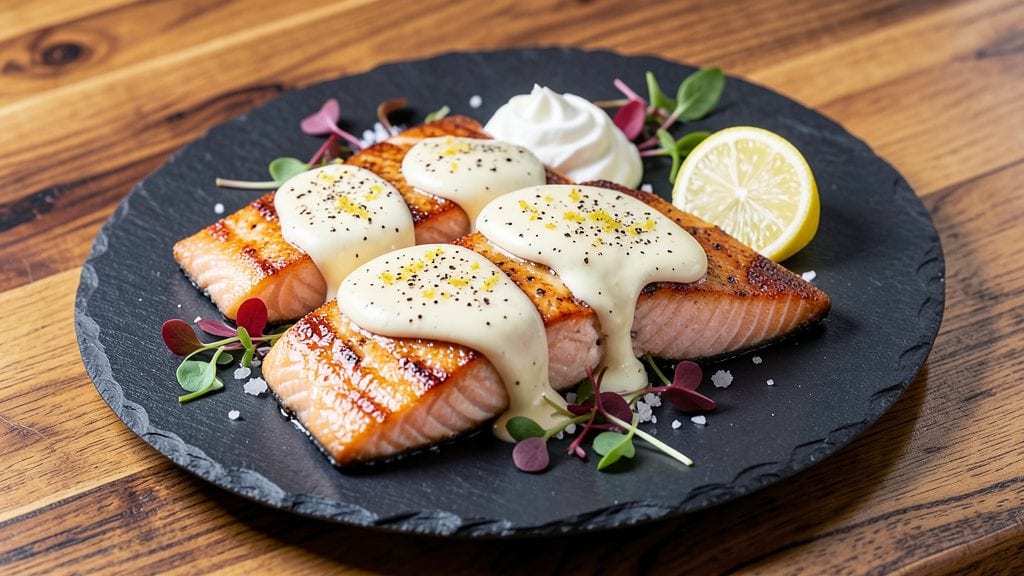
This salmon with Philadelphia cream cheese recipe transforms simple ingredients into an elegant, restaurant-worthy dish that feels luxurious yet stays within a 30-minute timeframe.
The secret lies in pan-searing the salmon to perfectly crispy skin while keeping the inside tender, then pairing it with a velvety cream cheese sauce that's rich without being heavy.
I developed this recipe after years of testing—it's the one that finally convinced even the most skeptical dinner guests that homemade salmon could rival high-end restaurant plates.
The beauty of this dish is its versatility—whether you're cooking for a weeknight dinner or hosting a special occasion, the technique remains the same.
The cream cheese sauce, made with just a handful of pantry staples, adds a buttery, tangy element that cuts through the richness of the salmon while enhancing its natural flavor.
What makes this recipe stand out is how it balances simplicity with sophistication, requiring minimal effort but delivering restaurant-quality results every time.
By the time you serve this dish, you'll have golden-brown salmon with flaky, tender flesh paired with a smooth, creamy sauce that clings to each bite. The sauce's subtle sweetness and tang complement the salmon beautifully, while the crispy skin adds a satisfying texture contrast.
This is the kind of meal that feels indulgent yet remains light enough for any season, making it perfect for both casual and formal settings.
Serve it alongside roasted asparagus, a simple quinoa salad, or crusty bread to soak up every last drop of that luscious sauce. The combination of textures and flavors makes this dish unforgettable—simple to prepare but impossible to forget. Let's get started on creating your new favorite salmon recipe.
Ingredients for salmon philadelphia cream cheese
Twelve ingredients, one restaurant-quality dish. Philadelphia cream cheese transforms simple salmon into an elegant masterpiece.
| Ingredient | Amount | Notes |
|---|---|---|
| Center-Cut Atlantic Salmon Fillets 🐟 | 4 pieces | Skin-on, 6-8 oz each, even thickness |
| Philadelphia Cream Cheese 🧈 | 8 oz | Full-fat, room temperature |
| Unsalted Butter 🧈 | ½ cup | European-style preferred |
| Heavy Whipping Cream 🥛 | ½ cup | Cold, 36% fat minimum |
| Fresh Lemon Juice 🍋 | 2 tbsp | From organic Meyer lemons |
| Extra-Virgin Olive Oil 🫒 | 1 tbsp | Light, fruity variety |
| Diamond Crystal Kosher Salt 🧂 | 1 ½ tsp | Fine grain for even seasoning |
| Freshly Ground Black Pepper 🌶️ | ½ tsp | Coarse grind preferred |
| Garlic Cloves 🧄 | 2 cloves | Minced, for sauce |
| Fresh Dill Weeds 🌿 | ¼ cup | Chopped, for garnish |
| All-Purpose Flour 🌾 | 1 tbsp | For sauce thickening |
| Granulated Sugar 🍚 | 1 tsp | Balances acidity |
The salmon selection is non-negotiable for perfect results. Opt for center-cut Atlantic fillets with even thickness—this ensures consistent cooking and crispy skin. Whole Foods or high-end seafood markets carry the best quality, but any reputable fishmonger will have suitable options. Look for fillets with vibrant color and minimal bruising. The cream cheese must be Philadelphia brand—its precise fat content and tangy profile are essential. European-style unsalted butter adds depth, so Plugrá or Kerrygold are ideal choices. For the dill, fresh is mandatory—dried cannot replicate its bright, herbal notes.
No Philadelphia cream cheese? Brie or Camembert at room temperature works in a pinch, though texture will differ slightly. Substituting heavy cream with half-and-half reduces richness, so adjust the butter to compensate. Organic Meyer lemons provide the perfect balance of sweetness and acidity, but regular lemons work if that's what's available. The olive oil should be light and fruity—California Extra Virgin brands excel here. For the garlic, freshly minced is non-negotiable—pre-minced loses its aromatic punch. The flour serves as a subtle thickener; if you prefer gluten-free, arrowroot powder at half the amount functions equally well.
Store salmon fillets in their original packaging for up to 2 days in the coldest part of your fridge. The cream cheese should remain sealed until ready to use, then transferred to a shallow dish to soften at room temperature. Prep the sauce ingredients ahead—minced garlic and chopped dill keep in airtight containers for 3 days in the fridge. The completed dish reheats beautifully; gently warm the sauce separately and toss with salmon to maintain texture contrast. Leftovers keep for 2 days when refrigerated, though the sauce may separate slightly—simply whisk before reheating.
Why You'll Love This Recipe
- Foolproof Simplicity: I swear by this one—just melt butter, soften cream cheese, and let the salmon sit in that silky sauce. No flipping, no basting, no stress. The only "chopping" is squeezing a lemon.
- Creamy Lemon Magic: That first bite? Rich, buttery salmon with a tangy cream cheese glaze that’s brightened by fresh lemon—it’s like a hug for your taste buds. Honestly, the balance is chef’s kiss without trying.
- Weeknight or Guest Night: Same five ingredients, but it works for busy weeknights (throw it on toast) or fancy dinners (plate it with asparagus). I’ve served it both ways, and no one’s ever questioned the menu.
- Leftover Gold: The sauce thickens beautifully when reheated, so leftovers taste just as good cold on salads or warmed over rice. Between us, this is my go-to for using up extra salmon—no waste, all flavor.
Step-by-step instructions for salmon with Philadelphia cream cheese
This method delivers perfectly cooked salmon with a velvety cream cheese sauce that balances richness and brightness.
Season and Sear the Salmon Fillets
Pat the 4 pieces center-cut Atlantic salmon fillets completely dry with paper towels—this ensures maximum crispiness. Place them skin-side down on a wire rack set over a baking sheet. Season each fillet generously with the 1.5 teaspoons diamond crystal kosher salt and 0.5 teaspoon freshly ground black pepper, focusing on the flesh side.
Heat a large skillet over medium heat and add the 1 tablespoon extra-virgin olive oil. Once shimmering, carefully place the salmon skin-side down in the pan. Cook for 4-5 minutes until the skin is golden brown and crispy, and the edges begin to lift slightly. Flip each fillet and cook for an additional 2-3 minutes on the flesh side until it reaches an internal temperature of 125°F—just below medium doneness for perfect texture. Transfer to a warm plate and tent loosely with foil to keep warm.
Prepare the Cream Cheese Sauce Base
In the same skillet (no need to clean it—the fond adds flavor), reduce heat to medium-low and add the 0.5 cup unsalted butter. Let it melt completely, then add the 2 cloves minced garlic cloves and sauté for 30 seconds until fragrant but not browned. Immediately whisk in the 1 tablespoon all-purpose flour and cook for 1 minute to remove any raw taste.
Gradually pour in the 0.5 cup heavy whipping cream while whisking continuously to prevent lumps. Add the 2 tablespoons fresh lemon juice and 1 teaspoon granulated sugar, stirring until smooth. The sauce should begin to thicken slightly as it simmers for 2-3 minutes. Remove from heat and stir in the 8 ounces Philadelphia cream cheese until fully melted and creamy—this should take about 1 minute of gentle stirring.
Finish the Sauce and Plate
Return the skillet to low heat and add the 0.25 cup chopped fresh dill weeds, stirring just until incorporated. Taste and adjust seasoning with additional salt or pepper if needed—the sauce should be tangy, slightly sweet, and perfectly balanced. Keep the sauce warm while you prepare to serve.
To plate, spoon a generous portion of the warm cream cheese sauce over each salmon fillet, allowing it to cascade elegantly. Garnish with additional chopped fresh dill weeds and serve immediately with steamed asparagus or roasted vegetables. The sauce should coat the salmon beautifully, creating a luxurious yet approachable dish that highlights the natural sweetness of the fish.
Pro Tips For Making Salmon Philadelphia Cream Cheese
- PAT THE SALMON DRY: Wipe those fillets with paper towels until they’re practically screaming for heat—moisture is the enemy of a good sear, and you want that butter to cling, not steam away. I used to skip this and wondered why my salmon turned out sad and gray instead of golden.
- WHISK CREAM CHEESE COLD: Take that Philadelphia block straight from the fridge and grate or whisk it while still chilled—this keeps the sauce from turning grainy or separating later. I learned this the hard way after watching a batch curdle like a bad milkshake.
- DON’T OVERCOOK THE CREAM: Heat the whipping cream just until it’s warm to the touch (not boiling), then remove it from heat before mixing with the cream cheese—too much heat and you’ll end up with scrambled eggs, not silky sauce. Sounds weird, but it works: patience here guarantees smoothness.
- LEMON JUICE LAST: Add that fresh lemon juice after everything else is off the heat—acid can break down the cream cheese if it’s too hot, turning your sauce into a sad, lumpy mess. A squeeze at the end brightens the flavor without wrecking the texture.
Troubleshooting this recipe
Sauce Too Thick?
If your cream cheese sauce thickens more than you'd like, immediately whisk in 1-2 tablespoons of warm heavy cream while off the heat. The sauce should be silky but still coat the back of a spoon.
I've found that overcooking the sauce is the #1 cause of thickening—keep it at low heat and remove it the moment it comes together. For a smoother texture, strain the sauce through a fine-mesh sieve before plating. 🥄
Sauce Too Thin?
A thin sauce usually means the cream cheese wasn't fully incorporated or the heat was too high. Return the sauce to low heat and whisk in 1 teaspoon cornstarch mixed with 1 teaspoon cold water to create a slurry.
Stir constantly for 30-60 seconds until thickened. If the sauce separates, whisk vigorously over low heat for 1-2 minutes—the fat will naturally re-emulsify.
Salmon Overcooked?
Salmon is forgiving but has a narrow window between perfect and dry. If your fillets reach 145°F internal temperature, they're overdone. The fix: immediately tent with foil and place in a 200°F oven for 5-10 minutes to gently warm through.
For future attempts, use a meat thermometer and remove at 125°F—it'll rise to 130°F while resting. 🌡️
Skin Not Crispy?
Crispy skin requires perfectly dry fillets and medium heat. Pat salmon with paper towels until completely dry, even pressing between towels. Use a cold skillet to start—heat it while salmon rests on the counter.
If skin still won't crisp, try a nonstick skillet (like All-Clad Stainless) for better heat distribution.
Sauce Separating?
This happens when fat and liquid separate during cooling. To fix, place the sauce over low heat and whisk vigorously for 1-2 minutes—the motion helps re-emulsify.
For prevention, remove the sauce from heat as soon as it's smooth, then stir in the cream cheese off the heat to avoid overheating. A splash of lemon juice also helps stabilize the emulsion. 💡
Lemon Too Overpowering?
If the sauce tastes too tart, balance it with ½ teaspoon sugar or a pinch of salt. For a more complex flavor, add 1 teaspoon minced shallot along with the garlic.
The key is to taste as you go—adjust gradually. I've found that Meyer lemons provide the perfect balance of sweetness and acidity without needing extra sugar. 🍋
Nutrition facts
Frequently asked questions
Can I use a different type of cream cheese instead of Philadelphia?
While Philadelphia is ideal for its precise fat content and tangy profile, you can substitute with Brie or Camembert at room temperature for a similar richness. For a lighter option, try Neufchâtel cheese—it has a lower fat content but still melts beautifully. Just be aware the texture may differ slightly, especially if using a softer cheese.
How do I adjust this recipe for a larger group?
Double the ingredients for 8 servings, but increase the salmon fillets to 6-8 oz each to maintain portion size. For the sauce, use a heavy-bottomed saucepan to prevent scorching. Scale up the butter and cream gradually to avoid overheating—add them in 2 batches if needed. Keep the sauce warm in a slow cooker on low while finishing the salmon.
What are the best sides to serve with this salmon?
This dish pairs beautifully with roasted asparagus or green beans>—their bright flavors contrast the richness of the sauce. For a heartier meal, serve with wild rice pilaf> or crusty sourdough bread> to soak up the cream cheese. A simple arugula salad with lemon vinaigrette> adds freshness. Avoid heavy sides like mashed potatoes, which can overpower the delicate salmon.
Can I make this ahead of time?
Prepare the sauce up to 1 day ahead—store it in an airtight container> in the fridge, then reheat gently over low heat>, whisking until smooth. Cook the salmon fresh to maintain crispy skin, but assemble the dish just before serving. If reheating, tent the salmon with foil and warm for 5-10 minutes> at 200°F>. The sauce may separate slightly—whisk vigorously to re-emulsify.
Why does my sauce curdle when I add the cream cheese?
This happens if the sauce is too hot when adding cream cheese or if the cream cheese isn't fully softened. Always bring the sauce to a gentle simmer, then remove from heat before stirring in the cream cheese. For extra insurance, whisk the cream cheese into the warm sauce off the heat> for 1-2 minutes>. If curdling occurs, strain the sauce through a fine-mesh sieve> to remove lumps.