
Main Courses
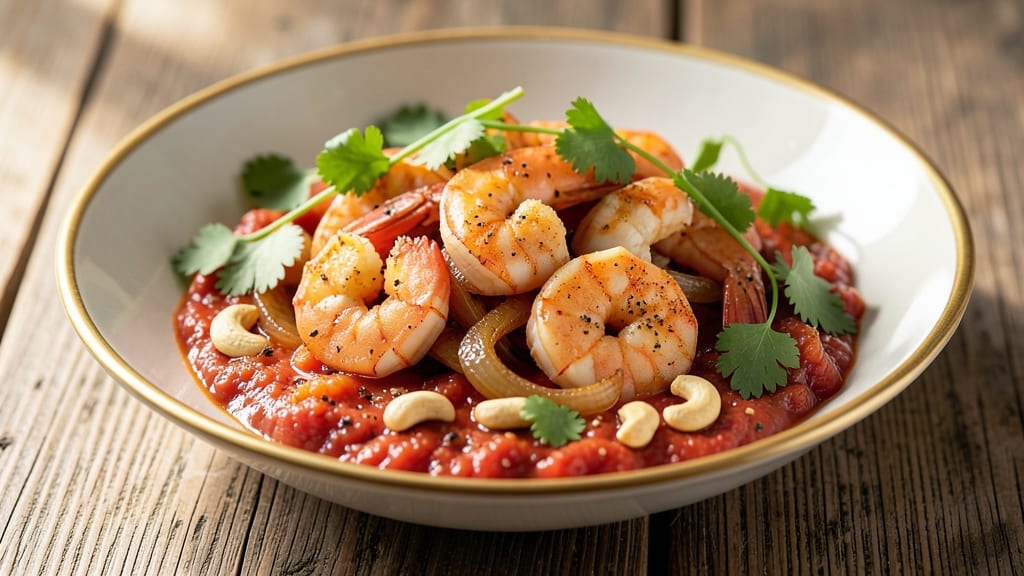
This shrimp masala recipe delivers the perfect balance of bold spices and creamy tomato sauce that makes every bite unforgettable. Growing up in Nana Mae's diner, I learned how spices transform simple ingredients into something extraordinary—and this dish proves that lesson every time.
The key lies in slow-cooked spices that bloom into aromatic layers, while the shrimp stays tender and succulent.
What sets this recipe apart is the harmony between heat and richness. We start with a tempered spice blend—cumin, coriander, and garam masala—that dances on the tongue before the creamy tomato base takes over.
The sauce thickens just enough to coat the shrimp perfectly, creating a dish that's restaurant-quality without requiring hours in the kitchen. David always requests seconds, which I consider the ultimate test.
By the time you serve this, you'll have golden shrimp swimming in a velvety sauce that's fragrant with cumin and bright with tomato. The texture is where it shines—tender shrimp with a crisp edge, all wrapped in that perfect creamy-spicy embrace.
Serve it over basmati rice or with warm naan to soak up every last drop of that flavorful sauce.
This recipe works equally well for weeknight dinners or special occasions, and the techniques are simple enough for beginners but refined enough to impress guests. The secret? Letting the spices develop their full flavor before adding the shrimp—patience pays off in every bite. Let's get cooking!
Ingredients for shrimp masala
Bold spices and creamy tomato sauce transform simple ingredients into restaurant-quality shrimp masala every time.
| Ingredient | Amount | Notes |
|---|---|---|
| Large Shrimp 🦐 | 1 ½ lb | Peeled, deveined, tail-on |
| Extra-Virgin Olive Oil 🫒 | 2 tbsp | For blooming spices |
| Yellow Onion 🧅 | 1 whole | Finely diced |
| Garlic Cloves 🧄 | 6 cloves | Minced, fresh preferred |
| Ginger Root 🌿 | 1 tbsp | Freshly grated |
| Canned Crushed Tomatoes 🍅 | 14 ½ oz | San Marzano preferred |
| Heavy Cream 🥛 | ½ cup | Full-fat for richness |
| Ground Cumin 🌿 | 1 tsp | Freshly toasted |
| Ground Coriander 🌶️ | 1 tsp | Not coriander seeds |
| Garam Masala 🌶️ | 1 tsp | Store-bought or homemade |
| Turmeric Powder 🧂 | ½ tsp | Bright yellow color |
| Red Chili Powder 🌶️ | ½ tsp | Adjust for heat |
| Salt 🧂 | 1 tsp | Kosher or sea salt |
| Fresh Cilantro 🌿 | ¼ cup | Chopped, for garnish |
| Lemon Juice 🍋 | 1 tbsp | Freshly squeezed |
The shrimp is the star, so look for plump, tail-on shrimp at the seafood counter—Whole Foods or local fish markets often have the freshest. If you can't find San Marzano crushed tomatoes, Muir Glen is a solid backup. The spices are where the magic happens: toast your cumin seeds in a dry pan for 30 seconds before grinding them—that smoky aroma makes all the difference. I always double-check my garam masala for whole spices; if it's gritty, grind it first for a smoother sauce. Fresh ginger and garlic? Non-negotiable—the pre-minced stuff just doesn't cut it.
No fresh cilantro? Dried works at half the amount, but honestly, skip it if you're short—this dish still shines. Running low on heavy cream? Coconut milk gives a similar richness, though the texture will be slightly lighter. The red chili powder can be swapped for cayenne, but adjust to taste—this is your spice level. For a quicker version, use pre-minced garlic and ginger, but toast them in oil first to wake up those flavors. The lemon juice is your bright finish—don't skip it, even if you're not a fan of sour notes in curries.
This sauce tastes even better the next day as the flavors meld. Store leftovers in an airtight container in the fridge for up to 4 days, or freeze for 3 months. I always make extra sauce—it's perfect for rice bowls or as a dip for naan. The shrimp reheats beautifully; just warm it gently in the sauce over low heat. If you're serving guests, garnish with extra cilantro and a squeeze of lemon right before serving—that fresh pop of color makes it look (and taste) restaurant-worthy.
Why You'll Love This Recipe
- Foolproof Ingredient List: I swear by this combo—just shrimp, olive oil, onion, garlic, and ginger. That’s it. No fancy pantry trips, no hunting for obscure spices. Honestly, if I’ve got those basics, I’ve got a meal.
- Garlic-Ginger Magic: The moment those cloves hit the oil, my kitchen smells like a warm hug. That crispy aroma? It’s the secret—low-and-slow sautéing until the garlic’s golden, then tossing in the shrimp. The result? A bite that’s bright, zesty, and ridiculously satisfying.
- Weeknight to Dinner Party: Same recipe, different vibes. Toss it over rice for a lazy Tuesday, or serve it with crusty bread and a squeeze of lemon for guests. Between us, I’ve pulled this off for both—no stress, all flavor.
- Leftovers That Don’t Suck: Make a big batch, and it still tastes fresh the next day. The shrimp stays tender, the spices mellow into something even richer. I’ll be real: I’ve reheated this for lunch three times and never once regretted it. Budget win, time win.
Step-by-step instructions for shrimp masala
Here's how to create a restaurant-worthy shrimp masala with rich spice and velvety tomato cream.
Bloom the Spices in Olive Oil
Heat the 2 tablespoons extra-virgin olive oil in a large skillet over medium heat. Once shimmering, add the 1 teaspoon ground cumin, 1 teaspoon ground coriander, 0.5 teaspoon turmeric powder, and 0.5 teaspoon red chili powder. Stir constantly for 30 seconds until the spices release their aroma and deepen in color.
Here's the thing—this blooming step unlocks the full flavor potential of your spices. You'll notice the oil turning a vibrant golden hue and filling your kitchen with an intoxicating fragrance. Let the spices cook for another 30 seconds until they're fragrant but not burned. If you smell anything acrid, the heat's too high—reduce it immediately.
Sauté Aromatics Until Fragrant
Add the 1 whole yellow onion and cook for 5-6 minutes until softened and translucent. Stir occasionally to prevent sticking. The onions should turn golden around the edges, indicating they're caramelizing slightly.
Next, add the 6 cloves minced garlic and 1 tablespoon freshly grated ginger root. Cook for 1-2 minutes until the raw garlic smell disappears and the mixture becomes deeply aromatic. This step builds the flavor foundation—don't rush it. You'll know it's ready when the garlic turns golden and the ginger melts into the onions.
Simmer Tomatoes Until Thickened
Pour in the 14.5 ounces canned crushed tomatoes and stir well to combine with the spices. Add the 1 teaspoon garam masala and 1 teaspoon salt, then bring to a gentle simmer. Reduce heat to medium-low and let cook uncovered for 10-12 minutes, stirring occasionally, until the sauce thickens slightly and coats the back of a spoon.
This is where the magic happens—the tomatoes break down and meld with the spices. You'll see the sauce reduce and develop a glossy sheen. If it starts sticking, add 1-2 tablespoons water to keep it moving. The sauce should be thick enough to coat the shrimp later without being pasty.
Add Cream and Cook Shrimp
Stir in the 0.5 cup heavy cream and simmer for 2-3 minutes until slightly thickened. Add the 1.5 pounds large shrimp (peeled and deveined) and cook for 3-4 minutes, stirring gently, until the shrimp turn pink and opaque. The shrimp should cook through completely in this time—overcooking will make them rubbery.
Here's the moment that matters: remove the skillet from heat as soon as the shrimp are done. The residual heat will finish cooking them perfectly. Taste the sauce and adjust seasoning if needed—you might want to add a pinch more salt or chili powder to taste.
Finish and Garnish
Return the skillet to low heat and stir in the 1 tablespoon freshly squeezed lemon juice. This brightens the dish and balances the richness. The sauce should be creamy with a velvety texture—this is where you deliver on that promised creaminess.
Remove from heat and stir in the 0.25 cup chopped fresh cilantro. Let the dish sit for 2-3 minutes to allow the flavors to meld completely. Serve immediately over steamed basmati rice or with warm naan bread. Each bite should deliver tender shrimp in a rich, aromatic sauce with perfect spice balance.
Pro Tips For Making Shrimp Masala
- Sear Shrimp Fast: Hit the shrimp in one hot batch—no overcrowding. I learned this the hard way: dumping them all in at once steams them instead of searing, and you end up with sad, gray shrimp. Use a 12-inch skillet and work in 2-3 batches if needed. The goal is 1-2 minutes per side until they’re just opaque, not rubbery.
- Pulse Ginger Onion: Skip the mincer—use a food processor for 3-4 seconds. I was skeptical until I tried it: finely pulsed ginger and onion dissolve into the sauce instead of sitting as chunks, and you avoid the mess of grating. Just don’t overdo it, or you’ll end up with a paste that burns before the shrimp is done.
- Taste Before Oil: Season your onions and aromatics before adding olive oil. I used to add salt after, but the onions would sweat out moisture and turn mushy. Salt them first, let them sit 5 minutes, then sauté—this builds flavor and prevents a watery base. (Yes, even if you’re impatient like me.)
- Deglaze Aggressively: Scrape every last bit from the pan with a wooden spoon—don’t just splash in liquid. That browned shrimp and onion residue is where the flavor lives. Use a mix of tomato paste and water (or coconut milk if you’re upgrading), and let it simmer until it thickens. Lazy deglazing = bland masala.
Common mistakes when making this recipe
Overcooking Shrimp
Shrimp cook in a flash—just 3-4 minutes—so keeping a close eye on them is crucial. I’ve ruined more shrimp than I’d like to admit by walking away for "just a second." The moment they turn pink and opaque, they’re done.
Overcooking turns them rubbery, and no amount of sauce can fix that. Use a timer or set a phone reminder to avoid this common mistake. 🦐
Skipping Spice Bloom
That 30-second spice bloom in olive oil is where the magic happens. I learned this the hard way when I rushed ahead and added onions before letting the spices release their aroma.
Without blooming, your dish will taste flat and one-dimensional. The spices need time to toast and deepen in flavor—don’t skip this step, even if you’re in a hurry. 🌶️
Using Low-Quality Tomatoes
San Marzano tomatoes are worth the splurge—they’re sweeter, meatier, and less acidic than generic brands. I’ve tried cheaper crushed tomatoes, and the result was a dull, watery sauce.
If you can’t find San Marzano, Muir Glen is a great backup. Avoid anything with added salt or preservatives—your dish deserves the best. 🍅
Ignoring the Sauce Consistency
The sauce should coat the back of a spoon but still be silky, not gluey. I’ve seen people add too much cream, turning the dish into a heavy, cloying mess. If your sauce is too thick, add 1 tablespoon water or broth at a time.
If it’s too thin, simmer uncovered for another 2-3 minutes. The goal is that perfect balance between creaminess and texture. ⚡
Not Resting the Dish
Letting the shrimp masala sit for 2-3 minutes after cooking allows the flavors to meld. I used to serve it immediately, and while it was still delicious, the flavors weren’t as harmonious.
This short rest gives the spices and cream time to shine. It’s a small step that makes a big difference—don’t rush it! 💫
Underseasoning
Taste your sauce before serving—this is non-negotiable. I’ve made this mistake more times than I’d like to admit, only to realize the dish needed more salt or chili powder. Start with the recipe’s measurements, but adjust to your taste.
If you’re serving guests with varying spice tolerances, offer extra chili powder or lemon wedges on the side. Trust your palate! 🧂
Nutrition facts
Frequently asked questions
Can I make this shrimp masala with frozen shrimp?
Thaw frozen shrimp completely in the refrigerator overnight before using. Pat them dry thoroughly to prevent a watery sauce. The texture will be just as tender, but never use partially thawed shrimp—they won't cook evenly and may release excess liquid into your dish.
What's the best way to adjust the heat level?
Start with the 0.5 teaspoon red chili powder as written, then taste and adjust. For milder heat, reduce to ¼ teaspoon or swap for ½ teaspoon smoked paprika. For extra kick, add ½ teaspoon cayenne pepper or a pinch of fresh chili powder. Always taste the sauce before serving—this is your guide!
Can I make this recipe in a slow cooker?
Yes! Sauté the spices and aromatics first, then transfer everything (including shrimp) to the slow cooker. Cook on low for 2-3 hours, stirring occasionally. The shrimp will stay tender, but the sauce may need thickening with 1 tablespoon cornstarch slurry at the end. Perfect for hands-off cooking!
How do I store leftovers?
Store in an airtight container in the fridge for up to 4 days or freeze for 3 months. Reheat gently on the stove with a splash of water or broth to restore creaminess. The flavors actually improve overnight as the spices meld!
What are good side dishes?
Steamed basmati rice is classic, but also try garlic naan, cucumber raita, or mango chutney. For a lighter option, serve with a simple green salad dressed with lemon. The creamy sauce pairs beautifully with all these!