
Breakfast & Brunch
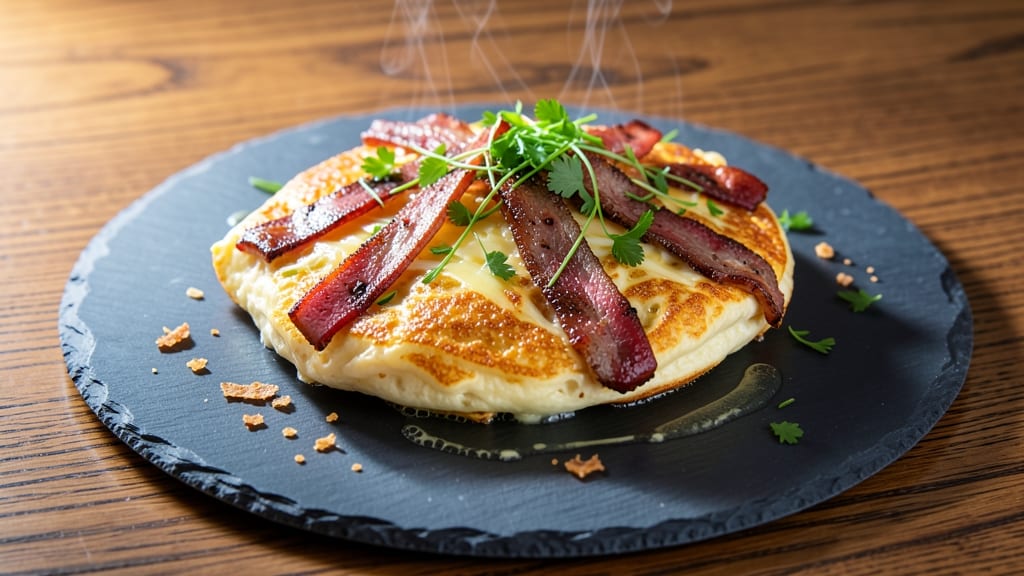
This steak omelette recipe delivers the perfect marriage of juicy steak and fluffy eggs, all cooked in one pan for maximum flavor and minimal cleanup. The secret lies in perfectly seared steak that stays tender, paired with eggs that transform into a silky, cheesy embrace around every bite.
I developed this technique after years of experimenting with breakfast dishes that could satisfy both brunch crowds and late-night cravings.
What makes this recipe stand out is the two-stage cooking process: first, the steak is seared to medium-rare perfection, then removed while the eggs cook into a rich, creamy omelette.
The key ingredients—high-quality steak, sharp cheddar, and fresh herbs—come together to create a dish that's restaurant-quality without requiring advanced skills. Ready in just 15 minutes, it's ideal for busy mornings or weekend brunches.
By the time you're done, you'll have a plate featuring tender steak slices nestled within a golden omelette, all topped with melted cheese and fresh herbs. The contrast of textures—crispy steak edges, creamy egg centers, and savory cheese—makes every bite worth savoring.
This dish proves breakfast can be just as impressive as dinner.
Serve with a side of roasted potatoes or a crisp salad to round out the meal. The one-pan method ensures effortless cleanup, while the combination of flavors keeps everyone coming back for seconds. Let's get cooking—your taste buds will thank you.
Ingredients for steak omelette
High-quality steak, rich eggs, and sharp cheddar transform into a restaurant-worthy breakfast in one pan.
| Ingredient | Amount | Notes |
|---|---|---|
| Ribeye Steak 🥩 | ½ lb | Thinly sliced against grain |
| Large Eggs 🥚 | 6 whole | Room temperature, separated |
| Sharp White Cheddar Cheese 🧀 | ½ cup | Freshly grated, block preferred |
| Unsalted Butter 🧈 | 2 tbsp | Cold, cut into small cubes |
| Fresh Chives 🌿 | 2 tbsp | Finely chopped, for garnish |
| Fresh Parsley 🌿 | 2 tbsp | Finely chopped, for garnish |
| Diamond Crystal Kosher Salt 🧂 | ½ tsp | For seasoning steak |
| Freshly Ground Black Pepper 🌶️ | ½ tsp | Coarsely cracked |
| Extra-Virgin Olive Oil 🫒 | 1 tbsp | High smoke point preferred |
| Heavy Cream 🥛 | ¼ cup | Full-fat for richness |
| Garlic Cloves 🧄 | 1 whole | Minced for egg mixture |
| Red Bell Pepper 🌶️ | ¼ cup | Finely diced, optional |
The ribeye is non-negotiable here—its marbling ensures juiciness that carries through the cooking process. Butcher shops often have pre-sliced steak, but if buying whole, ask for thin cuts against the grain to maximize tenderness. I prefer USDA Choice or Prime for optimal flavor, though Select works in a pinch. Season generously with Diamond Crystal kosher salt and freshly cracked black pepper before searing. The eggs should be room temperature—cold eggs won't whip properly, and that's a game-changer for fluffiness. Whole Foods or local farmers markets are ideal for sourcing both steak and eggs of this caliber.
No ribeye? Sirloin or flank steak works, but slice it thinner to prevent toughness. Substituting cheddar? Gruyère or pepper jack add complexity, while Parmesan brings umami depth. The heavy cream can be swapped for half-and-half, though texture will be slightly lighter. Fresh herbs missing? Dried chives or parsley at one-third the amount suffice. For the red bell pepper, jalapeño or shallots introduce different flavor profiles—just adjust quantity to taste. The garlic is crucial; pre-minced from a jar lacks freshness, so take the 30 seconds to peel and mince yourself.
Store prepped steak slices in an airtight container with parchment between layers for up to 2 days—they reheat beautifully in a skillet. The egg mixture can be prepped ahead and kept refrigerated for 1 day, though the steak should always be cooked fresh. Freeze portions of the egg mixture for up to 3 months in ice cube trays, then transfer to a bag. Cheese should be wrapped tightly in parchment and stored in the fridge for up to 2 weeks. For maximum efficiency, prep all components the night before—morning assembly becomes a breeze.
Why You'll Love This Recipe
- I swear by this trick: just sear that ribeye in the same pan you’ll cook the eggs, then let the residual heat melt the cheddar right into the omelette. No extra bowls, no extra mess—just pure, smoky, buttery goodness in one spot.
- Two-Ingredient Magic: I swear by this trick: just sear that ribeye in the same pan you’ll cook the eggs, then let the residual heat melt the cheddar right into the omelette. No extra bowls, no extra mess—just pure, smoky, buttery goodness in one spot.
- Weeknight Hero: Honestly, this is my "I have nothing else figured out" meal. Toss in a handful of chives, fold in that perfectly crispy steak, and boom—dinner’s ready while you’re still scrolling through your phone. (Yes, even on a Tuesday night.)
- Leftovers That Don’t Suck: Unlike most omelettes, these reheat like a dream—crispy edges stay crispy, the cheese doesn’t turn rubbery, and that ribeye stays juicy. I’ll pack three for lunch the next day, no questions asked.
Step-by-step instructions for steak omelette recipe
Master this technique and you'll achieve a perfectly balanced steak omelette with tender meat and silky egg mixture every time.
Prepare the Steak for Optimal Tenderness
Begin by slicing the 0.5 lb ribeye steak against the grain into ¼-inch thick strips. This critical step ensures each bite remains tender rather than chewy. Pat the steak slices completely dry with paper towels to remove any surface moisture, which would otherwise steam the meat instead of searing it.
Season each slice generously with 0.25 tsp diamond crystal kosher salt and 0.25 tsp freshly ground black pepper—half of the total amounts—distributing it evenly on both sides. Set aside while you prepare the egg mixture. The seasoning should adhere well to the dry surface, creating a flavorful crust during cooking.
Create the Perfect Egg Mixture
In a medium bowl, separate the 6 whole large eggs, placing yolks in one container and whites in another. Add the 0.25 cup heavy cream and 1 minced garlic clove to the yolks, whisking vigorously until fully combined and slightly thickened. This creates the rich, velvety base of your omelette.
In a separate bowl, beat the egg whites with 0.25 tsp diamond crystal kosher salt until soft peaks form. Gently fold one-third of the beaten whites into the yolk mixture to lighten it, then carefully fold in the remaining whites, being careful not to deflate the air incorporated during beating. This technique ensures a fluffy, airy omelette without sacrificing richness.
Sear the Steak and Prepare the Pan
Heat 1 tbsp extra-virgin olive oil in a 10-inch nonstick skillet over medium-high heat until shimmering. Working in batches if needed, add the seasoned steak strips and cook for 1-2 minutes per side until deep pink in the center and slightly caramelized at the edges. Remove the steak and set aside on a warm plate, tented with foil.
Reduce heat to medium and add 2 tbsp unsalted butter to the same skillet. Allow it to melt completely, then add the 0.25 cup finely diced red bell pepper and cook for 1 minute until just softened. This step builds flavor without overcooking the vegetables, which would make them mushy.
Cook the Omelette to Fluffy Perfection
Pour the prepared egg mixture into the skillet, tilting to spread evenly. Immediately reduce heat to low and let cook undisturbed for 2-3 minutes until the edges begin to set and the bottom shows light golden spots. This gentle cooking prevents overbrowning while allowing the eggs to fully set.
Sprinkle 0.5 cup freshly grated sharp white cheddar cheese evenly over the top half of the omelette, leaving a ½-inch border uncovered. Using a wide spatula, gently fold the uncovered edge over the cheese, then continue folding the omelette into thirds, creating neat, even layers. Remove from heat and let rest for 30 seconds to set.
Assemble and Garnish for Presentation
Transfer the folded omelette to a warm plate and top with the seared steak strips. Garnish immediately with 2 tbsp finely chopped fresh parsley and 2 tbsp finely chopped fresh chives, adding both color and freshness. The steak should be juicy with a slight pink center, while the omelette should have a creamy, custard-like texture with no dry spots.
Serve immediately while the steak is still warm and the omelette maintains its fluffy structure. The sharp white cheddar should be melted throughout, creating pockets of rich, gooey cheese in every bite. This technique ensures each component—tender steak, velvety eggs, and crisp vegetables—works together harmoniously.
Pro Tips For Making Steak Omelette
- CRANK THE PAN HOT: The ribeye needs a screaming-hot skillet—cast iron or stainless—so it sears fast and keeps its juices. I used to take it off the heat too soon, and the steak just steamed instead of developing that crust. Get it so hot that a drop of water sizzles violently before adding the butter.
- CUT STEAK THIN AFTER RESTING: Rest the ribeye for 5-10 minutes after cooking, then slice it paper-thin against the grain. Thick slices make the omelette chewy; thin ones melt into the eggs like butter. Use a sharp knife—this isn’t the time for brute force.
- SALT THE EGGS LIKE THE SEA: Crack those eggs into a bowl first, then add way more salt than you think—especially since you’re using unsalted butter. Sharp white cheddar is salty enough, but the eggs need to carry their own weight. Whisk vigorously so every bite packs flavor.
- FOLD FAST, FLIP SMART: Once the omelette’s set on the bottom, pile the steak and cheese toward one side, then fold immediately—don’t wait for it to crisp up. For the flip, slide it onto a plate, then onto the other side of the pan. Hesitate, and you’ll end up with a sad, runny mess. Confidence is key.
Regional styles of steak omelette
French Bistro Twist
In Parisian bistros, this dish becomes a bœuf bourguignon-inspired omelette. Replace the ribeye with thinly sliced beef tenderloin (about ½ lb) and deglaze the pan with ¼ cup red wine (like Pinot Noir) after searing.
Add 2 tbsp pearl onions and 1 sprig thyme to the egg mixture for an authentic French touch. Serve with a dollop of Dijon mustard on the side. 🍷
Southern U.S. Style
Down South, this omelette gets a Cajun kick. Swap the red bell pepper for ½ cup diced jalapeño and add 1 tsp Cajun seasoning (like Tony Chachere's) to both the steak and egg mixture.
Top with crumbled andouille sausage instead of cheddar, and garnish with green onions. Serve with a side of cornbread for the full Southern experience. 🌶️
Japanese Steak Omelette
For a Japanese-inspired version, use thinly sliced Wagyu beef (or high-quality sirloin) and cook it with 1 tbsp soy sauce and ½ tsp grated ginger. Replace the cheddar with ½ cup shredded mozzarella and add 1 tbsp mirin to the egg mixture.
Garnish with thinly sliced scallions and a drizzle of ponzu sauce. This version is lighter but packed with umami. 🍶
Italian Frittata Fusion
Transform this into an Italian-inspired frittata by using thinly sliced bresaola (or prosciutto) instead of steak. Add ½ cup sun-dried tomatoes and ¼ cup grated Pecorino Romano to the egg mixture.
Cook the eggs in a cast-iron skillet until set, then broil for 2 minutes to get a golden crust. Serve with a side of arugula salad and balsamic glaze. 🍅
Breakfast Club Upgrade
Channel diner vibes with a Breakfast Club-style twist. Use thinly sliced corned beef (about ½ lb) instead of steak, and add 2 tbsp caramelized onions to the egg mixture.
Swap the cheddar for swiss cheese and garnish with crispy bacon bits and sliced tomato. Serve on a toasted English muffin for the full diner experience. 🥓
Mexican Street Tacos
Give it a Mexican flair by using thinly sliced skirt steak marinated in 1 tbsp lime juice, 1 tsp cumin, and ½ tsp chili powder. Replace the cheddar with crumbled queso fresco and add ¼ cup pico de gallo to the egg mixture.
Fold the omelette into a burrito shape and serve with salsa verde and sour cream for dipping. 🌮
Nutrition facts
Frequently asked questions
Can I use pre-cooked steak for this omelette?
Freshly seared steak is ideal for maximum flavor and tenderness, but you can use pre-cooked steak in a pinch. Slice it thinly against the grain and reheat it in a hot pan with a little olive oil until warmed through. Pre-cooked steak loses some of its natural juices, so consider adding a splash of beef broth to the egg mixture to compensate for the drier texture.
How do I keep the omelette from getting rubbery?
Overcooking is the main culprit for rubbery omelettes. Remove the pan from heat as soon as the eggs are set but still slightly jiggly in the center. The residual heat will finish cooking it through. Also, avoid stirring the eggs after pouring them into the pan—let them cook undisturbed for 2-3 minutes first. Using room-temperature eggs and folding gently helps maintain that silky texture.
What's the best way to reheat leftovers?
Steak omelettes reheat best in a skillet over low heat with a splash of water or broth to keep things moist. Cover the pan for 1-2 minutes to trap steam and prevent drying. For microwave reheating, place the omelette on a microwave-safe plate with a damp paper towel over it, then heat in 20-second intervals until warmed through. Never reheat in the microwave without moisture—it'll turn rubbery.
Can I make this dish ahead of time?
You can prep components separately for a quick assembly. Sear the steak and store it in an airtight container for up to 2 days, and make the egg mixture ahead (keep it refrigerated for 1 day). However, the omelette itself should always be cooked fresh—eggs don't reheat well without losing their fluffy texture. The steak reheats beautifully, so plan to cook the eggs just before serving.
What's the secret to getting crispy steak edges?
High heat and proper seasoning are key. Use a 10-inch nonstick skillet heated to medium-high until shimmering with oil. Pat the steak slices completely dry before seasoning—this ensures a good crust forms. Cook for 1-2 minutes per side without moving them, and resist the urge to press down. The natural juices will release and create that perfect caramelized edge.