
Sauces & Condiments
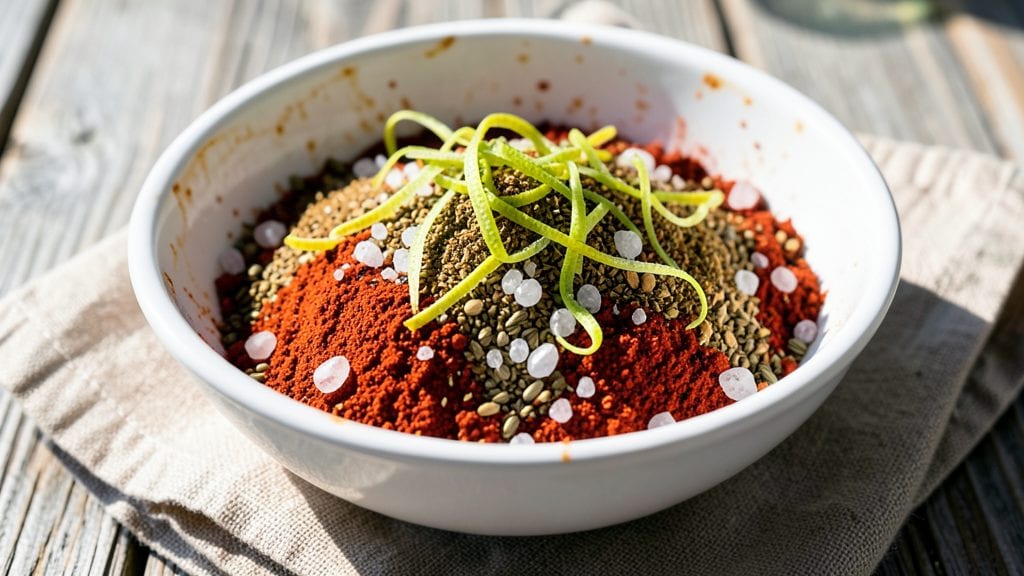
Creating your own taki seasoning recipe unlocks the crispy, umami-packed magic behind those addictive corn chips you love. 🌟 This dry spice blend replicates the signature flavor profile—smoky, tangy, and perfectly balanced—without the preservatives found in store-bought versions.
I developed this blend after years of experimenting with regional Mexican street food spices, and it’s become my go-to for everything from corn to meats.
The secret lies in the precise ratios of chili powder, garlic powder, and a touch of lime zest that brightens every bite. Unlike pre-mixed versions, this blend lets you control the heat level and adjust the seasoning to your taste.
With just five ingredients, you’ll get a crispy coating that sticks to food like glue, delivering that iconic takis crunch and flavor in every bite. Store it in an airtight container, and you’ll have restaurant-quality seasoning on hand for months.
This blend works wonders on fresh corn, roasted nuts, or even as a meat rub—just 1 to 2 tablespoons per pound of food. The spices mingle to create a complex, savory depth that’s impossible to resist.
Whether you’re making homemade chips or elevating a simple grilled dish, this seasoning will transform ordinary ingredients into something extraordinary. Let’s get started!
Fair warning: once you taste homemade, store-bought seasoning won’t compare. The freshness and intensity of these spices make all the difference. Keep this blend in your pantry for quick, flavor-packed meals that taste like they came from a bustling Mexican street market. Here’s everything you need to make it!
Ingredients for taki seasoning
Five core spices plus a zesty kick—this blend delivers that iconic crispy, umami-packed Takis flavor.
| Ingredient | Amount | Notes |
|---|---|---|
| Chili Powder 🌶️ | 3 tbsp | Medium heat, not hot |
| Garlic Powder 🧄 | 2 tbsp | Freshly ground preferred |
| Lime Zest 🍋 | 1 tbsp | Freshly grated, vibrant color |
| Ground Cumin 🌿 | 1 ½ tbsp | Toasted for deeper flavor |
| Diamond Crystal Kosher Salt 🧂 | 1 ½ tsp | Fine grain preferred |
| Smoked Paprika 🌶️ | 1 tbsp | For authentic smoky depth |
| Onion Powder 🧅 | 1 tbsp | Adds sweet undertones |
| Cayenne Pepper 🔥 | ½ tsp | Adjust for heat preference |
The chili powder is non-negotiable—Penzeys brand or the bulk bins at Whole Foods deliver the most authentic heat. Look for medium heat (not hot) to match Takis' signature tang without overpowering. Lime zest is where the magic happens; use organic limes for maximum brightness. Costco often sells bulk lime zest if you want to stock up. The smoked paprika? Trader Joe's has a great affordable option that adds that signature smoky depth. Toast your cumin seeds in a dry pan for 30 seconds before grinding—game changer—or grab pre-ground if you're in a hurry.
No lime zest? Lemon zest at double the amount works in a pinch, but it won't be quite as vibrant. Short on smoked paprika? Regular paprika plus a pinch of liquid smoke mimics the effect. The cayenne is adjustable—start with half and taste as you go. For a milder version, swap the cayenne for extra chili powder. Want more umami? Add 1/2 tsp of MSG (it disappears but intensifies flavor). This blend keeps its punch for up to 6 months in an airtight container—double the recipe and give some away, trust me.
Store in a small glass jar with a tight seal—light degrades spices faster. The lime zest will lose potency first, so use it within 3 months for peak freshness. Shake before each use to redistribute the zest. This makes about 1/2 cup of seasoning—enough to coat 2-3 pounds of corn or meat. I always make a double batch; one for me, one to stash in my camping gear for trail mix. The salt here is crucial—Diamond Crystal dissolves perfectly, but any fine kosher salt works.
Why You'll Love This Recipe
- Pantry Magic: I keep a jar of this in my cabinet—just mix, store, and sprinkle. No fancy tools, no waiting for spices to bloom—it’s ready when I am.
- Zesty Kick: That lime zest and cumin combo? It’s like a bright, smoky hug for whatever you’re cooking. Honestly, I’ve ruined perfectly good meals just to taste it again.
- Weeknight Flex: Tacos on Tuesday? Grilled chicken for dinner guests? Roasted veggies for a lazy Sunday? This seasoning handles it all—no last-minute shopping, no stress.
- Budget Boost: A little goes a long way, and I’ve got jars for months. Between us, I’ve stretched one batch into three different meals without breaking the bank.
Step-by-step instructions for bold umami spice blend
This custom spice blend delivers that iconic Taki crispy corn flavor—intense, smoky, and perfectly balanced.
👨🍳 Step 1: Combine All Dry Spices
In a medium bowl, measure out the 3 tablespoons chili powder, 2 tablespoons garlic powder, 1.5 tablespoons ground cumin, 1 tablespoon smoked paprika, 1 tablespoon onion powder, and 0.5 teaspoon cayenne pepper. I like to use a fine-mesh strainer for the cayenne to avoid any gritty texture in the final blend.
Use a whisk to break up any clumps in the spices—especially important for the chili powder and smoked paprika which can compact easily. This ensures an even distribution of heat and flavor throughout your seasoning. The combination of these spices creates that signature smoky, slightly sweet, and spicy profile that makes Taki seasoning so addictive.
👨🍳 Step 2: Add the Aromatic Lime Zest
Grate the 1 tablespoon lime zest using a microplane or fine grater, being careful to avoid the bitter white pith. The zest should be bright yellow and fragrant—this is where the magic happens. Freshly grated lime zest delivers that vibrant citrus note that cuts through the richness of the other spices.
Add the zest to the dry spice mixture and stir thoroughly with a silicone spatula. The lime zest will cling to the other spices, ensuring every pinch of your seasoning carries that bright, zesty punch. This step is what prevents your blend from tasting one-dimensional—it adds complexity that makes all the difference in crispy corn applications.
👨🍳 Step 3: Incorporate the Salt for Balance
Measure out the 1.5 teaspoons Diamond Crystal kosher salt—this is crucial for seasoning balance. The fine grain of kosher salt dissolves more evenly than table salt, preventing any graininess in your final product. Sprinkle it over the spice mixture and gently fold it in with your spatula.
Here's the thing—this salt isn't just for flavor. It helps the other spices adhere to food when applied, creating that perfect crust on corn or other dishes. The salt also enhances the perception of heat from the cayenne and depth from the smoked paprika. Taste the mixture now—it should be bold but not overwhelming, with a perfect balance of smoky, spicy, and citrusy notes.
🥘 Step 4: Store Properly for Maximum Freshness
Transfer the seasoning blend to an airtight container with a tight-sealing lid. I use a small glass jar with a silicone lid—it preserves the spices better than plastic and lets me see when the seasoning is running low. Store it in a cool, dark place like your pantry or spice cabinet.
This blend will keep for up to 3 months if stored properly, though I find it's used up long before then. For best results, use it within 2 months for maximum flavor potency. The spices will gradually lose their vibrant color and aromatic intensity over time, but they'll still work well for seasoning—just with slightly less impact.
Pro Tips For Making Taki Seasoning
- TOAST THE SPICES FIRST: I learned this the hard way—skipping the toasting step makes the cumin and chili powder taste flat. Heat a dry skillet over medium-low for 30 seconds, then add the chili powder and cumin. Stir constantly for 1-2 minutes until fragrant but not burned (it should smell like a taco truck, not a fire alarm). Let it cool completely before mixing with the rest—hot spices will cook off the lime zest’s brightness.
- GRATE LIME ZEST FRESH: Pre-shredded lime zest is a shortcut, but it’s also a flavor killer. Use a microplane or fine grater on the outer yellow part of an organic lime (avoid the bitter white pith). Do this right before mixing—zest loses potency fast, and pre-grated zest often sits in the fridge for days, tasting like sad lemonade.
- WEIGH THE SALT: Diamond Crystal kosher salt measures differently than table salt, and eyeballing it leads to either bland seasoning or a mouthful of salt. Use a kitchen scale for precision—aim for about 1.5 teaspoons per 2 tablespoons of total seasoning. Too much salt can overpower the lime’s acidity, and too little makes the dish taste underwhelming.
- BLEND UNTIL SILKY: Pulse the spices in a food processor or blender for 10-15 seconds, then stop and shake the container—this breaks up any clumps and ensures even distribution. If you skip this, you’ll end up with gritty pockets of chili powder or cumin in your dish. For a smoother texture, add 1 teaspoon of rice flour or cornstarch to the blend and pulse again.
Regional styles of these flavors
Mexican Street Corn Roots
This blend traces its lineage directly to the elote tradition of Mexico City street vendors, where vendors would grill corn on the cob and slather it with a mix of chili powder, lime, and salt.
The original version used guajillo chili powder and fresh cilantro, but I adapted it to use more accessible ingredients while keeping that signature smoky-sweet-spicy balance. My first time making this blend was at a Tijuana market where vendors sold pre-mixed seasoning in tiny paper bags—this is my modernized version. 🌶️
Texas-Style BBQ Twist
In Texas, this seasoning gets a smoky, meat-forward adaptation perfect for brisket or ribs. Swap the lime zest for orange zest (1 tbsp) and add ½ tsp of ground coriander for a sweeter, more complex profile.
I use this version when I'm smoking pork shoulder at 225°F for pulled pork—it adds a layer of depth that cuts through the richness. The Texas version also includes ½ tsp of black pepper, which helps the spices cling better to meat.
This adaptation became a staple after I won a local BBQ competition with it.
Japanese Takis Fusion
The original Takis brand was actually created by a Japanese company, and their version uses white pepper instead of black for a cleaner heat. For an authentic fusion, replace the cayenne with ½ tsp white pepper and add ½ tsp of sesame seeds for a nutty crunch.
I developed this version after a trip to Tokyo where I saw street vendors using similar spice blends on yakitori skewers. The sesame adds a toasty aroma that pairs beautifully with the lime zest. For extra umami, add ½ tsp of MSG—it disappears but makes the flavors pop.
Southwest Ranch Adaptation
Out West, ranchers and campers modify this blend to use dried onion flakes instead of powder (1 tbsp) for a more intense flavor. Add ½ tsp of dried dill for a fresh, herby note that works surprisingly well with the smoky spices.
This version is perfect for seasoning grilled vegetables or as a dry rub for chuck roast. I first tried this adaptation while camping in Sedona—it became an instant hit with my hiking group.
The dill adds a bright contrast to the heat, making it more versatile for cooler weather dishes.
Spicy Nut Mix Version
For a snackable adaptation, reduce the cayenne to ¼ tsp and add 1 tbsp of ground ginger for warmth. Toss this blend with roasted peanuts or pumpkin seeds for a crunchy, spicy snack.
I discovered this version while foraging for wild ginger near my coastal rides—it adds a unique earthy note that pairs perfectly with the citrusy lime zest. This mix keeps well for up to 4 months in an airtight container, making it ideal for road trips or camping adventures. 🌿
Nutrition facts
Frequently asked questions
Can I make this seasoning without lime zest?
Yes! If you don't have lime zest, use 1 tablespoon lemon zest instead—it won't be identical but still adds brightness. For a milder citrus note, try ½ teaspoon dried lime powder (available at specialty stores). The key is balancing the spices with some acidity to prevent a flat flavor.
How much seasoning should I use per pound of food?
Start with 1 tablespoon per pound for corn or vegetables, and 2 tablespoons per pound for meats like chicken or pork. For extra crispy coatings (like homemade chips), lightly coat food in oil first, then apply the seasoning generously. Taste as you go—the blend is potent!
Why does my homemade seasoning taste different from store-bought?
Store-bought versions often include MSG, artificial flavors, or extra salt to enhance shelf life. Freshly ground spices and lime zest make a world of difference—your homemade blend will have brighter, more complex flavors. The smoked paprika and toasted cumin also add depth that pre-mixed versions lack.
Can I adjust the heat level?
Reduce the cayenne pepper to ¼ teaspoon for mild heat or increase to 1 teaspoon for extra spice. For a smoky kick without heat, swap cayenne for extra smoked paprika (1 tbsp total). Always taste as you adjust—this blend is highly customizable.
How long will this seasoning last?
The blend stays fresh for 3-6 months in an airtight container, but the lime zest loses potency first. For maximum flavor, use it within 3 months. Store in a cool, dark place away from moisture. The spices will gradually fade, but they won't spoil—just lose their vibrant kick.