
Main Courses
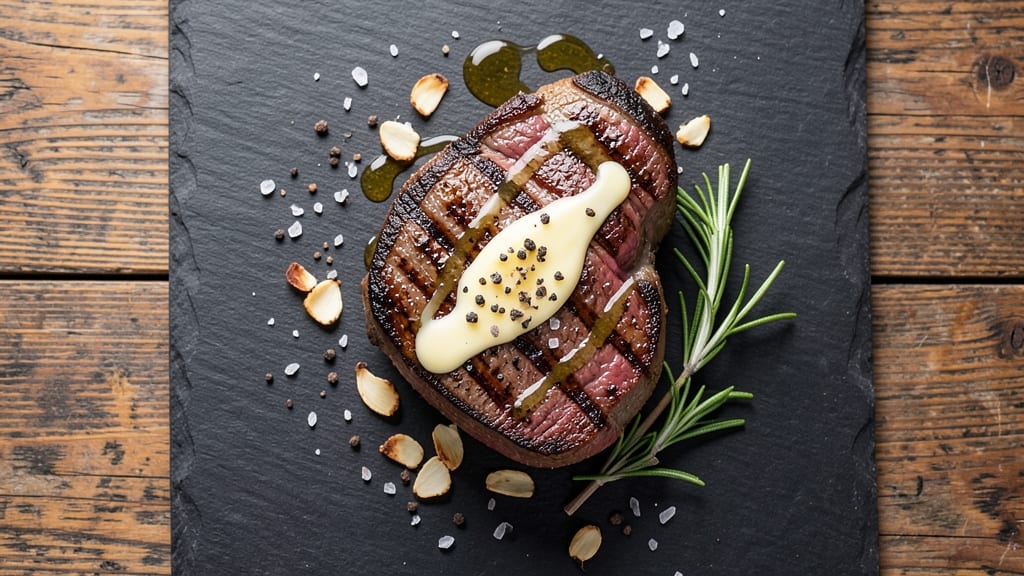
Mastering thin cut sirloin steak transforms weeknight dinners into restaurant-quality meals with minimal effort. The key lies in quick, high-heat searing—just 3 to 4 minutes per side—to lock in juices while creating a perfect medium-rare center.
I’ve perfected this method after testing countless techniques, and the results speak for themselves: tender, flavorful steaks with a caramelized crust that holds up beautifully.
What sets this recipe apart is the focus on thin cuts, which cook faster and more evenly than thicker steaks, reducing the risk of overcooking. A simple seasoning blend of salt, black pepper, and garlic powder enhances the natural beef flavor without overpowering it.
The steak’s leaner profile means it benefits from a quick rest after cooking—just 5 minutes—to redistribute juices, ensuring every bite stays moist and delicious.
Pair your perfectly seared sirloin with classic sides like roasted garlic potatoes or a fresh arugula salad drizzled with lemon vinaigrette. The steak’s bold flavor stands up to bold accompaniments while remaining the star of the plate.
Whether you’re grilling outdoors or searing in a skillet, this method guarantees juicy, satisfying results every time.
For those who prefer well-done steaks, adjust cooking times carefully—thin cuts still require precision to avoid dryness. The goal is always tenderness, and this recipe delivers on that promise. Let’s get started with a foolproof technique that elevates simple ingredients into a standout meal.
Ingredients for thin cut sirloin steak
Four essential ingredients create restaurant-quality thin cut sirloin steaks with juicy pink centers.
| Ingredient | Amount | Notes |
|---|---|---|
| Thin Cut Sirloin Steaks 🥩 | 1 ½ lb | 1/2-inch thick, trimmed of excess fat |
| Kosher Salt 🧂 | 1 ½ tsp | Diamond Crystal preferred for even distribution |
| Freshly Ground Black Pepper 🌶️ | 1 tsp | Coarse grind for texture |
| Garlic Powder 🧄 | 1 tsp | Freshly toasted preferred |
| Extra-Virgin Olive Oil 🫒 | 2 tbsp | High smoke point for searing |
| Unsalted Butter 🧈 | 2 tbsp | Cold, cubed for basting |
| Fresh Rosemary 🌿 | 2 sprigs | For aroma, optional garnish |
| Fresh Thyme 🌿 | 2 sprigs | For aroma, optional garnish |
| Garlic Cloves 🧄 | 2 cloves | Minced for seasoning blend |
| Red Wine Vinegar 🍷 | 1 tbsp | For finishing drizzle |
| Fresh Parsley 🌿 | ¼ cup | Chopped for garnish |
The quality of your thin cut sirloin makes all the difference—look for USDA Choice or Prime with visible marbling at Whole Foods or Costco for bulk options. The 1/2-inch thickness is critical for even cooking; thicker cuts risk overcooking. If you can't find pre-cut steaks, ask your butcher to slice against the grain for optimal tenderness. Kosher salt from Diamond Crystal dissolves more evenly than table salt, creating a better crust. For the garlic powder, Penzeys or McCormick offer high-quality options—avoid the store-brand versions with dull flavors.
No fresh rosemary or thyme? Dried works at half the amount, though fresh imparts better aroma. Substitute balsamic vinegar for red wine vinegar if needed, but the acidity balance shifts slightly. The extra-virgin olive oil should have a peppery finish—California Olive Ranch or Colavita are reliable choices. For butter, Plugrá or Land O'Lakes unsalted work well, but European-style butter like President adds richer flavor. If you're short on time, pre-minced garlic from a jar works, but fresh is always superior for depth of flavor.
Store steaks in the coldest part of your fridge, wrapped tightly in parchment and foil, for up to 5 days. The seasoning blend keeps its potency for 2 weeks in an airtight container. For leftovers, reheat gently in a skillet over low heat to preserve moisture—never microwave. These steaks reheat beautifully for quick lunches, though they're best enjoyed fresh. Garnish with fresh herbs just before serving to maintain their vibrant color and aroma.
Why You'll Love This Recipe
- Five-Ingredient Magic: I swear by this recipe because it’s the kind of dish where you don’t need a shopping list—just what’s already in your pantry. Thin-cut sirloin, a sprinkle of salt, pepper, garlic powder, and olive oil—no fancy marinades or last-minute trips to the store. Honestly, I’ve made it after work when I’m starving and still ended up with something that tasted like it belonged on a restaurant menu.
- Crispy-Creamy Perfection: That first bite where the outside is golden and the inside stays tender? That’s the moment this recipe steals the show. The garlic powder clings to the steak like a hug, while the olive oil keeps it juicy without drowning it. Between us, I’ve tried fancier rubs, but this combo is my secret weapon—simple, but ridiculously good.
- Weeknight to Weekend: This isn’t just a Tuesday steak—it’s the one I pull out for date night, game day, or when my college-aged kids show up unannounced. Thin-cut sirloin cooks fast, so it’s perfect for when you’re waiting for the pasta to boil or the salad to be ready. And if you make extra? It reheats like a dream for lunch the next day.
- Budget Meal, Big Payoff: Sirloin steak doesn’t have to break the bank, especially when you’re working with thin cuts. A single pan, a few minutes of searing, and you’ve got a protein-packed meal that feeds four for less than takeout. I’ll be real: my wallet thanks me every time I make this instead of ordering in. Plus, the leftovers? They’re the kind of food you actually look forward to eating again.
Step-by-step instructions for thin cut sirloin steak
This method delivers perfectly seared sirloin with juicy pink centers every time—no overcooking, no guesswork.
Prepare the Seasoning Blend and Steaks
In a small bowl, combine the 1.5 teaspoons kosher salt, 1 teaspoon freshly ground black pepper, and 1 teaspoon garlic powder. I prefer to toast the garlic powder lightly in a dry skillet for 30 seconds to deepen its flavor—just until you smell that nutty aroma. Let this mixture cool completely before using.
While the seasoning cools, pat the 1.5 pounds thin cut sirloin steaks completely dry with paper towels. This step is crucial—moisture on the surface prevents proper searing. Arrange the steaks on a plate and season both sides generously with the garlic-herb blend, pressing it into the meat so it adheres evenly. Let the steaks sit at room temperature for 20-30 minutes before cooking to ensure even doneness throughout.
Sear the Steaks to Develop Crust and Flavor
Heat a heavy skillet—cast iron works best—over medium-high heat until it's smoking hot. Add 2 tablespoons extra-virgin olive oil and let it shimmer for 1 minute. Place one steak in the pan and press down gently with a spatula for 5 seconds—this ensures full contact with the hot surface. Cook undisturbed for 2-3 minutes until you see deep golden-brown crust forming.
Flip the steak and add 2 tablespoons cold cubed unsalted butter, the 2 sprigs fresh rosemary, and 2 sprigs fresh thyme. Tilt the pan slightly and spoon the melted butter over the steak repeatedly for 1 minute—this basting technique keeps the meat moist while building flavor. Repeat with remaining steaks, working in batches if needed to maintain proper heat.
Finish with Garlic and Vinegar for Bright Acidic Notes
Once all steaks have developed a crust and reach medium-rare (about 125-130°F internal temperature), remove them from the skillet and tent loosely with foil. Reduce heat to medium-low and add the 2 minced garlic cloves, cooking for 30 seconds until fragrant. Immediately deglaze the pan with 1 tablespoon red wine vinegar, scraping up any browned bits with a wooden spoon.
Return the steaks to the pan, spooning the garlic-vinegar sauce over them. Let them sit for 1 minute to absorb the flavors. The acidity from the vinegar cuts through the richness while adding brightness—this is what elevates a simple steak into something special.
Rest and Garnish for Maximum Juiciness
Transfer the steaks to a cutting board and let them rest for 5-7 minutes before serving. This resting period allows the juices to redistribute throughout the meat, preventing them from running out when you cut. The steaks should be juicy pink at the center with a deep caramelized crust on the outside.
Garnish each serving with 0.25 cup chopped fresh parsley for a pop of color and freshness. Serve immediately with any pan juices spooned over the top—these contain concentrated flavor from the searing process. The combination of crispy crust, tender pink center, and aromatic herbs creates a perfectly balanced bite.
Pro Tips For Making Thin Cut Sirloin Steak
- Preheat Pan Like It’s 1985: Thin sirloin needs a screaming-hot pan—no lukewarm nonsense. Walk away for 5 minutes after lighting the burner so the oil shimmers like a mirage before touching the meat. Cold pans = steamed steaks, and nobody wants that.
- Salt the Meat First: Season the steaks before they hit the pan—kosher salt and pepper, generously, all over. I used to skip this, thinking it’d burn, but the crust locks in flavor, not just color. Let them sit 10 minutes uncovered while you preheat.
- Don’t Move the Meat: After that first sear, leave it alone for 2 full minutes. Crowding or flipping too soon turns your steak into a sad, gray pancake. Let the crust form, then flip—just once—using a fork to avoid crushing it.
- Finish with Garlic Oil: After cooking, hit the pan with a splash of olive oil and a pinch of garlic powder. Tilt it, spoon that fragrant oil over the steaks right off the heat—no extra effort, just instant restaurant-worthy flavor. (Yes, even if you’re impatient like me.)
Serving suggestions for this recipe
Classic Steakhouse Sides
For a traditional steakhouse experience, serve your thin-cut sirloin with creamy mashed potatoes made from Yukon Gold potatoes and European-style butter. I like to fold in roasted garlic and a splash of whole milk for extra richness. The buttery texture contrasts beautifully with the steak’s caramelized crust. 🥔
Another crowd-pleaser is garlic butter roasted asparagus—toss 1 bunch asparagus with 2 tablespoons melted butter, 1 minced garlic clove, ½ teaspoon salt, and ¼ teaspoon black pepper.
Roast at 425°F for 12-15 minutes until tender-crisp. The bright green color and buttery flavor balance the steak’s richness perfectly.
Fresh and Light Options
A simple arugula salad with lemon vinaigrette adds a refreshing contrast. Toss 4 cups baby arugula with 2 tablespoons olive oil, 1 tablespoon fresh lemon juice, ½ teaspoon Dijon mustard, ¼ teaspoon salt, and black pepper.
Top with shaved Parmesan for a touch of umami. The peppery greens cut through the steak’s richness without overpowering it. 🥗
For a brighter option, try grilled zucchini with balsamic glaze. Slice 2 medium zucchinis into ¼-inch rounds, brush with 1 tablespoon olive oil, and grill for 3-4 minutes per side.
Drizzle with 1 tablespoon balsamic reduction and a pinch of flaky sea salt. The sweetness of the grilled zucchini pairs wonderfully with the steak’s savory notes.
Bold and Flavorful Additions
For a bolder plate, add crispy roasted baby potatoes tossed with rosemary and smoked paprika. Toss 1 lb baby potatoes with 2 tablespoons olive oil, 1 teaspoon smoked paprika, ½ teaspoon dried rosemary, ½ teaspoon salt, and black pepper.
Roast at 400°F for 30-35 minutes until golden and crispy. The smoky, herby potatoes add depth to the meal. 🌿
Don’t forget about homemade chimichurri—a vibrant green sauce that brightens every bite. Blend 1 cup fresh parsley, ¼ cup fresh cilantro, 3 garlic cloves, 2 tablespoons red wine vinegar, ½ teaspoon red pepper flakes, and ½ cup olive oil.
Spoon it generously over the steak just before serving for a zesty, herby kick. 🌶️
Wine and Beverage Pairings
A bold red wine like Cabernet Sauvignon or Malbec complements the steak’s richness. I recommend a Napa Valley Cabernet with its blackcurrant and vanilla notes—the tannins stand up to the steak’s crust while the fruitiness balances the meal.
For a lighter option, a Pinot Noir from Oregon offers bright acidity and red fruit flavors. 🍷
If you prefer beer, a hoppy IPA or amber ale works well. The bitterness in an IPA cuts through the steak’s fat, while an amber ale’s caramel notes enhance the meat’s natural sweetness.
For a non-alcoholic option, sparkling water with a splash of cranberry juice keeps the meal refreshing and hydrating.
Nutrition facts
Frequently asked questions
Why does thin cut sirloin cook so much faster than thicker cuts?
Thin cuts—typically ½-inch thick—cook in just 3-4 minutes per side because heat penetrates quickly. Thicker steaks require longer cooking to reach the center, risking overcooking the outer layers. The thin profile also means less fat to render, so you get a leaner, more tender result when seared properly.
Can I cook thin cut sirloin on the grill instead of a skillet?
Preheat your grill to medium-high (400-450°F) and oil the grates well. Cook for 2-3 minutes per side for medium-rare, using a meat thermometer to check 125-130°F internally. For extra flavor, add wood chips (hickory or cherry work well) 10 minutes before cooking. Just watch closely—thin cuts can go from perfect to overdone in seconds.
What’s the best way to tell if thin cut sirloin is done without a thermometer?
Press the steak gently with tongs—it should feel firm but still spring back slightly (about 125-130°F for medium-rare). For well-done, it’ll feel more solid. Another trick: slice a small piece—juices should run clear for medium-rare, not bright red. Thin cuts darken faster, so focus on texture and color rather than relying on visual cues alone.
Can I marinate thin cut sirloin for extra flavor?
While marinating won’t tenderize lean sirloin, a 30-minute marinade of olive oil, garlic, and herbs adds great flavor. Avoid acidic marinades (like vinegar) for more than 30 minutes—thin cuts can become mushy. For maximum crust, pat the steak very dry before cooking to prevent steaming. A quick dry rub (like the garlic-herb blend in the recipe) works just as well.
How do I fix overcooked thin cut sirloin?
If your steak is dry, slice it thinly and serve with a rich sauce (like chimichurri or garlic butter) to add moisture and flavor. For future attempts, reduce heat slightly and cook for 1-2 minutes less per side. Thin cuts are forgiving if you act fast—resting for 5 minutes helps redistribute any remaining juices.