Main Courses
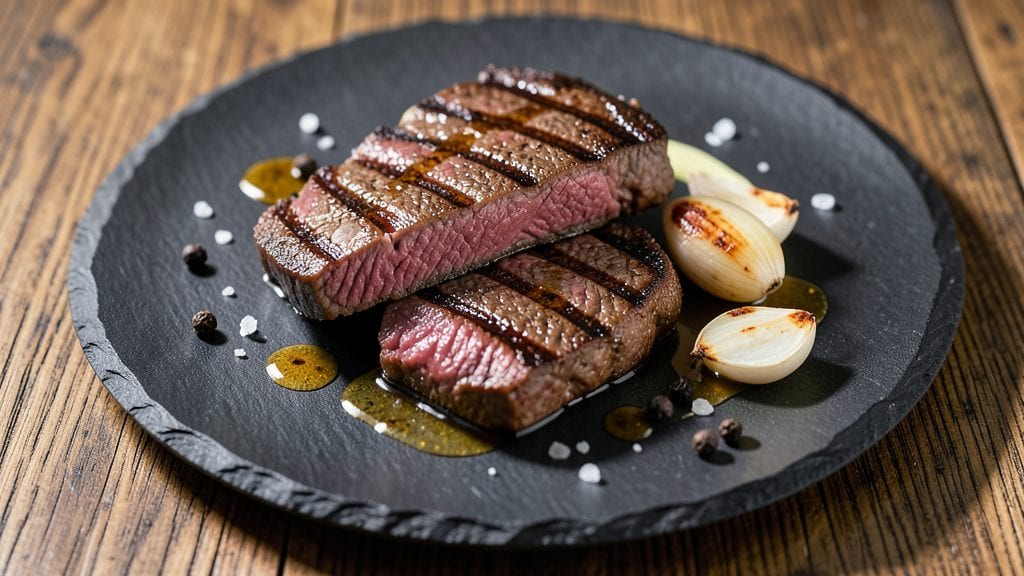
Cooking a thin rib steak to perfection requires precision—too much heat ruins the delicate cut, but the right technique delivers a restaurant-worthy crust with a buttery interior. I’ve perfected this method after years of testing, ensuring even thin cuts stay tender while developing a flavorful crust.
The key lies in high, controlled heat and proper seasoning timing.
This recipe focuses on rib steaks cut ¼-inch thin, ideal for quick cooking without drying out. You’ll need just 5 minutes of active cooking time, plus a few minutes of resting—far faster than traditional steak methods.
A simple salt-and-pepper rub enhances the natural beef flavor, while a pat of butter at the end adds richness that melts into every bite.
The result is a steak with a deep golden crust that gives way to a melt-in-your-mouth interior, juicy and tender despite its thinness. The technique works equally well for grilling, pan-searing, or broiling, giving you flexibility for any cooking setup.
Serve with roasted garlic mashed potatoes or a fresh herb salad to balance the richness.
What sets this method apart is the foolproof timing—no guesswork, no overcooking. Whether you’re cooking for two or prepping a batch for meal prep, this approach ensures consistent results every time. Let’s get started on mastering your thin rib steak.
Ingredients for thin rib steak
Four simple ingredients transform thin rib steaks into restaurant-quality bites—crusty outside, buttery inside.
| Ingredient | Amount | Notes |
|---|---|---|
| Thin Rib Steaks 🥩 | 1 ½ lb | ¼-inch thick, trimmed of fat |
| Unsalted Butter 🧈 | 4 tbsp | Cold, cut into small pieces |
| Kosher Salt 🧂 | 1 ½ tsp | Diamond Crystal preferred |
| Freshly Ground Black Pepper 🌶️ | 1 tsp | Coarse grind for texture |
| Extra-Virgin Olive Oil 🫒 | 1 tbsp | High smoke point preferred |
| Garlic Cloves 🧄 | 4 cloves | Minced, for finishing |
| Fresh Rosemary 🌿 | 2 sprigs | For garnish, optional |
| Fresh Thyme Leaves 🌿 | ¼ cup | Chopped, for finishing |
The steaks make all the difference here. Ask your butcher for ribeye cut ¼-inch thin—this cut is leaner than traditional steaks, so precision matters. Costco or Whole Foods often carry pre-cut steaks, but if you're buying whole, look for even thickness. Trim any visible fat—it can burn before the steak cooks through. I like to marinate the steaks in salt for 30 minutes before cooking (just sprinkle and refrigerate), but even a quick sprinkle right before works in a pinch. The butter? European-style with at least 82% fat—Plugrá or Kerrygold melt beautifully.
No unsalted butter? European-style salted butter works, just reduce the salt in the recipe by half. Short on rosemary? Fresh thyme or parsley gives a similar bright finish. The olive oil is non-negotiable for searing—avoid flavored oils (like garlic or basil), as they burn easily. No minced garlic? Garlic powder at half the amount adds flavor, though fresh is ideal. For extra richness, add a splash of beef drippings or bacon fat to the pan before searing. And if you're cooking for two, halve everything—these steaks cook fast!
Steaks keep best 2-3 days in the fridge, vacuum-sealed or tightly wrapped. For meal prep, cook a batch and store in single-serving portions—reheat in a skillet with a splash of water for 30 seconds per side. The butter leftovers? Store in an airtight container for up to 2 weeks. Fresh herbs last 5 days wrapped in damp paper towels. Pro tip: Cook the steaks morning or afternoon, then let them rest at room temp for 30 minutes before serving—this ensures the perfect carryover temperature.
Why You'll Love This Recipe
- Five-Ingredient Magic: I swear by this recipe because it’s that simple: just steaks, butter, salt, pepper, and olive oil. No fancy marinades, no stress—just sear, baste, repeat. Honestly, the hardest part is deciding when to pull them off the heat.
- Butter-Basted Bliss: That moment when the butter pools on the steak, crisping the edges while keeping the inside tender? Chef’s kiss. A pat of salt and a crack of pepper seals the deal—rich, caramelized flavor with zero effort.
- Weeknight Steakhouse: Between us, this is my go-to for date nights or lazy Fridays. Thin rib steaks cook in half the time of a thick cut, so you’re not stuck babysitting the oven. Serve with roasted potatoes or a simple salad, and suddenly you’re the hero.
- Budget-Friendly Luxury: Thin rib steaks are often cheaper than their thicker cousins, and a single pan handles two or three portions. Leftovers? Reheat in a skillet with a splash of olive oil, and they taste just as good the second time—proof you don’t need a restaurant to feel fancy.
Instructions for pan-seared thin rib steaks with buttery crust
Here's how to turn simple ingredients into restaurant-quality thin rib steaks with a perfect crust and melt-in-your-mouth interior.
Season and Rest the Steaks
Take the 1.5 lb thin rib steaks out of the refrigerator and let them sit at room temperature for 20-30 minutes. This ensures even cooking from edge to center. While they're resting, generously coat both sides with the 1.5 tsp kosher salt and 1 tsp freshly ground black pepper. I like to press the seasoning into the meat gently with my fingers so it adheres completely.
Pro tip: Use Diamond Crystal kosher salt—it dissolves more easily than Morton's, giving you better flavor distribution. The steaks should look uniformly coated with salt crystals when you're done. This step is crucial for developing that perfect crust later.
Create the Butter Bath
Cut the 4 tbsp unsalted butter into small pieces about the size of a pea. This helps it melt more evenly. Place a heavy skillet (cast iron works best) over medium-high heat and add the 1 tbsp extra-virgin olive oil. Let it heat until it shimmers but doesn't smoke—this should take about 2 minutes.
Once the oil is hot, add the butter pieces and let them melt completely, about 1-2 minutes. You'll see the butter foam and then settle into a golden liquid. This butter bath is what creates that luxurious crust and keeps the steaks moist. Don't walk away—you want to catch it at the perfect moment before it burns.
Sear the Steaks to Perfection
Carefully place the steaks in the skillet, away from you to avoid any oil splatter. Cook for 2-3 minutes per side until they develop a deep golden-brown crust. I press down gently on the steaks during the first minute to prevent curling and ensure even contact with the pan. You'll know they're ready to flip when they release easily from the skillet.
About 30 seconds before flipping, add the 4 minced garlic cloves and 0.25 cup chopped fresh thyme leaves to the pan. The garlic should sizzle immediately—this infuses the butter with incredible aroma. Flip the steaks and cook the other side for another 2-3 minutes. The internal temperature should reach 130-135°F for medium-rare—use a meat thermometer to check the thickest part.
Rest and Garnish
Transfer the steaks to a cutting board and let them rest for 5-7 minutes. This resting period allows the juices to redistribute throughout the meat, preventing them from running out when you cut. While they rest, spoon the garlic-butter mixture from the pan over the top of each steak.
Garnish with the 2 sprigs fresh rosemary for an elegant touch. The rosemary adds a nice herbal contrast to the rich, buttery steaks. Serve immediately with the pan juices spooned over the top—this ensures every bite gets that luxurious butter flavor. The crust should be deep golden brown and crisp, while the interior remains tender and pink in the center.
Slice and Serve
Slice the steaks against the grain into ¼-inch thick pieces. This makes each bite more tender by cutting through the muscle fibers. Arrange the slices on a warm platter and spoon any remaining garlic butter from the pan over the top. The steaks should be juicy, flavorful, and perfectly cooked throughout.
Serve immediately while still hot. The contrast between the crisp, golden crust and the buttery interior is what makes this dish truly special. Pair with a simple arugula salad or roasted vegetables to let the steaks shine as the star of the meal.
Pro Tips For Making Thin Rib Steak
- Sear First, Rest Second: Thin rib steaks are tiny—if you cut into them too soon, all that juicy butter will pool out like a sad, greasy puddle. Sear them hard in olive oil over max heat for 30 seconds per side, then hit them with butter and salt while they’re still screaming hot. Let them rest 5 minutes under foil before serving—yes, even if you’re impatient like me.
- Salt Like It’s 1920: I used to think kosher salt was overkill, but thin rib steaks need it early and often. Pat them dry, then generously coat both sides with salt at least 40 minutes before cooking—this seasoning penetrates better than if you slap it on right before searing. And don’t skimp: use about 1 teaspoon per steak.
- Butter at the Right Moment: Dumping butter on a cold pan won’t give you that golden crust—it’ll just melt into a sad, greasy sludge. Wait until the steaks are seared and the pan is smoking hot, then add cold butter and let it foam and brown for 30 seconds. The butter should coat the meat like a buttery armor.
- Skip the Overcrowding: Thin rib steaks are delicate—if you pile them in the pan, they’ll steam instead of sear. Cook them in batches if needed, giving each one space to breathe. A single layer in a hot pan guarantees a crust, not a soggy mess. (And no, you can’t rush this—your future self will thank you.)
Make-ahead tips for leftovers
Prep Ahead for Efficiency
Season your steaks up to 24 hours ahead—store them in an airtight container with a sprinkle of salt and pepper. This dry-brining method enhances flavor without over-salting. I often prep mine the night before, letting them sit uncovered in the fridge for 12 hours to develop a better crust.
Just bring them to room temperature before cooking for even results. 💪
Batch Cooking Strategy
For meal prep, cook a full batch and store in single-serving portions in a vacuum-sealed bag or airtight container. Reheat in a skillet over medium heat for 30 seconds per side—add a splash of water to prevent drying.
I cook 4 steaks at once for efficiency, then portion them into 4 individual containers for easy grab-and-go lunches.
Butter Prep Shortcut
Chop the butter into small pieces and store it in a small airtight container in the fridge. This saves time during cooking—just grab and melt when ready. I also keep minced garlic and chopped thyme prepped in separate containers.
For extra convenience, pre-mix the garlic and thyme in a tiny container and store with the butter pieces. 🌿
Garnish Prep Ahead
Wash and dry fresh rosemary sprigs, then wrap them in a damp paper towel and store in a resealable plastic bag in the fridge. They’ll stay fresh for 5-7 days.
For thyme, chop it and store in an ice cube tray with a tiny bit of olive oil—freeze, then transfer to a bag. This keeps the herbs vibrant and ready to use whenever you need them.
Steak Storage Tips
Raw steaks keep best in the fridge for 3-4 days when properly wrapped. For longer storage, vacuum-seal them and freeze for up to 3 months. Thaw overnight in the fridge before using.
I like to portion cooked steaks into individual meal prep containers with a small compartment for sauce or butter—this keeps everything fresh and organized. ❄️
Make-Ahead Serving Plan
Plan to cook steaks 1-2 days before serving to allow flavors to meld. Store them in the fridge, then reheat gently before serving. I often prep a batch on Sunday for quick weeknight dinners.
Pair with pre-cooked sides like roasted potatoes or grilled vegetables to create a complete meal. The steaks reheat beautifully, making them perfect for busy schedules. 📅
Nutrition facts
Frequently asked questions
Why do thin rib steaks need special cooking techniques?
Thin cuts like these cook faster than traditional steaks, so they need high, controlled heat to develop a crust without drying out. The ¼-inch thickness means you only have 2-3 minutes per side to create that perfect sear while keeping the interior tender.
Can I cook these steaks on a grill instead of a pan?
For grilling, preheat to medium-high heat (400-450°F) and cook for 2-3 minutes per side with the lid closed. Use a meat thermometer to check for 130-135°F internal temp. The butter bath technique works great too—just melt butter in a small bowl and brush it on after grilling.
What if my steaks curl up while cooking?
Press down gently with tongs or a spatula during the first minute to flatten them. The butter bath helps too—it creates a protective layer that prevents curling. If they still curl, try cooking them bone-side down first (if bone-in) to weigh them down.
How do I know when they're done without a thermometer?
For medium-rare, look for a deep golden crust and press the thickest part gently—it should feel slightly springy (like pressing your thumb into your palm). The center should still be cool to the touch. With practice, you'll develop a feel for it!
Can I use this method for other thin steak cuts?
Yes! This technique works perfectly for filet mignon, sirloin, or flank steak cut thin. The key is keeping the heat high and cooking time short. Adjust seasoning based on the cut—leaner steaks like flank may need a touch more fat (like bacon fat) to stay moist.