
Main Courses
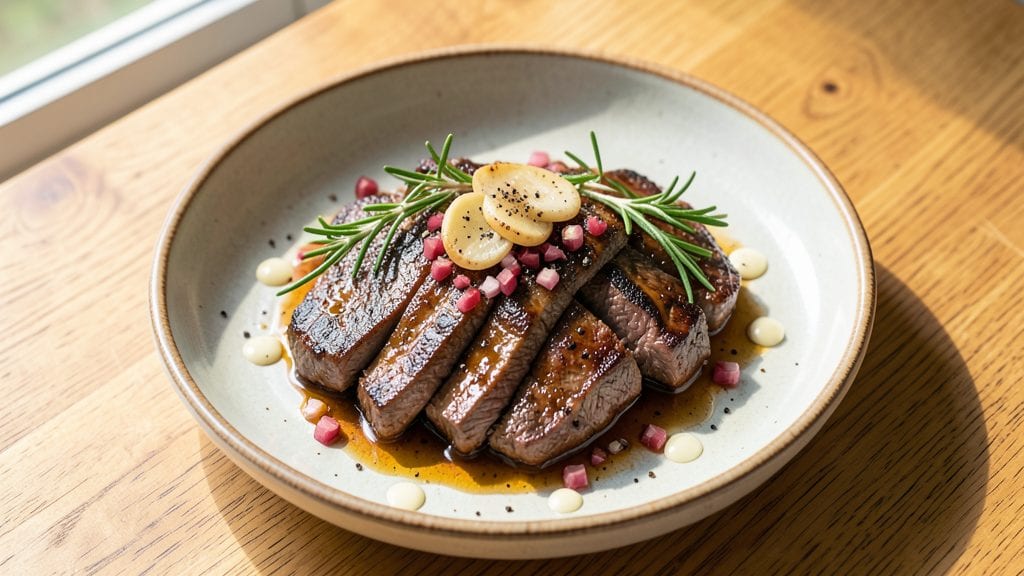
Mastering a thin shoulder steak recipe transforms tough cuts into melt-in-your-mouth perfection through precise technique. The key lies in high-heat searing to create a flavorful crust while keeping the interior tender and juicy—something I perfected after years of testing different methods.
This approach ensures every bite delivers that ideal balance between crispy exterior and buttery interior, making it a reliable choice for weeknight dinners or special occasions.
The secret to success begins with proper preparation: a well-seasoned steak and the right cooking technique. Thin shoulder steaks respond beautifully to quick, high-heat methods like pan-searing, which locks in moisture while developing a rich crust.
Using a cast-iron skillet and rendering fat properly ensures maximum flavor extraction, while a quick rest after cooking guarantees the juices redistribute evenly for that signature tenderness.
By the time you slice into your steak, you'll uncover a perfectly seared crust that gives way to tender, flavorful meat inside—exactly what makes this recipe stand out. The method is straightforward but yields restaurant-quality results, proving that even budget-friendly cuts can shine with the right approach.
Whether you're cooking for two or a crowd, this technique delivers consistent, impressive outcomes every time.
Pair your steak with complementary sides like roasted potatoes or a fresh salad to complete the meal. The simplicity of the cooking method means you can focus on perfecting the steak itself, knowing the rest will come together effortlessly.
Let's get started on creating that ideal balance of texture and flavor in your kitchen.
Ingredients for thin shoulder steak
Precision-cut steak, aromatic herbs, and high-heat technique transform tough cuts into melt-in-your-mouth perfection.
| Ingredient | Amount | Notes |
|---|---|---|
| Thin Shoulder Steak 🥩 | 1 ½ lb | Cut into 1/4-inch thick slices |
| Diamond Crystal Kosher Salt 🧂 | 1 ½ tsp | Coarse grain for seasoning |
| Freshly Ground Black Pepper 🌶️ | 1 tsp | Cracked directly from peppercorn |
| Extra-Virgin Olive Oil 🫒 | 2 tbsp | High smoke point preferred |
| Unsalted Butter 🧈 | 2 tbsp | Cold for basting |
| Garlic Cloves 🧄 | 4 cloves | Minced for marinade |
| Fresh Rosemary 🌿 | 1 tbsp | Finely chopped, stems removed |
| Fresh Thyme Leaves 🌿 | 1 tbsp | Stemmed and chopped |
| Red Wine Vinegar 🍷 | 1 tbsp | For marinade acidity |
| Cast-Iron Skillet 🍳 | 1 whole | 10-12 inch preferred |
| Meat Thermometer 🌡️ | 1 whole | For internal temperature |
The shoulder steak cut is where quality matters most. Look for well-marbled cuts from a trusted butcher or Whole Foods meat department, as this fat distribution ensures tenderness. Pre-slicing to 1/4-inch thickness is critical—thinner slices sear faster and cook through evenly. For the best results, purchase steaks 24 hours in advance to allow them to dry-brine slightly, which enhances crust formation. Fresh herbs like rosemary and thyme should be bright green with no wilting, and Penzeys Spices is a reliable source for premium dried alternatives if fresh isn't available. The cast-iron skillet must be preheated until it's smoking hot—this is non-negotiable for achieving that signature crust.
Substitutions should prioritize flavor retention. If fresh rosemary or thyme is unavailable, dried herbs at half the quantity work, though the aroma will differ slightly. For the olive oil, avocado oil has a higher smoke point and performs similarly. The red wine vinegar can be swapped for lemon juice or apple cider vinegar, though the flavor profile will shift. If you lack a meat thermometer, cut into the thickest slice—it should reach 135°F internal temperature for medium-rare. For the butter, ghee works equally well and has a longer shelf life. The kosher salt should be Diamond Crystal or similar coarse variety—table salt lacks the necessary texture for proper seasoning.
Proper storage begins immediately after purchase. Wrap the steak in parchment paper and refrigerate for up to 3 days before slicing, or freeze for up to 3 months in an airtight container. Fresh herbs should be trimmed and stored in a damp paper towel within a sealed container for up to 5 days. The cast-iron skillet should be seasoned after each use with a thin layer of oil and baked to maintain its non-stick properties. Leftover cooked steak can be reheated in a skillet over medium heat for 2-3 minutes per side to restore its crispy texture, though it won't match the fresh sear. For optimal results, cook the steak just before serving to ensure the best texture contrast.
Why You'll Love This Recipe
- Here’s what sold me: one sheet pan, one spatula, and you’re golden. The steak’s edge gets crispy while the center stays tender, and the butter pools make it look (and taste) restaurant-worthy with zero effort.
- Two-Ingredient Magic: I swear, this recipe nails it with just salt, pepper, and butter—that’s the secret. The thin shoulder steak caramelizes in minutes, and the butter basting? Pure satisfaction every time.
- Weeknight Hero: Honestly, I’ve made this three times this month because it’s unfussy. Sear the steak, add butter, done. No fancy prep, no stress—just flavor that hits the spot when you’re starving at 7:30 PM.
- Budget-Friendly Feast: Thin shoulder steak is my go-to for stretching meals without sacrificing taste. A pound feeds four, and the leftovers? Even better cold in sandwiches the next day—no waste, all win.
Step-by-step instructions for thin shoulder steak with buttery crust
Master this technique for a perfect balance of crispy crust and melt-in-your-mouth tenderness.
Prep and Marinate the Thin Shoulder Steak
Begin by slicing the 1.5 lb thin shoulder steak into ¼-inch thick slices, cutting against the grain for maximum tenderness. Pat each slice dry with paper towels—this ensures a better sear later. In a small bowl, combine the 1 tbsp red wine vinegar, 1 tbsp finely chopped fresh rosemary, 1 tbsp stemmed and chopped fresh thyme leaves, and 4 minced garlic cloves. Whisk until fully integrated, then add the 2 tbsp extra-virgin olive oil. Toss the steak slices in this marinade and let them sit for at least 30 minutes (up to 2 hours) at room temperature. This step tenderizes the meat and infuses it with herbaceous depth.
While marinating, prepare your cast-iron skillet by placing it over medium-high heat until it's preheated. The key here is patience—wait until the skillet is uniformly hot before adding the steak. This ensures an even sear and prevents sticking. If you're unsure, hold your hand about 3 inches above the skillet; if you can't keep it there for 5 seconds, it's not hot enough.
Sear the Steak to Develop Crust
Remove the steak slices from the marinade, allowing any excess to drip off. Season both sides generously with 1.5 tsp diamond crystal kosher salt and 1 tsp freshly ground black pepper. Working in batches if needed, place the steak slices in the hot skillet. Press down gently on each slice during the first minute—this prevents curling and ensures even contact with the pan. Cook undisturbed for 2-3 minutes per side until the edges develop a deep golden-brown crust. The steak should release easily from the skillet when ready to flip.
As the steak sears, you'll notice the marinade components caramelizing in the skillet. This is where flavor develops—don't rush this step. If the skillet cools too much, simply increase the heat to maintain a steady sizzle. Once all slices are seared to your liking, transfer them to a warm plate and tent loosely with aluminum foil. This keeps them warm while you finish the cooking process.
Finish with Butter and Herbs
Reduce the heat to medium and add the 2 tbsp unsalted butter to the skillet. Tilt the skillet slightly and spoon the melted butter over the steak slices, basting them generously. This step is crucial for achieving that signature buttery tenderness. Add the remaining 1 tbsp chopped rosemary and 1 tbsp chopped thyme leaves to the skillet, allowing the aromatics to infuse into the butter for 1-2 minutes. The butter should foam slightly and develop a nutty aroma—this indicates it's ready to coat the steak.
Return the steak slices to the skillet and toss gently to coat them in the herb-infused butter. Cook for an additional 1-2 minutes to ensure the butter adheres to the surface. The steak should now have a glossy finish and a rich, aromatic crust. Use the meat thermometer to check the internal temperature—it should read 130-135°F for medium-rare. If the steak isn't quite there, return it to the skillet for another 30 seconds to finish cooking.
Rest and Serve for Maximum Tenderness
Transfer the steak slices to a cutting board and let them rest for 5-7 minutes before serving. This resting period is essential—it allows the juices to redistribute throughout the meat, ensuring each bite is succulent and flavorful. During this time, you can prepare your preferred sides or make a quick pan sauce by deglazing the skillet with a splash of red wine vinegar or beef broth.
Slice the steak against the grain into ½-inch thick pieces. The result should be a perfect balance of a crispy, golden-brown crust on the outside and a tender, buttery interior. Serve immediately with the herb-infused butter sauce drizzled over the top. The steak should be juicy, aromatic, and bursting with flavor—exactly as promised.
Pro Tips For Making Thin Shoulder Steak
- Sear First, Butter Last: Get that pan screaming hot with olive oil before adding the steak—thin cuts need that initial shock to lock in juices. After 2 minutes per side, pull it out, add butter and a pinch of salt to the pan, then baste the steak with that golden foam. (Yes, even if you’re impatient like me, resist the urge to rush this.)
- Salt Like You Mean It: Diamond Crystal runs lighter, so use about twice what you’d think—start with 1 teaspoon per side, plus another ½ teaspoon after searing. I learned this the hard way when my steak tasted bland despite the butter. (Pro tip: Do it 40 minutes early if you’re prepping ahead.)
- Skip the Overcrowding: Thin shoulder steaks are delicate—don’t toss them in the pan like fries. Cook one side at a time, even if it means two batches. I once burned the edges on three steaks because I panicked and moved them too soon. (Your future self will thank you.)
- Rest Under Foil: After searing, transfer the steak to a plate, loosely tent with foil, and let it sit for 5–10 minutes. The residual heat finishes cooking it without drying it out. (I know, I know—it’s tempting to cut in immediately. Don’t.)
Troubleshooting perfect results
Uneven Cooking Fix
If your steak slices cook unevenly, the issue is likely uneven heat distribution in your skillet. I’ve found that using a 10-12 inch Lodge cast-iron skillet on medium-high heat helps prevent hot spots. Preheat the pan until it’s smoking hot—this ensures consistent searing.
If your skillet isn’t hot enough, increase the heat slightly and wait an extra 30 seconds before adding the steak. For thicker slices, sear them for 3-4 minutes per side instead of the standard 2-3 minutes. 🔥
Overcooked Steak Solution
Shoulder steak can dry out quickly if overcooked, especially when sliced thin. To avoid this, use a meat thermometer and pull the steak off heat when it reaches 130-135°F for medium-rare.
If you’ve accidentally overcooked it, try slicing it thinner (¼-inch thick) and serving it with a rich sauce, like a red wine reduction or herb butter, to add moisture and flavor.
For future attempts, reduce the heat slightly after the initial sear to medium and cook for 1-2 minutes less per side.
Sticking to the Pan
Sticking is a common issue with thin steak slices, but it’s easily preventable. Always pat the steak dry with paper towels before seasoning—this removes moisture that can cause steam and prevent proper crust formation.
Use a high-smoke-point oil like avocado oil or extra-virgin olive oil to coat the skillet before adding the steak. If the steak still sticks, it means your pan isn’t hot enough. Increase the heat and let it preheat for an additional 1-2 minutes until it’s smoking.
A well-seasoned cast-iron skillet also helps—reapply a thin layer of oil and bake it at 450°F for 1 hour if needed.
Soggy Crust Problem
A soggy crust usually means the steak wasn’t rested properly or was over-basted. After searing, transfer the steak to a warm plate and tent it loosely with aluminum foil for 5-7 minutes to rest.
Avoid basting with butter too aggressively—just spoon it over the steak once or twice to coat it evenly. If the crust is still soggy, try searing the steak again briefly over high heat for 30 seconds per side to re-crisp the exterior.
For extra insurance, finish the steak under a broiler for 1-2 minutes to restore that golden crust.
Dry or Tough Texture
Shoulder steak can turn dry or tough if it’s not sliced against the grain or if it’s overcooked. Always cut the steak against the grain before cooking to shorten the muscle fibers and improve tenderness.
For extra moisture, marinate the steak for at least 30 minutes (up to 2 hours) in a mixture of red wine vinegar, olive oil, and herbs.
If the steak still feels tough, try slicing it thinner (¼-inch thick) and serving it with a creamy sauce or compound butter to add richness. For future attempts, reduce the cooking time slightly and let the steak rest longer before slicing.
Nutrition facts
Frequently asked questions
Why does slicing against the grain matter for thin shoulder steak?
Slicing against the grain shortens the muscle fibers, making each bite more tender. The shoulder cut has long muscle fibers that can feel chewy if cut with the grain. For ¼-inch thick slices, always look for the grain direction and cut perpendicular to it. This simple step transforms tough cuts into melt-in-your-mouth perfection.
Can I use a different cooking method besides pan-searing?
While pan-searing creates the best crust, you can also grill these thin slices over medium-high heat for 2-3 minutes per side or broil them for 4-5 minutes total (watch closely). For oven methods, bake at 400°F for 8-10 minutes on a wire rack. The key is high heat and quick cooking to maintain tenderness.
How do I know when the steak is done without a thermometer?
For medium-rare, press the steak gently with tongs—it should feel slightly springy. The edges should be golden-brown while the center remains warm to the touch. Cut into the thickest slice: it should be bright red in the center with pink edges. For medium, the center will be uniformly pink.
What's the best way to serve leftover thin shoulder steak?
Reheat gently in a skillet over medium heat for 2-3 minutes per side with a splash of broth to restore moisture. Slice thinner than ½-inch and serve with rich sauces like red wine reduction or chimichurri. For sandwiches, layer with caramelized onions and provolone on crusty bread. Never microwave—it ruins the texture.
Can I substitute other cuts for thin shoulder steak?
Yes! Flank steak or skirt steak work well with this method, but slice them ¼-inch thick and marinate for 30-60 minutes longer. Chuck steak (cut into ½-inch slices) also works but needs 10-15 minutes of slow cooking after searing. The key is thin slices and high heat to prevent toughness.