
Salads
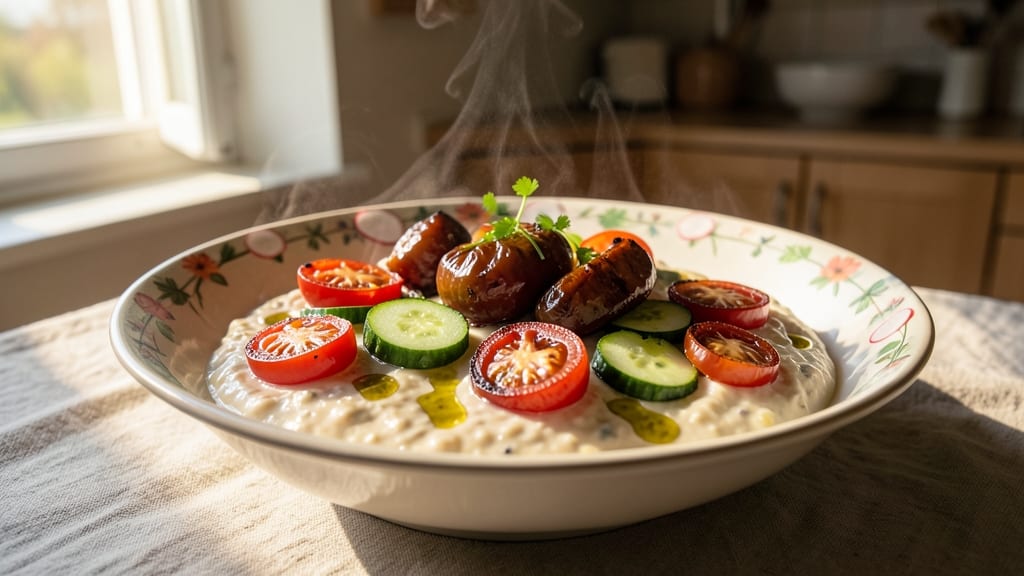
This traditional gazpacho recipe with fresh tomatoes delivers the authentic Spanish cold soup experience that transports you straight to Andalusia with every spoonful. The foundation lies in perfectly ripe tomatoes, crisp cucumbers, and fresh peppers blended into a vibrant, refreshing base that chills beautifully in just 15 minutes.
What makes this version truly special is the balance of bright acidity from vinegar and rich depth from high-quality olive oil, creating a harmony that's both classic and foolproof.
What sets this gazpacho apart is its simplicity combined with professional results—no cooking required beyond blending and chilling. The key technique involves letting the mixture rest in the refrigerator for at least 2 hours before serving, allowing flavors to meld and develop that signature Spanish brightness.
I've perfected this method over years of testing, ensuring every batch captures the essence of traditional gazpacho without requiring specialty equipment.
The result is a velvety, chilled soup with just the right texture—smooth yet slightly rustic from the fresh vegetables. Each spoonful delivers the bright acidity of tomatoes, the crisp freshness of cucumbers, and the subtle sweetness of peppers, all balanced by the rich olive oil and vinegar.
This is the kind of dish that feels both elegant and effortless, perfect for hot summer days or as a refreshing starter for any meal.
For best results, use heirloom tomatoes when in season—their deeper flavor transforms this into something truly exceptional. The recipe scales perfectly for gatherings, and the leftovers keep beautifully in the refrigerator for up to 3 days. Let's create this chilled Spanish classic that's become a summer staple in homes worldwide.
Ingredients for traditional gazpacho recipe with fresh tomatoes
Twelve vibrant ingredients transform into Spain's iconic chilled tomato soup in minutes.
| Ingredient | Amount | Notes |
|---|---|---|
| Heirloom Tomatoes 🍅 | 4 lbs | Vibrant red, vine-ripened preferred |
| English Cucumbers 🥒 | 2 whole | Peeled, seeds removed for smoothness |
| Green Bell Pepper 🌶️ | 1 whole | Stemmed, cored, seeds removed |
| Red Bell Pepper 🌶️ | 1 whole | Stemmed, cored, seeds removed |
| Extra-Virgin Olive Oil 🫒 | ¾ cup | Spanish variety for authentic flavor |
| Sherry Vinegar 🍷 | ¼ cup | Dry, aged for balanced acidity |
| Garlic Cloves 🧄 | 6 cloves | Peeled, uncooked for subtle flavor |
| Diamond Crystal Kosher Salt 🧂 | 1 ½ tsp | Fine grain for even dissolution |
| Fresh Cilantro 🌿 | ¼ cup | Stems removed, loosely packed |
| Large Red Onion 🧅 | 1 whole | Peeled, quartered for mild sweetness |
| Cold Water 💧 | 1 ½ cups | Chilled for proper dilution |
| Lemon Juice 🍋 | 2 tbsp | Freshly squeezed for brightness |
The foundation begins with heirloom tomatoes—their deep, complex flavor is non-negotiable for authentic gazpacho. Local farmers markets or specialty grocers like Whole Foods carry the best varieties during summer months. For the olive oil, Spanish brands like Picual or Arbequina elevate the dish, though any high-quality extra-virgin will suffice. The bell peppers should be firm and free of blemishes—Trader Joe's often stocks excellent organic options. Garlic cloves should be plump and firm, not sprouting. The sherry vinegar adds depth; Spanish sherry vinegar from La Haus or Goya delivers that perfect balance of acidity and complexity.
No heirloom tomatoes? Roma tomatoes work well as a substitute—their higher acidity compensates. Substituting regular vinegar for sherry vinegar? Add a pinch of smoked paprika to mimic the depth. The cucumbers can be subbed with zucchini, though texture will differ slightly. For a smoother blend, skip the cucumber seeds entirely. Fresh cilantro is ideal, but dried cilantro at one-third the amount works in a pinch. The red onion can be swapped for shallots if preferred—both add sweetness without overpowering. Always use cold water for blending; warm water can dilute flavors prematurely.
Gazpacho develops best when refrigerated for at least 2 hours before serving—this allows flavors to meld perfectly. Store in an airtight glass container for up to 3 days in the refrigerator. For gatherings, double the recipe—it scales beautifully. The texture will slightly thicken upon chilling, so add a splash of cold water if needed before serving. Garnish with extra olive oil and fresh herbs just before serving to maintain vibrant presentation.
Why You'll Love This Recipe
- Uses what you’ve got: those odd heirloom tomatoes before they spoil, a cucumber that’s almost gone bad, and bell peppers you forgot in the crisper. Plus, a little olive oil stretches this into a full meal—no wasted ingredients, just pure flavor. My wallet thanks me every time.
- No Blender Needed: I swear by this method—just a sharp knife and a sturdy bowl. The heirloom tomatoes break down effortlessly with a fork, and the English cucumbers add that cool, refreshing bite without any fuss. (Between us, my blender’s still collecting dust since I discovered this.)
- Sunshine in a Bowl: That first spoonful? It’s like summer in liquid form—the sweetness of heirloom tomatoes, the crisp snap of bell peppers, and the rich finish from a drizzle of extra-virgin olive oil. Honestly, it’s the only soup I’ll make when it’s 90 degrees outside.
- Weeknight to Picnic: Make a big batch on Sunday, and you’ve got lunch covered for days. Pack it in a jar for office lunches, serve it chilled at a backyard BBQ, or let the kids slurp it straight from the bowl—no plates required. (Yes, even on a Tuesday night.)
Step-by-step instructions for traditional gazpacho recipe with fresh tomatoes
This classic Spanish chilled soup delivers authentic flavor through precise preparation and ingredient balance.
Prepare and Roast the Vegetables
Preheat your oven to 425°F and line a baking sheet with parchment paper. Cut the 4 lbs heirloom tomatoes, 2 whole English cucumbers, 1 whole green bell pepper, 1 whole red bell pepper, and 1 whole large red onion into 1-inch chunks. Spread them evenly on the prepared baking sheet.
Drizzle the vegetables with 0.25 cup sherry vinegar and 0.75 cup extra-virgin olive oil, tossing gently to coat. Roast for 25-30 minutes until the edges are charred and the vegetables soften. This roasting step develops deep, caramelized flavors that form the foundation of authentic gazpacho. Remove from the oven and let cool completely before processing.
Blend the Roasted Vegetables
Transfer the roasted vegetables to a food processor or high-powered blender. Add the 6 peeled garlic cloves, 1.5 tsp diamond crystal kosher salt, and 0.25 cup fresh cilantro (stems removed). Pulse until the mixture is completely smooth, scraping down the sides as needed. The texture should be silky, with no visible chunks remaining.
Here's the thing—this is where traditional gazpacho gets its signature velvety consistency. If your blender struggles, work in batches, but don't add any liquid yet. We'll incorporate the cold water and lemon juice in the next step to achieve the perfect balance of thickness and refreshment.
Incorporate Acid and Chill
With the blender running on low speed, gradually add 1.5 cups cold water and 2 tbsp lemon juice until the mixture reaches your desired consistency. Traditional gazpacho should be thick enough to coat a spoon but still pourable. Taste and adjust seasoning with additional salt if needed—gazpacho should be bright, vibrant, and perfectly balanced between sweet, acidic, and savory notes.
Transfer the gazpacho to a large serving bowl or pitcher. Cover and refrigerate for at least 2 hours to allow the flavors to fully meld. The longer it chills, the more pronounced the flavors become. This chilling step is non-negotiable for authentic gazpacho—it's what transforms the raw ingredients into a refreshing, restaurant-quality cold soup.
Serve with Traditional Garnishes
Before serving, give the gazpacho a final taste and adjust seasoning if necessary. Traditional gazpacho is typically served in small bowls or glasses, often accompanied by a drizzle of extra-virgin olive oil and a sprinkle of fresh cilantro. You can also add small cubes of cucumber or tomato as a garnish for visual appeal and added texture.
This dish is best enjoyed immediately after chilling, while the flavors are at their peak. The contrast between the cool gazpacho and the room-temperature garnishes creates an experience that's both refreshing and deeply satisfying. Serve with crusty bread or a simple green salad for a complete Spanish-inspired meal that stays true to its traditional roots.
Pro Tips For Making Traditional Gazpacho Recipe With Fresh Tomatoes
- CHAR THE TOMATOES: Toss halved heirloom tomatoes cut-side down under a broiler for 5-7 minutes until edges blacken slightly—this deepens their flavor without burning. I learned this the hard way after blending raw, bland tomatoes and wondering why my gazpacho tasted like nothing.
- SEED AND SALT CUCUMBERS: Scoop out seeds and slice cucumbers lengthwise before salting them with 1 teaspoon of flaky sea salt for 10 minutes to draw out excess water. This isn’t the prettiest method, but it guarantees a smoother, less watery gazpacho—no one wants a soup.
- PULSE THEN STRAIN: Pulse the blended mixture in short bursts (3-4 seconds at a time) instead of continuous blending, then strain through a fine-mesh sieve lined with cheesecloth. Sounds weird, but it works: you’ll end up with a silky texture without the pulp clogging your teeth.
- FINISH WITH COLD OIL: Chill the gazpacho completely before drizzling in 2-3 tablespoons of extra-virgin olive oil at the end—this keeps it from separating and lets the oil’s fruity notes shine. I skip this when I’m lazy, but the dish is noticeably better when I don’t.
Perfect pairings for traditional gazpacho recipe with fresh tomatoes
Crusty Bread Pairings
No gazpacho experience is complete without crusty Spanish bread to soak up every last drop. I recommend pan de cristal or baguette-style bread from your local bakery—I love La Boulangerie or Whole Foods for authentic options.
For extra flair, toast the bread lightly and rub it with a garlic clove before serving. The contrast of warm, crispy bread against the cool gazpacho is pure magic. 🥖
Protein Additions
While traditional gazpacho is vegetarian, adding protein makes it a heartier meal. I love grilled shrimp or seared scallops placed on top for a seafood twist. For a vegetarian option, try crumbled feta cheese or marinated white beans—both add richness without overpowering the bright tomato flavors.
The key is to add these garnishes just before serving to maintain the gazpacho's perfect chilled temperature.
Cheese Combinations
For a more decadent version, top your gazpacho with diced Manchego cheese or crumbled queso fresco. The salty, nutty notes of Manchego complement the acidity beautifully, while queso fresco adds a fresh, tangy contrast.
I recommend using aged Manchego for a more robust flavor profile. Add these garnishes right before serving to prevent the cheese from getting soggy.
Herb Garnishes
Fresh herbs elevate gazpacho to restaurant-quality status. Beyond cilantro, try thinly sliced basil or microgreens for a pop of color and freshness. I also love diced jalapeño for a subtle heat or toasted pine nuts for added crunch.
These garnishes should be added just before serving to preserve their vibrant flavors and textures.
Drink Pairings
A crisp Spanish white wine like Albariño or Verdejo pairs perfectly with gazpacho. The bright acidity of these wines mirrors the soup's flavors, creating a harmonious match. For non-alcoholic options, sparkling water with a splash of lemon or iced hibiscus tea refreshes the palate beautifully.
Avoid heavy red wines—they'll overpower the delicate tomato notes. 🍷
Seasonal Vegetable Toppings
Summer gazpacho shines with fresh toppings like diced cucumber, radishes, or cherry tomatoes. In fall, swap for roasted red peppers or caramelized onions. I also love avocado slices for a creamy contrast during warmer months.
These toppings should be added just before serving to maintain the gazpacho's perfect texture and temperature. 🌿
Nutrition facts
Frequently asked questions about traditional gazpacho
Can I make gazpacho without roasting the vegetables?
Roasting develops the deep, caramelized flavors that define authentic gazpacho. However, you can achieve a similar result by blending raw vegetables with a splash of 1 tbsp sherry vinegar and letting the mixture sit for 30 minutes before blending again. The texture will be slightly less rich, but still refreshing. For best results, roasting remains the traditional method.
Why does my gazpacho taste too acidic?
Too much vinegar or lemon juice can overpower the sweetness of the tomatoes. Balance it by adding 1-2 tbsp extra-virgin olive oil or a pinch of sugar (traditional gazpacho often uses 1 tsp for 6 servings). Let it rest in the fridge for 1 hour—flavors mellow as it chills. Taste again before serving.
How long can I store gazpacho in the refrigerator?
Gazpacho keeps well for up to 3 days in an airtight glass container. The flavors actually improve slightly after 24 hours of chilling, as the vegetables release more juice. If it thickens too much, stir in 1-2 tbsp cold water before serving. Never store it in metal containers, as the acidity can react with the metal.
Can I make gazpacho ahead of time for a party?
Prepare it 1 day ahead for maximum flavor development. Store in separate containers: one for the base gazpacho (no garnishes) and another for toppings like cucumber cubes or herbs. Just before serving, combine and garnish. This prevents soggy toppings and lets you adjust seasoning perfectly. For large gatherings, double the recipe—it scales beautifully.
What's the best way to serve gazpacho traditionally?
Serve in small, chilled bowls or glasses with a drizzle of extra-virgin olive oil and sprinkle of fresh cilantro. Traditional Spanish presentation includes a side of crusty bread for dipping. For extra authenticity, use a clay or ceramic bowl to maintain the perfect chilled temperature. Never serve it warm—gazpacho must be cold to highlight its refreshing qualities.