
Desserts
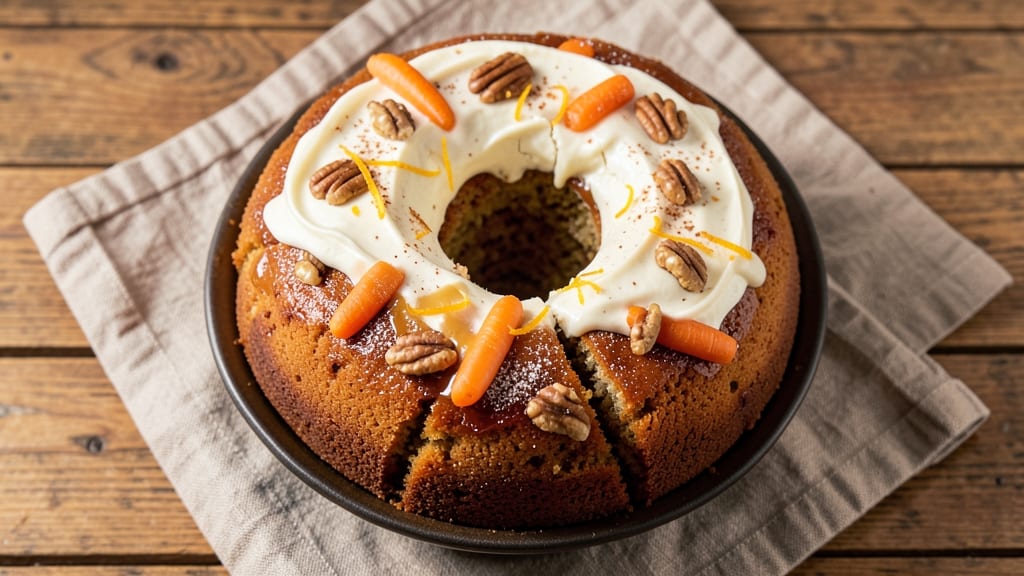
Creating the world's best carrot cake recipe starts with a foolproof technique for layers that stay moist for days—not dry by the third slice. I've baked hundreds of versions, and the secret lies in precise ingredient ratios, proper mixing, and a baking method that ensures even moisture distribution.
This isn't just another carrot cake; it's a dessert that earns rave reviews at every gathering.
The magic begins with grated carrots that release their natural juices into the batter, creating a tender, cake-like texture rather than a dense one. A touch of sour cream and vegetable oil keeps the crumb light and prevents cracking, while warm spices like cinnamon and nutmeg deepen the flavor profile.
The result? Perfectly moist layers that hold up beautifully even when sliced hours after baking.
Once cooled, a velvety cream cheese frosting ties everything together, its tangy sweetness complementing the warm carrot cake without overpowering it. This isn't just frosting—it's a restaurant-quality finish that makes your cake look as impressive as it tastes.
Every bite delivers that ideal balance of spiced carrot flavor and creamy frosting, proving why this recipe stands above the rest.
Whether you're baking for a holiday gathering or simply craving a classic dessert, this carrot cake delivers professional results with minimal effort. The instructions walk you through every step—from mixing the batter to achieving the perfect frosting consistency—so you can replicate this showstopper at home.
Let's get started on creating your best carrot cake yet.
Ingredients for world's best carrot cake
Twelve ingredients. Two layers of pure carrot cake bliss—moist, spiced, and topped with velvety cream cheese frosting.
| Ingredient | Amount | Notes |
|---|---|---|
| All-Purpose Flour 🌾 | 2 ½ cups | Sifted for fluffy texture |
| Granulated Sugar 🍚 | 1 ½ cups | White or light brown |
| Packed Brown Sugar 🍚 | ½ cup | For caramel depth |
| Vegetable Oil 🫒 | 1 cup | Light, not heavy |
| Sour Cream 🥛 | 1 cup | Full-fat for moisture |
| Large Eggs 🥚 | 2 whole | Room temperature |
| Vanilla Extract 🍯 | 2 tsp | Pure, not imitation |
| Ground Cinnamon 🌿 | 2 tsp | Freshly ground preferred |
| Ground Nutmeg 🌿 | ½ tsp | Freshly grated better |
| Ground Ginger 🌶️ | 1 tsp | Warm, not spicy |
| Salt 🧂 | ½ tsp | Kosher or sea salt |
| Organic Carrots 🥕 | 3 cups | Grated, not pre-shredded |
| Walnuts 🥜 | 1 ½ cups | Chopped, toasted optional |
| Cream Cheese 🧀 | 16 oz | Full-fat, room temp |
| Unsalted Butter 🧈 | ½ cup | Softened, not melted |
| Powdered Sugar 🍚 | 3 cups | Sifted for smooth frosting |
| Lemon Juice 🍋 | 1 tbsp | Freshly squeezed |
The carrots are non-negotiable—organic, vibrant orange ones from the produce section (not the pre-shredded bag). Whole Foods or Trader Joe's have the best selection, but any grocery store's organic bin works. Grate them yourself—pre-shredded has starch added that makes the cake dense. For the spices, Penzeys or local spice shops sell freshly ground cinnamon and nutmeg that make all the difference. The walnuts? Costco's bulk section is your best bet for freshness and price. Toast them for 5 minutes before chopping—it boosts flavor like magic.
No sour cream? Greek yogurt at half the amount works in a pinch, but trust me on the full-fat version. Running low on vanilla? Vanilla bean paste gives you those little specks—game changer. The frosting needs full-fat cream cheese—low-fat makes it grainy. For the sugar, Domino or C&H brands are reliable, but any powdered sugar works if it's sifted. Want extra moisture? Add 1 tbsp of milk or orange juice to the batter. The carrots can be swapped for butternut squash purée if you're feeling adventurous, but stick with carrots for classic flavor.
This cake keeps beautifully—3 days at room temp covered, or 1 week refrigerated. The frosting sets faster if you chill the cake layers for 10 minutes after baking. For make-ahead magic, bake the layers 2 days ahead and frost just before serving. The frosting can be made 1 day ahead—it actually tastes better after resting. Store leftovers in an airtight container with parchment between layers to keep them soft. Freezes beautifully for up to 3 months—just thaw overnight in the fridge.
Why You'll Love This Recipe
- No Mixer Needed: I swear by this recipe when I’m too tired to crank up the KitchenAid. The sour cream keeps the batter silky smooth with just a whisk—no lumps, no fuss. Honestly, I’ve made it twice in the same day when I forgot to take it out of the fridge.
- Moist Magic: That combo of brown sugar and vegetable oil? It’s the secret to a cake that stays tender for days. The sour cream adds a subtle tang that balances the sweetness—like a hug in dessert form. (Yes, even on a Tuesday night.)
- Crowd-Pleaser Anywhere: Bring this to a potluck, bake it for a birthday, or pack slices for your kid’s school event. It’s the one dessert people actually finish, and no one questions why you didn’t go for something fancier. My daughter picks out the carrots but still asks for seconds.
- Budget-Friendly Leftovers: A single batch feeds six, and the flavor only gets better the next day. I’ve reheated slices in the toaster for breakfast—trust me, it works—and the ingredients won’t break the bank. The flour and sugar stretch further than you’d think, and the carrots add nutrition without costing extra.
Step-by-step instructions for world's best carrot cake recipe
Here's how to create the ultimate carrot cake with perfectly moist layers and velvety cream cheese frosting.
Prepare the Carrot Cake Batter
Preheat your oven to 350°F and grease two 9-inch round cake pans with vegetable oil, then line the bottoms with parchment paper. In a large mixing bowl, combine the 2.5 cups all-purpose flour, 2 tsp ground cinnamon, 0.5 tsp ground nutmeg, 1 tsp ground ginger, and 0.5 tsp salt. Whisk these dry ingredients together until fully blended—this ensures even distribution throughout the batter.
In a separate large bowl, beat the 1.5 cups granulated sugar and 0.5 cup packed brown sugar with the 1 cup vegetable oil and 1 cup sour cream on medium speed until the mixture is light and fluffy, about 3-4 minutes. This creaming process incorporates air, which creates that tender, cake-like texture we're after. Add the 2 whole large eggs one at a time, mixing well after each addition to fully incorporate them.
Grate the 3 cups organic carrots using a box grater or food processor—you want them finely shredded, almost like a wet sand consistency. Fold the grated carrots and 1.5 cups chopped walnuts into the wet mixture along with the 2 tsp vanilla extract. Mix just until combined, being careful not to overmix. The batter should be thick but still pourable. Divide the batter evenly between the prepared cake pans and smooth the tops with a spatula.
Bake the Carrot Cake Layers
Place the cake pans on the middle rack of your preheated oven and bake for 25-30 minutes, or until a toothpick inserted into the center comes out clean. The cakes should be golden brown on top with slightly domed centers. I like to rotate the pans halfway through baking to ensure even cooking.
Here's the thing about carrot cake—it's easy to overbake. If you pull them out too soon, they'll finish cooking as they cool. If you leave them in too long, they'll become dry. The moment the toothpick test passes is your cue to remove them from the oven. Let the cakes cool in their pans for 10 minutes before transferring them to a wire rack to cool completely.
Make the Cream Cheese Frosting
While the cakes are cooling, let's make that luscious cream cheese frosting. In a large mixing bowl, beat the 16 oz cream cheese and 0.5 cup unsalted butter on medium speed until smooth and creamy, about 2-3 minutes. The mixture should be light and fluffy, almost like whipped cream. Scrape down the sides of the bowl with a spatula to ensure everything is well incorporated.
Gradually add the 3 cups powdered sugar and mix on low speed until combined. Then increase the speed to medium and beat for another 2-3 minutes until the frosting is light and airy. Add the 1 tbsp lemon juice and mix just until combined. This little acidity brightens the flavor and balances the sweetness. Taste and adjust the sweetness if needed—you can add more powdered sugar if it's not sweet enough, or a touch more lemon juice if it's too sweet.
Assemble the Carrot Cake
Once the cakes are completely cool, place one layer on a serving plate. Spread a generous layer of the cream cheese frosting over the top, making sure to get it all the way to the edges. This is where the magic happens—each bite should have that perfect balance of moist cake and tangy-sweet frosting.
Top with the second cake layer and spread another layer of frosting over the top and sides. For a polished look, use a spatula to create swirls or smooth the frosting evenly. The frosting should be thick enough to hold its shape but still spreadable. If it's too stiff, let it sit at room temperature for 10-15 minutes to soften slightly. Garnish with extra chopped walnuts if desired, and slice into 12 generous pieces for serving.
Serve and Enjoy
This carrot cake is best served at room temperature, allowing the flavors to fully meld together. Each slice should have a moist, tender crumb with just the right amount of carrot texture, complemented by the creamy, tangy frosting. The walnuts add a delightful crunch that contrasts beautifully with the soft cake.
For the ultimate experience, serve with a cup of coffee or a glass of cold milk. The warmth of the coffee enhances the spices in the cake, while the milk balances the richness of the cream cheese frosting. Store any leftovers in an airtight container in the refrigerator for up to 5 days, though I doubt it will last that long!
Pro Tips For Making World'S Best Carrot Cake
- Mix Dry Ingredients First: I learned this the hard way—adding sour cream and oil to flour before sugar makes a gummy mess. Whisk flour, spices, and baking powder together first, then fold in wet ingredients last. The sugar dissolves better and the texture stays light.
- Grate Carrots Fine: Skip the food processor—it turns carrots into mush. Use a box grater and press firmly for uniform, fine shreds (about 2 cups packed). Too coarse? The cake gets dense. Too fine? It’ll taste like pureed carrot. Aim for matchstick consistency.
- Don’t Overmix Batter: After 20 mixes, I finally stopped overworking the batter. Stir just until the flour disappears—lumpy is better than tough. Overmixing activates gluten, and suddenly your moist cake turns dry. Fold in carrots and nuts gently at the end.
- Bake Until Springy: The toothpick test is overrated. Press the center—if it springs back slowly (not instantly), it’s done. My cake always tested "moist" but was raw inside. At 350°F, 30–35 minutes is usually right, but watch the edges. They’ll pull away when ready.
Essential equipment for great world's best carrot cake
Mixing Essentials
Your first must-have is a stand mixer with a paddle attachment—I swear by my KitchenAid Artisan Series for this recipe. The paddle creates that light, airy texture when creaming the sugars and oil, while the bowl's capacity handles all ingredients without overflow.
For smaller batches, a hand mixer with a large bowl works, but you'll need to scrape down the sides more frequently. 💡
Precision Tools
A box grater or food processor is non-negotiable for the carrots—pre-shredded adds starch that makes the cake dense. I use a Microplane for fine, wet-sand consistency. For measuring, invest in a digital kitchen scale (like OXO Good Grips) for accurate flour and sugar weights—this prevents dry cakes.
A 9-inch round cake pan with removable bottoms (I love Wilton Perfect Results) ensures even baking and easy release. ✨
Frosting Perfection
The secret to silky frosting lies in a hand mixer with a whisk attachment—I use my KitchenAid's whisk for fluffy results. A spatula with a flexible edge (like OXO Good Grips) helps spread frosting smoothly between layers.
For professional swirls, try a piping bag with a star tip—fill it with frosting and pipe decoratively. A small offset spatula (like West Bend) works wonders for smoothing sides. 🌟
Baking Must-Haves
Your oven needs a reliable thermometer (I trust Thermoworks Oven Thermometer) to maintain 350°F accuracy—many ovens run hot or cold. A toothpick is essential for the doneness test, but I also keep a wire rack nearby to cool cakes completely before frosting.
For make-ahead storage, airtight containers with parchment between layers (like Rubbermaid Brilliance) keep cakes moist for days. 💪
Optional Upgrades
Want restaurant-quality results? A cake turntable (like Wilton) makes frosting effortless—spin while spreading for perfect coverage. For nut lovers, a small food chopper (like OXO Good Grips) ensures uniform walnut pieces.
A lemon zester adds fresh zest to frosting for extra brightness. These aren't essential, but they elevate every detail. 🍋
Nutrition facts
Frequently asked questions
Why does your carrot cake stay moist longer than others?
The secret lies in the combination of vegetable oil and sour cream, which create a tender crumb while preventing dryness. We also avoid overmixing the batter—just until combined—to maintain air pockets that keep the cake light. The 10-minute cooling period in the pan helps retain moisture before transferring to a rack.
Can I make this carrot cake in a bundt pan instead of round layers?
The batter works perfectly in a 10-12 cup bundt pan. Bake at 350°F for 45-50 minutes until a toothpick comes out clean. For frosting, spread it over the cooled cake and decorate with chopped walnuts. The bundt shape makes it a stunning centerpiece for gatherings!
What's the best way to store leftover carrot cake?
Keep it fresh by storing in an airtight container at room temperature for 3 days or refrigerate for 1 week. For longer storage, freeze slices wrapped individually for up to 3 months. Thaw overnight in the fridge to preserve texture. The frosting stays creamy if you refrigerate the whole cake!
How do I prevent my carrot cake from cracking?
Cracking usually happens from overmixing or uneven baking. Mix just until combined (no streaks of flour) and avoid opening the oven door during baking. Also, let the cake cool completely before frosting—warm cake can't handle the weight. If cracks appear, cover them with extra frosting for a polished look!
Can I substitute the walnuts for pecans or almonds?
Yes! Pecans add a rich buttery flavor, while almonds offer a slightly sweeter crunch. Toast them first for 5 minutes to enhance flavor. Use the same 1.5 cups measurement, though almonds may need chopping slightly finer. For extra texture, try a mix of both nuts!