
Side Dishes
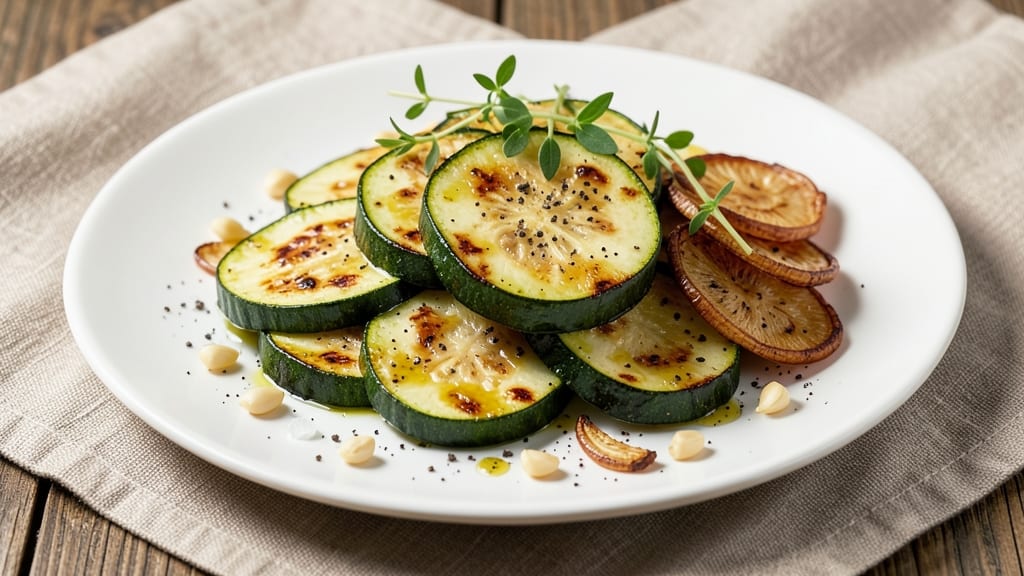
Roasted zucchini transforms ordinary summer vegetables into a restaurant-quality side dish with just a few simple steps and 400°F heat.
The key lies in cutting zucchini into even slices—about ¼-inch thick—and tossing them with olive oil, salt, and pepper before roasting until the edges turn golden and crisp while the centers remain tender. This method preserves the natural sweetness of summer zucchini while adding depth through caramelization.
What makes this roasted zucchini recipe stand out is its versatility and ease—no special equipment or advanced techniques required. A 20-minute roast at high heat delivers perfectly charred edges and silky centers every time, making it ideal for weeknight dinners or holiday sides.
For extra flavor, I recommend adding minced garlic or fresh herbs like thyme or basil during the final minutes of roasting.
The result is a dish that’s bright, slightly smoky, and packed with texture—crispy on the outside, tender within. This roasted zucchini pairs beautifully with grilled meats, pasta dishes, or even as a standalone vegetarian main when served with a drizzle of balsamic glaze.
The method is foolproof, and the flavor is undeniably satisfying.
Whether you're prepping for a meal or looking to elevate simple vegetables, this recipe delivers professional results with minimal effort. The secret is in the timing and temperature—hot oven, even slices, and just enough seasoning to enhance, not overpower. Let’s get started!
Ingredients for zucchini, roasted
Four medium zucchini, olive oil, and two key seasonings transform summer vegetables into a restaurant-quality side.
| Ingredient | Amount | Notes |
|---|---|---|
| Medium Zucchini 🥒 | 4 whole | Trimmed ends, sliced 1/4-inch thick |
| Extra-Virgin Olive Oil 🫒 | 2 tbsp | High-quality, fruity variety |
| Kosher Salt 🧂 | 1 ½ tsp | Diamond Crystal preferred |
| Freshly Ground Black Pepper 🌶️ | ½ tsp | Coarse grind for texture |
| Fresh Garlic Cloves 🧄 | 2 cloves | Minced, for final minutes |
| Fresh Thyme Leaves 🌿 | ¼ cup | Chopped, stems removed |
| Balsamic Glaze 🍷 | 2 tbsp | Reduction, for finishing |
The zucchini selection matters—firm, bright green with no soft spots ensures optimal texture. Local farmers markets often carry the freshest varieties, but standard grocery store zucchini works fine. Look for medium-sized ones (about 6-8 inches long) as they slice more evenly. The extra-virgin olive oil should have a peppery finish—California avocado or Italian brands often deliver this quality. For the garlic, freshly minced releases more flavor than pre-minced jars, which oxidize quickly. Store zucchini in the fridge for up to 5 days—they're best used fresh.
No fresh thyme? Dried thyme at one-third the amount works in a pinch, though fresh provides superior aroma. Substitute basil or oregano if needed, but thyme's earthy note complements the caramelization best. For the balsamic glaze, reduce store-bought balsamic vinegar by simmering 1 cup for 5 minutes to achieve a thicker consistency. The salt should be kosher or sea salt—table salt is too fine and can over-salt the dish. Prefer Diamond Crystal for its larger flakes that melt beautifully during roasting.
Prepped zucchini keeps 2 days in the fridge when stored in a sealed container with a paper towel to absorb moisture. Roasted zucchini reheats beautifully—30 seconds in a skillet restores crispiness. For meal prep, portion into glass containers with a drizzle of olive oil to maintain freshness. The dish freezes for 2 months but texture may soften slightly—best enjoyed fresh or reheated quickly.
Why You'll Love This Recipe
- One-Pan Magic: I swear by this—just toss sliced zucchini, olive oil, salt, and garlic on a sheet pan, then forget about it. Twenty minutes later, you’ve got dinner with zero cleanup.
- Garlic-Kissed Crunch: That crispy edge from the roasting? Chef’s kiss. The garlic cloves caramelize just enough to make every bite taste like you slaved over it—even though you didn’t.
- Meal Prep MVP: Roast a big batch on Sunday, and you’ve got snackable sides for salads, pasta, or sandwiches all week. Honestly, I’ve eaten this cold straight from the fridge—no judgment.
- Budget Brightener: Zucchini’s the unsung hero of cheap, filling veggies. A few cloves of garlic and a drizzle of olive oil turn it into something restaurant-worthy without breaking the bank.
Step-by-step instructions for roasted zucchini with charred edges
This method delivers perfectly caramelized exteriors and tender interiors every time.
Prepare the Zucchini for Even Cooking
Begin by trimming the ends from all 4 whole medium zucchini using a sharp chef's knife. Cut each zucchini lengthwise into quarters, then slice each quarter into ¼-inch thick half-moons. Arrange the slices on a clean kitchen towel and sprinkle evenly with the 1.5 teaspoons kosher salt. Fold the towel edges inward to form a bundle and let sit for 15 minutes.
This salting step draws out excess moisture, which prevents the zucchini from becoming waterlogged during roasting. The slices should feel slightly softer to the touch after resting. Pat them dry with paper towels before proceeding, removing any remaining surface moisture that could inhibit browning.
Season and Arrange for Optimal Browning
In a large bowl, combine the prepared zucchini slices with the 2 tablespoons extra-virgin olive oil. Add the 0.25 cup chopped fresh thyme leaves and toss gently until every slice is evenly coated. Transfer the zucchini to a rimmed baking sheet lined with parchment paper, arranging them in a single layer with space between each piece.
For even roasting, I arrange the slices cut-side up in a slightly overlapping pattern, leaving about ½-inch between each piece. This creates surface area for maximum caramelization while allowing hot air to circulate. Preheat your oven to 425°F while the zucchini rests on the sheet.
Roast Until Charred and Tender
Place the baking sheet on the center rack of your preheated oven and roast for 18-22 minutes. The zucchini is ready when edges develop deep golden-brown char marks while the centers remain silky and tender when pierced with a fork.
Resist the urge to check frequently—each oven varies, but you're aiming for that perfect contrast between crispy edges and soft centers. The zucchini should smell sweetly caramelized when done. If some pieces brown faster than others, rotate the sheet after 12 minutes for even cooking.
Finish with Aromatics and Glaze
Remove the zucchini from the oven and transfer to a serving platter. Immediately sprinkle with the 0.5 teaspoon freshly ground black pepper and the 2 minced fresh garlic cloves. Drizzle evenly with the 2 tablespoons balsamic glaze, allowing it to pool slightly between the slices.
The acidity of the balsamic glaze brightens the caramelized flavors while the garlic adds depth. Let the zucchini rest for 3-4 minutes before serving to allow the aromas to meld. The final result should feature contrasting textures—crispy edges yielding to tender, sweet centers—with a glossy finish from the glaze.
Pro Tips For Making Zucchini, Roasted
- Slice Thinly, Evenly: I learned this the hard way—uneven slices mean uneven cooking. Cut zucchini into ¼-inch rounds (no thicker) so they brown consistently. A mandoline makes this faster, but a sharp knife works too—just stay patient.
- Salt Before Roasting: Toss zucchini with salt and oil before hitting the oven. The salt draws out moisture, helping the olive oil cling better for crispier edges. Skip this, and you’ll end up with soggy, flavorless rounds.
- Use High Heat Early: Start roasting at 425°F (220°C) for the first 10 minutes—this caramelizes the edges fast. After that, drop to 375°F (190°C) to finish without burning. I used to roast at low heat, and the zucchini just turned mushy.
- Garlic: Smash, Don’t Mince: Roughly chop garlic cloves and smash them with the flat side of your knife instead of mincing. This keeps their texture intact, adding pockets of flavor that sear into the zucchini. Mincing makes them disappear too quickly.
Common mistakes when making this recipe
Uneven Slicing
Thick slices roast unevenly, leaving some undercooked while others burn. Always cut zucchini into ¼-inch thick slices using a mandoline slicer or sharp knife. I recommend testing thickness with a ruler—consistency is key for even cooking. 🔪
Skipping the Salting Step
Salting zucchini before roasting removes excess moisture, preventing soggy results. Omit this step and your slices will steam instead of caramelize. Let them rest 15 minutes after salting for best texture. Diamond Crystal kosher salt works best for even distribution.
Overcrowding the Pan
Packing slices too closely steams them instead of browning. Arrange zucchini in a single layer with ½-inch gaps between pieces. I use two baking sheets if needed—better to roast in batches than crowd. This ensures hot air circulates for maximum caramelization.
Incorrect Temperature
Roasting at 375°F instead of 425°F yields pale, underdeveloped flavors. The higher heat creates the Maillard reaction needed for deep caramelization. Preheat your oven thoroughly and use the middle rack for even heat distribution throughout the cooking process.
Underseasoning or Overseasoning
Too much salt makes zucchini bitter, while too little leaves it bland. Start with 1.5 tsp kosher salt and adjust to taste after roasting. The balsamic glaze adds acidity—balance is everything. I recommend tasting a slice before serving to perfect the seasoning.
Premature Serving
Serving immediately after roasting loses flavor development. Let zucchini rest 3-4 minutes before serving to allow aromas to meld. This short wait makes all the difference in flavor intensity. The final dish should have crispy edges and tender centers with well-integrated seasonings. ✨
Nutrition facts
Frequently asked questions
Can I roast zucchini at a lower temperature?
Roasting at 375°F instead of 425°F will take longer (30-35 minutes) and may result in less caramelization. For best texture, stick to 425°F—this high heat creates the crispy edges and tender centers you want. If you must use a lower temp, increase roasting time by 10-15 minutes and check frequently.
How do I store leftover roasted zucchini?
Store roasted zucchini in an airtight container in the fridge for up to 4 days. For reheating, spread slices on a baking sheet and warm at 350°F for 5-7 minutes to restore crispiness. Freezing isn't recommended as texture may become mushy, but you can freeze for 1 month if using in cooked dishes like soups or casseroles.
What's the best way to slice zucchini for even roasting?
Use a mandoline slicer or sharp chef's knife to cut zucchini into ¼-inch thick slices. For perfect uniformity, place slices on a ruler and adjust thickness as needed. Always cut lengthwise into quarters first, then slice each quarter into half-moons. This method ensures consistent cooking and maximum caramelization.
Can I substitute other vegetables in this recipe?
Yes! This method works beautifully with yellow squash, eggplant, or bell peppers. For best results, adjust slicing to ¼-inch thickness and reduce roasting time by 2-3 minutes for squash or peppers. Eggplant may need 5-7 minutes extra time. Seasoning amounts can stay the same, but eggplant benefits from an extra 1 teaspoon salt to remove bitterness.
Why did my zucchini turn out mushy?
Mushy zucchini usually results from uneven slicing, skipping the salting step, or overcrowding the pan. Always cut slices ¼-inch thick, salt and drain for 15 minutes, and arrange in a single layer with space between pieces. Roast at 425°F for 18-22 minutes—don't overcook! The centers should be tender but still hold their shape when pierced with a fork.