
Side Dishes
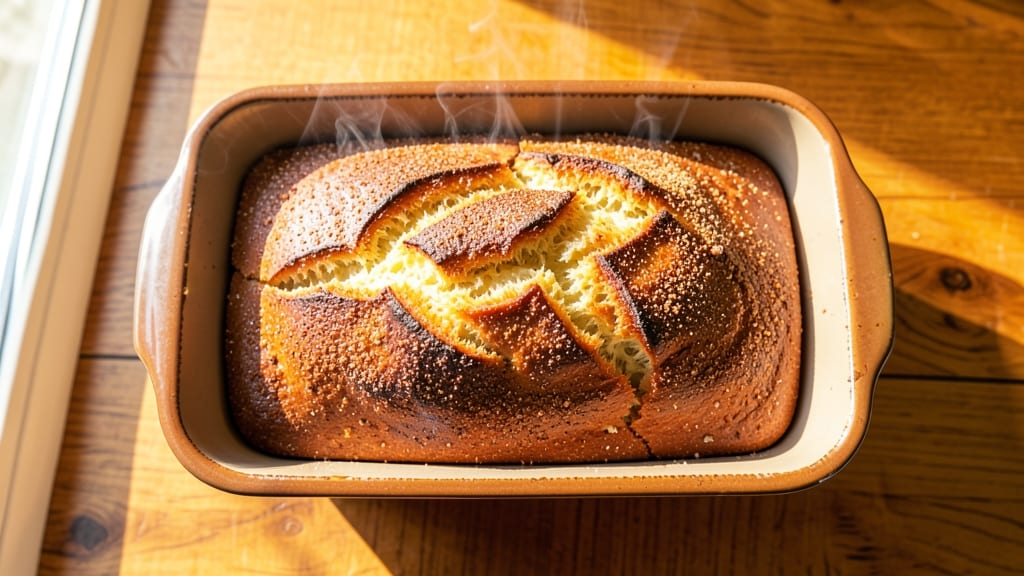
This aloha bread recipe brings the warm, buttery sweetness of Hawaii straight to your kitchen, perfect for breakfast or dessert. The signature swirls of cinnamon sugar and butter create layers of flavor that make every bite irresistible.
After years of perfecting the dough consistency and baking technique, I’ve developed a method that delivers soft, pillowy rolls with just the right amount of crispness on the edges.
The secret to authentic aloha bread lies in the dough’s texture—light yet tender, with a subtle sweetness that pairs beautifully with the buttery swirls. Unlike many sweet breads, this recipe balances richness with a touch of warmth from cinnamon and vanilla, making it a crowd-pleaser.
With just a few simple ingredients and a little patience, you’ll achieve restaurant-quality results that taste like a slice of Hawaii.
What sets this recipe apart is the foolproof technique for shaping and baking the rolls, ensuring they rise perfectly and develop that signature golden-brown crust. The dough requires a gentle touch during handling, but the process is straightforward once you get the rhythm down.
By the time these rolls emerge from the oven, your kitchen will smell like a Hawaiian bakery, and everyone will be reaching for seconds.
Serve these sweet rolls warm with butter or honey for a breakfast that feels like a vacation, or pair them with coffee for a cozy afternoon treat.
The versatility of aloha bread makes it perfect for any occasion—whether you’re hosting brunch or simply craving something comforting. Here’s how to make them from scratch.
Ingredients for aloha bread
Twelve simple ingredients transform into golden Hawaiian rolls with buttery swirls and tender crumb.
| Ingredient | Amount | Notes |
|---|---|---|
| All-Purpose Flour 🌾 | 5 cups | Sifted for light texture |
| Granulated Sugar 🍚 | ¼ cup | White or light brown |
| Instant Yeast 🍞 | 2 ¼ tsp | Single-use packet preferred |
| Unsalted Butter 🧈 | ½ cup | Cold, cubed for swirl |
| Warm Milk 🥛 | 1 ¼ cups | 110°F, whole preferred |
| Large Eggs 🥚 | 1 whole | Room temperature |
| Vanilla Extract 🌸 | 1 tsp | Pure, not imitation |
| Salt 🧂 | 1 tsp | Kosher or sea salt |
| Ground Cinnamon 🍃 | 1 ½ tbsp | Freshly ground preferred |
| Vegetable Oil 🫒 | 2 tbsp | For greasing bowl |
| Coarse Sugar 🍚 | ½ cup | For topping swirls |
The flour is the foundation—King Arthur or Gold Medal work best for that tender crumb. Bulk bins at Whole Foods often carry higher-quality flour with better gluten structure. For the butter, Land O’Lakes or Plugrá brands stay firm when cold, which is key for those signature swirls. The cinnamon should be freshly ground—pre-ground loses its aroma quickly. If you’re in a pinch, Trader Joe’s sells vacuum-sealed whole cinnamon sticks that you can grind yourself for maximum flavor. The yeast is non-negotiable: Fleischmann’s or Saf-Instant ensure reliable rises every time. For the milk, warm it to 110°F—too hot kills the yeast, too cold slows fermentation.
No vanilla extract? Vanilla bean paste works in a pinch, or a dash of almond extract for depth. Running short on butter? Coconut oil mimics the richness, though it lacks the same flavor profile. For the coarse sugar topping, turbinado or raw cane sugar adds caramel notes, but regular granulated sugar works fine if that’s what you have. The dough needs time to rise—1-2 hours at room temperature is ideal, but don’t rush it. If your kitchen is cold, place the bowl in a warm oven with the light on to speed up fermentation. For a quicker version, use active dry yeast with 1 tsp sugar to activate it first.
Freshly baked aloha bread stays soft for 2 days if wrapped in a towel, but it reheats beautifully—30 seconds in the microwave with a damp paper towel restores that bakery-fresh warmth. For longer storage, freeze the baked rolls for up to 3 months. Wrap them individually in plastic wrap, then place in a freezer bag. To serve, thaw at room temperature or warm in a 350°F oven for 10 minutes. The swirls caramelize slightly when reheated, intensifying the flavor. These rolls also make fantastic French toast—slice, dip, and fry for a decadent breakfast.
Why You'll Love This Recipe
- No-Knead Magic: I swear by this dough—just mix, let it rise, and bake. The warm milk and butter create this perfectly tender crumb without a single punch or stretch from me.
- Sweet Butter Bliss: That unsalted butter? It melts into the bread like a warm hug, while the sugar gives it just enough caramelized edge when toasted. Honestly, the first slice out of the oven changes my whole morning.
- Breakfast or Brunch Hero: I use it for French toast on lazy Sundays, toast with jam for kids’ lunches, or even as a base for garlic butter crostini. The yeast rises fast enough that I can have it ready when guests show up—no stress.
- Budget-Friendly Staple: A single batch costs me pennies but lasts all week. Freeze the extras, and you’ve got fresh bread anytime—no fancy bakery needed. My wallet and taste buds win every time.
Step-by-step instructions for Hawaiian sweet rolls with buttery swirls
Here's how to create tender, swirled rolls with that signature Aloha bread flavor—every layer perfect.
Mix the Dough for Maximum Fluffiness
In a large bowl, combine the 5 cups all-purpose flour, 0.25 cup granulated sugar, 2.25 teaspoons instant yeast, 1 teaspoon salt, and 1.5 tablespoons ground cinnamon. Whisk to distribute the dry ingredients evenly—this prevents pockets of yeast or salt that could affect rising.
Create a well in the center and add the 1 whole large egg, 1.25 cups warm milk (about 110°F), and 1 teaspoon vanilla extract. Using a wooden spoon, gradually incorporate the liquids into the dry ingredients until a shaggy dough forms. This initial mix should be sticky but manageable—don't add extra flour yet, as it can inhibit gluten development.
Once the dough comes together, turn it onto a lightly floured surface and knead for 8-10 minutes until smooth and elastic. You'll know it's ready when it springs back slowly when pressed. If the dough feels too sticky, wet your hands slightly while kneading—this keeps the gluten intact without adding extra moisture.
Incorporate the Butter Swirl
Roll the dough into a 12x16-inch rectangle on a floured surface. Take the 0.5 cup unsalted butter and roll it into a 4-inch log, then flatten it slightly with your rolling pin. Place the butter log horizontally across the center of the dough rectangle.
Fold the long sides of the dough over the butter, then fold the top and bottom edges inward to completely enclose the butter. This creates a sealed packet that prevents the butter from melting prematurely during proofing. Gently press the edges to seal, then roll the dough into a 12-inch log and pinch the seam to close.
Place the rolled dough in a greased bowl, turning it to coat all sides with 2 tablespoons vegetable oil. Cover the bowl loosely with plastic wrap and let the dough rise in a warm place for 1-1.5 hours, or until it has nearly doubled in size. The dough should feel light and airy when pressed gently—this indicates active fermentation.
Shape and Proof the Rolls
Once the dough has risen, punch it down gently to release air, then divide it into 12 equal pieces (about 2 ounces each). Roll each piece into a 1-inch thick oval and place them seam-side up in a greased 9x13-inch baking pan. Arrange them close together but not touching—this ensures even browning and a professional look.
Cover the pan loosely with plastic wrap and let the rolls proof for 30-45 minutes until they've risen about 50%. The edges should pull away slightly from the pan, and the dough should feel soft and springy to the touch. Avoid over-proofing, as this can cause the rolls to collapse during baking.
Bake to Golden Perfection
Preheat your oven to 375°F and sprinkle the 0.5 cup coarse sugar evenly over the risen rolls. This creates that classic caramelized crust while adding sweetness. Bake for 20-25 minutes until the rolls are deep golden brown and sound hollow when tapped on the bottom.
For the final touch, brush the warm rolls with a simple glaze made by mixing 2 tablespoons warm milk with 1 teaspoon vanilla extract. This adds moisture and enhances the sweet aroma. Let the rolls cool in the pan for 5 minutes before transferring to a wire rack—this prevents them from becoming gummy.
Serve warm for the best texture, with the buttery swirls visible in every bite. These rolls stay fresh for 2 days at room temperature or can be frozen for up to 3 months for a quick Hawaiian treat.
Pro Tips For Making Aloha Bread
- Measure Milk Precisely: Aloha bread lives or dies by the milk-to-flour ratio—don’t eyeball it. Use a liquid measuring cup for the warm milk (110°F, not scalding) and level that flour with a knife. I learned this the hard way after a batch turned out dense as a brick.
- Cut Cold Butter in Patches: Ditch the food processor for this one. Cube the cold butter into ½-inch chunks and toss them into the flour mixture like confetti—don’t pulse or mix too much. You want pea-sized pockets of butter, not a greasy mess. Sounds weird, but it works.
- Skip the Over-Kneading: This dough’s tender, not tough—once it passes the "windowpane test" (stretch a piece, it should be translucent but not tear), stop. Overworking it turns the crumb into cardboard. I was skeptical until I tried it.
- Proof in a Cooler Spot: Your kitchen’s probably too warm. Let the dough rise in a spot around 75°F (like a turned-off oven with the light on) for 1–1.5 hours. Too hot? It’ll rise too fast and collapse. Too cold? It’ll take forever—find that Goldilocks zone.
Perfect pairings for aloha bread
Hawaiian Coffee Pairing
Nothing complements aloha bread like a steaming cup of Kona coffee, Hawaii’s legendary brew. The medium-bodied, nutty notes of Big Island Coffee Company’s Kona blend cut through the richness of the butter swirls beautifully.
I recommend brewing it with a French press to enhance its velvety texture—just add 2 tablespoons of ground coffee to 8 ounces of hot water and steep for 4 minutes. The caramel undertones in the coffee mirror the sugar topping on the rolls, creating a harmonious balance. ☕
Tropical Fruit Platter
Serve aloha bread alongside a vibrant tropical fruit platter to highlight its Hawaiian roots. I love arranging pineapple chunks, mango slices, and kiwi halves on a platter with a drizzle of honey-lime glaze (mix 2 tablespoons honey with 1 tablespoon lime juice).
The juicy acidity of the fruit contrasts perfectly with the bread’s buttery sweetness. For extra flair, add fresh mint leaves—they add a refreshing pop of color and aroma. 🍍
Buttery Spreads
Warm aloha bread shines with homemade Hawaiian-style butter spreads. My go-to is brown butter mixed with 1 teaspoon of honey and a pinch of sea salt—the nutty richness pairs flawlessly.
For a tropical twist, blend 1 cup of softened butter with 2 tablespoons of toasted coconut flakes and 1 teaspoon of vanilla extract. Spread generously on warm rolls, and watch the buttery swirls melt into every bite. 🧈
Spiced Tea Pairing
A Hawaiian-style spiced tea elevates aloha bread to brunch perfection. Brew Earl Grey tea with a cinnamon stick and a star anise pod, then sweeten with 1 teaspoon of honey. The warm spices echo the cinnamon in the dough, while the black tea’s boldness balances the bread’s sweetness.
Serve in ceramic mugs for a cozy, inviting presentation. For a non-caffeinated option, try hibiscus iced tea—its tartness cleanses the palate between bites. 🍵
Savory Contrast
For a breakfast that surprises, pair aloha bread with smoked salmon and cream cheese. The salty, smoky salmon contrasts the sweet rolls, while whipped cream cheese adds a creamy bridge.
Arrange the rolls on a platter with red onion slices and fresh dill for a Hawaiian-meets-New England twist. This combo is a crowd-pleaser at brunch gatherings. 🐟
Dessert Pairing
Save room for a Hawaiian shave ice finale! Top your shave ice with condensed milk, liquid nitrogen ice cream (for a cloud-like texture), and rainbow sprinkles. The cool, creamy contrast to the warm, buttery rolls is pure indulgence.
For a lighter option, drizzle mango purée over the shave ice—it’s a refreshing way to end a meal centered around aloha bread. ❄️
Nutrition facts
Frequently asked questions
Why does aloha bread have those signature butter swirls?
The buttery swirls are what give aloha bread its iconic texture and flavor! The butter creates pockets of rich, melted goodness that contrast beautifully with the tender dough. When baked, these swirls caramelize slightly, adding a subtle nutty depth to each bite. This technique originated from Hawaiian bakeries, where they wanted to create a bread that felt special and indulgent.
Can I make aloha bread without a stand mixer?
This recipe is designed to be made by hand. Simply knead the dough for 8-10 minutes on a lightly floured surface until it's smooth and elastic. The key is to keep your hands slightly damp (not wet) to prevent sticking. A wooden spoon or dough whisk can help with mixing the initial ingredients before kneading.
What if my dough doesn't rise properly?
Cold kitchen? No problem! Place your dough bowl in a warm oven with the light on (about 70°F) to speed up fermentation. If using active dry yeast, make sure to dissolve it in warm milk with 1 teaspoon sugar first—this activates it before mixing. Also check your yeast is fresh (if older than 3 months, replace it). Patience is key—don't rush the 1-1.5 hour rise time.
How do I store aloha bread to keep it fresh?
Wrap cooled rolls in a clean kitchen towel and store in an airtight container at room temperature for 2 days. For longer storage, freeze baked rolls (unwrapped) on a tray first, then transfer to a bag for up to 3 months. To reheat, warm frozen rolls in a 350°F oven for 10 minutes or microwave for 20 seconds with a damp paper towel.
Can I make aloha bread with less sugar?
You can reduce the sugar slightly, but expect a less sweet flavor profile. Try using 0.15 cup granulated sugar instead of 0.25 cup and compensate with extra vanilla (1.5 teaspoons) or cinnamon (2 tablespoons) for warmth. The coarse sugar topping can also be reduced to 0.25 cup if you prefer milder sweetness.