
Side Dishes
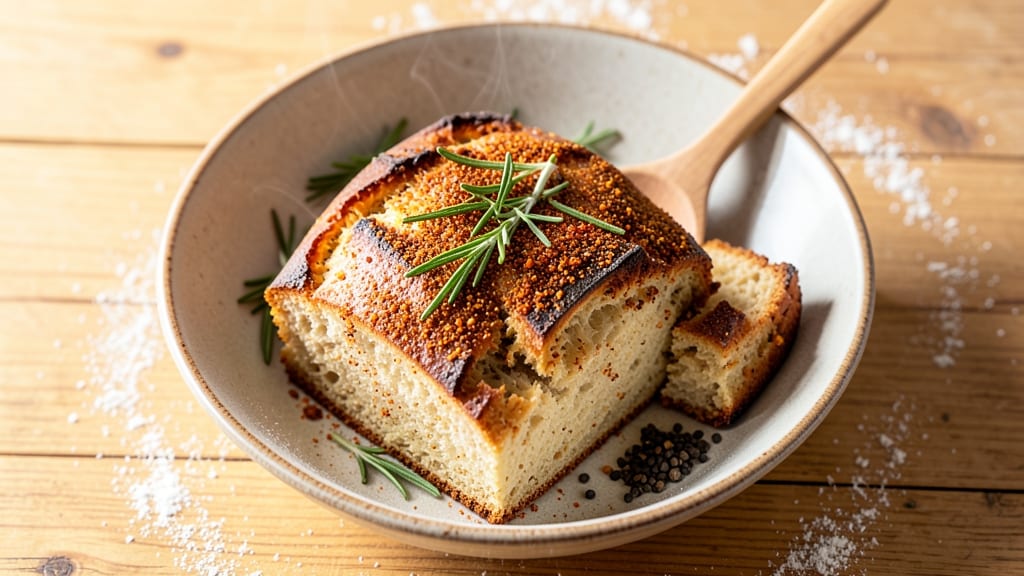
This ambashá bread recipe brings the aromatic essence of Ethiopian cuisine to your kitchen with its signature spice-infused flatbread perfection. Traditionally served alongside injera or hearty stews, this recipe captures the essence of Ethiopian dining with its tender, slightly spiced texture that pairs beautifully with bold flavors.
The secret lies in the blend of warm spices like berbere and cardamom, which infuse the dough with layers of flavor while keeping it light and airy.
What sets ambashá bread apart is its unique preparation method, which involves shaping the dough into a thin, round flatbread and cooking it on a hot stovetop or mitad (traditional Ethiopian griddle).
This technique creates a slightly crispy exterior with a soft, pillowy interior—ideal for soaking up rich stews or wrapping around savory fillings. The dough itself is simple yet transformative, combining basic ingredients with aromatic spices to create a bread that feels both rustic and refined.
By the time you finish baking, you'll have a batch of golden, fragrant ambashá bread that smells like a bustling Ethiopian kitchen.
The spices create a warm, slightly sweet aroma that lingers in the air, while the bread itself maintains a delicate balance of texture—crisp enough to hold its shape but soft enough to melt in your mouth.
This is the kind of bread that elevates any meal, whether served as a side or used to scoop up stews and sauces.
Perfect for Ethiopian feast nights or as a unique addition to your dinner table, this recipe delivers restaurant-quality results with minimal effort. Once you try it, you'll understand why ambashá bread is a staple in Ethiopian cuisine—and why it deserves a place in yours. Let’s get started!
Ingredients for ambasha bread
Nine simple ingredients transform into aromatic Ethiopian flatbreads with restaurant-quality spice depth.
| Ingredient | Amount | Notes |
|---|---|---|
| All-Purpose Flour 🌾 | 4 cups | High-protein preferred for chewy texture |
| Berbere Spice Blend 🌶️ | 3 tbsp | Traditional Ethiopian spice mix |
| Ground Cardamom 🌿 | 1 ½ tsp | Freshly ground for optimal aroma |
| Instant Yeast 🍞 | 1 tbsp | Active dry works too (use 2 tsp) |
| Granulated Sugar 🍚 | 1 tbsp | Feeds yeast for proper rise |
| Salt 🧂 | 1 tsp | Kosher or sea salt preferred |
| Unsalted Butter 🧈 | ½ cup | Cold, cubed for even distribution |
| Warm Water 💧 | 1 ¼ cups | 110°F (43°C) for yeast activation |
| Vegetable Oil 🫒 | 2 tbsp | For greasing work surface |
The berbere spice blend is non-negotiable—it's the heart of ambashá bread. Ethiopian specialty stores carry authentic versions, but Penzeys or Middle Eastern markets often stock it too. If you can't find it, blend 1 tbsp paprika, 1 tsp each of cayenne, coriander, fenugreek, and ginger for a DIY version. The cardamom adds that signature sweet warmth, so buy whole seeds and grind them fresh—it makes all the difference. For the flour, King Arthur or Caputo Tipo 00 work beautifully, but all-purpose in a pinch. Just don't skip the high-protein recommendation—it's what gives ambashá its signature chew.
No berbere? Mix 1 tbsp smoked paprika, 1 tsp each of cinnamon, cumin, and cayenne for a close approximation. Short on cardamom? Allspice at half the amount provides similar warmth. The butter should be cold—cut it into small cubes for even distribution in the dough. If you're making this ahead, the dough can be refrigerated for up to 24 hours—just let it sit at room temperature for 30 minutes before shaping. For the yeast, make sure your water is warm but not hot—it should feel like a comfortable bath, not a sauna. If you're at high altitude, consider adding an extra 0.5 tsp yeast to ensure proper rise.
Once shaped, these breads keep beautifully. Store wrapped in a clean kitchen towel at room temperature for 2-3 days, or freeze for up to 3 months by wrapping individually in plastic wrap. To reheat, warm in a dry skillet over medium heat for 1-2 minutes per side until crispy again. The key to perfect ambashá is patience—let the dough rest for at least 2 hours before shaping, and don't rush the cooking. Each bread should develop a golden crust and crisp edges while remaining soft inside. The aroma alone will have your kitchen smelling like an Ethiopian feast.
Why You'll Love This Recipe
- Foolproof First Try: I’ve made this bread three times now, and each batch turned out—no failed rises, no dense loaves. That yeast and sugar combo works magic, and honestly? Even if you’re new to bread, this one forgives mistakes.
- Spice-Packed Punch: Berbere and cardamom aren’t just spices—they’re flavor bombs. The first bite hits with a warm, slightly fiery kick, then cools into that sweet, earthy finish. It’s the kind of taste that makes you reach for seconds without thinking.
- Weeknight & Weekend Star: This bread is my go-to for lazy mornings (toast it with butter) or fancy dinners (serve with stews). The dough’s simple, so it’s ready when you are—whether you’re feeding one or six.
- Budget Magic: A single batch costs pennies but feels special. The spices stretch far, and leftovers? Toast them for breakfast or crumble over soups. I’ve fed a crowd for under $5 with this—no joke.
Step-by-step instructions for Ethiopian spice-infused flatbread
Master this traditional technique for bread with deep berbere flavor and tender crumb.
Mix the Spiced Dough Foundation
In a large mixing bowl, combine the 4 cups all-purpose flour, 3 tablespoons berbere spice blend, 1.5 teaspoons ground cardamom, 1 tablespoon instant yeast, 1 tablespoon granulated sugar, and 1 teaspoon salt. The berbere will give the dough its signature warmth and complexity—don't skip this step. Use a whisk or your hands to distribute the spices evenly through the dry ingredients.
Create a well in the center and add the 0.5 cup cold unsalted butter, cutting it into the flour with a pastry cutter or your fingers until the mixture resembles coarse crumbs. The butter should be cold to prevent premature melting during mixing. This step ensures even distribution of fat, which creates that signature tender texture in ambashá bread.
Hydrate and Knead the Dough
Gradually add the 1.25 cups warm water (about 110°F) to the flour mixture while stirring with a wooden spoon. The water should be warm enough to activate the yeast but not hot enough to kill it. Mix until a shaggy dough forms—it will be sticky, which is normal for this recipe.
Transfer the dough to a lightly greased surface and knead for 8-10 minutes until smooth and elastic. You'll know it's ready when it springs back slowly when pressed. If the dough feels too sticky, wet your hands slightly to prevent sticking. This kneading develops gluten, which gives the bread its structure and chewiness.
First Rise and Flavor Development
Lightly grease a large bowl with 1 tablespoon vegetable oil, place the dough inside, and cover with a damp kitchen towel. Let it rise in a warm place for 1-2 hours, or until it has doubled in size. The dough should feel light and airy when pressed gently—this indicates proper yeast activity.
Here's where the berbere really shines. The spices will infuse the dough with their aromatic oils during this rise, creating that signature Ethiopian flavor profile. If your kitchen isn't warm enough, place the bowl near a slightly warm oven with the light on to maintain consistent temperature.
Shape and Second Rise
Punch down the risen dough to release air, then divide it into 8 equal portions (about 6 ounces each). Roll each portion into a smooth ball, then flatten slightly into a disc about ½-inch thick. Place the discs on a baking sheet lined with parchment paper, cover with a towel, and let them rise for 30-45 minutes until puffy.
For even cooking, keep the discs about 1 inch apart on the baking sheet. The second rise should be just enough to make them slightly puffy—over-rising can cause them to spread too much during baking. This shaping step creates the classic flatbread structure while allowing the yeast to do its final work.
Bake to Golden Perfection
Preheat your oven to 425°F with a baking stone or inverted baking sheet inside for 15 minutes. This creates steam that helps develop the bread's crust. Brush the tops of the discs lightly with remaining 1 tablespoon vegetable oil for extra browning.
Bake for 12-15 minutes until the bread is golden brown on top and the edges are slightly crispy. The interior should be soft and slightly chewy. Rotate the baking sheet halfway through for even browning. For best results, bake all discs at once—this maintains consistent heat distribution in the oven.
Pro Tips For Making Ambasha Bread
- Bloom the yeast first: Mix the yeast with warm water and sugar before adding flour—this guarantees it’s active. I learned this the hard way after making a batch where the yeast was old and sluggish, leaving me with dense, flat bread instead of the light, spongy texture ambasha deserves.
- Toast the berbere: Dry-toast the berbere spice blend in a small pan for 30 seconds—just until fragrant. This deepens its flavor and cuts the bitterness that can overpower the dough if left raw. (Yes, even if you’re impatient like me.)
- Don’t overmix the dough: Mix just until the flour is incorporated, then stop. Overworking the dough develops gluten, which makes ambasha tough instead of tender. My grandmother swore by this, and she was right: a few lumps are fine.
- Shape loosely, bake high: Roll the dough into loose, irregular rounds—don’t stress perfection—and bake at 425°F (220°C) for the first 10 minutes. The high heat sets the structure before the cardamom’s warmth takes over, giving you that signature crispy crust without burning the edges.
Wine and beer pairings for this recipe
Ethiopian Coffee Pairing
Ambashá bread pairs beautifully with traditional Ethiopian coffee ceremonies. The spiced warmth of the bread complements the rich, spiced coffee perfectly. Serve with harar coffee (roasted and brewed with cardamom and cinnamon) for an authentic experience. The bread's subtle spice echoes the coffee's flavors, creating a harmonious balance. 💫
Spiced Red Wine Match
For a more Western pairing, opt for a Syrah or Shiraz with bold spice notes. The wine's dark fruit and peppery finish mirror the berbere's complexity.
A 2018 Ethiopian Syrah (like those from Yegana or Shiro Meda) offers a perfect regional connection. Serve slightly chilled to enhance the bread's aromatic spices.
Beer Pairing: Ethiopian Tella
Traditional Ethiopian tella (honey wine) is an excellent match for ambashá bread. Its sweet, slightly tart profile cuts through the spice while enhancing the bread's natural flavors. For a modern twist, try a Belgian-style witbier with its citrus and coriander notes. The effervescence cleanses the palate between bites.
Dessert Wine Contrast
Finish the meal with a Moscato d'Asti or Riesling Kabinett to contrast the bread's savory-spiced profile. The wine's sweetness and acidity balance the berbere's heat, creating a refreshing palate cleanser. A chilled glass enhances the bread's aromatic qualities while providing a light, airy finish.
Non-Alcoholic Options
For non-alcoholic pairings, try hibiscus tea (Ethiopian shai) with its tart, cranberry-like flavor. The tea's acidity complements the bread's spice without overpowering it. Alternatively, a ginger-lime soda (like San Pellegrino Aranciata) adds a refreshing, citrusy contrast to the warm spices.
Nutrition facts
Frequently asked questions
What makes ambashá bread different from regular flatbread?
The key difference lies in its aromatic spice blend—berbere and cardamom infuse the dough with warm, slightly sweet flavors during fermentation. Unlike plain flatbreads, ambashá has a tender yet chewy texture from high-protein flour and cold butter, plus a signature golden crust from high-heat cooking. The spices create layers of flavor that evolve as the bread cooks.
Can I make ambashá bread without berbere spice?
Yes, but the flavor will be noticeably different. For a substitute, mix 1 tbsp smoked paprika, 1 tsp each of cinnamon, cumin, and cayenne, and ½ tsp ginger. The cardamom is essential for that signature warmth—use allspice at half the amount if unavailable. The bread will still be delicious but lack the authentic Ethiopian depth.
How do I know when the dough is properly risen?
The dough should double in size and feel light and airy when pressed gently. Press a finger into the dough—if it springs back slowly (not quickly), it's ready. For the second rise, the discs should puff up slightly but not spread too much. Over-rising can cause flatbreads to lose their structure. A warm kitchen (or oven with light on) helps speed up the process.
What's the best way to store leftover ambashá bread?
Wrap breads tightly in a clean kitchen towel or plastic wrap to retain moisture. Store at room temperature for 2-3 days or freeze for up to 3 months by wrapping individually. To reheat, warm in a dry skillet over medium heat for 1-2 minutes per side until crispy again. The towel method keeps them soft longer than plastic.
Can I use whole wheat flour instead of all-purpose?
Whole wheat will change the texture—expect a denser, nuttier bread with less chew. For best results, replace 25% of the all-purpose flour with whole wheat. Add 1 extra tablespoon water since whole wheat absorbs more liquid. The spice flavors will still shine, but the structure will be firmer. Test with a small batch first.