
Side Dishes
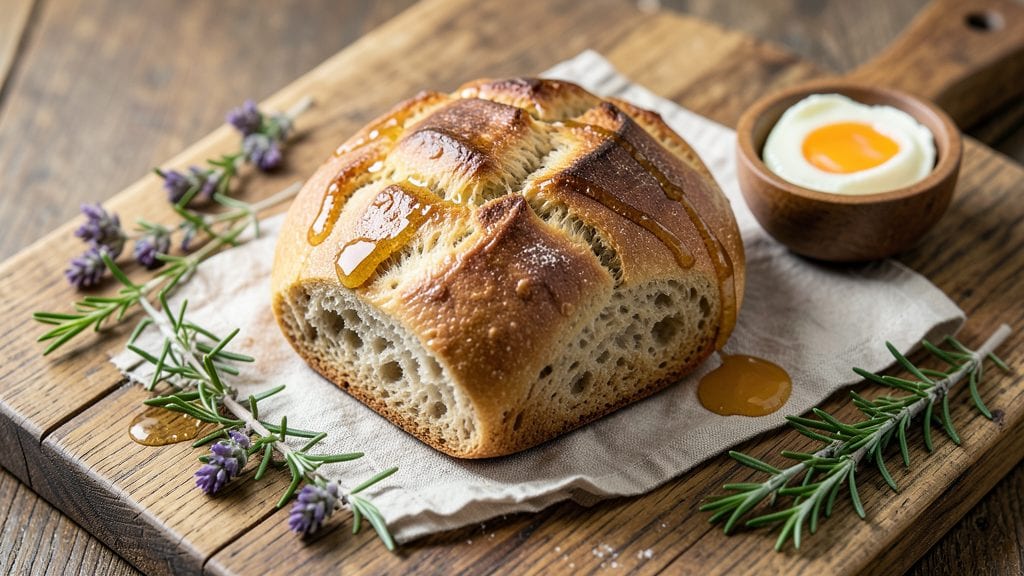
This Amish friendship sourdough bread recipe brings the heart of Pennsylvania Dutch country to your kitchen with its signature tangy-sweet swirls and golden crust. ⚡ The tradition of sharing this bread symbolizes community and generosity, and now you can create it with a method that balances old-world craftsmanship with modern convenience.
My version delivers that perfect contrast of crispy exterior and tender crumb while keeping the classic cinnamon-sugar swirls that make it irresistible.
The beauty of this recipe lies in its simplicity—no fancy equipment needed, just a few key ingredients and patience. You’ll work with a sourdough starter (or use a store-bought version if preferred), then mix, shape, and bake a loaf that’s both rustic and rewarding.
The secret to achieving that signature texture is in the slow fermentation and precise baking temperature, which transforms simple flour and sugar into something extraordinary.
What you’ll end up with is a loaf that’s crisp on the outside, tender inside, and packed with those signature cinnamon-sugar swirls that melt into every bite. The aroma alone will fill your kitchen with warmth, and the taste—tangy from the sourdough, sweet from the cinnamon—is pure comfort food.
This is the kind of bread that disappears quickly, whether you’re sharing it with neighbors or enjoying it slice by slice.
Perfect for holidays, potlucks, or everyday baking, this recipe honors tradition while adapting to modern life. Let’s get started on creating a loaf that’s as meaningful as it is delicious.
Ingredients for amish friendship sourdough bread
Six simple ingredients transform into a loaf rich with tradition and tangy-sweet swirls.
| Ingredient | Amount | Notes |
|---|---|---|
| Active Sourdough Starter 🍞 | 1 cup | Unfed, bubbly starter (100% hydration) |
| All-Purpose Flour 🌾 | 5 cups | White flour, preferably bread flour |
| Whole Wheat Flour 🌾 | 1 cup | For rustic texture and nutrition |
| Granulated Sugar 🍚 | ¼ cup | White sugar for sweetness |
| Unsalted Butter 🧈 | ½ cup | Cold, cubed for swirls |
| Large Eggs 🥚 | 1 whole | Room temperature for binding |
| Instant Yeast 🍞 | ½ tsp | For reliable fermentation |
| Salt 🧂 | 1 ½ tsp | Diamond Crystal preferred |
| Milk 🥛 | ½ cup | Warm for dough hydration |
| Ground Cinnamon 🍃 | 2 tbsp | Freshly ground for warmth |
| Light Brown Sugar 🍚 | ½ cup | Packed for swirl sweetness |
| Cornmeal 🌽 | ¼ cup | For dusting and crust texture |
| Water 💧 | ½ cup | Room temperature for dough |
The sourdough starter is the soul of this bread. Use a well-fed, bubbly starter—if yours is sluggish, feed it 1:1:1 (starter:flour:water) twice daily for 24 hours. King Arthur or Bob’s Red Mill flours work best for structure, but any all-purpose will do in a pinch. The butter matters—Plugrá or Land O’Lakes give the best flavor, but unsalted works too. For the cinnamon swirl, McCormick or Penzeys ground cinnamon delivers that authentic warmth. If you don’t have whole wheat flour, swap for an extra 1/2 cup all-purpose—just know the texture will be slightly less rustic.
No sourdough starter? Substitute 1 cup store-bought sourdough discard (from a refrigerated loaf) or 1/2 cup plain yogurt + 1/2 tsp vinegar for tang. Running low on butter? Coconut oil or lard works, but butter’s richness is irreplaceable. The brown sugar in the swirl can be swapped for white sugar + 1/2 tsp molasses if needed. For the dough, whole milk is ideal, but any milk (even almond milk) will work—just adjust hydration with extra water if too thick. The cinnamon-sugar mix keeps for 2 weeks in an airtight container, so make extra for future loaves.
This dough is a patient recipe—let it ferment 4-6 hours at room temp or overnight in the fridge for deeper flavor. The swirls should be 1/2-inch thick for perfect melting. Bake at 375°F until golden (about 40-45 minutes). Cool completely before slicing—2 hours on a wire rack prevents gummy texture. Store wrapped at room temp for 3 days, or freeze slices for 3 months. The crust reheats beautifully—5 minutes at 350°F brings back that bakery-fresh crunch.
Why You'll Love This Recipe
- No-Knead Magic: I’ll admit, I was skeptical about sourdough without hours of kneading—until I tried this. The starter does the heavy lifting; you just mix, shape, and let it rise while you sip coffee. That’s real life.
- Buttery Crust, Rustic Soul: The whole wheat flour gives it a subtle nuttiness, but it’s the browned butter swirled into the dough that steals the show. Crisp outside, pillowy inside—like a hug from a bakery, but with my flour.
- Leftovers? More Like Leftovers: Between us, this bread disappears faster than my willpower on a Sunday morning. Toast it for breakfast, pack slices for lunch, or freeze half for when you’re too tired to bake. It’s the ultimate lazy-day hero.
- Budget-Friendly Staple: Honestly, the whole wheat flour and butter make it feel special, but it’s cheaper than buying artisanal loaves. Plus, one batch feeds a family for days—no sad, stale bread here. Win-win.
Step-by-step instructions for Amish friendship sourdough bread
Here's how to create that signature swirled sweetness with a perfectly crisp crust.
👨🍳 Step 1: Mix the Dough with Sourdough and Flour
In a large mixing bowl, combine the 1 cup active sourdough starter with 1 cup warm milk and 1 whole large egg. Whisk gently until just incorporated. This creates your fermentation base where all the magic begins.
In a separate bowl, whisk together 5 cups all-purpose flour, 1 cup whole wheat flour, 0.5 tsp instant yeast, and 1.5 tsp salt. I like to use a fine-mesh sieve for the dry ingredients to avoid lumps. Gradually add the dry mixture to the wet ingredients while mixing with a wooden spoon until a shaggy dough forms.
Here's the thing—don't overmix. You're looking for a dough that comes together but still looks slightly uneven. The gluten will develop during the bulk fermentation, not now. Cover the bowl with a damp towel and let it rest for 10 minutes at room temperature.
🍳 Step 2: Create the Sweet Swirl Dough
In a small bowl, combine 0.5 cup unsalted butter (cold, cubed), 0.5 cup light brown sugar (packed), 0.25 cup granulated sugar, and 2 tbsp ground cinnamon. Use your fingers to work the butter into the sugar mixture until it resembles coarse crumbs with some soft butter pieces remaining—this creates those signature swirls.
After the 10-minute rest, add the sweet butter mixture to the dough and gently fold it in using a spatula. You'll see streaks of the sweet mixture throughout. This is where the bread gets its characteristic flavor and texture. Cover the bowl again and let it rest for another 10 minutes.
I press down gently on the dough during this rest—this prevents it from curling and ensures even contact with the sweet mixture. The dough should feel slightly tacky but not sticky if you've measured your ingredients correctly.
🥘 Step 3: Shape and First Rise
Lightly dust a clean surface with 0.25 cup cornmeal and turn out the dough. Gently fold the dough over itself 2-3 times to develop some structure without overworking it. Shape it into a rectangle about 12x8 inches and fold the long sides toward the center to create a log shape.
Roll the log seam-side down and pinch the seam to seal. Place the loaf on a parchment-lined baking sheet, seam-side down. Cover loosely with plastic wrap and let it rise at room temperature for 1-2 hours until almost doubled in size. You'll know it's ready when the dough springs back slowly when poked with a finger.
Here's where it gets tricky—don't let it rise too long or the swirls will spread too much. The dough should be puffy but still maintain its shape when gently pressed. If you're in a cooler kitchen, give it the full 2 hours.
🔥 Step 4: Shape the Swirls and Final Rise
Preheat your oven to 375°F while the dough rises. Once the dough has risen sufficiently, gently press down on it to flatten slightly. Using a sharp knife or bench scraper, make ¼-inch deep cuts across the top of the loaf in a diamond pattern—this creates those beautiful swirls when baked.
Cover the loaf again and let it rise for another 30-45 minutes until it's puffy and the cuts have deepened. The dough should feel firm to the touch but still spring back when pressed. This final rise is crucial for the bread's texture and flavor development.
I like to do this step right before baking—it ensures maximum rise in the oven. The bread will continue to expand slightly during baking, creating those perfect swirls we all love.
⏰ Step 5: Bake to Golden Perfection
Bake the loaf for 30-35 minutes until the top is deep golden brown and the internal temperature reaches 190-200°F. You'll know it's done when the swirls are pronounced and the crust has a crisp texture. If the top browns too quickly, tent loosely with foil after 20 minutes.
For that classic Amish look, brush the warm loaf with a bit of melted butter while still in the pan. This creates a glossy finish and enhances the sweetness. Let the bread cool on a wire rack for at least 1 hour before slicing—this allows the crumb to set properly and prevents a gummy texture.
Real talk: the first slice is always the hardest to wait for, but trust me, the bread will be even better after it cools completely. The swirls will hold their shape and the crust will crisp up beautifully. Slice it thick and enjoy with butter or jam—this bread is perfect for sharing!
Pro Tips For Making Amish Friendship Sourdough Bread
- Weigh Your Flours: Ditch the cups—scale your all-purpose and whole wheat flours by weight. The recipe’s balance of light and dense flours matters, and volume measurements can vary wildly. I learned this after a batch turned out too dense; now I measure to the gram.
- Chill the Dough: Let the shaped loaf rest in the fridge overnight, even if the recipe doesn’t say so. The whole wheat flour absorbs moisture differently, and a slow rise prevents overproofing. I skipped it once—my bread collapsed like a sad soufflé.
- Butter Matters: Use cold, cubed unsalted butter for laminating, not softened. The cold butter creates those signature flaky layers, while room-temp butter just smears. I tried melting it once—big mistake.
- Steam the Pan: Toss a handful of ice cubes in your Dutch oven before baking. The steam mimics a bakery’s humid environment, giving that crisp crust without burning. I used a spray bottle first—it worked, but this is foolproof.
Serving suggestions for this amish friendship sourdough bread
Classic Butter Pairing
Nothing complements this Amish friendship bread like cold European-style butter—I reach for Plugrá or Kerrygold for their rich, creamy texture. Spread 1 tablespoon per slice while still slightly warm to soften the crust beautifully.
For extra indulgence, mix in 1 teaspoon cinnamon and 1 teaspoon brown sugar to create a spiced butter that echoes the bread's swirls. 🧈
Jam and Preserves
This bread's sweet-tangy balance makes it ideal for fruit preserves. My go-to is homemade apple butter or blackberry jam—the acidity cuts through the richness. For a modern twist, try fig jam or raspberry preserves with a hint of balsamic reduction.
Serve 2 teaspoons per slice alongside a cup of chamomile tea for a cozy pairing. 🍓
Cheese Board Spread
Transform this bread into a savory-sweet centerpiece by pairing it with aged cheddar, brie, and sharp gouda. The sourdough's tang contrasts perfectly with creamy cranberry walnut spread or herb goat cheese.
Add sliced apples, walnuts, and honey drizzle for a festive spread that's perfect for holidays or gatherings. 🧀
Morning Coffee Ritual
Slice the bread thick and toast lightly before serving with dark roast coffee or spiced chai. The cinnamon swirls infuse the coffee with warmth, while the crust adds satisfying crunch.
For a breakfast twist, top with Greek yogurt, granola, and maple syrup—this becomes my go-to weekend brunch. ☕
Gift-Wrapping Tradition
Honor the Amish tradition by wrapping slices in parchment paper tied with twine, then presenting them in a wooden box with a sprig of rosemary. Include a handwritten note about the recipe for a heartfelt gift.
This bread's 3-day shelf life makes it perfect for sharing with neighbors or holiday hosts. 🎁
Dessert Reinvention
Dip slices in melted dark chocolate and roll in crushed pecans for a sourdough bark dessert. Alternatively, use the bread as a base for cinnamon roll bars—spread with cream cheese frosting and bake until golden. The sourdough adds depth to sweet treats while keeping them moist. 🍫
Nutrition facts
Frequently asked questions about Amish friendship bread
What makes this bread different from regular sourdough?
The key difference is the cinnamon-sugar swirls folded into the dough, creating those signature sweet pockets throughout. Traditional sourdough focuses on tangy flavor, while this version balances that with warm cinnamon and buttery richness. The slow fermentation also gives it a lighter texture than dense sourdough loaves.
Can I make this bread without a sourdough starter?
Yes! Substitute 1 cup store-bought sourdough discard (from a refrigerated loaf) or a mix of ½ cup plain yogurt + ½ tsp vinegar for the tang. For best results, use 1 tsp extra instant yeast to compensate for the lack of natural fermentation. The flavor won't be identical, but you'll still get that sweet-swirled texture.
Why does my dough spread too much during baking?
Overproofing is the most common cause. The dough should rise until it's almost doubled but still maintains shape. If your kitchen is warm (75°F+), reduce rise time to 1 hour. Also, ensure your oven is fully preheated—cold pans slow fermentation. For extra control, bake on the middle rack where heat circulates evenly.
How do I store or freeze this bread?
Wrap cooled slices in plastic wrap and store at room temperature for 3 days or freeze for 3 months. For best texture, thaw overnight in the fridge. To revive stale bread, wrap in foil and warm at 350°F for 5-10 minutes. The swirls stay fresh longer than regular bread because the cinnamon-sugar mixture acts as a natural preservative.
What’s the best way to serve this bread?
Pair with cold butter, jam, or aged cheddar for a classic spread. Try it with morning coffee or spiced chai for breakfast, or use slices as a base for dessert reinventions like chocolate bark. The Amish tradition encourages sharing—wrap slices in parchment with twine for thoughtful gifts!