
Sauces & Condiments
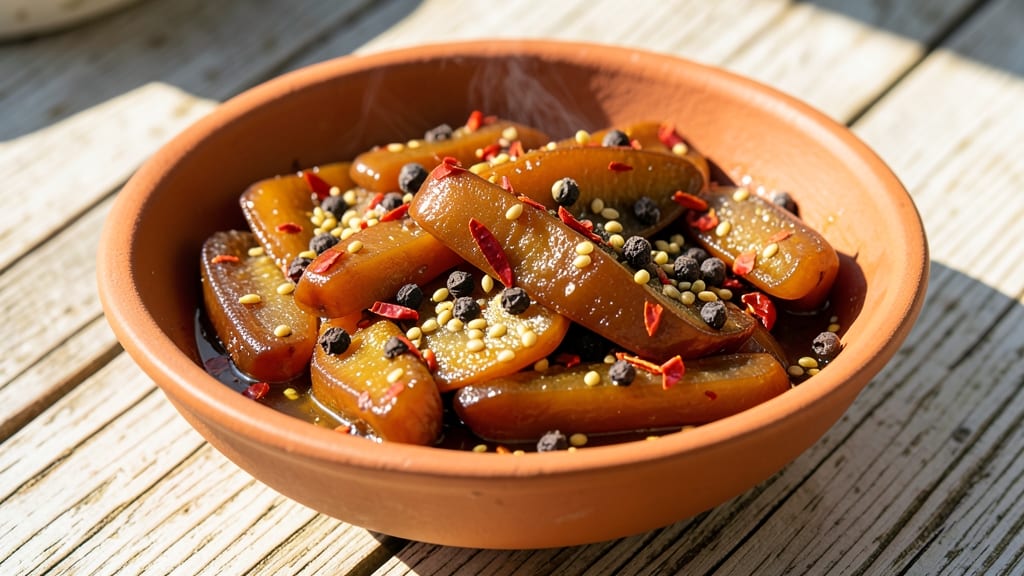
Transforming amla into a tangy, probiotic-rich pickle without boiling unlocks a traditional preservation method that enhances its natural benefits. This fermented amla recipe relies on salt and time rather than heat, developing complex flavors and digestive benefits over 7 days.
The process preserves amla’s nutritional power while creating a condiment that pairs perfectly with meals or snacking.
What makes this method special is its simplicity and health focus—just amla, salt, and spices ferment naturally in a jar, developing a bright, tangy flavor without cooking. Unlike traditional boiled pickles, this version retains more enzymes and probiotics, supporting gut health while delivering bold flavor.
The key is patience; the longer it ferments, the deeper the taste and texture.
By day 7, you’ll have a vibrant, zesty pickle with a texture that’s both crunchy and tender, ready to elevate curries, snacks, or even cocktails. The fermentation process creates a tangy, slightly sweet profile that’s impossible to achieve with heat.
Store it in the refrigerator to slow fermentation and extend freshness for months.
Perfect for health-conscious cooks or those exploring traditional preservation, this recipe requires no special equipment—just a clean jar and time. The result is a condiment that’s as nutritious as it is delicious, proving that the best flavors often come from the simplest methods.
Ingredients for amla pickle recipe without boiling
Ten simple ingredients transform amla into a probiotic-rich ferment that develops vibrant flavors without heat.
| Ingredient | Amount | Notes |
|---|---|---|
| Fresh Amla (Indian Gooseberry) 🍈 | 2 cups | Whole, unripe, firm fruit preferred |
| Diamond Crystal Kosher Salt 🧂 | ½ cup | Fine grain for even distribution |
| Mustard Seeds 🌶️ | 1 tbsp | Whole, organic preferred |
| Dried Red Chili Flakes 🌶️ | 1 tbsp | Adjust for heat preference |
| Ground Black Peppercorns 🌶️ | 1 tsp | Freshly ground for potency |
| Ground Cumin Seeds 🌿 | 1 tsp | Toasted for enhanced aroma |
| Asafoetida (Hing) 🌿 | ¼ tsp | Pure, high-quality powder |
| Turmeric Powder 🧡 | ½ tsp | Freshly ground preferred |
| Fenugreek Seeds (Methi) 🌾 | ½ tsp | Lightly toasted for nuttiness |
| Distilled Water 💧 | 1 ½ cups | Filtered, room temperature |
The amla selection is critical—opt for firm, unripe fruit with a vibrant green hue, as they ferment best. Local Indian markets or specialty stores like Patel Brothers or Whole Foods carry the freshest varieties. For spices, Penzeys Spices offers high-quality, organic options that elevate the flavor profile. Mustard seeds and fenugreek should be toasted lightly in a dry pan before adding to the jar to enhance their aromatic qualities. The salt acts as a natural preservative while promoting fermentation—use Diamond Crystal for its fine grain, which dissolves evenly.
No mustard seeds? Substitute with 1 tsp ground mustard powder, though texture will differ slightly. Chili flakes can be omitted entirely for a milder version, or substitute with cayenne powder at half the amount. Asafoetida (hing) is non-negotiable for authentic flavor, but if unavailable, 1/4 tsp garlic powder provides a mild alternative. For water, filtered or distilled is ideal to prevent contamination, though tap water works in a pinch if freshly boiled and cooled. The spices can be pre-mixed in a mortar and pestle for a more cohesive blend before adding to the jar.
Store the fermented amla in a clean, airtight glass jar at room temperature for 7 days, then refrigerate to slow fermentation. The pickle develops optimal flavor and texture after 10-14 days, with a tangy, slightly sweet profile. Portion into small jars for longevity—this condiment keeps for up to 6 months in the refrigerator. For best results, use a wide-mouth jar to facilitate easy stirring during fermentation. The longer it ferments, the deeper the flavor, but taste after 7 days to monitor progress.
Why You'll Love This Recipe
- No-Fuss Layers: I swear by this method—just a quick salt cure, then layering with spices. No boiling means no messy pots or waiting for water to simmer, just hands-on time that actually feels satisfying.
- Tangy Zing: That first bite? Pure contrast—bright, tart amla cutting through the heat of the mustard seeds and chili flakes. Honestly, the black pepper adds this earthy depth that makes it way more complex than your average pickle.
- Party in a Jar: Between us, this is my go-to for potlucks or last-minute gifts. The salt and spices keep it shelf-stable for weeks, so I can prep a batch and toss it into lunchboxes, snack plates, or even sandwiches when I’m in a rush.
- Penny-Smart Pantry: Amla’s cheap in bulk, and the other spices? I already had them. No fancy equipment, no wasted ingredients—just a jar and a little patience. My wallet (and my taste buds) thank me every time.
Step-by-step instructions for fermented amla pickle
This no-heat method relies on precise layering and fermentation for authentic tangy depth.
Prepare the Amla and Initial Brine
Wash the 2 cups fresh amla (Indian gooseberry) thoroughly under cold running water to remove any dirt or residue. Using a sharp knife, carefully slice each fruit into four equal wedges—this size ensures even exposure to the brine while maintaining structural integrity. The wedges should be uniform in thickness to prevent uneven fermentation.
In a clean glass jar with an airtight lid, combine the sliced amla with the 0.5 cup Diamond Crystal kosher salt. Gently mix the salt into the fruit, ensuring each wedge is coated. This initial salting draws out moisture and begins the preservation process. Let the mixture sit at room temperature for 1 hour, allowing the salt to penetrate fully. You'll notice the amla softening slightly and releasing some liquid—a clear sign the brine is starting to work.
Layer Spices for Depth of Flavor
After the hour-long salting, drain any excess liquid that has accumulated in the jar. In a small bowl, mix together the 1 tablespoon mustard seeds, 1 tablespoon dried red chili flakes, 1 teaspoon ground black peppercorns, 1 teaspoon ground cumin seeds, 0.25 teaspoon asafoetida (hing), 0.5 teaspoon turmeric powder, and 0.5 teaspoon fenugreek seeds (methi). The spices should be thoroughly combined to create an even distribution throughout the pickle.
Begin layering the spice mixture over the salted amla in the jar. Start with a thin layer of spices, followed by a layer of amla wedges. Repeat this process until all the spices and fruit are used, ending with a final layer of spices on top. Press down gently to compact the layers, ensuring there are no air pockets. This layering technique maximizes flavor infusion during fermentation and prevents mold growth by minimizing air exposure.
Add Distilled Water and Seal for Fermentation
Pour the 1.5 cups distilled water over the layered spices and amla, ensuring the fruit is fully submerged. The water should cover the top layer by at least 1 inch to prevent any part of the amla from drying out during fermentation. Use a clean spoon or spatula to gently press down the fruit one last time, removing any trapped air bubbles.
Seal the jar tightly with the airtight lid and place it in a dark, cool location—such as a pantry or cellar—where the temperature remains consistent between 65°F and 75°F. This temperature range is ideal for safe fermentation without encouraging bacterial growth. Leave the jar undisturbed for 7 days, allowing the flavors to meld and the natural acids in the amla to develop the characteristic tangy profile.
Check and Store the Fermented Pickle
After 7 days, carefully open the jar and check the amla for signs of fermentation. The fruit should appear slightly softened with a vibrant color, and the liquid in the jar may have a mild tangy aroma. Taste one of the wedges to assess the flavor—it should be tangy but not overly sour, with a subtle spice infusion. If the pickle is ready, transfer it to a clean, sterilized jar for long-term storage.
For optimal preservation, store the fermented amla pickle in the refrigerator. The cool temperature slows down further fermentation and extends the shelf life to up to 3 months. If the pickle develops an off odor or mold appears, discard it immediately. Properly stored, this no-heat amla pickle will deliver a complex blend of tangy, spicy, and nutty flavors that deepen with time.
Pro Tips For Making Amla Pickle Recipe Without Boiling
- CUT AMLA SMALL: I learned the hard way—whole amlas don’t soften evenly and leave you with a mouthful of tough skin. Slice them into ¼-inch pieces first, then pack tightly into the jar. The texture becomes perfectly tender without boiling, and every bite is consistent.
- SALT IN LAYERS: Don’t dump all the salt at once. After every 2-3 layers of amla, sprinkle a thin layer of salt—about ½ tsp per cup of fruit. This guarantees even distribution and prevents the top layers from sitting in a salty brine while the bottom stays bland.
- TOAST SEEDS SEPARATELY: Skip tossing mustard seeds into the jar raw—they’ll just sit there like dull pebbles. Dry-toast them in a pan over medium heat for 30 seconds until they pop, then mix with chili flakes and pepper. The aroma hits you the second you open the jar, and the flavor is way more vibrant.
- PRESS OUT AIR: After packing the jar, don’t just screw on the lid—press a plastic wrap directly onto the amla surface to eliminate air pockets. This keeps the fruit submerged in its own juices, preventing mold and ensuring the pickle stays crisp for weeks. (Yes, even if it looks weird.)
Wine and beer pairings for these flavors
Spicy Fermented Pairings
This tangy amla pickle pairs beautifully with spicy Indian snacks like bhel puri or sev puran poli. The fermented acidity cuts through the heat, creating a balanced flavor profile. I love sprinkling it on crispy papads or mixing it into chaat for an extra zing.
The probiotics also complement spicy curries, especially dal makhani or chana masala. 🌶️
Cocktail Enhancer
Surprisingly, this fermented amla pickle adds a unique twist to cocktails. Muddle a few wedges with vodka, lime juice, and a touch of honey for a tangy, herbal gin fizz.
The natural sweetness of amla balances the spice, making it perfect for summer sipping. I’ve also used it as a garnish for whiskey sours, adding an unexpected depth. 🍹
Cheese Board Star
Elevate your Indian cheese board by pairing this pickle with paneer or fresh mozzarella. The tangy, spicy flavors contrast beautifully with creamy cheeses, especially when paired with roasted nuts like cashews or almonds.
Serve with warm naan or garlic bread for a satisfying snack. The fermented notes also complement aged cheddar or goat cheese for a fusion twist. 🧀
Beer Matching
A crisp lager like Kingfisher or Tuborg cleanses the palate between bites of spicy food paired with this pickle. For a craft option, try a wheat beer with citrus notes—Allagash White works wonderfully.
The effervescence helps reset your taste buds, making each bite of pickle more vibrant. Avoid heavy stouts or IPAs, as they can overpower the delicate fermented flavors. 🍺
Wine Pairings
An off-dry Riesling from Germany or Moscato d’Asti complements the fermented tanginess beautifully. The slight sweetness in the wine balances the acidity and spice, creating a harmonious pairing.
For a red option, a light Pinot Noir with bright fruit notes works well, especially if the pickle has a milder spice profile. Avoid bold, tannic wines like Cabernet Sauvignon. 🍷
Nutrition facts
Frequently asked questions
Why does this recipe skip boiling?
Fermenting amla without boiling preserves its natural enzymes and probiotics, which are destroyed by heat. The 7-day fermentation process develops complex tangy flavors while maintaining gut-friendly benefits. This traditional method also requires fewer ingredients and less energy than boiling-based pickles.
Can I use overripe amla for this pickle?
No, always select firm, unripe amla with vibrant green color. Overripe fruit is too soft and won't hold its shape during fermentation. The natural acidity in unripe amla is what creates the perfect tangy flavor profile without needing added vinegar or preservatives.
How do I know when the fermentation is complete?
After 7 days, check for bubbles, a tangy aroma, and slightly softened fruit. Taste a wedge - it should be tangy but not overly sour. The liquid may also develop a light effervescence. If mold appears or the smell is off, discard it immediately. Properly fermented amla will have a bright, vibrant color.
Can I adjust the spice level?
Reduce chili flakes by half for mild heat or double for extra spice. For smoky depth, add 1/4 tsp smoked paprika with the other spices. Remember that fermentation intensifies flavors, so start with your desired level and taste after 5 days to adjust if needed.
How long will this pickle last?
Once refrigerated, this fermented amla pickle stays fresh for 3-6 months. For longer storage, transfer to a sterilized glass jar with a tight seal. The cool temperature slows fermentation, preserving the tangy flavors. If stored properly, it won't spoil - just develop deeper flavors over time.