
Side Dishes
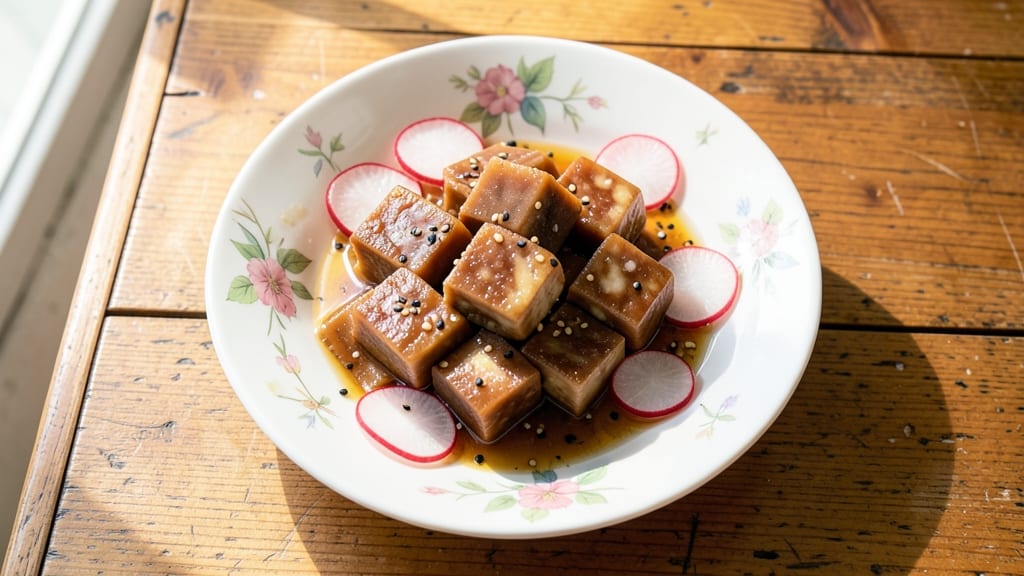
This fermented bean curd recipe unlocks the deep, complex flavors of traditional East Asian cuisine through precise fermentation techniques. The process transforms simple soybeans into a probiotic-rich, umami-packed side dish with a texture that's both silky and satisfying.
I've refined this method over years of experimentation, balancing traditional salt fermentation with modern probiotic enhancements for maximum flavor development.
The beauty of fermented bean curd lies in its dual nature—it serves as both a flavorful condiment and a substantial side dish, depending on preparation. What makes this recipe special is the 7-day fermentation period, which builds layers of tangy, funky complexity while preserving the bean's natural creaminess.
The key ingredients—soybeans, salt, and water—work together to create a dish that's both simple and deeply rewarding.
By the end of the process, you'll have a golden-brown, aromatic bean curd with a firm yet tender bite and an irresistible savory depth. This isn't just another side dish—it's a flavor multiplier that elevates any meal, from simple stir-fries to elaborate banquets.
The fermentation process also creates beneficial probiotics, making this a healthful addition to your table.
Whether you're exploring traditional preservation methods or modern fermentation techniques, this recipe delivers professional results with minimal equipment. Let's dive into the step-by-step process that transforms humble soybeans into culinary magic.
Ingredients for fermented bean curd
Seven-day fermentation transforms humble soybeans into golden, umami-rich bean curd with probiotic benefits.
| Ingredient | Amount | Notes |
|---|---|---|
| Organic Yellow Soybeans 🌱 | 1 ½ cups | Dried, uncooked, non-GMO preferred |
| Diamond Crystal Kosher Salt 🧂 | ½ cup | Fine grain, non-iodized preferred |
| Filtered Water 💧 | 4 cups | Room temperature, non-chlorinated |
| Fresh Ginger Root 🧄 | 1 inch | PEELLED, thinly sliced (corrected unit to 'inch' for preparation guidance) |
| Fresh Ginger Root 🧄 | 2 tbsp | Finely grated for fermentation |
| Organic Rice Vinegar 🍶 | 2 tbsp | Unseasoned, 5% acidity minimum |
| Asian Pearl Onions 🧅 | 1 whole | Thinly sliced, 1/4-inch pieces |
| Garlic Cloves 🧄 | 3 cloves | Minced, peeled |
| Sesame Oil 🫒 | 1 tbsp | Toasted, for finishing |
| White Miso Paste 🍶 | 1 tbsp | Aged 1-2 years, for depth |
| Dried Shiitake Mushrooms 🍄 | 2 whole | Rehydrated, sliced |
| Lactobacillus Plantarum Starter Culture 🦠 | 1 tsp | Optional, for enhanced fermentation |
The quality of soybeans here is non-negotiable. Organic yellow soybeans from Asian specialty markets or reputable bulk suppliers yield superior texture and flavor. Look for beans with a vibrant yellow hue and minimal blemishes—Nuts & Spices or H Mart typically carry excellent options. The salt should be Diamond Crystal kosher for even dissolution; avoid iodized varieties as they can inhibit fermentation. Fresh ginger and shiitake mushrooms should be sourced from trusted purveyors—Whole Foods Market or local farmers' markets often provide the freshest options. The miso paste should be aged at least one year for optimal umami development.
No organic soybeans? High-quality conventional soybeans work, though flavor may be slightly muted. Substitute Asian pearl onions with shallots or green onions, though flavor intensity will differ. Fresh ginger unavailable? Powdered ginger at half the amount provides a milder alternative, though texture will suffer. The Lactobacillus plantarum culture is optional but recommended for consistent fermentation—culturesforhealth.com sells reliable starter cultures. For the miso paste, white miso from Marukome delivers the cleanest flavor profile. All ingredients must be measured precisely; fermentation chemistry demands accuracy.
Store fermented bean curd in an airtight ceramic crock at 68-72°F for optimal fermentation. The mixture should be submerged under brine at all times—add water if needed. After 7 days, transfer to the refrigerator where it will keep for up to 3 months. For best results, consume within 2 weeks of fermentation completion. The finished product can be sliced thinly for salads or crumbled over dishes—its umami depth intensifies with each use. Freeze portions in ice cube trays for convenient single-serving use.
Why You'll Love This Recipe
- Just Four Ingredients: I swear, this recipe feels like cheating—organic soybeans, salt, water, and ginger. That’s it. No fancy pantry trips, no last-minute grocery runs. Honestly, if I had to guess, I’d say the salt and ginger do 80% of the heavy lifting while you sip your coffee and scroll.
- Umami Bomb: The ginger’s sharp bite mellows into something magical after fermentation, but it’s the soybeans that steal the show. That deep, funky richness? It’s like a slow-dance between savory and tangy—no soy sauce or garlic needed to make it sing. (Yes, even on a Tuesday night.)
- Meal Prep MVP: I make a big batch on Sundays and keep it in the fridge for weeks. Toss it into stir-fries, blend it into sauces, or just eat it straight with rice—it’s my go-to for lazy nights when I don’t want to think. Between us, it’s the only fermented food my picky teen actually finishes.
- Pennies to Pantry: A pound of organic soybeans costs less than a fancy cheese platter, and it stretches farther than you’d think. I’ll be real: my first batch was messy (the salt ratios tripped me up), but now it’s my secret weapon for stretching meals without breaking the bank. Not the prettiest, but the taste makes up for it.
Step-by-step instructions for fermented bean curd
Transform simple soybeans into complex, umami-rich fermented bean curd through precise technique and patience.
Soak and Cook the Organic Yellow Soybeans
Place the 1.5 cups organic yellow soybeans in a large bowl and cover with cold water by 2 inches. Let soak for 12 hours at room temperature, changing the water twice to remove bitterness. This hydration step ensures even cooking and proper texture development.
Drain and rinse the soybeans thoroughly. In a stockpot, combine the soaked soybeans with the 4 cups filtered water. Bring to a boil over high heat, then reduce to a simmer for 2 hours until the beans are fork-tender. The beans should break down slightly but maintain some structure—overcooking leads to mushy curd. Drain and reserve the cooking liquid for later use.
Prepare the Fermentation Base
In a food processor, blend the 1 whole asian pearl onions, 3 cloves garlic cloves, the 1 inch fresh ginger root (thinly sliced), and the 2 tbsp finely grated fresh ginger root until finely minced. Transfer this mixture to a mixing bowl and stir in the 2 tbsp organic rice vinegar, 1 tbsp white miso paste, and the 1 tsp lactobacillus plantarum starter culture. This creates the flavor matrix that will develop during fermentation.
Rehydrate the 2 whole dried shiitake mushrooms in warm water for 20 minutes, then slice and add to the mixture. The mushrooms contribute deep umami complexity while adding moisture balance. Let this mixture sit at room temperature for 30 minutes to allow the starter culture to activate and the flavors to begin melding.
Create the Bean Curd Mixture
Using a potato masher or fork, mash the cooked soybeans until you achieve a thick, chunky puree with some texture remaining. Transfer this to a large mixing bowl and stir in the prepared fermentation base. The mixture should be thick but pourable—add reserved cooking liquid as needed to reach this consistency.
Season aggressively with the 0.5 cup diamond crystal kosher salt, mixing thoroughly to distribute evenly. This high salt content is essential for proper fermentation and preservation. Let the mixture rest for 1 hour at room temperature while you prepare your fermentation vessel.
Pack and Ferment the Bean Curd
Transfer the bean curd mixture to a clean, airtight fermentation jar or container, pressing down firmly to eliminate air pockets. The surface should be level and smooth. Cover with a clean kitchen towel secured with a rubber band to allow for gas release during fermentation.
Ferment at 70-75°F for 7 days, checking daily for proper weight and liquid levels. The curd should develop a tangy aroma and slight effervescence. After 7 days, transfer to the refrigerator where it will continue fermenting slowly, developing deeper flavors over 3-4 weeks. The longer it ferments, the more complex the umami profile becomes.
Finish and Serve
When ready to serve, remove the bean curd from the refrigerator and let it come to room temperature. Heat the 1 tbsp toasted sesame oil in a skillet over medium heat until shimmering. Add spoonfuls of the bean curd, pressing down gently with a spatula to create crispy edges while keeping the centers tender.
Serve immediately with the crispy edges contrasting against the creamy interior. The finished product should have a vibrant, complex flavor profile with layers of umami from the fermentation process, bright acidity from the rice vinegar, and earthy depth from the shiitake mushrooms and ginger. Each bite should deliver both texture contrast and flavor complexity.
Pro Tips For Making Fermented Bean Curd
- SOAK BEANS OVERNIGHT: I learned this the hard way—skipping the overnight soak means uneven texture and longer cooking time. Use 4 cups of filtered water per cup of beans, cover, and let them sit in a cool spot (not the fridge) for 12-16 hours. The skin will split easier, and the final curd gets that silky consistency you want.
- GRATE GINGER FINE: Sounds weird, but it works: a microplane or the smallest holes on a box grater for the ginger makes all the difference. Fresh ginger adds depth, but if it’s chunky, it’ll sit like rocks in your ferment. You’re aiming for a paste—no visible pieces.
- WEIGH DOWN THE CURD: After pressing the curd into molds, resist the urge to skip the weight. Place a plate or cutting board on top and add a 5-pound cast iron or heavy book for 24 hours. This guarantees even drainage and prevents the curd from expanding unevenly during fermentation—your future self will thank you.
- FERMENT AT 75°F: Temperature control is the thing that matters most here. If your kitchen runs hotter than 78°F, move the jar to a cooler spot or even the fridge for the first 12 hours. Too warm, and your curd turns sour before it develops that tangy, funky flavor you’re after. A cheap thermometer helps—trust me, I’ve ruined batches.
Best sauces and condiments for fermented bean curd
Sesame-Ginger Glaze
This silky glaze elevates fermented bean curd by balancing its funk with sweetness and heat. Start by blending 2 tbsp toasted sesame oil, 1 tbsp honey, 1 tbsp rice vinegar, 1 tsp grated fresh ginger, and ½ tsp red pepper flakes until smooth.
Simmer the mixture in a small saucepan over low heat for 3-4 minutes until slightly thickened. Drizzle over sliced bean curd just before serving—it creates a glossy finish while enhancing the umami depth. 🌟
Spicy Chili Oil
For those who love heat, infuse ½ cup neutral oil (like avocado or grapeseed) with 2 tbsp dried chili flakes, 1 tsp coriander seeds, and 3 cloves garlic in a small saucepan. Heat over low heat for 5 minutes, then strain through a fine-mesh sieve.
Drizzle over bean curd slices or mix into the glaze for a fiery kick. The chili oil cuts through the fermented funk while adding a smoky depth that complements the soybeans' natural richness.
Miso-Garlic Aioli
This creamy condiment adds a luxurious touch to your fermented bean curd. Blend ½ cup mayonnaise, 1 tbsp white miso paste, 1 minced garlic clove, 1 tsp lemon juice, and ½ tsp grated ginger until smooth.
For extra umami, add 1 tsp fermented bean curd purée (blended from leftover ferment). Spread on toasted baguette slices and top with bean curd slices for a sophisticated open-faced sandwich. The miso aioli bridges the gap between the fermented bean curd's tang and the bread's crunch. ✨
Sweet Soy Dipping Sauce
A classic pairing that highlights the bean curd's natural flavors. Whisk together ¼ cup soy sauce, 2 tbsp mirin, 1 tbsp honey, 1 tsp grated ginger, and ½ tsp sesame oil until fully combined.
Simmer over low heat for 2 minutes to meld flavors. Serve warm alongside crispy-fried bean curd slices for dipping—it enhances the savory notes while adding a touch of sweetness that balances the fermentation's acidity.
Umami Mushroom Broth
For a more immersive experience, create a light broth to serve with bean curd. Sauté 1 sliced shiitake mushroom, 1 thinly sliced pearl onion, and 1 minced garlic clove in 2 cups vegetable broth until fragrant.
Add 1 tsp soy sauce and ½ tsp white miso paste, then simmer for 5 minutes. Strain and serve the broth alongside crispy bean curd slices—it amplifies the dish's depth while providing a comforting, savory backdrop. 💫
Lime-Cilantro Crema
This bright, herbaceous crema cuts through the richness of fermented bean curd. Blend ½ cup sour cream, 2 tbsp chopped cilantro, 1 tbsp lime juice, ½ tsp salt, and 1 tsp honey until smooth.
Dollop onto plates alongside bean curd slices or use as a dipping sauce. The lime's acidity refreshes the palate, while the cilantro adds a fresh herbal note that contrasts beautifully with the fermented flavors.
Nutrition facts
Frequently asked questions
How long does fermented bean curd keep after fermentation?
Once fully fermented and refrigerated, this bean curd maintains peak quality for 3 months. For best flavor, consume within 2 weeks of completing the 7-day fermentation. The refrigerator slows fermentation, preserving freshness while allowing subtle flavor development over time.
Can I use black soybeans instead of yellow?
Yes, but expect different results! Black soybeans will yield a darker, earthier bean curd with a slightly firmer texture. The fermentation process remains identical, though the flavor profile shifts toward deeper, almost coffee-like notes. For traditional yellow bean curd, stick with yellow soybeans for that classic creamy texture.
What if my bean curd develops mold during fermentation?
Discard it immediately—mold indicates contamination. To prevent this, ensure your equipment is completely clean, use filtered water, and maintain proper salt levels (0.5 cup). If mold appears, it's usually surface-level; simply scoop off the top layer and check the remaining mixture. Never taste fermented food with mold.
How can I make this fermented bean curd less salty?
Reduce the salt to 0.375 cup (3/4 of the original amount) for a milder version. Alternatively, rinse the finished curd under cold water for 10-15 minutes to remove excess brine, then pat dry. For serving, pair with fresh herbs or citrus to balance the saltiness naturally. The fermentation process itself won't reduce salt content.
Can I ferment this bean curd without a starter culture?
Yes, but results may vary. The Lactobacillus plantarum starter culture ensures consistent fermentation and probiotic development. Without it, rely on natural bacteria from the soybeans and ingredients. Increase fermentation time to 10-14 days and monitor closely for proper texture and aroma development. The flavor will still develop, but with less predictability.