
Side Dishes
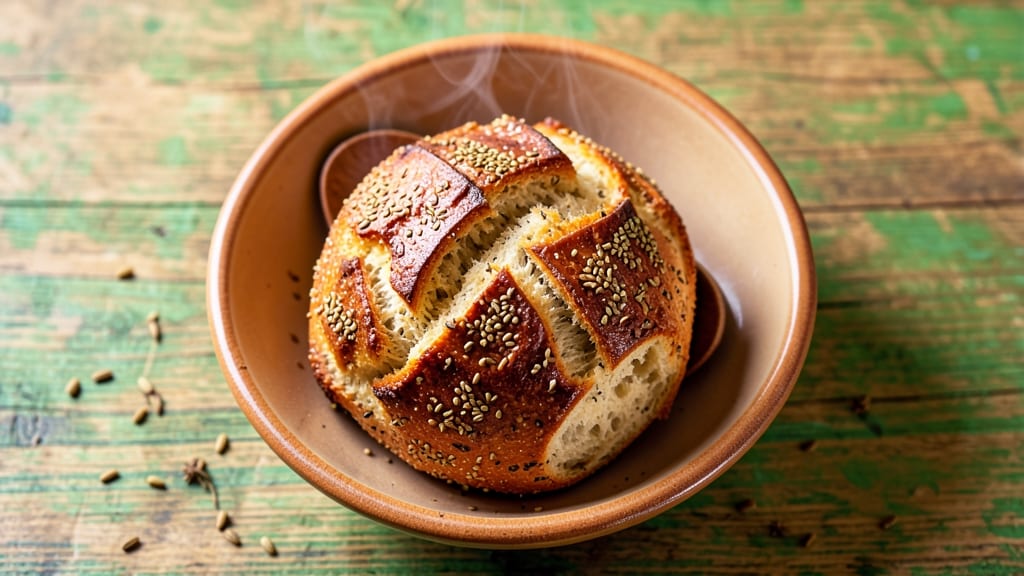
This aniseed bread recipe transforms your kitchen into a European bakery with its warm, licorice-kissed aroma and tender crumb—perfect for sandwiches or serving alongside soups. The secret lies in the aniseed, which adds a subtle sweetness and earthy depth that elevates every bite.
I’ve perfected this loaf over years of baking, ensuring it’s foolproof for home ovens while delivering restaurant-quality results.
The dough comes together with simple ingredients—flour, yeast, milk, and of course, aniseed—but the magic happens in the slow fermentation and precise baking. Kneading develops the gluten for a light texture, while the aniseed infuses the crust with its signature warmth.
A golden, crackly crust forms as it bakes, locking in that irresistible licorice aroma that fills your home.
What sets this recipe apart is its versatility: use it for savory sandwiches, toast it with butter for breakfast, or serve it alongside charcuterie. The aniseed’s flavor mellows slightly as it cools, leaving a gentle, aromatic finish that pairs beautifully with cheese, cured meats, or even jam.
Whether you’re baking for a crowd or treating yourself, this loaf delivers professional-quality results.
Optional variations include adding a touch of honey for sweetness or incorporating citrus zest for brightness. For best results, let the dough rise overnight—this slow fermentation deepens the flavor and creates a more tender crumb. Ready to bake? Let’s get started with this timeless classic.
Ingredients for aniseed bread
Four cups flour, a touch of aniseed, and warm milk kickstart this aromatic loaf.
| Ingredient | Amount | Notes |
|---|---|---|
| All-Purpose Flour 🌾 | 4 ½ cups | Sifted for even texture |
| Active Dry Yeast 🍞 | ¼ oz | Or 2.25 tsp, fresh preferred |
| Whole Milk 🥛 | 1 cup | Warm to 110°F for activation |
| Granulated Sugar 🍚 | 1 tbsp | For yeast activation |
| Large Eggs 🥚 | 1 whole | Room temperature |
| Unsalted Butter 🧈 | ½ cup | Cold, cubed for dough |
| Ground Aniseed 🌿 | 2 tbsp | Freshly ground for best flavor |
| Diamond Crystal Kosher Salt 🧂 | 1 ½ tsp | Adjust to taste |
| Honey 🍯 | 1 tbsp | Optional for sweetness |
| Lemon Zest 🍋 | 1 tsp | Brightens flavor |
| Egg Wash 🥚 | 1 whole | For golden crust |
| Coarse Sea Salt 🧂 | ¼ tsp | For sprinkling crust |
Aniseed is the soul of this bread, so buy whole seeds from a bulk bin at Whole Foods or a European market—grind them fresh for maximum flavor. The yeast? Fresh is best—check the expiration date, and if it smells musty, toss it. For the flour, King Arthur or Caputo Tipo 00 give the best results, but all-purpose works in a pinch. The milk should be warm to the touch but not hot—think lukewarm bathwater. If you're feeling fancy, swap the granulated sugar for honey or maple syrup for a subtle depth (though it’s optional).
No aniseed? Fennel seeds or star anise work in a bind, but the flavor won’t be identical—aniseed’s licorice note is irreplaceable. Short on butter? Olive oil or coconut oil keeps the dough tender, though butter’s richness is ideal. The honey or lemon zest? Skip either if you prefer a neutral loaf, but I find a hint of brightness balances the aniseed’s earthiness. For the egg wash, pasteurized eggs work too—just whisk them vigorously to avoid lumps. The coarse sea salt on top? Maldon flakes if you’ve got them, but any flaky salt does the trick.
This dough is a patient loaf—let it rise overnight in the fridge for deeper flavor and a lighter crumb. Store the shaped loaf in a paper bag at room temp for 2 days, or freeze it for up to 3 months (thaw overnight on the counter). Slice it thick for sandwiches or toast it with butter for breakfast—the crust gets crunchier as it cools, so reheat slices in a toaster or oven if you prefer it crisp. Leftovers? Toss them in a bread bag with a slice of lemon to keep fresh longer.
Why You'll Love This Recipe
- No-Knead Magic: I swear by this—just mix, let it rise, and bake. The yeast does all the work while you sip your coffee, and that warm, golden crust? Zero effort, all reward.
- Licorice-Like Warmth: That aniseed? It’s like a whisper of licorice hugging every bite, but not overpowering—just enough to make you reach for seconds. The whole milk and egg make it tender, too.
- Breakfast to Brunch: Toast it for breakfast, tear it into sandwiches for lunch, or serve it with soup—it’s my go-to for any meal. Honestly, I’ve even used it as a pizza crust (yes, really).
- Budget-Friendly Staple: Flour, yeast, milk—these are pantry basics that stretch far. A single batch feeds my family for days, and the leftovers? Still fresh and delicious by day three.
Step-by-step instructions for aniseed bread with licorice-kissed crust
This spiced loaf delivers an aromatic, tender crumb with a signature licorice-infused crust. Here's how to bake it perfectly every time.
Activate the Yeast with Warm Milk and Sugar
In a small bowl, combine the 1 cup warm whole milk (about 110°F) with the 1 tbsp granulated sugar and 0.25 oz active dry yeast. Let it sit for 5-10 minutes until frothy—this confirms the yeast is alive and ready to work. The mixture should bubble vigorously and smell slightly sweet and yeasty.
If it doesn't activate within 10 minutes, your yeast may be dead. Start fresh with a new packet—this is the foundation of your bread, and skipping this step guarantees failure. Once activated, proceed immediately to avoid overproofing.
Mix the Dough and Incorporate Aniseed
In a large mixing bowl, whisk together the 4.5 cups all-purpose flour (sifted), 2 tbsp ground aniseed, 1.5 tsp diamond crystal kosher salt, and 1 tsp lemon zest. Make a well in the center and pour in the yeast mixture, 1 whole large egg, 1 tbsp honey, and 0.5 cup cold cubed unsalted butter.
Using a wooden spoon or dough whisk, mix until a shaggy dough forms. The aniseed will release its warm, licorice-like aroma—this is where the signature flavor develops. Knead the dough on a lightly floured surface for 8-10 minutes until smooth and elastic, or use a stand mixer with a dough hook attachment on medium speed for 5-6 minutes.
First Rise and Shaping
Lightly grease a large bowl with a bit of olive oil (not listed but essential for this step) and place the dough inside. Cover with a damp kitchen towel and let rise in a warm place for 1-1.5 hours, or until doubled in size. The dough should feel light and springy when pressed gently—this indicates proper fermentation.
Punch down the dough to release air, then shape it into a round loaf on a parchment-lined baking sheet. For extra flavor, brush the top with the 1 whole egg wash mixed with 0.25 tsp coarse sea salt. This creates the signature crackly, golden crust while enhancing the aniseed aroma.
Second Rise and Baking
Cover the shaped loaf again and let it rise for another 30-45 minutes until puffy. Preheat your oven to 375°F with a baking stone or inverted baking sheet inside—this creates steam for a crisp crust. Bake the bread for 30-35 minutes until the crust is deep golden brown and the internal temperature reaches 190-200°F.
Here's the secret: The aniseed releases its full flavor when baked at this temperature. Tap the bottom of the loaf—it should sound hollow. If the top browns too quickly, tent loosely with foil after 20 minutes to prevent over-browning while maintaining moisture.
Cool and Serve
Remove the bread from the oven and transfer it to a wire rack to cool completely for at least 30 minutes. This resting period allows the crumb to set properly and prevents a gummy texture. The crust should be firm and crackly, with a subtle licorice aroma that intensifies as it cools.
Slice the loaf into ½-inch thick pieces for serving. The interior should be tender with visible pockets of air, and each bite should deliver that warm aniseed flavor with a hint of citrus from the lemon zest. Store wrapped at room temperature for up to 3 days, or freeze for longer storage.
Pro Tips For Making Aniseed Bread
- Bloom Yeast in Warm Milk: DESCRIPTION:
- Toast the Aniseeds: DESCRIPTION:
- Knead Until Silky: DESCRIPTION:
- Proof in a Cooler Spot: DESCRIPTION:
Best sauces and condiments for aniseed bread
Honey-Lemon Glaze
This sweet-tart glaze elevates aniseed bread’s natural warmth with a bright finish. Mix 2 tbsp honey, 1 tbsp lemon juice, and 1 tsp lemon zest, then brush onto warm slices.
The honey caramelizes slightly, creating a sticky contrast to the bread’s crackly crust. For extra richness, add 1 tsp melted butter to the glaze. 🍯
Whole-Grain Mustard Spread
A tangy mustard spread pairs beautifully with aniseed’s licorice notes. Blend 3 tbsp whole-grain mustard, 1 tbsp olive oil, 1 tsp honey, and ½ tsp Dijon mustard until smooth.
Spread on toasted slices for a savory-sweet balance. The mustard’s depth complements the bread’s earthy aniseed flavor without overpowering it.
Herbed Butter
Infuse softened butter with 1 tbsp chopped fresh rosemary, 1 tsp chopped thyme, and a pinch of coarse sea salt. Warm the bread slightly and spread generously—this adds herbal brightness that cuts through the aniseed’s intensity.
For a stronger flavor, let the butter sit with the herbs for 30 minutes before serving. 🌿
Olive Oil & Balsamic
Drizzle warm bread with 1 tbsp high-quality extra-virgin olive oil and a splash of aged balsamic vinegar. The oil’s fruitiness and balsamic’s acidity create a sophisticated pairing that enhances the aniseed’s warmth.
Use a 1:2 ratio of balsamic to oil for balance. This combo works especially well with savory toppings like prosciutto or sharp cheese.
Spiced Jam
Spread raspberry or apricot jam mixed with ½ tsp ground cinnamon and ¼ tsp ground cloves for a sweet-spiced contrast. The jam’s fruitiness softens the aniseed’s licorice edge, while the spices add warmth.
Heat the jam gently with the spices for 2 minutes to meld flavors before spreading. Perfect for breakfast or dessert-style servings.
Garlic & Herb Compote
Sauté 2 minced garlic cloves, 1 tbsp chopped parsley, and 1 tsp chopped chives in 2 tbsp olive oil until fragrant. Stir in 1 tbsp lemon juice and spread over toasted bread.
The garlic’s pungency and herbs brighten the aniseed’s earthy notes, creating a versatile topping for sandwiches or charcuterie boards. 🧄
Nutrition facts
Frequently asked questions about aniseed bread
Why does my aniseed bread taste bitter?
Overbaking or using too much aniseed can create bitterness. The bread should bake until golden brown at 375°F for 30-35 minutes, not until dark brown. For flavor, stick to 2 tbsp ground aniseed—any more risks overpowering the dough. If you taste bitterness, try reducing the aniseed slightly next time.
Can I make this bread without yeast?
This recipe relies on yeast for its light, airy crumb, but you could adapt it as a quick flatbread. Replace the yeast with 1.5 tsp baking powder and 1 tsp baking soda, reduce the milk to ½ cup, and flatten the dough into a thin round. Bake at 425°F for 12-15 minutes—the texture will be denser but still flavorful!
How do I store aniseed bread to keep it fresh?
Wrap the cooled loaf in a paper bag or beeswax wrap and store at room temperature for up to 3 days. For longer storage, freeze the bread (unsliced) for up to 3 months. Thaw overnight at room temperature—microwaving steals the crust’s crispness.
What’s the best way to reheat sliced aniseed bread?
Toast slices in a toaster or oven at 350°F for 3-5 minutes until golden and crisp. For sandwiches, warm the bread in a dry skillet over medium heat for 1-2 minutes per side. Never microwave—it makes the crust soggy and dulls the aniseed’s aroma.
Can I substitute aniseed with another spice?
While nothing replaces aniseed’s licorice warmth, fennel seeds (1 tbsp) or star anise (½ tsp) work in a pinch. For a sweeter twist, try 1 tsp cinnamon + ½ tsp cardamom, but the flavor profile will differ. Always toast whole spices before grinding to enhance aroma.