
Side Dishes
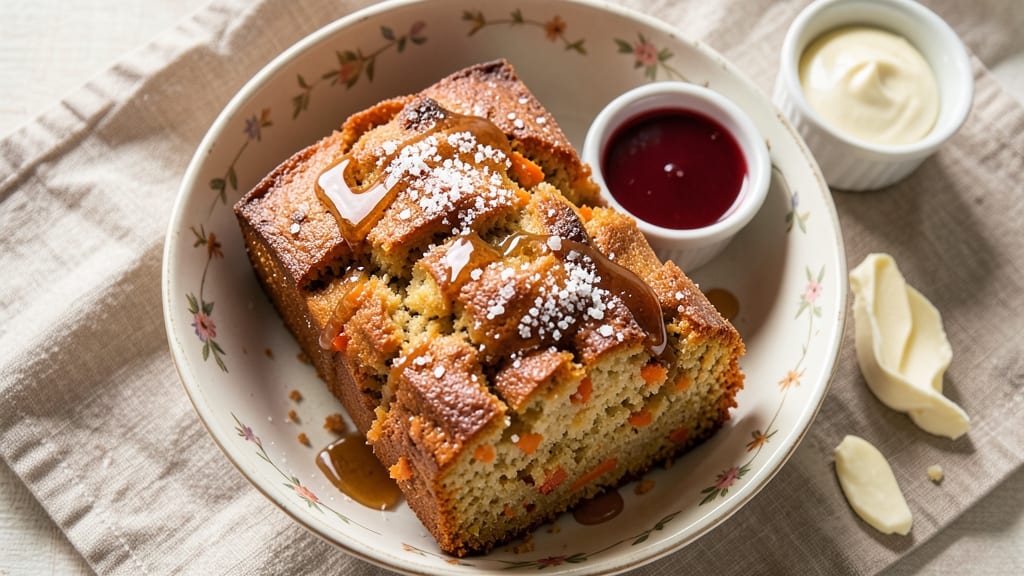
This canned carrot bread recipe transforms humble pantry carrots into a fragrant, spiced loaf that feels like a clever kitchen triumph.
This recipe proves that no-waste cooking doesn't mean sacrificing flavor—just a few simple ingredients and a little time in the oven create a tender, caramelized bread with warm cinnamon notes that taste homemade.
I developed this after realizing how much carrot juice gets wasted when draining cans, and now it's become my go-to for using up those leftover carrots.
The beauty of this recipe lies in its simplicity—no fancy techniques required, just basic bread-making skills. You'll start by shredding those canned carrots (no peeling needed!) and mixing them into a soft dough that develops into a moist, slightly dense loaf with a crackly crust.
The spices—cinnamon, nutmeg, and allspice—create that comforting sweetness without overpowering the natural carrot flavor, while a touch of molasses adds depth that makes every slice satisfying.
What you'll end up with is a loaf that's perfect for breakfast toast, afternoon snacks, or even as a side to soups—its sweetness balances savory dishes beautifully. The texture stays moist for days, making it ideal for meal prep, and the aroma while baking will fill your kitchen with warmth.
This isn't just bread; it's a way to repurpose ingredients you might otherwise toss, proving that thoughtful cooking starts with what you already have.
Ready in about 2 hours (including proofing time), this recipe delivers restaurant-quality results with minimal effort. The best part? You won't find a single wasted ingredient in the process. Let's get baking!
Ingredients for canned carrot bread
Simple pantry staples plus canned carrots—no waste, all flavor.
| Ingredient | Amount | Notes |
|---|---|---|
| Canned Carrots 🥕 | 1 ½ cups | Drained, juice reserved |
| All-Purpose Flour 🌾 | 3 ½ cups | Spooning into cups |
| Granulated Sugar 🍚 | ½ cup | Light brown sugar works too |
| Unsalted Butter 🧈 | ½ cup | Softened, full-fat preferred |
| Large Eggs 🥚 | 2 whole | Room temperature |
| Molasses 🍯 | ¼ cup | Unsulphured preferred |
| Ground Cinnamon 🌶️ | 1 ½ tbsp | Freshly ground if possible |
| Ground Nutmeg 🌿 | ½ tsp | Freshly grated better |
| Ground Allspice 🌶️ | ½ tsp | Or substitute 0.25 tsp each cloves + ginger |
| Baking Soda 🧂 | 1 ½ tsp | Not baking powder |
| Salt 🧂 | ½ tsp | Kosher or sea salt |
| Vanilla Extract 🍯 | 1 tsp | Pure vanilla preferred |
| Plain Yogurt 🥛 | ½ cup | Full-fat for richness |
| Milk 🥛 | ½ cup | Any kind works |
The carrots are the star here, so grab any brand from the canned veggie aisle—Del Monte or Libby's are reliable. Drain them well, but don't toss that juice! I usually reserve it for another batch or use it in smoothies. The flour matters too—King Arthur or Gold Medal are my go-tos for consistent texture. If you're using whole wheat flour, add an extra tablespoon to account for its density. The spices? Penzeys or local bulk bins have the freshest ground spices, but the grocery store stuff works fine if it's labeled 'freshly ground' or you grind whole spices yourself.
No molasses? Maple syrup at half the amount works in a pinch, though it adds a different depth. Short on yogurt? Sour cream or buttermilk both work, but yogurt keeps the bread extra moist. The molasses is non-negotiable for that deep caramel flavor—Grandma's or Gooseberry brands are my favorites, but any unsulphured will do. For the spices, if you only have whole nutmeg, grate it fresh—it makes all the difference. And if you're feeling fancy, add a pinch of cardamom for an unexpected twist.
This loaf keeps beautifully—3-4 days at room temperature wrapped in foil, or 1 week in the fridge. Freeze slices for up to 3 months by wrapping them individually. I usually bake two loaves at once—one for the week, one to freeze. The crust gets crispy after a day or two, so if you prefer it softer, store it in an airtight container. Toasting frozen slices from scratch gives them that perfect crunch.
Why You'll Love This Recipe
- No Chopping Needed: I’ll admit it—I’m terrible at peeling carrots. With canned ones, this bread comes together without the mess of fresh prep. Just drain, mash, and mix.
- Sweet-Spiced Magic: That caramelized sugar and butter combo? It’s like a hug for your taste buds. The canned carrots add natural sweetness without tasting canned—promise.
- Breakfast or Snack: Honestly, I eat this cold for breakfast with peanut butter or warm with jam. It’s the kind of bread that works anytime, no rules.
- Pantry Staple Power: Flour, sugar, eggs—you’ve got this. Uses up canned carrots before they go bad, and slices freeze perfectly for lazy mornings. Budget-friendly and practical.
Step-by-step instructions for canned carrots bread recipe
This sweet, spiced loaf transforms pantry staples into a moist, flavorful bread with minimal effort.
Prep the Carrots and Mix Dry Ingredients
Start by draining the 1.5 cups canned carrots thoroughly, reserving the juice in a small bowl. You'll need about ¼ cup of the carrot juice for moisture later. Chop the carrots into small, even pieces—they'll blend into the batter smoothly. In a large mixing bowl, whisk together the 3.5 cups all-purpose flour, 1.5 tsp baking soda, 0.5 tsp salt, 1.5 tbsp ground cinnamon, 0.5 tsp ground nutmeg, and 0.5 tsp ground allspice. Sift the dry ingredients lightly to avoid lumps—this ensures a tender crumb.
I like to use a whisk for this step because it aerates the flour slightly, which helps create a lighter texture. If you're using freshly ground spices, the aroma alone will make your kitchen smell amazing. Keep the dry ingredients ready—they'll go in last to prevent overmixing.
Cream Butter and Sugar
In a separate large bowl, beat the 0.5 cup softened unsalted butter and 0.5 cup granulated sugar together using an electric mixer on medium speed for 2-3 minutes. You're looking for a light, fluffy texture—the mixture should nearly double in volume and turn pale. This step incorporates air, which gives the bread its rise and tender crumb.
Don't rush this part. If the butter isn't fully softened, the mixture will clump, and your bread might turn out dense. I usually press the butter between two sheets of wax paper and let it sit at room temperature for 15-20 minutes before starting. You'll know it's ready when it leaves a slight indentation when pressed with your finger.
Add Wet Ingredients and Mix
To the butter-sugar mixture, add the 2 whole large eggs, 0.25 cup molasses, 1 tsp vanilla extract, 0.5 cup plain yogurt, 0.5 cup milk, and the reserved ¼ cup carrot juice. Mix on low speed until just combined—about 1 minute. Then gradually add the dry ingredients while mixing on low. Stop mixing as soon as everything comes together. Overmixing develops gluten and makes the bread tough.
Here's where the magic happens: the molasses adds deep caramel notes, while the yogurt and milk create a tender, moist crumb. If the batter looks too thick, add 1-2 tablespoons of milk to loosen it. The batter should be like a thick pancake batter—smooth but still slightly lumpy.
Fold in Chopped Carrots
Gently fold the chopped carrots into the batter using a spatula, being careful not to overmix. The carrots should be evenly distributed throughout. This is where the bread gets its natural sweetness and subtle texture. If you're using light brown sugar, the bread will have a slightly deeper caramel flavor—worth the swap if you have it.
Let the batter rest for 10 minutes at room temperature. This allows the flour to fully hydrate and the spices to meld with the wet ingredients. While it rests, preheat your oven to 350°F and grease a 9x5-inch loaf pan lightly with butter or line it with parchment paper for easy removal.
Bake to Golden Perfection
Pour the batter into the prepared loaf pan and smooth the top with a spatula. Bake for 50-60 minutes, or until a toothpick inserted into the center comes out clean. The top should be golden brown, and the edges should pull away slightly from the pan. If the top browns too quickly, tent the pan loosely with foil after 30 minutes to prevent over-browning.
Real talk: your oven might run hot, so start checking at the 50-minute mark. The bread is done when it springs back gently when pressed in the center. Let it cool in the pan for 10 minutes, then transfer to a wire rack to cool completely. Slice when fully cooled—the crumb will be moist and tender, with warm carrot and spice flavors that pair perfectly with butter or jam.
Pro Tips For Making Canned Carrot Bread
- Drain and Pat Dry: Canned carrots hold onto liquid like they’re auditioning for a swimming team. Dump them into a colander, give them a good shake, then roll the drained carrots in a clean kitchen towel to soak up every last drop—this keeps your bread from turning into a dense, gummy brick instead of something light and tender.
- Mix Butter and Sugar First: I used to toss everything into the bowl at once, and my bread always came out dry. Instead, cream the butter and sugar until it’s pale and fluffy—that’s the thing that matters most. This step also cuts down on mixing time later, so your flour doesn’t get overworked and toughen up.
- Don’t Overmix the Batter: Once you add the flour, stop stirring the second everything just comes together. Overmixing develops the gluten, and your bread will turn out dense and chewy instead of soft and cake-like. Give it two turns with a spatula—just enough to combine—then call it good.
- Use Room-Temp Eggs: Cold eggs make butter behave like a stubborn mule in the batter. Take your eggs out of the fridge 30 minutes before mixing, and your bread will bake up with a finer crumb and better rise. (Yes, even if you’re impatient like me, this small wait makes a real difference.)
Make-ahead tips for this canned carrot bread
Batter Prep Ahead
Mix the batter up to 24 hours ahead and store it in an airtight container in the fridge. The flavors deepen overnight, and the spices have time to infuse fully. When ready to bake, let the batter sit at room temperature for 30 minutes before pouring into the pan.
This ensures even baking and prevents a dense crumb. I often make the batter the night before—it’s one less thing to do in the morning! 🌙
Freezer-Friendly Loaf
Bake the bread as directed, then cool completely before slicing into ½-inch thick pieces. Wrap each slice tightly in plastic wrap, then place them in a single layer on a baking sheet. Freeze for 1 hour to solidify, then transfer to a freezer bag for up to 3 months.
To toast from frozen, bake at 350°F for 8-10 minutes until warmed through. The texture stays moist, and the carrot flavor shines even after freezing. 🧊
Proofing Shortcut
Skip the traditional proofing step entirely by baking the bread immediately after mixing. While this reduces rise slightly, the bread will still be tender and flavorful. For best results, though, let the batter rest for 10 minutes at room temperature before baking—this ensures even moisture distribution and a lighter texture.
I often do this when I’m short on time but still want that homemade taste. ⏰
Double Batch Strategy
Make two loaves at once by dividing the batter evenly between two 9x5-inch loaf pans. This is perfect for meal prep—one loaf for the week, one for freezing. Use the same baking time, but check for doneness at 50 minutes since two pans can cool the oven slightly.
Label the frozen loaf with the date to track freshness. This method cuts prep time in half and ensures you always have fresh bread on hand. 🍞
Storage Hacks
Keep the baked loaf at room temperature in a breathable cotton bag for 2-3 days to maintain freshness. For longer storage, wrap the whole loaf in foil and refrigerate for up to 1 week. The crust stays crisp, and the crumb remains soft.
To revive stale slices, warm them in a 350°F oven for 5-7 minutes or toast in a pan with a little butter. This keeps the bread tasting fresh all week. ✨
Carrot Juice Substitute
If you forget to reserve the carrot juice, substitute with ¼ cup apple juice or water. The bread will still turn out moist, though the flavor will be slightly less carrot-forward.
For extra richness, add 1 tablespoon melted butter to the wet ingredients. This works well if you’re making the batter ahead and realize you’ve missed the juice step. 🥕
Nutrition facts
Frequently asked questions
Why does this bread use canned carrots instead of fresh?
Canned carrots are perfect for this recipe because they're pre-cooked and easy to shred, saving you time and reducing waste. The natural sweetness of canned carrots enhances the bread's flavor without needing extra sugar. Plus, you won't have to peel or chop fresh carrots—just drain and chop! The texture stays moist in the bread, making it ideal for no-waste cooking.
Can I make this bread without molasses?
Yes, but the flavor will be different. Substitute ¼ cup maple syrup or honey for the molasses, though it won't have the same deep caramel notes. For a neutral substitute, use 2 tablespoons brown sugar + 2 tablespoons water. The bread will still be sweet and moist, just with a slightly different profile.
How do I fix a dense or gummy texture?
Density often comes from overmixing or underbaking. Make sure to mix just until combined—stop when the dry ingredients disappear. Also, check for doneness with a toothpick at 50 minutes. If the bread is still gummy inside, bake 5-10 more minutes. For extra moisture, the batter might need 1-2 tablespoons more milk before baking.
Can I add nuts or raisins to this recipe?
Fold in ½ cup chopped walnuts or pecans and/or ½ cup raisins with the shredded carrots. For best results, toast the nuts first to enhance their flavor. The bread will have a delightful crunch and extra sweetness. Just reduce the milk by 1-2 tablespoons to balance the extra moisture from dried fruit.
What’s the best way to reheat stale slices?
For crispy toast, warm slices in a 350°F oven for 5-7 minutes with a pat of butter. For a softer texture, microwave for 10-15 seconds or steam for 2 minutes over boiling water. The bread reheats beautifully—just avoid overdoing it to prevent dryness.