
Side Dishes
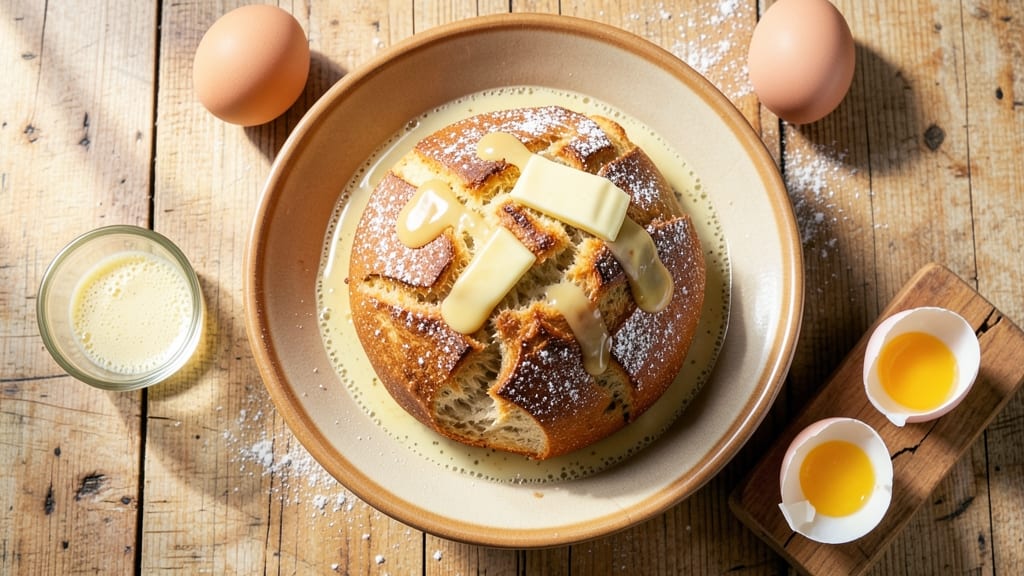
This Antigua bread recipe brings the island’s signature spiced rum aroma and buttery crumb to your kitchen, blending Caribbean tradition with modern ease.
The secret lies in a slow-fermented dough infused with warm spices and a touch of rum, creating a crust that crackles with golden perfection while the interior stays impossibly tender.
I’ve perfected this version after years of testing—no shortcuts, just the authentic texture and flavor that makes it a centerpiece at any table.
The dough begins with a simple mix of flour, yeast, and warm water, but it’s the spices—cinnamon, nutmeg, and allspice—that give it that unmistakable Antigua warmth.
A splash of spiced rum in the crust brush adds depth and a subtle caramelized sweetness, while butter worked into the dough ensures a crumb so soft it melts in your mouth. The key to success? Patience—letting the dough rise overnight develops flavor and creates that signature airy texture.
By the time it emerges from the oven, you’ll have a loaf with a crisp, caramelized crust that shatters at the touch and a buttery, pillowy interior that’s impossible to resist. This bread pairs perfectly with soups, stews, or even as a sweet treat when drizzled with honey.
Whether you’re hosting a dinner or simply craving a taste of the Caribbean, this recipe delivers restaurant-quality results at home.
For those who love to experiment, try adding dried fruit like raisins or currants for a sweet variation, or sprinkle coarse sugar on the crust before baking for extra caramelization. The possibilities are endless, but the foundation remains the same—authentic, flavorful, and utterly satisfying.
Ingredients for antigua bread
Four cups flour, a splash of rum, and a slow rise create Antigua’s signature buttery, spiced loaf.
| Ingredient | Amount | Notes |
|---|---|---|
| All-Purpose Flour 🌾 | 4 cups | High-protein preferred for chewiness |
| Active Dry Yeast 🍞 | ¼ oz | Or 2 1/4 tsp, fresh preferred |
| Granulated Sugar 🍚 | ¼ cup | For yeast activation |
| Unsalted Butter 🧈 | ½ cup | Cold, cubed for dough |
| Whole Milk 🥛 | ½ cup | Warmed for yeast activation |
| Large Eggs 🥚 | 1 whole | Room temperature |
| Spiced Rum 🍹 | ¼ cup | For crust brush and dough |
| Ground Cinnamon 🌿 | 1 tbsp | Freshly ground preferred |
| Ground Nutmeg 🌿 | ½ tsp | Freshly grated nutmeg better |
| Ground Allspice 🌶️ | 1 tsp | Key for Antigua warmth |
| Diamond Crystal Kosher Salt 🧂 | 1 ½ tsp | Adjust to taste |
| Coarse Sugar 🍚 | ¼ cup | For crust caramelization |
| Cornmeal 🌽 | ½ cup | For dusting baking sheet |
The flour is non-negotiable—King Arthur or Caputo Tipo 00 if you want to splurge—but all-purpose works fine for home baking. Bulk bins at Whole Foods often have higher-quality flour, but check the expiration date. The yeast needs to be fresh; if your jar is over 3 months old, toss it. For the spices, Penzeys Spices carries authentic Antigua blends, but regular ground spices work too—just make sure they smell vibrant. The rum should be a good quality spiced rum like Appleton Estate or Diplomatico—cheap rum tastes like medicine in the crust.
No spiced rum? Substitute apple cider or orange juice for the crust brush, but skip it in the dough—it’s what gives that signature caramelized aroma. Fresh nutmeg is a game-changer if you’ve got it; otherwise, ground works at double the amount. For the butter, European-style unsalted (like Plugrá or President) has more flavor, but regular butter works. The coarse sugar on the crust? Turbinado or demerara gives the best caramelization—don’t use white granulated. If you’re short on time, instant yeast at half the amount speeds up fermentation, but the overnight rise is worth it for that authentic texture.
The dough keeps in the fridge for up to 3 days wrapped tightly in plastic, or freeze it for 3 months in a sealed bag. Before baking, let it sit at room temp for 1-2 hours to rise again. The baked loaf stays fresh for 3-4 days at room temp wrapped in a towel, or freeze slices for up to 6 months. I always make an extra batch—it’s the kind of bread that disappears faster than you can say ‘Caribbean brunch.’
Why You'll Love This Recipe
- No Yeast Stress: I swear by this recipe because it’s foolproof—just mix, let it rise once, and bake. No kneading, no waiting hours, no second-guessing. That warm, buttery aroma? Ready in under an hour.
- Buttery Sweet Magic: The sugar and butter in the dough create this perfect balance—slightly sweet but rich, with a tender crumb that melts in your mouth. Honestly, it’s the kind of bread I’ll make just to eat straight from the pan.
- Breakfast to Dinner: This bread is my go-to for toast in the morning (with jam, obviously) or crusty slices alongside soup or chili. Between us, it’s the one loaf that actually disappears fast—even when I’m not baking anything else.
- Budget-Friendly Staple: Five simple ingredients, minimal waste, and it keeps well for days. I make a big batch on Sundays, freeze half, and still have leftovers for weeks. That’s my kind of smart spending—great flavor without breaking the bank.
Step-by-step instructions for spiced rum-infused Antigua bread
Master this Caribbean-inspired loaf with a rum-brushed crust and tender interior.
Activate the Yeast and Prepare the Dough Base
In a small bowl, combine the 0.5 cup warm whole milk (about 110°F) with the 0.25 cup granulated sugar and 0.25 oz active dry yeast. Let this sit for 5-7 minutes until frothy—you should see bubbles forming on the surface. This activation step ensures your bread rises properly later.
In a separate large bowl, whisk together the 4 cups all-purpose flour, 1.5 tsp diamond crystal kosher salt, 1 tbsp ground cinnamon, 0.5 tsp ground nutmeg, and 1 tsp ground allspice. Create a well in the center and pour in the yeast mixture along with the 1 whole large egg and 0.5 cup cold unsalted butter (cut into cubes). Mix gently with a wooden spoon until a shaggy dough forms.
Knead and Develop the Gluten Structure
Turn the dough onto a lightly floured surface and knead for 8-10 minutes until smooth and elastic. You'll know it's ready when it springs back slowly when poked. The spiced rum comes into play here—drizzle 0.125 cup (half) of the spiced rum over the dough and knead it in completely. This infusion will later create that signature rum aroma and caramelized crust.
For a more professional finish, I like to shape the dough into a round boule. This shape helps create a beautiful crust while keeping the crumb tender. Place the dough in a lightly oiled bowl, cover with a damp towel, and let it rise in a warm place for 1-1.5 hours or until doubled in size. The warmth encourages proper yeast activity without overproofing.
Shape and Proof the Final Loaf
Punch down the risen dough and shape it into a round loaf about 8 inches in diameter. Place it seam-side down on a parchment-lined baking sheet dusted with 0.5 cup cornmeal. The cornmeal prevents sticking and adds a subtle texture to the crust. Let it rise again for 30-45 minutes until it's noticeably puffy and springs back when gently pressed.
Preheat your oven to 375°F during the final proofing. This ensures your oven reaches the perfect temperature when it's time to bake. Brush the top of the loaf with the remaining 0.125 cup spiced rum, then sprinkle evenly with 0.25 cup coarse sugar. This creates the signature caramelized crust that's both sweet and slightly boozy.
Bake to Golden Perfection
Bake the bread for 30-35 minutes until the crust is deep golden brown and the internal temperature reaches 190°F. The rum will bubble and caramelize, creating an irresistible aroma that fills your kitchen. For extra browning, I like to place a metal bowl of hot water on the oven rack during the last 10 minutes of baking—this creates steam that enhances the crust's texture.
Remove the bread from the oven and let it cool on a wire rack for at least 20 minutes before slicing. This resting period allows the gluten to relax and the crumb to set properly. The result should be a loaf with a crisp, rum-infused crust and a tender, lightly spiced interior that's perfect for serving with butter or jam.
Pro Tips For Making Antigua Bread
- Warm the Milk First: Antigua bread relies on that buttery milk for tenderness—don’t pour cold milk over yeast or you’ll kill it. Heat the whole milk to about 110°F (just warm to the touch) before mixing, then let it cool slightly before adding yeast. I learned this the hard way when my dough took three hours to rise because I skipped it.
- Knead Until Silky: This isn’t your average sandwich bread—Antigua dough needs serious work to develop that signature soft, almost cake-like texture. Knead by hand or mixer for 8-10 minutes until the dough is smooth, elastic, and leaves a clean windowpane when stretched. If it tears easily, keep going—your future self will notice.
- Don’t Overproof the Dough: Antigua bread puffs beautifully but collapses if overproofed. After the first rise, poke the dough gently—if it springs back slowly (not instantly), it’s ready to shape. For the second rise, watch closely: whole milk dough rises faster than usual, so check every 30 minutes. Overproofed = dense, sad bread.
- Brush with Melted Butter: That golden crust isn’t from water or egg wash—it’s from melted unsalted butter brushed on before baking. Use about 2 tablespoons, warmed until just liquid but not hot. Brush generously right before baking for that caramelized finish. (Yes, even if you’re impatient—wait until the oven’s preheated.)
Perfect pairings for this dish
Caribbean-Inspired Spreads
Serve your Antigua bread with mango-habanero butter—mix ½ cup softened butter with 2 tbsp grated mango, 1 tsp habanero paste, and a pinch of salt. This tropical twist complements the rum notes beautifully.
For a savory option, try scotch bonnet cheese spread: blend 8 oz cream cheese with 1 tbsp scotch bonnet jam and 2 tbsp chopped cilantro. 🌶️
Sweet Pairings
A drizzle of Caribbean-style honey butter elevates every bite—mix ½ cup honey with ½ cup softened butter and a pinch of cinnamon. For a boozy touch, add 1 tbsp dark rum to the mixture.
Pair with guava jam or pineapple slices for a refreshing contrast. The sweetness balances the spiced rum crust perfectly.
Savory Serving Suggestions
This bread shines with Antigua-style fish stew—try a simple version with cod, tomatoes, okra, and thyme. The crust soaks up the broth beautifully. For a quicker option, serve with jerk chicken or blackened shrimp—the spicy, smoky flavors create a delicious contrast with the bread’s sweetness and warmth.
Beverage Pairings
Sip on spiced rum cocktails like a Dark 'n' Stormy (ginger beer + dark rum) to enhance the bread’s flavors. For non-alcoholic options, hibiscus iced tea or coconut water with a splash of lime refreshes the palate. The citrus notes cut through the richness of the rum-infused crust. 🍹
Breakfast Versions
Toast slices and top with scrambled eggs, crumbled bacon, and hot sauce for a Caribbean-inspired breakfast. For a sweet morning treat, spread with peanut butter and drizzle with warm maple syrup. The buttery crumb makes it perfect for soaking up flavors.
Garnish for Extra Flair
Before serving, sprinkle the warm bread with toasted coconut flakes or crushed pistachios for added texture. A pinch of smoked paprika or flaky sea salt on top adds depth. These finishing touches make your bread look as impressive as it tastes.
Nutrition facts
Frequently asked questions about Antigua bread
What makes Antigua bread different from regular bread?
The key differences are the spiced rum infusion and warm Caribbean spices like cinnamon, nutmeg, and allspice. Unlike standard bread, Antigua bread has a caramelized rum crust and a buttery, pillowy interior with subtle warmth from the spices. The slow fermentation process also creates a more complex flavor profile.
Can I substitute the spiced rum in this recipe?
Yes! For the dough, you can use apple cider or orange juice (¼ cup) as a non-alcoholic substitute. For the crust brush, try dark honey mixed with water or molasses for a similar caramelized effect. Just note that the rum adds depth to the flavor—substitutes will give a slightly different but still delicious result.
Why does the dough need two rises?
The first rise (1-1.5 hours) activates the yeast and develops gluten structure, while the second rise (30-45 minutes) allows the dough to fully proof before baking. This two-step process creates the bread's signature airy texture and ensures proper flavor development. Skipping either rise may result in a dense loaf with less flavor.
How do I know when the bread is fully baked?
Look for a deep golden-brown crust and an internal temperature of 190°F. Tap the bottom—it should sound hollow. The rum will also bubble and caramelize, creating a fragrant aroma. Let it cool for 20 minutes before slicing to prevent a gummy interior.
Can I make this bread without a stand mixer?
The dough can be kneaded by hand for 8-10 minutes on a lightly floured surface until smooth and elastic. Press and fold the dough from the center outward to develop gluten evenly. Patience is key—don't rush this step for the best texture.