
Main Courses
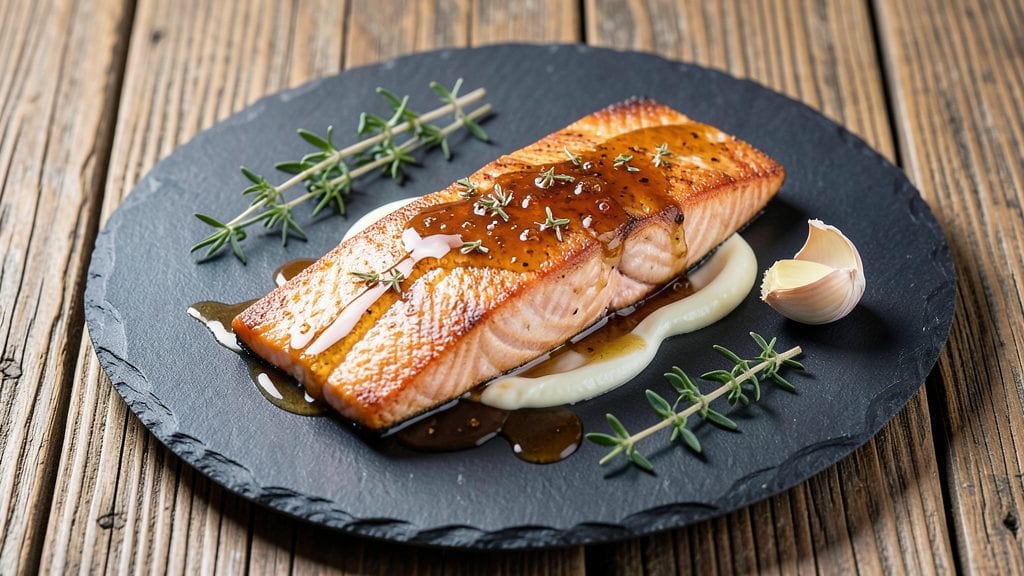
This apple cider glazed salmon recipe transforms simple weeknight dinners into a restaurant-worthy meal with minimal effort. The secret lies in a 20-minute caramelized crust that balances sweet apple cider with savory salmon, creating a flavor profile that’s both elegant and approachable.
I developed this technique after years of testing different glazes—this one delivers a perfect harmony of sweetness and acidity without overpowering the delicate fish.
The process is straightforward yet precise: pan-searing the salmon ensures a crispy exterior while keeping the inside tender, then finishing with a quick apple cider reduction that clings beautifully to the flakes. No special equipment is needed—just a sturdy skillet and 15 minutes of hands-on time.
The glaze requires just three ingredients (apple cider, butter, and a touch of honey), making it a foolproof method for home cooks who want professional results.
By the time you plate this dish, you’ll have golden-brown salmon with a glossy, caramelized crust that’s sweet, tangy, and just slightly sticky.
The aroma alone will draw everyone to the table, and the first bite delivers a perfect balance of textures—crispy edges, tender fish, and a velvety glaze that ties everything together. This recipe is designed to impress, whether you’re hosting dinner guests or treating yourself to a special meal.
Pair it with roasted asparagus or a simple quinoa salad to round out the plate, and you’ve got a complete, cohesive dish that’s as beautiful as it is delicious. The best part? Leftovers reheat beautifully, making this a perfect solution for meal prep. Let’s get cooking.
Ingredients for apple cider salmon
Sweet apple cider meets buttery salmon in this restaurant-worthy dish—just four ingredients transform simple weeknight fish into showstopper perfection.
| Ingredient | Amount | Notes |
|---|---|---|
| Center-Cut Salmon Fillets 🐟 | 1 ½ lb | Skin-on for crispier crust, even thickness |
| Unsalted Butter 🧈 | 4 tbsp | Cold, cut into 8 equal pieces |
| Apple Cider 🍎 | ½ cup | Unfiltered, 100% pure preferred |
| Raw Honey 🍯 | 1 tbsp | Wildflower or clover variety |
| Fresh Thyme Leaves 🌿 | ¼ cup | Stems removed, loosely packed |
| Garlic Cloves 🧄 | 2 cloves | Thinly sliced, not minced |
| Extra-Virgin Olive Oil 🫒 | 1 tbsp | Light fruity variety for balance |
| Diamond Crystal Kosher Salt 🧂 | 1 tsp | For seasoning, not curing |
| Freshly Ground Black Pepper 🌶️ | ½ tsp | Cracked peppercorns preferred |
| Lemon Zest 🍋 | 1 tsp | From organic lemon, finely grated |
| Cold Water 💧 | ¼ cup | For thinning glaze if needed |
| Fresh Parsley 🌿 | ⅛ cup | Chopped, for garnish only |
The salmon is non-negotiable here—center-cut fillets with the skin on create that coveted crispy crust. Whole Foods or your local fishmonger carry the best quality; look for fillets with vibrant pink flesh and minimal bruising. I always ask for even thickness (about 1-inch thick) so everything cooks uniformly. If you can't find skin-on, a quick sear in the skillet with the skin-side down will mimic the texture. For the apple cider, unfiltered brands like Woodchuck or Angry Orchard deliver the deepest flavor—skip the filtered stuff, it's missing that essential complexity. The thyme and parsley should be bright green with no wilting; if they're past their prime, dried works at half the amount.
Butter substitutes? Ghee or European-style cultured butter add richness, but regular unsalted butter is perfect here. No apple cider? Substitute 1/4 cup apple juice plus 1/4 cup chicken broth—it won't be identical, but it'll work in a pinch. The honey can be swapped for maple syrup if you're avoiding sugar, though the flavor profile shifts slightly. For the garlic, roasted garlic adds sweetness, but fresh is essential for that bright punch. If you're prepping ahead, store the salmon and glaze ingredients separately—the salmon should be kept on ice until ready to cook, and the glaze components should be refrigerated in airtight containers. The lemon zest can be zested just before cooking to preserve its brightness.
This dish reheats like a dream—gentle warming in a skillet with a splash of water revives the crispy crust beautifully. Store leftovers in an airtight container with a damp paper towel to keep the salmon moist for up to 3 days. For meal prep, I recommend portioning the glaze separately and assembling just before serving to maintain that glossy finish. The glaze itself keeps in the fridge for 5 days or can be frozen for 3 months—just thaw overnight in the fridge before using. Garnish with fresh parsley right before serving to keep the presentation vibrant; it's the perfect finishing touch that makes this dish look restaurant-worthy.
Why You'll Love This Recipe
- One-Pan Magic: I swear by this recipe on lazy nights—just melt butter, pour in cider, and let the salmon sizzle. No chopping, no fuss, and the pan does all the work while you stir in honey and thyme.
- Sweet-Savory Balance: That honey and apple cider glaze? It’s the secret weapon—caramelized edges with a bright, tangy finish that cuts through the richness. The thyme ties it all together like a cozy hug.
- Weeknight to Dinner Party: Serve it over rice for a quick family meal, or plate it with crusty bread for guests. Honestly, the same dish works for both, and the leftovers reheat beautifully (just add a splash of cider).
- Budget-Friendly Luxury: Salmon feels fancy, but this recipe stretches it—thick fillets mean fewer pieces needed, and the cider/honey glaze makes it feel indulgent without breaking the bank. My wallet thanks me every time.
Step-by-step instructions for apple cider glazed salmon
Here's how to create that irresistible caramelized crust and sweet-tart glaze in just 20 minutes.
Season and Sear the Salmon for Maximum Flavor
Pat the 1.5 lb center-cut salmon fillets dry with paper towels—this is crucial for that perfect crispy skin. Place them skin-side down in a cold skillet over medium heat. I like to press down gently on the fillets during the first minute—this prevents them from curling and ensures even contact with the pan.
Add 1 tablespoon of the extra-virgin olive oil to the pan and let it heat for 30 seconds until shimmering. Season the salmon immediately with 1 teaspoon of the diamond crystal kosher salt and 0.5 teaspoon of the freshly ground black pepper. Cook undisturbed for 4-5 minutes until the skin is golden brown and crispy, and the flesh is just beginning to set. Flip carefully and cook for another 2-3 minutes on the other side until the center reaches 125°F on an instant-read thermometer. Remove from heat and set aside on a warm plate.
Build the Sweet-Tart Apple Cider Glaze
Increase the heat to medium-high and add the remaining 3 tablespoons of unsalted butter to the same skillet. Let it melt completely, then add the 2 thinly sliced garlic cloves and cook for 30 seconds until fragrant—don't let them brown or they'll turn bitter. Immediately pour in the 0.5 cup of apple cider and scrape up any browned bits from the bottom of the pan with a wooden spoon.
Bring the mixture to a gentle simmer and reduce by half—this should take about 3-4 minutes. The glaze should thicken slightly and develop a beautiful amber color. Stir in the 1 tablespoon of raw honey and 1 teaspoon of lemon zest, then simmer for another minute until the honey is fully incorporated. Taste and adjust seasoning if needed, adding a pinch more salt or pepper if desired.
Finish with Thyme and Create the Perfect Sauce
Reduce the heat to low and stir in the 0.25 cup of fresh thyme leaves. Let them infuse for 30 seconds—this adds an incredible aromatic depth to the glaze. If the sauce is too thick, add the 0.25 cup cold water 1 tablespoon at a time until you reach a consistency that coats the back of a spoon but isn't watery.
Return the salmon to the skillet, spooning the glaze evenly over the top. Let it sit for 1-2 minutes to heat through gently—this ensures the salmon doesn't overcook while absorbing all that amazing flavor. The glaze should be beautifully glossy with a perfect balance of sweet and tart notes.
Garnish and Serve with Confidence
Transfer the salmon to serving plates, carefully spooning any remaining sauce from the skillet over the top. Garnish immediately with the 0.125 cup chopped fresh parsley for a pop of color and freshness. The skin should be beautifully crispy, the flesh perfectly tender, and each bite should deliver that complex sweet-tart glaze.
Serve immediately with your choice of sides—roasted asparagus, mashed sweet potatoes, or a simple arugula salad all pair beautifully. The contrast of temperatures and textures makes this dish truly exceptional. And here's the best part: every bite will taste like you've been cooking all day, even though it only took 20 minutes!
Pro Tips For Making Apple Cider Salmon
- Sear First, Then Simmer: DESCRIPTION: Get that pan screaming hot before adding butter—salmon sticks better and caramelizes faster. I used to skip this, and the sauce would just pool instead of clinging. Once the butter’s foaming, add the fillets skin-side down and let them crisp for 30 seconds before flipping.
- Reduce Cider Aggressively: DESCRIPTION: Don’t just pour apple cider over salmon and call it done—simmer it down by half first. The deeper the flavor, the richer the glaze. I learned this after serving a dish where the cider tasted like a sad, watery afterthought. Use medium-high heat and stir occasionally to avoid scorching.
- Skip the Honey Too Early: DESCRIPTION: Wait until the cider’s reduced and the salmon’s nearly done before adding honey—otherwise, it burns into bitterness. Stir it in during the last 2 minutes of cooking, then let the residual heat melt it into the sauce. (Yes, even if you’re impatient like me.)
- Use Cold Butter for Glaze: DESCRIPTION: Whisk in cold unsalted butter at the end instead of melted—it creates a glossy, emulsified finish that looks restaurant-worthy. I was skeptical until I tried it: the sauce thickens instantly and coats the salmon like a velvety shield. Just fold it in quickly before serving.
Dietary considerations for this recipe
Gluten-Free Adaptations
This recipe is naturally gluten-free since it relies on fresh ingredients and minimal pantry staples. The only potential cross-contamination risk comes from the apple cider—always verify that your brand is certified gluten-free, especially if you're highly sensitive.
I recommend Woodchuck Hard Cider or Angry Orchard, both of which are certified. For extra peace of mind, prepare the salmon and glaze in a clean skillet that hasn't been used for gluten-containing dishes. 🌾
Dairy-Free Substitutions
To make this dish dairy-free, replace the 4 tablespoons unsalted butter with an equal amount of vegan butter (like Miyoko's) or coconut oil. The flavor won't be identical—coconut oil adds a subtle tropical note—but it works surprisingly well.
For a richer texture, use olive oil instead of butter entirely, though you'll need to adjust the heat slightly to prevent burning. The glaze will still caramelize beautifully, though it may be slightly thinner. 🥥
Low-Sugar Options
The honey in this recipe adds depth, but if you're watching sugar intake, swap it for 1 tablespoon maple syrup or omit it entirely. The apple cider's natural sweetness will still shine through, though the glaze will be slightly less glossy.
For a sugar-free option, use monk fruit sweetener (like Lakanto) at half the amount of honey—it mimics the viscosity without the glycemic impact. Always taste as you go, as reductions can intensify flavors. 🍯
Allergen Considerations
This dish is safe for most common allergies, but always double-check ingredient labels. The primary allergens to monitor are salmon (fish) and thyme (a mild allergen for some). If someone has a fish allergy, this recipe isn't suitable, but you could adapt the glaze technique to chicken or tofu.
For nut allergies, ensure your honey isn't processed in facilities handling tree nuts—most commercial honeys are safe, but local or raw varieties may pose risks. 🚨
Keto-Friendly Adjustments
This recipe is already keto-friendly with its focus on salmon, butter, and apple cider—just verify your apple cider contains no added sugars. Stick to unfiltered, 100% pure cider like Woodchuck. The honey can be omitted entirely, or replaced with erythritol or stevia for zero-carb sweetness.
The thyme and lemon zest add zero carbs, making this a perfect low-carb option. Serve with a side of cauliflower mash or zucchini noodles to keep it under 5g net carbs per serving. 🥑
Meal Prep Safety
While this dish reheats beautifully, salmon is best enjoyed fresh due to its delicate texture. If prepping ahead, store the cooked salmon and glaze separately in airtight containers for up to 3 days.
Reheat the salmon gently in a skillet with a splash of water to revive the crispy skin, then warm the glaze separately and drizzle over the top before serving. Never reheat the glaze directly with the salmon, as it can make the fish dry.
For longer storage, freeze the glaze components separately for up to 3 months. ❄️
Nutrition facts
Frequently asked questions
Can I use store-bought apple cider vinegar instead of apple cider?
No, apple cider vinegar won't work here—it lacks the natural sweetness and depth of flavor needed for the glaze. The recipe specifically calls for unfiltered apple cider (like Woodchuck or Angry Orchard) because its natural sugars caramelize beautifully during reduction, creating that perfect sweet-tart balance. Vinegar would make the glaze too acidic and thin.
Why does my glaze turn out too thick or too thin?
Thickness depends on reduction time and liquid ratios. For a thicker glaze, reduce the apple cider longer (up to 5 minutes). If it's too thin, simmer uncovered until syrupy. Need to thin? Add cold water 1 tablespoon at a time—the recipe includes this as a backup. Always taste as you go; the glaze should coat the back of a spoon but still drizzle lightly.
How do I keep the salmon from sticking to the pan?
Start with a cold skillet and let it heat gradually—this renders the skin's oils first, creating natural lubrication. Use 1 tablespoon olive oil only after the salmon is placed in the pan (not before). Never move the fillets during the first 4 minutes of cooking, and press down gently with a spatula to maintain contact with the pan.
Can I make this recipe ahead of time?
Yes, but with smart separation! Store the cooked salmon and glaze components separately in airtight containers for up to 3 days. Reheat the salmon gently in a skillet with a splash of water, then warm the glaze separately and drizzle over the top before serving. For longer storage, freeze the glaze components (without the salmon) for up to 3 months.
What's the best way to serve this dish for a dinner party?
Plate the salmon on a bed of wilted spinach or arugula for color contrast, then drizzle with the glaze. Garnish with fresh thyme sprigs and lemon zest for an elegant touch. Serve with roasted root vegetables or a simple quinoa salad to balance the rich flavors. For extra drama, add a sprinkle of flaky sea salt right before serving—it enhances the caramelized crust.