
Sauces & Condiments
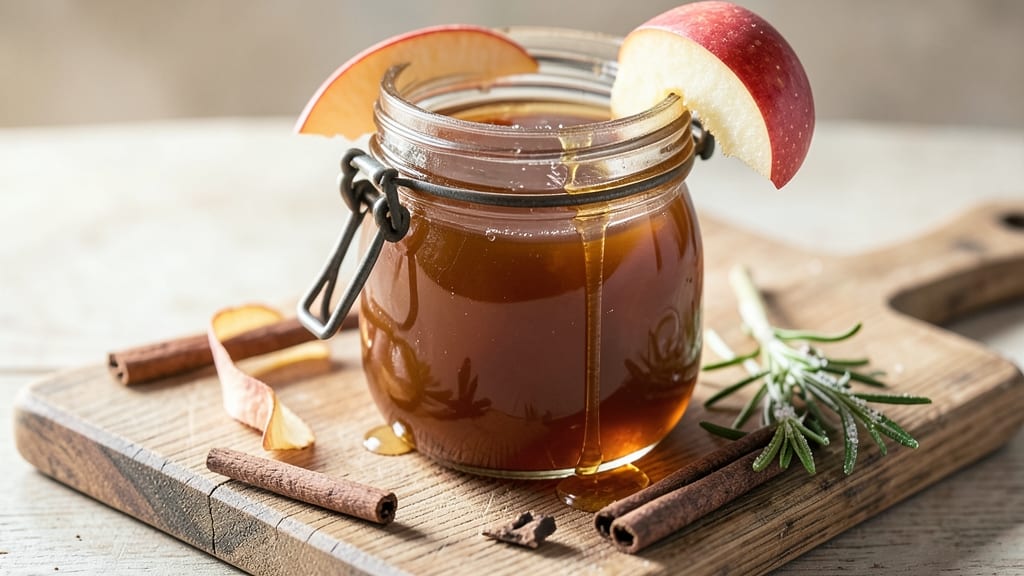
Transforming apple peels and cores into apple scrap jelly is one of the most rewarding ways to reduce kitchen waste while creating a versatile, naturally sweet condiment.
The process involves simmering scraps with sugar and pectin to extract their bright, fruity essence into a smooth, spreadable jelly—perfect for toast, yogurt, or even savory dishes. I developed this method after realizing how much flavor gets discarded when peeling apples, and it’s now a staple in my pantry.
What makes this jelly recipe unique is its simplicity: no fancy equipment or complicated steps are required, just a pot, a fine mesh strainer, and a little patience.
The key lies in balancing sugar and pectin to achieve the right set without overcooking the scraps, ensuring a vibrant, tangy-sweet flavor that’s far superior to store-bought versions. This method also highlights how small adjustments—like adding lemon juice or cinnamon—can elevate the jelly’s depth.
The result is a glossy, amber-colored jelly with a delicate apple aroma and a texture that’s just firm enough to hold its shape on a spoon. It’s versatile enough to pair with breakfast foods, cheese boards, or even drizzled over grilled meats for a touch of sweetness.
The best part? You’ll have a jar of homemade goodness ready in under an hour, with minimal effort and maximum flavor.
Once cooled, this jelly keeps for months in the refrigerator, making it ideal for gifting or batch cooking. Whether you’re looking to repurpose apple scraps or simply enjoy a high-quality, natural condiment, this recipe delivers professional results with a fraction of the cost.
Let’s get started on turning those peels and cores into something extraordinary.
Ingredients for apple scrap jelly
Six simple ingredients turn apple waste into a luxurious, amber-hued jelly.
| Ingredient | Amount | Notes |
|---|---|---|
| Apple Peels and Cores 🍎 | 4 cups | Fresh, organic preferred |
| Granulated Sugar 🍚 | 2 cups | White or raw cane sugar |
| Powdered Pectin 🧪 | ¼ oz | Low or medium set preferred |
| Lemon Juice 🍋 | 2 tbsp | Freshly squeezed, unsweetened |
| Ground Cinnamon 🌿 | ½ tsp | Optional for warmth |
| Water 💧 | 1 ½ cups | Filtered or distilled preferred |
| Extra-Virgin Olive Oil 🫒 | 1 tbsp | For coating jars |
The apple scraps are the star—organic apples have thicker peels with more flavor, but conventional works too. Save peels and cores from 4-5 apples (about 4 cups chopped) in a sealed container in the fridge until ready to use. For pectin, Ball or Sure-Jell are reliable brands that give consistent results. The sugar matters too—raw cane sugar adds subtle molasses notes, while white sugar keeps it bright. If your scraps are particularly bitter (like Granny Smith), add an extra 1 tbsp lemon juice to balance.
No pectin? 1 extra tbsp lemon juice helps set the jelly, though it’ll be softer. Swap granulated sugar for turbinado (less refined) or honey (reduce by 1 tbsp—it’s sweeter). Running short on olive oil? Grapeseed oil works just as well for jar coating. The cinnamon is optional, but if you skip it, consider adding 1/4 tsp vanilla extract for depth. For a tart twist, stir in 1 tsp grated lemon zest after cooking. And if you’re using pre-cut frozen apple scraps, thaw and drain them first—excess moisture throws off the sugar balance.
This jelly thickens as it cools, so don’t rush—let it sit for at least 2 hours before testing. Store in sterilized jars (run under hot water) with a thin layer of olive oil on top to preserve freshness. Keeps for up to 3 months in the fridge, or 6 months if frozen. I like to portion it into small jars for gifting—just add a sprig of fresh thyme or a cinnamon stick for a pretty touch. The flavor actually improves over time, so make extra if you can.
Why You'll Love This Recipe
- Zero-Waste Hero: I swear by this recipe because it turns apple peels and cores—stuff I’d normally toss—into something magical. No extra shopping, no guilt, just pure flavor from scraps you’ve already got.
- Spiced Sweetness: That cinnamon-sugar balance? It’s like autumn in a jar. The lemon juice cuts through the sweetness just enough to make it bright, not cloying—perfect for spreading on toast or stirring into yogurt.
- Holiday or Everyday: Between us, this jelly is my go-to for Thanksgiving charcuterie, but I also keep a jar in the fridge for quick PB&J upgrades. No fuss, just consistent deliciousness whenever I need it.
- Long-Lasting Value: A batch lasts me months, and it’s cheaper than store-bought jellies. Plus, the pectin means it sets up perfectly every time—no weird runny jars or wasted ingredients. Budget win.
Step-by-step instructions for apple scrap jelly
Transforming apple scraps into velvety jelly is simpler than you think—just follow these precise steps.
Prepare the Apple Scraps and Cook the Base
Start by thoroughly rinsing the 4 cups of apple peels and cores to remove any dirt or debris. Chop them into small, even pieces—about ¼-inch thick—so they cook uniformly. Transfer them to a large pot and add the 1.5 cups of water. Bring to a boil over medium-high heat, then reduce to a simmer for 20 minutes, stirring occasionally. You'll notice the mixture foams up and releases a fragrant, tart aroma—this is your cue that the pectin is beginning to break down from the apple fibers.
After 20 minutes, use a fine-mesh strainer or cheesecloth to strain the liquid into a clean bowl, pressing gently on the solids to extract every last drop. Discard the apple scraps—they've done their job. The strained liquid should yield about 3 cups of golden, slightly cloudy liquid. If it's less, add a splash of water to compensate. This liquid is your jelly base, and its clarity will improve as it cooks further.
Add Sugar and Pectin for Gel Formation
Return the strained apple liquid to the pot and add the 2 cups of granulated sugar and 0.25 oz of powdered pectin. Stir well to dissolve the sugar completely—this ensures even sweetness and proper gel formation. The mixture should look like a thick syrup. Increase the heat to medium-high and bring to a rolling boil, stirring constantly with a wooden spoon to prevent sticking or scorching.
Once the mixture reaches a full rolling boil, let it cook for exactly 1 minute. This short burst of heat activates the pectin, transforming the liquid into a gel as it cools. You'll know it's ready when the syrup thickens noticeably and starts to coat the back of a spoon. Remove the pot from heat immediately—overcooking can make the jelly grainy or overly thick.
Finish with Acid and Flavor
Stir in the 2 tbsp of lemon juice and 0.5 tsp of ground cinnamon while the jelly is still hot. The lemon juice adds brightness and helps preserve the jelly, while the cinnamon introduces a warm, aromatic depth. Let the mixture sit off the heat for 5 minutes, stirring occasionally. This resting period allows the flavors to meld and the pectin to fully set. You'll see the jelly begin to thicken further as it cools.
To test for doneness, place a small spoonful of jelly on a chilled plate and refrigerate for 2 minutes. If it wrinkles slightly when pushed with your finger, it's ready. If not, return it to the heat and simmer for another 30 seconds, then retest. The jelly should be thick but still pourable—it will firm up more as it cools completely.
Jar and Store for Long-Lasting Sweetness
While the jelly is still warm, use a funnel to pour it into sterilized 4-ounce jars, leaving about ½-inch of headspace at the top. Coat the rim of each jar with the 1 tbsp of extra-virgin olive oil using a pastry brush—this creates a seal that keeps air out and preserves freshness. Wipe the jar rims clean to ensure a proper seal.
Seal the jars tightly and let them cool completely at room temperature. Once cooled, store them in the refrigerator for up to 3 weeks, or process them in a water bath for 10 minutes to extend shelf life to 1 year. The finished jelly should have a glossy, amber hue and a smooth, spreadable consistency. Serve it on toast, yogurt, or cheese boards—every bite will taste like summer, even when made from scraps.
Pro Tips For Making Apple Scrap Jelly
- Boil Peels Longer: I learned this the hard way—apple peels need 20-30 minutes of simmering to soften and release their flavor. Skimp on time, and your jelly will taste bitter or underdeveloped. No shortcut here: patience pays off with a richer, smoother texture.
- Measure Sugar Precisely: Powdered sugar clumps like a nightmare if you scoop it straight from the bag. Spoon it into a measuring cup, level it off, and tap the cup gently on the counter to settle it. Trust me, your jelly’s set won’t be consistent if you eyeball it—especially with pectin depending on exact ratios.
- Skip the Crowded Pot: Overfilling the pot with apple scraps and liquid leads to foaming and spillage. Fill it only halfway—your scraps will expand as they cook. If you’re worried about flavor, add a splash of water later if needed, but don’t risk a messy boil-over.
- Strain Twice, Slowly: After simmering, strain the liquid through a fine-mesh sieve twice—first to catch big bits, then again through cheesecloth or a coffee filter for crystal-clear jelly. Rushing this step leaves gritty texture, and no one wants that in their jam. Take the extra 2 minutes; it’s worth it.
Wine and beer pairings for these flavors
Sweet Apple Pairings
This amber-hued jelly pairs beautifully with sharp cheddar cheese or aged gouda on a charcuterie board. The natural sweetness and subtle tartness cut through the richness, creating a perfect balance.
For breakfast, spread it on sourdough toast with a sprinkle of flaky sea salt—the contrast of textures elevates every bite. 🍞
Wine Complements
A crisp Sauvignon Blanc from New Zealand is ideal—its bright acidity and citrus notes mirror the jelly’s tangy-sweet profile. I love pairing it with a glass of Fumé Blanc from California, which adds a touch of minerality that complements the apple’s depth.
For red wine lovers, a Pinot Noir with light tannins works surprisingly well, especially with savory pairings like smoked salmon or proscuitto-wrapped melon.
Beer Harmony
A Belgian Witbier like Hoegaarden brings refreshing notes of coriander and orange peel that harmonize with the jelly’s apple-cinnamon warmth. For a hoppier option, try a session IPA with citrusy hops—brands like Green Flash or Hazy Little Thing add a zesty contrast.
If you prefer lagers, a German Helles with its malty sweetness provides a smooth, balanced pairing. 🍺
Unexpected Savory Uses
Drizzle this jelly over grilled pork tenderloin or duck breast to add a glossy, sweet-savory glaze. The acidity in the jelly tenderizes the meat while adding a bright finish. I also love spreading it on grilled cheese sandwiches with caramelized onions—it transforms a classic into something gourmet.
For a vegetarian twist, swirl it into ricotta cheese for a sweet-savory dip with baguette slices and cherry tomatoes.
Seasonal Adaptations
In autumn, add a pinch of nutmeg to the jelly before jarring for a cozy, spiced twist. For spring, swap the cinnamon for vanilla extract and a touch of ginger for a lighter, floral note.
In summer, infuse the jelly with fresh basil or mint while it’s still warm—it pairs wonderfully with fresh mozzarella and tomato salads. The versatility makes it a year-round staple. 🌿
Cocktail Elevations
Stir a spoonful of this jelly into bourbon cocktails for a caramel-like sweetness that enhances the whiskey’s depth. I love adding it to a Whiskey Sour or Apple Old Fashioned—just a teaspoon brightens the drink without overpowering it.
For non-alcoholic options, mix it with sparkling apple cider and a squeeze of lemon for a refreshing summer sipper. The natural sweetness reduces the need for added sugar. 🍹
Nutrition facts
Frequently asked questions
Can I use rotten or bruised apples for this jelly?
No, always use fresh apple scraps—even slightly bruised or soft spots can make the jelly taste bitter or ferment too quickly. Stick to peels and cores from firm, ripe apples for the best flavor. The recipe relies on natural sweetness and pectin from healthy fruit, so quality matters!
Why did my jelly turn out too runny?
Runny jelly usually means undercooked pectin or too much liquid. Double-check your cooking time—it needs a full rolling boil for 1 minute after adding sugar and pectin. If it's still too thin after testing, simmer an extra 30 seconds and retest. Also, ensure you're using 0.25 oz of powdered pectin (about 1 packet).
How do I know when the jelly is fully set?
Test it by placing a small spoonful on a chilled plate and refrigerating for 2 minutes. Push it gently with your finger—if it wrinkles slightly, it's ready. If not, return it to the heat for another 30-second boil. The jelly will continue thickening as it cools, so don't worry if it looks slightly loose while warm.
Can I make this jelly without pectin?
Yes, but the texture will be softer. Replace the pectin with an extra 1 tbsp lemon juice and reduce the sugar slightly (to 1.75 cups) to balance acidity. Simmer the mixture longer—about 10-15 minutes after boiling—to help it thicken naturally. The flavor will still be delicious, just less firm.
How long does homemade apple jelly last?
Unopened jars stored in the pantry last 6-12 months, while opened jars keep in the fridge for 3 weeks. For extended freshness, process sealed jars in a water bath for 10 minutes (like canning). The olive oil coating on jar rims also helps preserve it by creating an airtight seal. Freezing is another option—it maintains quality for up to 1 year.