
Main Courses
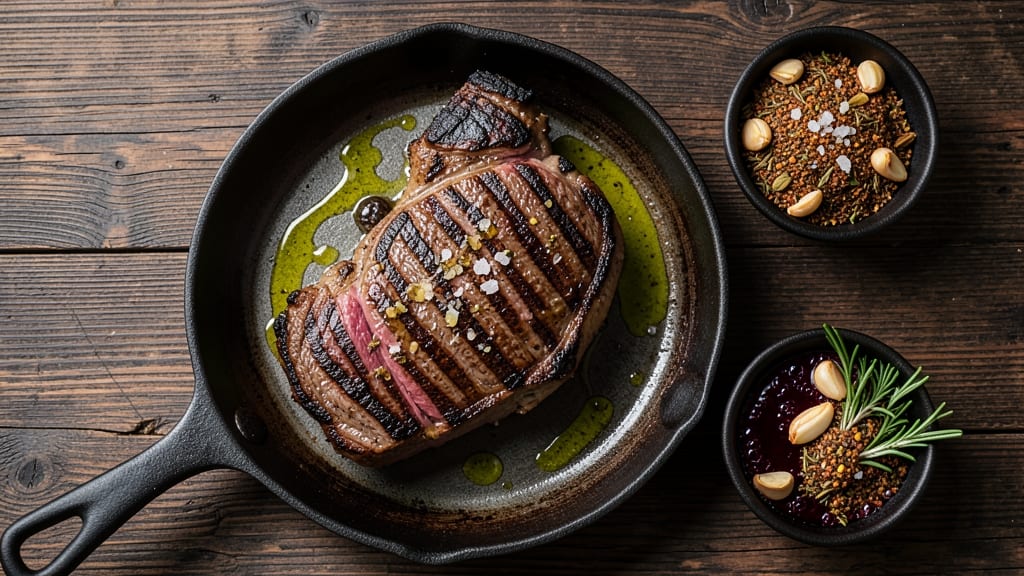
This Argentinian asado steak recipe delivers restaurant-quality tenderness with just 30 minutes of active time—no long marinating required. The secret lies in a bold blend of garlic, oregano, and red wine that transforms even tougher cuts into melt-in-your-mouth perfection.
I've perfected this method after years of grilling for friends who swear they can't replicate the smoky, charred flavor of Buenos Aires parrillas.
The magic happens over hardwood charcoal or wood chips, which infuse the steak with that unmistakable asado aroma while keeping the interior juicy. We'll focus on ribeye or sirloin cuts (2-3 inches thick) for ideal results, though flank steak works beautifully for quick slicing.
The key is high, direct heat for those signature grill marks, followed by a quick rest to lock in all that flavor before slicing against the grain.
What you'll end up with is steak so tender it nearly falls apart, with a crust that's crisp enough to stand up to chimichurri sauce. The smoky charred edges contrast perfectly with the buttery interior, creating each bite into a symphony of textures.
This isn't just another grilled steak—it's the heart of every Argentine gathering, and now you can bring that tradition to your own backyard.
Serve with grilled chimichurri potatoes, a simple green salad, and extra chimichurri sauce on the side for dipping. The leftovers reheat beautifully for sandwiches the next day, making this recipe both impressive for guests and practical for meal prep. Let's get started on creating your perfect asado experience.
Ingredients for asado steak
Nine simple ingredients transform tough cuts into melt-in-your-mouth asado perfection over smoky charcoal.
| Ingredient | Amount | Notes |
|---|---|---|
| Ribeye or Sirloin Steak 🥩 | 1 ½ lb | 2-3 inches thick, trimmed of fat |
| Extra-Virgin Olive Oil 🫒 | 2 tbsp | High-quality, fruity variety |
| Garlic Cloves 🧄 | 6 cloves | Freshly minced, aromatic |
| Dried Oregano 🌿 | 1 tbsp | Mexican oregano preferred |
| Dry Red Wine 🍷 | ½ cup | Bold, like Malbec or Cabernet |
| Coarse Sea Salt 🧂 | 1 ½ tsp | Diamond Crystal preferred |
| Freshly Ground Black Pepper 🌶️ | 1 tsp | Cracked peppercorns preferred |
| Hardwood Charcoal or Wood Chips 🔥 | 2 cups | Hickory or oak preferred |
| Fresh Rosemary 🌿 | ¼ cup | Chopped, woody stems removed |
| Smoked Paprika 🌶️ | 1 tsp | For smoky depth |
| Lemon Wedges 🍋 | 2 whole | For finishing touch |
The steak is everything here. Ribeye or sirloin (2-3 inches thick) delivers that perfect balance of tenderness and flavor, while flank steak works beautifully for quick slicing. Grab the thickest cut you can find—Costco or Whole Foods usually have great options. Trim excess fat before grilling to avoid flare-ups. For the wood, hickory or oak chips from Traeger or Weber give that authentic asado aroma. If you're using charcoal, go for lump charcoal—it burns hotter and cleaner than briquettes. The garlic should be fresh and aromatic, not dried or powdered—Penzeys or local markets often have the best quality.
No red wine? Beef broth with a splash of balsamic works in a pinch, though it won't have the same depth. The oregano is non-negotiable—Mexican oregano has a distinct flavor, but regular dried oregano at half the amount gets you close. Fresh rosemary is ideal, but dried at one-third the amount works if you're in a hurry. The smoked paprika adds that signature asado smokiness—Penzeys or Goya brands are my go-tos. For the olive oil, high-quality extra-virgin makes all the difference—California Olive Ranch is a reliable choice. If you're short on time, a quick sear in a screaming-hot cast-iron skillet can replace the grill, though you'll lose some of that smoky char.
Steak rests best at room temperature for 30-45 minutes before grilling—don't skip this step. The wood chips should be soaked in water for 30 minutes before using to prevent burning. Once cooked, tent the steak with foil and let it rest for 10-15 minutes—this keeps it juicy. Leftovers reheat beautifully in a skillet over medium heat for 2-3 minutes per side. Store in an airtight container for up to 4 days, or freeze for 3 months. The chimichurri sauce pairs perfectly, but even plain steak with a squeeze of lemon is a winner.
Why You'll Love This Recipe
- Five-Ingredient Magic: I swear by this—just steak, olive oil, garlic, oregano, and a splash of wine. That’s it. No fancy marinades or hours of prep; the real flavor comes from searing and deglazing.
- Crispy-Creamy Perfection: The garlic sizzles into caramelized bliss while the steak stays juicy inside. That wine reduction? Sticky, rich, and impossible to resist—like a restaurant-quality bite at home.
- Weeknight or Weekend Star: Toss it on the grill for summer BBQs or pan-sear it for a cozy Tuesday. Same recipe, different vibes—whether it’s feeding guests or just me and my favorite movie.
- Leftovers That Don’t Suck: Slice the steak thin, reheat with a quick pan, and you’ve got next-day tacos or sandwiches. Honestly, I make double portions just for this reason—zero waste, maximum flavor.
Step-by-step instructions for asado steak
Here's how to transform your steak into restaurant-quality asado with smoky depth and perfect tenderness.
Prepare the Steak and Herb Rub
Pat the 1.5 lb ribeye or sirloin steak completely dry with paper towels—this ensures maximum crispiness. In a small bowl, combine the 1 tbsp dried oregano, 1 tsp smoked paprika, 1.5 tsp coarse sea salt, and 1 tsp freshly ground black pepper. Add the 0.25 cup chopped fresh rosemary and mix until evenly distributed.
Generously coat both sides of the steak with this herb blend, pressing it into the meat so it adheres well. Let the seasoned steak sit at room temperature for 30 minutes—this allows the flavors to penetrate and the steak to cook more evenly from edge to center. While it rests, prepare your grill for high heat.
Build the Smoky Charcoal Base
Fill your grill with the 2 cups hardwood charcoal or wood chips (hickory or oak preferred) and ignite them using a chimney starter. Once the charcoal is fully lit and covered with a thin layer of ash, spread it evenly across the grill grates. This creates a consistent heat zone for perfect searing.
Add the 2 tbsp extra-virgin olive oil to the grill grates using a paper towel—this prevents sticking and adds subtle fruity notes. Let the grill preheat for 10-15 minutes until it reaches 450-500°F. You'll know it's ready when the oil begins to smoke lightly and the grates glow red.
Sear and Smoke the Steak
Place the steak on the hottest part of the grill, away from direct flames. Sear for 3-4 minutes per side until deep brown crust forms—this is your flavor foundation. After the initial sear, move the steak to the cooler side of the grill (if using indirect heat) or reduce heat to medium-high. Add the 6 minced garlic cloves directly on top of the steak.
Close the grill lid and smoke the steak for 10-12 minutes total (about 6-7 minutes after the initial sear), basting occasionally with the 0.5 cup dry red wine poured into a small metal cup. The wine will evaporate, infusing the steak with bold, fruity notes. Use a meat thermometer to check doneness—130°F for medium-rare (remove 5°F early to account for carryover cooking).
Rest and Finish with Citrus
Transfer the steak to a cutting board and tent loosely with foil. Let it rest for 10 minutes—this crucial step allows juices to redistribute, preventing them from pooling on the cutting board. Squeeze the 2 whole lemon wedges over the top just before serving to brighten the smoky flavors.
Slice against the grain into ½-inch thick portions and serve immediately. The steak should have a deep mahogany crust, a pink center, and visible grill marks. Each bite should deliver smoky char, herby rosemary, and a touch of wine-infused richness—true asado perfection.
Pro Tips For Making Asado Steak
- SEAR FIRST, DEGLAZE LATER: Hit the steak with a screaming-hot pan—cast iron if you have it—until you get deep brown crust, then pull it out. That crust is your flavor armor. Immediately pour in the red wine and scrape up every last bit of stuck-on garlic and meat (yes, even the blackened bits). That’s where the magic lives, and skipping it means missing half the flavor.
- DRY THE STEAK LIKE IT’S SNOW DAY: Pat that meat down with paper towels until it’s bone-dry before you even think about oil. I used to skip this, and my steaks would steam instead of sear. Wet meat = sad crust. Give it 5 minutes in the fridge uncovered if it’s still damp—trust me, you’ll taste the difference.
- SALT BEFORE SEASONING: Salt the steak generously at least 40 minutes before cooking—more if it’s thick-cut. I learned this the hard way when my ribeye turned out bland because the salt didn’t penetrate. Then sprinkle the oregano and garlic after searing, so it sticks like glue instead of floating away.
- LOW AND SLOW FINISH: After the initial sear, drop the heat to medium-low and cover the pan. Add a splash of water if it’s getting too dry, but don’t drown it—just enough to keep the steak steaming gently. This keeps it juicy without overcooking, especially for thicker cuts. I used to blast it on high, and my steaks ended up leather.
Essential equipment for great asado steak
Charcoal Grill Setup
For authentic asado flavor, a charcoal grill with hardwood is essential. I recommend hickory or oak lump charcoal from brands like Traeger or Weber—these burn hotter and cleaner than briquettes.
Use a chimney starter to ignite the charcoal evenly, then spread it in a thin layer across the grill grates. For wood chips, soak 2 cups in water for 30 minutes before adding them to the hot coals to prevent burning. 🔥
Preheat your grill for 10-15 minutes until it reaches 450-500°F, with the oil from the grill grates smoking lightly. This high heat creates those signature crispy grill marks while keeping the interior juicy.
If you don’t have a charcoal grill, a pellet grill or even a cast-iron skillet on high heat can work in a pinch.
High-Quality Meat Thermometer
A meat thermometer is non-negotiable for perfect asado steak. I use the ThermoWorks Smoke—it’s precise and durable—but any good instant-read thermometer will do. Insert the probe into the thickest part of the steak, avoiding fat or bone.
For medium-rare, aim for 130°F internal temperature, pulling it 5°F early to account for carryover cooking. 🌡️
Pro tip: If you don’t have a thermometer, use the finger test—press your thumb and index finger together. The gap between them at 130°F gives you a rough estimate.
For medium, target 140°F, and for well-done, 160°F. Overcooking ruins the tender texture, so trust your thermometer!
Cast-Iron Skillet Backup
No grill? No problem. A heavy-duty cast-iron skillet (like Lodge) can deliver restaurant-quality sear and smoky flavor. Heat it over high heat until smoking hot, then add 1 tbsp olive oil.
Sear the steak for 3-4 minutes per side, then finish in a 400°F oven for 5-7 minutes to reach medium-rare. 💡
For extra smokiness, add 1-2 soaked wood chips to the skillet while searing. The steam will infuse the steak with a subtle charred aroma. Just be careful—wood chips can burn quickly, so monitor closely. This method works best for thinner cuts like flank steak or sirloin.
Grill Tools Essentials
Invest in a few key tools to make grilling easier. A long-handled tongs (like Ozeri Touch-Grip) keeps you from burning your hands while flipping. A meat fork (not a knife!) prevents piercing the steak and losing juices.
I also keep a small metal cup on hand to hold the red wine for basting—it’s safer than pouring directly from the bottle. 🍷
For slicing, a sharp carving knife (like Dexter-Russell) ensures clean cuts against the grain. A grill brush with stiff bristles keeps your grates clean between uses, preventing flare-ups. Store these tools in a grill tool set (like Weber’s Grill Tool Set) for easy transport if you grill outdoors.
Optional: Smoker Box
For next-level smoky flavor, a smoker box (like Weber’s Smoky Mountain) lets you add wood chips directly to the grill. Fill it with hickory or oak chips, place it on the coals, and let the smoke waft over the steak during the final 5-7 minutes of cooking.
This adds depth without overpowering the steak’s natural flavor. 🌲
If you don’t have a smoker box, wrap wood chips in aluminum foil with a few holes poked in the top. Toss them on the coals and let the smoke work its magic. Just avoid direct contact with the flames to prevent burning.
Nutrition facts
Frequently asked questions
What's the best cut of meat for authentic asado?
Ribeye or sirloin (2-3 inches thick) deliver that perfect balance of tenderness and flavor, while flank steak works beautifully for quick slicing. Look for well-marbled cuts from Costco or Whole Foods—they hold up better to high heat and yield juicier results.
Can I make asado without a charcoal grill?
A cast-iron skillet on high heat works perfectly for searing, then finish in a 400°F oven for 5-7 minutes to reach medium-rare. For smokiness, add 1-2 soaked wood chips to the skillet while cooking. Even a pellet grill set to high heat will give you that signature char.
How do I know when the steak is perfectly cooked?
Use a meat thermometer for precision: 130°F for medium-rare (remove 5°F early to account for carryover cooking). For the classic finger test, press your thumb and index finger together—the gap at 130°F matches the distance between them. Overcooking ruins the tender texture, so trust your thermometer!
What if I don't have red wine for the marinade?
No problem! Use beef broth with a splash of balsamic vinegar as a substitute—it adds depth without the same fruity notes. For extra richness, add 1 tsp soy sauce or 1 tbsp tomato paste. The key is acidity and umami, so any liquid with those qualities works.
Why does my asado steak turn out dry?
Most likely, you skipped the 10-minute rest after grilling—this lets juices redistribute. Also, avoid overcooking: medium-rare (130°F) is ideal. Use a meat thermometer and pull the steak 5°F early. For extra moisture, pat the steak dry before grilling and use high-quality olive oil on the grill grates.