Sauces & Condiments
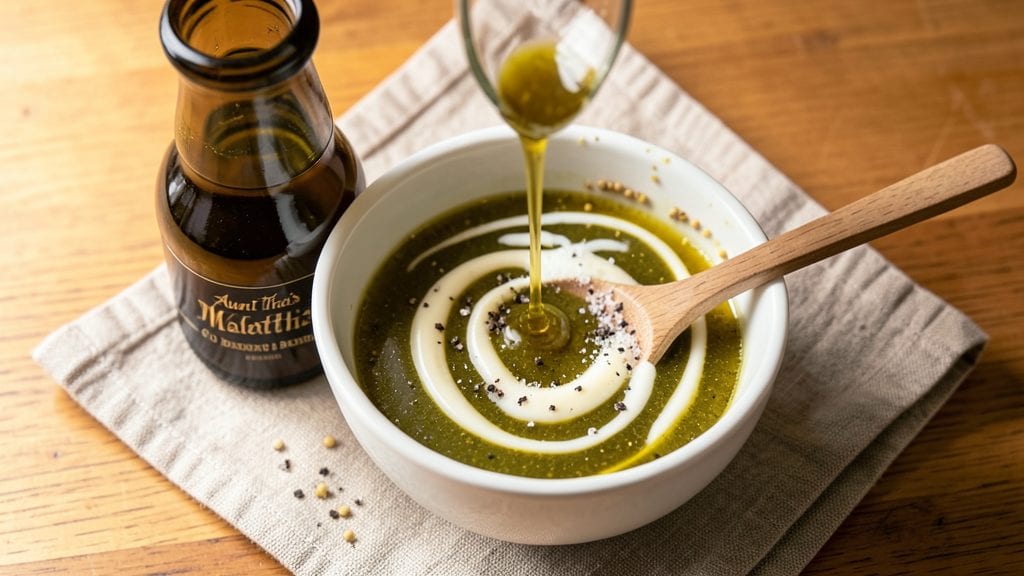
Aunt Martha’s old-fashioned salad dressing recipe is the kind of homemade tang that turns simple greens into a meal. I still remember the first time I tasted it—thick, velvety, and packed with that bright, classic flavor that store-bought versions can’t match.
The secret lies in balancing vinegar, oil, and a touch of mustard for that signature homestyle depth.
This recipe requires just five simple ingredients, all measured precisely to achieve the perfect emulsion—no blender needed. The dressing stays rich and creamy for days, making it ideal for salads, sandwiches, or even as a dip for fresh veggies. It’s the kind of condiment that elevates every dish it touches.
What makes this dressing truly special is its versatility. Use it on crisp lettuce mixes, drizzle it over grilled chicken, or even toss it with roasted potatoes for a restaurant-worthy finish.
The flavor develops slightly as it sits, so making a batch ahead of time ensures you’re always ready for mealtime.
The best part? It’s foolproof—no fancy techniques, just good ingredients and a little patience. Once you try this, you’ll never go back to bottled dressing again. Let’s get started on making yours today.
Ingredients for aunt martha's old fashioned salad dressing
Five simple ingredients transform into Aunt Martha's velvety dressing—thick, tangy, and full of homestyle charm.
| Ingredient | Amount | Notes |
|---|---|---|
| Extra-Virgin Olive Oil 🫒 | 1 cup | High-quality, fruity variety |
| White Vinegar 🍶 | ½ cup | White or apple cider |
| Dijon Mustard 🌶️ | 1 tbsp | Mellow, not spicy |
| Granulated Sugar 🍬 | 1 tbsp | White or light brown |
| Salt 🧂 | ½ tsp | Fine sea salt preferred |
| Black Pepper 🌶️ | ¼ tsp | Freshly ground preferred |
| Garlic Powder 🧄 | ¼ tsp | For subtle depth |
| Dried Dill 🌿 | ¼ tsp | Or 1 tsp fresh chopped |
The olive oil is non-negotiable here—store-bought brands like California Olive Ranch or Trader Joe's work perfectly, but avoid anything with a harsh aftertaste. White vinegar is the secret to that classic tang, but apple cider vinegar adds a subtle sweetness if you prefer. The Dijon mustard is what gives it that signature thickness and depth—Maille or Whole Foods brand are reliable choices. I always grab the sugar from the bulk section at Costco—it's cheaper and stays fresh longer. The garlic powder and dill are just little flavor boosters, but they make all the difference in that 'Aunt Martha' taste.
No Dijon mustard? Yellow mustard works in a pinch, but it'll be less refined. Short on vinegar? Lemon juice at half the amount keeps the tang but adds brightness. The dill can be swapped for dried parsley if that's what you've got, but fresh dill is worth hunting down at the farmers market. If you want extra richness, add 1 tbsp mayonnaise—it keeps the dressing thick and creamy. For a sweeter version, bump the sugar to 2 tbsp. And if you're feeling fancy, a pinch of onion powder adds another layer.
This dressing keeps beautifully—1 week in the fridge if you store it in a sealed jar. The flavors actually improve over time, so make a batch and keep it on hand. If it separates, just give it a good shake before using. For extra stability, add 1 tsp xanthan gum if you're making a big batch. I like to portion it into small jars so I can grab one for salads on the go. Freezes for up to 3 months too, though texture might change slightly after thawing.
Why You'll Love This Recipe
- Five-Ingredient Magic: I swear, this is the dressing that proves you don’t need a degree in chemistry to make something special. Just whisk together olive oil, vinegar, mustard, sugar, and salt—no fancy gadgets, no stress—and suddenly your salads taste like they belong in a magazine spread.
- Tangy-Sweet Balance: Honestly, the way that white vinegar cuts through the richness of the olive oil while the sugar and Dijon mustard add just the right depth? It’s that perfect harmony you didn’t know you craved. One taste and you’ll be reaching for it every time.
- Works Anywhere: Between us, this dressing is my secret weapon for everything from crisp green salads to grilled chicken bowls. It even brightens up roasted veggies or drizzled over warm potatoes. (Yes, even on a Tuesday night.)
- Lasts All Week: I make a big batch on Sundays, and it stays fresh in my fridge for days—no weird textures, no off flavors. Plus, the ingredients are cheap, so you’re not breaking the bank for a dressing that actually tastes homemade.
Step-by-step instructions for Aunt Martha's old fashioned salad dressing
Here's how to whip up this classic dressing—simple ingredients, perfect balance every time.
Whisk Together the Wet Ingredients
In a medium bowl, combine the 1 cup extra-virgin olive oil and ½ cup white vinegar. I like to use a whisk for this step—it creates a nice, smooth emulsion right from the start. You'll notice the oil and vinegar don't immediately mix, and that's okay. We'll work through it together.
Next, add the 1 tablespoon granulated sugar and ½ teaspoon salt. Stir these in with a fork until the sugar and salt dissolve completely. This is where the sweetness starts to integrate with the tangy vinegar, creating that perfect balance Aunt Martha always talked about. The mixture should look cloudy but uniform at this point.
Blend in the Mustard and Seasonings
Now it's time to add the 1 tablespoon Dijon mustard, ¼ teaspoon black pepper, ¼ teaspoon garlic powder, and ¼ teaspoon dried dill. I find using a fork works best here—it helps break up the mustard while keeping everything well incorporated. Stir vigorously for about 1 minute until you see the mixture start to thicken slightly and come together.
Here's where the magic happens: the mustard acts as an emulsifier, helping to bind the oil and vinegar into a stable dressing. You'll know it's working when the mixture loses its cloudy appearance and takes on a more consistent, slightly thickened texture. If it still looks separated, don't worry—we'll fix that in the next step.
Emulsify for a Silky Finish
Transfer the dressing to a clean jar with a tight-fitting lid. Seal it and shake vigorously for about 30 seconds. This is the real test—if you see the dressing start to look creamy and uniform, you're on the right track. If it still looks separated, give it another 10-15 seconds of shaking.
The goal here is to create a smooth, silky dressing that won't separate in your salad bowl. I've found that using a high-quality extra-virgin olive oil makes all the difference—it emulsifies better and adds that rich, fruity depth Aunt Martha loved. Once you've achieved that creamy consistency, let the dressing sit for 5 minutes before using. This resting time allows all the flavors to meld together perfectly.
Adjust and Serve
After resting, give the dressing one final taste. If it needs more sweetness, add a pinch more sugar. Need more tang? A splash of vinegar does the trick. Remember, you can always adjust the seasoning to your liking—this is your dressing, after all.
This dressing keeps well in the refrigerator for up to 2 weeks, though I've never had a batch last that long. It's perfect for all your garden salads, coleslaws, or even as a marinade for grilled vegetables. The balance of sweet, tangy, and herby flavors makes it incredibly versatile—just like the way Aunt Martha always made everything taste just right.
Pro Tips For Making Aunt Martha'S Old Fashioned Salad Dressing
- Whisk in stages: Start with the mustard and sugar first—this keeps the mixture smooth and prevents clumps when you add the vinegar later. I used to dump everything in at once and ended up with a grainy mess every time.
- Use cold vinegar: Chill the white vinegar in the fridge for 10 minutes before mixing—it slows down the emulsification process, giving you more control when blending in the olive oil. Trust me, your dressing will be creamier and less likely to split.
- Salt the mustard: Mix the salt directly into the Dijon mustard before adding anything else—it dissolves better and prevents gritty texture later. This is the thing that matters most if you want a silky dressing.
- Measure oil last: Add the olive oil in a thin stream while whisking constantly—this ensures it incorporates fully without breaking the emulsion. I was skeptical until I tried it, and now I never go back.
Regional styles of this dish
Southern Homestyle Roots
Aunt Martha's dressing has deep roots in Southern homestyle cooking, where vinegar-based dressings were a staple for preserving freshness and adding tang to summer salads.
The Dijon mustard and garlic powder reflect classic Southern flavors—think of it as a cousin to the tangy vinegar dressings you'd find at a Georgia farmhouse picnic.
I remember my aunt always made this after her famous tomato and cucumber salads, and it became a summer tradition in our family. The dried dill gives it that subtle herby note that feels nostalgic and comforting. 🌶️
Midwest Farmhouse Twist
In the Midwest, this dressing takes on a heartier character, often paired with potato salads or coleslaw at family gatherings. The white vinegar is sometimes swapped for apple cider vinegar here, adding a touch of sweetness that balances the richness of Midwestern cheeses like blue cheese or Gouda.
I’ve seen it used as a marinade for grilled corn on the cob—the mustard and garlic really make the corn taste like it’s been slow-cooked. The dressing also works perfectly with chicken salad, a Midwest staple.
New England Coastal Adaptation
Up north, especially in coastal New England, this dressing gets a seafood-friendly upgrade. The dill is often increased to ½ teaspoon to complement fresh seafood salads or lobster rolls. Some versions even include a pinch of paprika for a smoky depth that pairs beautifully with grilled haddock.
I’ve made this dressing with local maple syrup instead of granulated sugar, giving it a subtle caramel note that feels distinctly New England. It’s a great way to use up harvested greens from farmers' markets.
Southwest Ranch-Style Fusion
For a Southwest twist, swap the white vinegar for lime juice and add ½ teaspoon cumin and ¼ teaspoon smoked paprika. This version becomes a perfect dip for tortilla chips or a zesty dressing for black bean salads.
I’ve even used it as a marinade for grilled shrimp skewers, and the lime brightens up the mustard’s richness beautifully. The garlic powder adds a depth that feels right at home in Tex-Mex flavors. 🌶️
Appalachian Mountain Variation
In the Appalachian region, this dressing often gets a touch of honey instead of sugar, reflecting the area’s love for sweet-and-tangy flavors. The black pepper is sometimes increased to ½ teaspoon to stand up to hearty pork-based dishes like pulled pork sandwiches.
I’ve seen it drizzled over baked beans or used as a dip for cornbread—the mustard and honey combo is pure comfort food. The dressing also pairs well with fried chicken, cutting through the grease beautifully.
Modern Urban Adaptations
In cities like Chicago or New York, this dressing gets a gourmet makeover. Some chefs add 1 teaspoon of Dijon mustard and a dash of Worcestershire sauce for umami depth, making it perfect for charcuterie boards or gourmet sandwiches.
I’ve experimented with adding 1 tablespoon of miso paste for a subtle fermented note that elevates it to next-level sophistication. Even a pinch of cayenne can give it a little kick for those who love heat. The key is keeping the balance—just like Aunt Martha taught us. ✨
Nutrition facts
Frequently asked questions about Aunt Martha's classic dressing
Can I make this dressing without Dijon mustard?
Yes! If you don't have Dijon, use yellow mustard in the same amount, but it'll be slightly less refined. For a smoother texture, blend 1 tablespoon mayonnaise into the final mixture. The mustard is key for emulsification, so don't skip it entirely—just adjust expectations for a slightly different mouthfeel.
How do I fix separated dressing?
Simply shake the jar vigorously for 30 seconds—the mustard acts as a natural emulsifier. If it still separates, whisk in ½ teaspoon more Dijon mustard or add 1 teaspoon xanthan gum for extra stability. Always store it in a sealed container to prevent future separation.
What's the best way to store leftovers?
Keep it in an airtight jar in the fridge for up to 2 weeks. The flavors actually improve over time! For longer storage, freeze for 3 months—though texture may change slightly after thawing. Portion into small jars for easy grab-and-go use on salads.
Can I use this dressing on non-salad dishes?
It's perfect for grilled chicken, potato salads, or even as a marinade for vegetables. The tangy balance works beautifully with proteins and roasted veggies too. Just remember—it's best used within 24 hours of making for optimal flavor.
Why does my dressing taste too sweet or tangy?
Adjust the balance by adding ½ teaspoon more vinegar for tang or ½ teaspoon sugar for sweetness. Taste as you go—this dressing is highly customizable! The key is starting with the basic recipe and modifying to your preference.