Main Courses
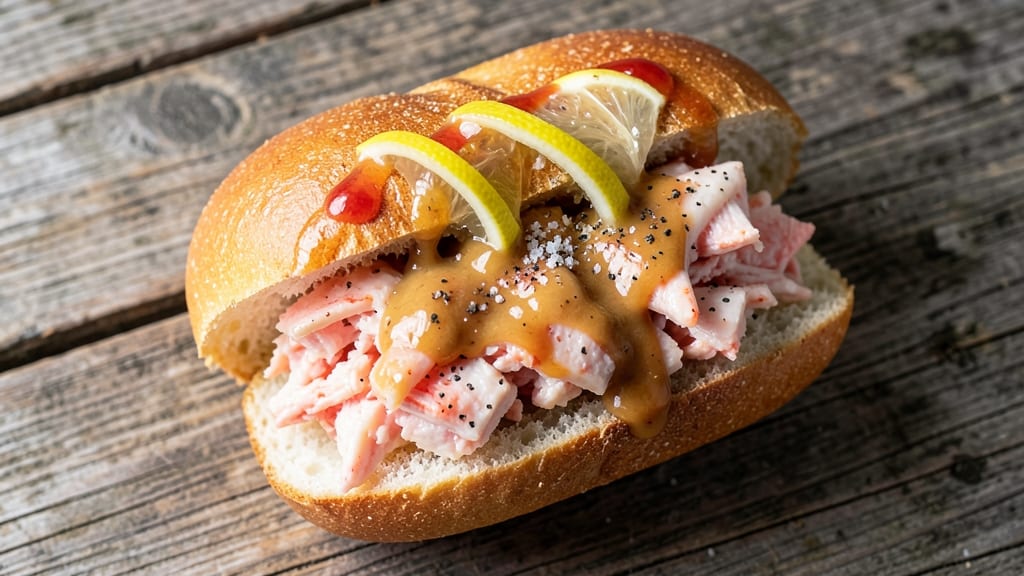
An authentic New England lobster roll captures the essence of coastal Maine in every buttery bite—where perfectly toasted buns cradle sweet, tender lobster meat in a rich mayo-butter sauce.
The key lies in handling fresh lobster (or high-quality pre-cooked meat) with care, splitting it precisely, and assembling it cold with just the right balance of sweetness and salt. This recipe delivers the same experience you'd find at legendary lobster shacks along the New England coast.
The foundation of an authentic lobster roll begins with buttery toasted buns—never warm, as tradition demands they stay cold to prevent sogginess. The filling combines sweet Maine lobster meat with a classic mayo-butter sauce, seasoned simply with salt, pepper, and a touch of lemon to brighten the richness.
The technique of splitting the lobster tail into two neat halves ensures even distribution and maximum flavor in every bite.
What sets this dish apart is the attention to detail: properly boiling live lobster (or selecting the freshest pre-cooked meat), chilling the filling thoroughly, and assembling the rolls with precision.
The result is a lobster roll that's crisp on the outside, tender on the inside, and bursting with the briny-sweet flavor of the Atlantic. Serve with classic sides like coleslaw or lemon wedges for the full coastal experience.
Whether you're preparing for a summer gathering or simply craving a taste of New England, this recipe delivers the restaurant-quality results you'd expect from a Maine lobster shack.
The method is straightforward but requires patience—especially when handling the lobster—to ensure every element comes together perfectly. Let's get started on creating your own authentic lobster roll experience.
Ingredients for authentic new england lobster roll
Authentic New England lobster rolls demand quality ingredients—fresh lobster, rich butter, and perfectly toasted buns.
| Ingredient | Amount | Notes |
|---|---|---|
| Fresh Maine Lobster Meat 🦞 | 1 ½ lb | Pre-cooked tails, split in half lengthwise |
| Unsalted Butter 🧈 | ½ cup | European-style, 82% fat preferred |
| Mayonnaise 🥛 | ½ cup | High-quality, like Duke's or Hellmann's |
| Lemon Juice 🍋 | 2 tbsp | Freshly squeezed, Meyer lemon preferred |
| Coarse Sea Salt 🧂 | 1 tsp | Diamond Crystal preferred for texture |
| Freshly Ground Black Pepper 🌶️ | ½ tsp | Cracked peppercorns preferred |
| Brioche or Potato Rolls 🥖 | 4 whole | 1-inch thick, split horizontally |
| Extra-Virgin Olive Oil 🫒 | 2 tbsp | For brushing buns, high-quality |
| Toasted Butter 🧈 | ¼ cup | Browned for nutty flavor |
| Lemon Zest 🍋 | 1 tsp | Freshly grated, for brightness |
| Ice Water 💧 | 1 cup | For chilling filling before assembly |
| Butter Lettuce Leaves 🥬 | 4 whole | Optional, for lining buns |
The lobster meat is non-negotiable—freshly cooked or high-quality pre-cooked tails from a reputable seafood market like Whole Foods or New England Fish ensure authentic flavor. Look for meat that's sweet, tender, and bright in color, not gray or rubbery. The butter matters too: European-style with 82% fat content (like Plugrá) creates the signature richness. For the rolls, brioche or potato rolls from a bakery section—never pre-sliced sandwich buns—deliver the perfect texture. Split them horizontally with a sharp serrated knife just before toasting to maintain crispness.
No fresh lobster? High-quality canned lobster meat (like Gorton's) works in a pinch, though texture will differ slightly. For the mayo-butter sauce, Duke's or Hellmann's are ideal, but homemade mayo with a touch of Dijon mustard elevates the dish. Substitute Meyer lemon juice with regular lemon, but reduce to 1.5 tbsp—Meyers are sweeter. The sea salt should be coarse (like Diamond Crystal) for that classic crunch, while freshly cracked peppercorns add depth. Toast the buns in a cast-iron skillet with butter until golden—never warm them, as tradition demands they stay cold to prevent sogginess.
Prep the filling ahead and chill it in ice water for 30 minutes before assembly to prevent melting. The rolls keep well for 2 hours at room temperature if assembled tightly in foil, but serve immediately for optimal texture. For storage, wrap individual rolls in parchment paper and refrigerate for up to 24 hours. Reheat briefly in a 350°F oven for 5 minutes if needed, though they're best enjoyed fresh. The butter lettuce lining is optional but adds a delicate barrier—skip it if you prefer direct contact between bun and filling.
Why You'll Love This Recipe
- Five-Ingredient Magic: This roll is that rare recipe where the ingredients practically assemble themselves. Butter, mayo, lemon, salt—just melt, mix, and fold. No chopping, no fuss, no second-guessing.
- Buttery Lemon Bliss: That first bite? Rich, bright, and just salty enough. The butter melts into the lobster meat while the lemon keeps it fresh—like summer in a buttery hug. (Yes, even on a Tuesday night.)
- Picnic to Party: Split the filling between hot dogs and buns for a crowd, or pack it in a cooler for the beach. Same flavor, endless possibilities. My kids ask for it at BBQs, and honestly? So do I.
- Leftovers? Even Better: The filling keeps for days in the fridge, tasting fresher than the first batch. Toss it on crackers, in a salad, or just eat it straight from the bowl. Waste not, cravings satisfied.
Step-by-step instructions for authentic New England lobster rolls
This method delivers the signature Maine-style lobster roll with perfectly balanced sweetness, buttery richness, and crispy toasted buns.
Prepare the Lobster Filling
In a large mixing bowl, combine the 1.5 lb fresh Maine lobster meat with the 0.5 cup unsalted butter, 0.5 cup mayonnaise, 2 tbsp lemon juice, 1 tsp coarse sea salt, and 0.5 tsp freshly ground black pepper. Using a fork or rubber spatula, gently fold everything together just until fully incorporated—avoid overmixing, which can make the filling dense.
The texture should be smooth with visible flecks of lobster, resembling a thick, creamy paste. Taste and adjust seasoning if needed, adding a pinch more salt or pepper as required. This filling forms the heart of your lobster roll, so the balance of sweet lobster, rich butter, and bright lemon is critical for that authentic New England flavor.
Toast the Brioche Rolls
Preheat your oven to 375°F. Brush the split sides of all 4 whole brioche or potato rolls generously with 2 tbsp extra-virgin olive oil. Arrange them on a baking sheet, cut-side up, and toast for 8-10 minutes until golden brown and crisp. The rolls should feel firm to the touch and develop a deep, nutty aroma from the caramelizing sugars.
While the rolls toast, prepare the 0.25 cup toasted butter by melting it in a small saucepan over low heat. Watch closely as it browns, stirring occasionally, until it develops a rich, nutty flavor and turns a deep golden color. Remove from heat and stir in the 1 tsp lemon zest. This butter will add another layer of complexity to your rolls.
Chill the Filling and Assemble
Transfer the lobster filling to a shallow dish and cover it with plastic wrap. Place it in the refrigerator for 30 minutes to firm up slightly. This chilling step is crucial—it prevents the filling from becoming too warm when assembled, which could make the rolls soggy. Meanwhile, fill a small bowl with 1 cup ice water for later use.
After chilling, gently fold the 1 tsp lemon zest into the lobster filling one last time to distribute the bright citrus flavor. The filling should hold its shape when spooned but still be spreadable. This texture ensures clean slices when you cut into the finished lobster rolls.
Assemble and Serve
Using a sharp knife, carefully slice each toasted roll in half horizontally. If using the optional 4 whole butter lettuce leaves, place one leaf in each bottom half of the rolls to create a natural barrier between the bun and filling. Spoon the chilled lobster filling evenly into each bottom half, mounding it slightly in the center.
Drizzle each filled roll with a small amount of the toasted butter mixture, then press the top halves back into place. The butter adds that final touch of richness that defines authentic New England lobster rolls. Serve immediately while the rolls are warm and the filling is still creamy. These rolls are best enjoyed fresh, with the contrast of crispy toasted bun and cool, buttery lobster filling.
Pro Tips For Making Authentic New England Lobster Roll
- Chill the Lobster First: Pull the lobster meat from the shell and refrigerate it for at least 30 minutes before mixing with butter. Cold meat melts more evenly with the butter and won’t turn greasy—no one wants a soggy roll, especially when you’re paying top dollar for that sweet Maine lobster.
- Butter in Stages: Don’t dump all the butter at once. Start with half, mix it in, then add the rest while the lobster’s still cold. This keeps the texture light instead of turning it into a greasy paste—trust me, I’ve ruined rolls this way when I got lazy.
- Lemon Last, Not First: Save the lemon juice for the very end, right before serving. The acid breaks down the butter over time, making the filling watery. A squeeze right before eating keeps that bright, fresh taste without sacrificing texture—like a good handshake, timing matters.
- Toast the Bun Hard: Butter the split bun and toast it in a dry pan over medium heat until it’s golden and crisp. A soft bun turns to mush under the weight of the filling, but a properly toasted one holds up—no one wants a lobster roll that falls apart at the first bite.
Pro cooking tips for great authentic new england lobster roll
Lobster Meat Handling
Fresh lobster meat is delicate—handle it gently to avoid tearing. If using live lobster, boil it in salted water for 18-22 minutes (depending on size) until the shell turns bright red and the tail curls. Let it cool in ice water for 5 minutes before cracking.
For pre-cooked tails, split them lengthwise with kitchen shears or a sharp knife, removing the vein and cartilage carefully. I recommend using a lobster cracker tool for precision—it makes the process cleaner and faster. 🦞
Toasted Butter Technique
The secret to that signature nutty flavor lies in browning the butter properly. Melt 0.25 cup unsalted butter in a light-colored saucepan over medium-low heat, stirring constantly. Watch for golden flecks to appear at the bottom—this indicates the milk solids are caramelizing.
Remove immediately when it smells rich and toasty (about 3-4 minutes). Stir in 1 tsp lemon zest right away to preserve the bright citrus aroma. 🧈
Bun Toasting Perfection
Never skip toasting the buns—this is non-negotiable for authenticity. Brush split brioche rolls generously with extra-virgin olive oil and toast in a 375°F oven for 8-10 minutes until deep golden. I use a cast-iron skillet for extra crispiness, flipping once halfway.
The key is even heat—rotate the baking sheet if needed. Let them cool briefly before assembling to prevent melting the filling. 🥖
Chilling the Filling
This step prevents soggy rolls. After mixing, spread the lobster filling on a plate and refrigerate for 30 minutes uncovered. For faster chilling, place the dish on a tray of ice. The filling should firm up slightly but remain spreadable.
I also like to place the assembled rolls in the fridge for 10 minutes before serving to enhance the texture contrast between the warm bun and cool filling. ❄️
Assembly Precision
Use a sharp serrated knife to slice toasted buns horizontally, keeping the halves intact. Spoon the chilled filling evenly into the bottom halves, mounding slightly in the center. Add a thin layer of butter lettuce (if using) to prevent sticking.
Drizzle with toasted butter mixture just before pressing the tops back on—this adds that final luxurious touch. Serve immediately for the perfect bite of crispy, buttery, and creamy. 💫
Lobster Roll Variations
For a spicy kick, add ½ tsp cayenne pepper to the filling. A herb twist works with 1 tbsp chopped chives or dill mixed into the butter sauce.
For a hot roll (non-traditional but delicious), warm the assembled rolls in a 350°F oven for 5 minutes—just watch closely to avoid over-toasting. 🌶️
Nutrition facts
Frequently asked questions
Why do authentic New England lobster rolls use cold buns instead of warm ones?
The cold bun is a non-negotiable tradition in New England lobster rolls. The contrast between the crisp, toasted (but cold) bun and the cool, buttery lobster filling creates the perfect texture experience. Warm buns would melt the filling, making the rolls soggy—a cardinal sin in coastal Maine! The toasting step adds flavor without heat, keeping the bun's structure intact.
Can I substitute canned lobster meat for fresh?
Yes, but expect a slightly different texture. High-quality canned lobster (like Gorton's) works in a pinch, though it lacks the sweetness of fresh Maine lobster. For best results, drain it well and pat dry before mixing with the butter sauce. Add an extra ½ tsp lemon juice to compensate for the reduced natural sweetness in canned versions.
How do I properly split lobster tails without making a mess?
Use a sharp lobster cracker tool or heavy-duty kitchen shears for clean cuts. Place the tail on a cutting board with the shell facing up. Make a lengthwise cut along the top of the shell, then gently pry open to remove the meat. Discard the vein (dark green cartilage) and any cartilage pieces. For pre-cooked tails, this process takes just 2 minutes per tail with the right tool.
What's the best way to store leftover lobster rolls?
Wrap individual rolls tightly in parchment paper and store them in an airtight container in the fridge for up to 24 hours. To reheat, warm in a 350°F oven for 5 minutes—just long enough to crisp the bun slightly. For longer storage, freeze unassembled components (filling and toasted buns separately) for up to 1 month. Assemble fresh when ready to serve.
Why does my lobster roll filling sometimes get too soft?
This usually happens when the filling isn't chilled properly before assembly. The butter and mayo need to firm up slightly to maintain structure. Always spread the filling on a plate and refrigerate for 30 minutes uncovered before assembling. For extra stability, place the assembled rolls in the fridge for 10 minutes before serving to enhance texture contrast.