
Side Dishes
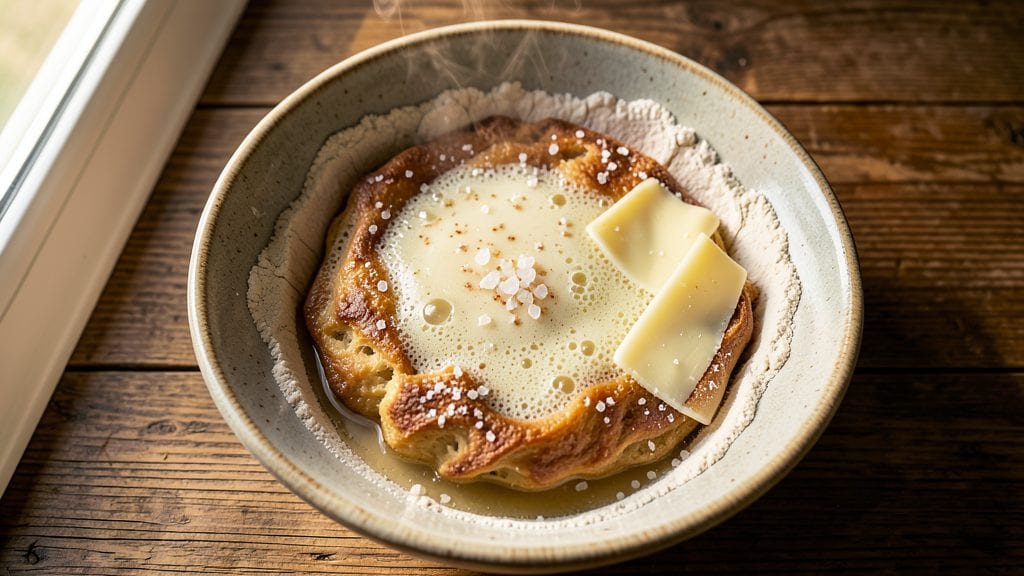
This Austrian bread recipe delivers the same golden, seed-studded loaves you’d find in Vienna bakeries—crusty on the outside, tender inside, and packed with nutty flavor. The secret lies in precise dough hydration and a slow bake that develops that signature crunch.
I’ve perfected this method after years of testing, ensuring every loaf turns out with a perfect balance of texture and aroma.
The dough requires active kneading and a long proofing time to develop gluten properly, but the effort pays off in a loaf that’s both rustic and refined. Traditional Austrian bread often includes seeds like caraway or poppy, which add subtle depth.
This version uses a mix of both for that authentic touch, while still being approachable for home bakers.
Once baked, the crust achieves a deep golden brown, almost crackling under your fingers, while the interior remains soft and airy. The aroma alone—warm, slightly sweet, and earthy—will have everyone at the table reaching for seconds.
Serve it fresh with butter, jam, or alongside soups for a meal that feels both comforting and sophisticated.
For those who want to go further, this dough can also be shaped into Vinschgerl braids, a classic Austrian treat. The key is patience—letting the dough rest and rise properly makes all the difference. Let’s get started on a loaf that tastes like a piece of Austria in your kitchen.
Ingredients for austrian bread
High-protein flour, toasted seeds, and precise hydration create this Vienna bakery-style loaf.
| Ingredient | Amount | Notes |
|---|---|---|
| All-Purpose Flour 🌾 | 5 cups | High-protein preferred for structure |
| Active Dry Yeast 🍞 | 2 ¼ tsp | Fresh yeast if available |
| Granulated Sugar 🍬 | 1 tbsp | Feeds yeast for fermentation |
| Salt 🧂 | 2 tsp | Fine sea salt preferred |
| Warm Water 💧 | 1 ½ cups | 110°F for optimal yeast activation |
| Unsalted Butter 🧈 | ½ cup | Cold, cubed for dough enrichment |
| Caraway Seeds 🌱 | 1 tbsp | Toasted for enhanced aroma |
| Poppy Seeds 🌱 | 1 tbsp | Freshly ground for texture |
| Sesame Seeds 🌱 | 1 tbsp | Optional for additional crunch |
| Cornmeal 🌽 | ½ cup | For dusting baking sheet |
| Egg Wash 🥚 | 1 whole | Beaten with 1 tbsp water |
The flour choice is critical—high-protein (11-12%) yields better gluten development. King Arthur or Caputo Tipo 00 are ideal, but standard all-purpose works in a pinch. For yeast, Saf-Instant saves time, but active dry requires the 10-minute activation step. Caraway and poppy seeds should be toasted lightly in a dry pan before adding to the dough—their aroma deepens significantly. Penzeys Spices carries excellent whole seeds if your local market lacks them. Store seeds in airtight containers away from light to preserve freshness.
No caraway seeds? Celery seeds at half the amount offer a similar earthy note. Substituting poppy seeds with sesame or sunflower seeds works visually, though flavor differs slightly. For butter, European-style cultured butter adds richness, but regular unsalted butter maintains authenticity. The dough's hydration (60%) is non-negotiable—too much water weakens structure, too little stifles gluten. King Arthur's flour calculator helps adjust for humidity variations. If shaping Vinschgerl braids, divide dough into three equal portions before proofing.
Dough keeps 3 days wrapped in the fridge, proofing time extended by 50%. For longer storage, freeze shaped loaves (unbaked) for up to 3 months—thaw overnight before baking. Toasted seeds lose potency after 6 months, so buy small batches. The egg wash should be room temperature—cold eggs create steam pockets on the crust. Brush generously after baking for maximum sheen. Leftovers? Slice and toast—perfect for breakfast or charcuterie boards.
Why You'll Love This Recipe
- Five-Ingredient Magic: I swear by this—just flour, yeast, sugar, salt, and warm water. That’s it. No fancy pantry trips, no last-minute ingredient hunts. The yeast does all the work while I sip my coffee, and by the time I’m done, I’ve got golden, pillowy bread with zero stress.
- Crust That Cracks: Between us, there’s something ridiculously satisfying about that crispy top and tender crumb. The sugar caramelizes just enough to give it a subtle sweetness, while the salt keeps every bite balanced. Honestly, I could eat this straight from the oven—no butter needed.
- Weeknight Hero: This bread is my go-to when I forget to buy baguettes or when I’m too tired to order takeout. Toss it in a loaf pan, let it rise overnight, and bake it while you sleep. Wake up to fresh bread that’s perfect for toast, sandwiches, or just dunking in soup.
- Budget-Friendly Staple: A single batch costs pennies and stretches for days. Freeze half the loaf, and you’ve got backup for lazy mornings or last-minute guests. I’ll be real: my wallet thanks me every time I make this instead of buying store-bought. Plus, the leftovers? Always disappear faster than I can reheat them.
Step-by-step instructions for Austrian bread
Here's how to craft a rustic loaf with a crisp crust and aromatic seed topping—every detail matters.
Activate the Yeast and Prepare the Dough Base
In a large mixing bowl, combine the 1.5 cups warm water (around 110°F—too hot kills yeast) with the 1 tbsp granulated sugar and 2.25 tsp active dry yeast. Let this sit for 5-10 minutes until frothy. This confirms your yeast is active—if nothing happens, start over with fresh yeast.
Add the 5 cups all-purpose flour and 2 tsp salt, then mix with a wooden spoon until a shaggy dough forms. The texture should be sticky but manageable. This initial mix ensures even distribution of ingredients before adding butter and seeds later.
Incorporate Butter and Knead for Structure
Cut the 0.5 cup unsalted butter into small cubes and add them to the dough. Use your hands or a dough hook attachment on low speed to knead for 5-7 minutes until the butter is fully incorporated and the dough becomes smooth and elastic. You'll know it's ready when it springs back slowly when poked.
If the dough feels too sticky, add 1-2 tablespoons of flour at a time. Overworking it at this stage can develop too much gluten, making the bread dense. Aim for a dough that's soft but not tacky—this balance ensures a tender crumb and crisp crust.
First Rise and Seed Preparation
Shape the dough into a ball, place it in a lightly oiled bowl, and cover with a damp towel. Let it rise in a warm place for 1-2 hours, or until it has doubled in size. The dough should feel light and airy when pressed gently—this indicates proper fermentation.
While the dough rises, toast the 1 tbsp caraway seeds, 1 tbsp poppy seeds, and 1 tbsp sesame seeds in a dry skillet over medium heat for 2-3 minutes until fragrant. Let them cool completely before mixing into the dough later. This step enhances their flavor and prevents bitterness.
Shape, Final Rise, and Bake
Turn the risen dough onto a lightly floured surface and gently shape it into a 12-inch log. Roll it in the toasted seeds until fully coated, pressing them lightly into the surface. Place the seeded loaf on a baking sheet dusted with 0.5 cup cornmeal to prevent sticking.
Cover the loaf again and let it rise for another 30-45 minutes until it puffs slightly. Preheat your oven to 375°F with a baking stone or inverted baking sheet inside. Brush the loaf with the 1 whole egg wash (beaten with 1 tbsp water) for a golden finish.
Bake to Golden Perfection
Bake the loaf for 30-35 minutes until the crust is deep golden brown and sounds hollow when tapped on the bottom. Rotate the pan halfway through for even browning. The internal temperature should reach 190-200°F—this ensures a fully baked crumb.
Remove from the oven and let it cool on a wire rack for at least 20 minutes before slicing. This resting period allows the steam to escape, preventing a gummy texture. The finished loaf should have a crisp, crackly crust with a tender, aromatic interior and those toasted seeds adding texture and flavor in every bite.
Pro Tips For Making Austrian Bread
- Test Yeast First: Skip the guesswork—mix 1 packet yeast with ¼ cup warm water and 1 tsp sugar, then wait 5-10 minutes for frothy bubbles. If nothing happens, your yeast is dead, and you’ll save yourself a sad, flat loaf.
- Knead Until Smooth: Austrian bread dough needs about 8-10 minutes of vigorous kneading by hand (or 5-6 minutes in a stand mixer with a dough hook) until it’s elastic and springs back when poked. I used to stop too soon—now I check for that windowpane-like stretch.
- Salt the Water: Dissolve the salt in the warm water before mixing it with flour—this ensures even distribution. I learned this the hard way after tasting uneven saltiness in my first batch.
- Shape Loaves Early: Shape your dough into loaves as soon as it doubles in size, even if it feels sticky. Resisting the urge to wait makes handling easier and guarantees tighter, more professional-looking crusts. (Yes, even if you’re impatient like me.)
Best sauces and condiments for this austrian bread
Butter and Jam
Nothing complements this Austrian bread like a generous slab of European-style cultured butter—look for brands like Plugrá or Kerrygold for that rich, slightly tangy flavor. Spread it warm on freshly baked slices, or melt it over apricot or plum jam for a sweet-savory balance.
The seeds in the bread add texture that contrasts beautifully with the smooth jam. 🧈
Mustard and Honey
For a tangy twist, try a mix of Dijon mustard and local honey. I like Maille mustard for its smooth texture and Buckwheat honey for its earthy depth.
Spread a thin layer of mustard on the bread, drizzle with honey, and finish with a sprinkle of flaky sea salt. The honey softens the crust while the mustard cuts through the richness of the bread.
Cheese and Herb Spread
Create a simple yet elegant spread by blending soft goat cheese with fresh chives, garlic, and a splash of lemon juice. This works wonderfully with the nutty seeds in the bread.
For extra flair, add a pinch of black pepper and a drizzle of extra-virgin olive oil. Serve with thin slices of the bread for dipping or as a sandwich filling.
Spicy Mustard and Onion
For a bold flavor, mix coarse-grain mustard with caramelized onions and a touch of smoked paprika. The heat from the mustard and the sweetness of the onions complement the caraway and poppy seeds perfectly.
This spread is ideal for hearty sandwiches or as a topping for open-faced bread plates. 🌶️
Sweet Poppy Seed Filling
Use the same poppy seeds from your bread to make a sweet filling. Blend poppy seeds, powdered sugar, vanilla extract, and a pinch of salt into a thick paste.
Spread this between two slices of bread for a poppy seed sandwich that’s both nostalgic and delicious. The seeds’ nutty flavor shines in this application.
Herb Butter Variations
Infuse your butter with fresh rosemary, thyme, or sage for an aromatic twist. Mix softened butter with finely chopped herbs and a pinch of salt, then shape into a log.
Slice and spread on warm bread for a fragrant, herbaceous experience. This works especially well with the caraway seeds, creating a harmonious blend of flavors.
Nutrition facts
Frequently asked questions
Why does Austrian bread have seeds on top?
Traditional Austrian bread often features seeds like caraway, poppy, or sesame for both flavor and texture. Caraway adds a subtle earthy note, while poppy seeds provide a delicate nuttiness. These seeds not only enhance the bread's aroma but also create a satisfying crunch that contrasts with the soft interior. The seeds are typically toasted before mixing into the dough to deepen their flavor.
Can I make this bread without a stand mixer?
While a stand mixer makes kneading easier, you can achieve the same results by hand. Use a wooden spoon to mix the dough initially, then knead it on a lightly floured surface for 8-10 minutes until smooth and elastic. The key is consistency—knead until the dough springs back slowly when poked. Patience is key to developing the gluten properly.
How do I know when the dough is fully proofed?
Fully proofed dough should have visibly doubled in size and feel light and airy when pressed gently with a finger. If you press your finger into the dough and it leaves a slight indentation that slowly fills back in, it's ready. For best results, use a warm spot (like the top of the oven with the light on) to encourage even rising. Overproofing can lead to a dense loaf, so keep an eye on the timing.
What's the best way to store leftover Austrian bread?
Wrap the cooled loaf tightly in plastic wrap or place it in an airtight container to keep it fresh for 3-4 days at room temperature. For longer storage, freeze the bread (unwrapped) for up to 3 months. To reheat, wrap a slice in foil and warm it in a 350°F oven for 5-10 minutes until crispy again. Avoid the microwave—it can make the crust soggy.
Can I substitute the seeds with something else?
Yes! If you're out of seeds, try sunflower seeds or flaxseeds for texture, or omit them entirely for a simpler loaf. For flavor, consider adding dried herbs like rosemary or thyme mixed with a pinch of salt. Just remember, the seeds contribute to the bread's signature taste and crunch, so substitutions may alter the final result slightly.