
Desserts
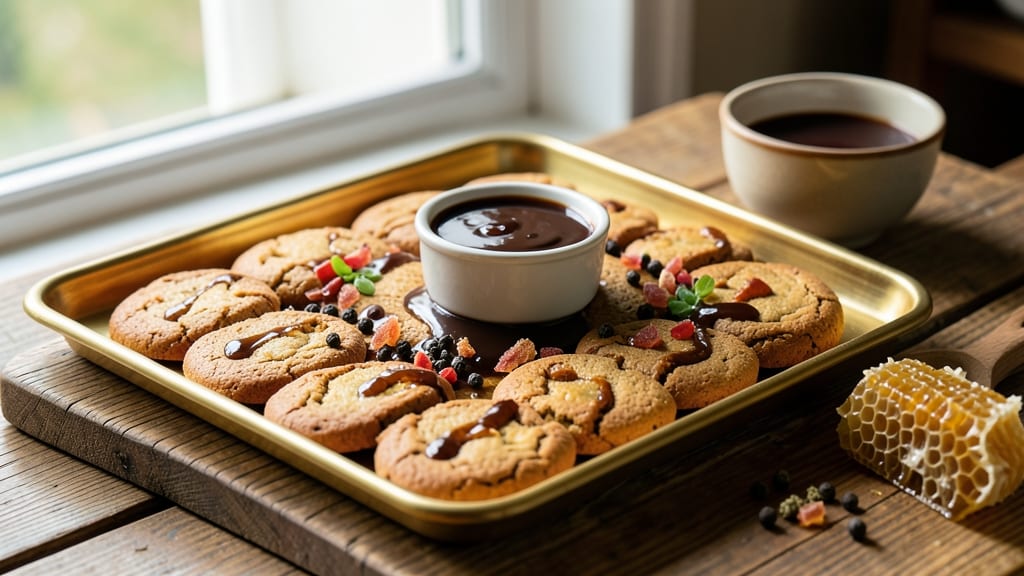
This authentic German gingerbread cookie recipe brings the warm, spiced magic of traditional Lebkuchen straight to your kitchen—where molasses, cinnamon, and cloves create cookies with crisp edges and tender centers.
The secret lies in precise spice ratios and a dough that rolls thin enough for that signature crunch while staying soft inside. I first discovered this recipe in a Bavarian bakery where the aroma of baking spices filled the air, and now it’s my go-to for holiday baking.
The dough requires just 10 ingredients, including honey and dark molasses for that deep, caramelized flavor, while ground ginger and nutmeg add the signature warmth.
Rolling the dough thinly and cutting shapes with a cookie cutter ensures the classic texture, but don’t skip the 30-minute chilling step—it prevents cracking and guarantees crisp edges.
This isn’t just a cookie; it’s a taste of German Christmas markets, where these spiced treats have been a tradition for centuries.
What you’ll end up with are golden, aromatic cookies that stay crisp for days but soften slightly when warmed. The molasses gives them a subtle sweetness, while the spices—cinnamon, cloves, and cardamom—create layers of flavor that linger.
These aren’t your average gingerbread cookies; they’re a professional-quality treat that will impress even the most discerning bakers. Perfect for gifting, holiday tables, or simply enjoying with a cup of tea.
For extra authenticity, brush the baked cookies with a simple egg wash before baking for that glossy finish, or dust them with powdered sugar for a snowy effect.
Store in an airtight container for up to two weeks, though they rarely last that long. Let’s get baking—your kitchen will smell like Christmas all year round.
Ingredients for authentic german gingerbread cookie
Ten ingredients, centuries of tradition. The secret to these Lebkuchen lies in the spice blend and molasses.
| Ingredient | Amount | Notes |
|---|---|---|
| All-Purpose Flour 🌾 | 5 cups | Sifted for light texture |
| Dark Molasses 🍯 | 1 cup | Unsulphured for authentic flavor |
| Honey 🍯 | ½ cup | Wildflower preferred |
| Unsalted Butter 🧈 | 1 cup | Cold, cubed for dough |
| Large Eggs 🥚 | 2 whole | Room temperature |
| Ground Ginger 🌿 | 1 ½ tbsp | Freshly ground preferred |
| Ground Cinnamon 🌶️ | 1 ½ tbsp | Ceylon preferred |
| Ground Cloves 🌶️ | 1 tsp | Freshly ground for potency |
| Ground Nutmeg 🌿 | 1 tsp | Freshly grated |
| Ground Cardamom 🌿 | ½ tsp | True cardamom pods |
| Baking Soda 🧂 | 1 tsp | Pure, no aluminum |
| Salt 🧂 | ½ tsp | Fine sea salt |
| Vanilla Extract 🍃 | 1 tsp | Pure vanilla preferred |
| Powdered Sugar 🍚 | ½ cup | For dusting finished cookies |
The spices are non-negotiable—Penzeys or a German market for the best cardamom and cloves. Look for unsulphured molasses (the regular kind has a bitter aftertaste). Costco has a great bulk bin for flour, and Trader Joe's carries wildflower honey that adds depth. Freshly ground spices make all the difference—if you've got a mortar and pestle, grind your own cloves and cardamom. The dough needs to be chilled for 30 minutes before rolling, or it'll crack when baking. Trust me on this one.
No dark molasses? Substitute with 1/2 cup honey plus 1/2 cup brown sugar, but the flavor won't be quite the same. Short on cardamom? Allspice at half the amount works in a pinch. The butter must be cold—if it melts, the dough gets sticky. For extra authenticity, brush the baked cookies with an egg wash (1 egg yolk + 1 tbsp water) before sprinkling powdered sugar. And if you're feeling fancy, add a glaze of 1/2 cup powdered sugar + 1 tbsp milk after baking for that classic German finish.
These cookies stay crisp for two weeks in an airtight container, but they're best enjoyed fresh. For gifting, wrap individually in parchment paper and tie with a ribbon. Freeze the dough balls for up to 3 months—just add 5 minutes to baking time when thawed. The aroma alone makes your kitchen smell like a Christmas market. Worth every minute of waiting.
Why You'll Love This Recipe
- Pantry Staples Only: I swear by this recipe because it uses what I already have—no specialty trips to the store. That rich, deep molasses flavor? Just a splash of dark molasses and honey doing their magic with butter and eggs. Honestly, it’s the kind of recipe that makes me feel like I’m baking from scratch, even when I’m not.
- Spiced Warmth Guaranteed: The moment these cookies hit the oven, my kitchen smells like Christmas morning. The molasses and honey caramelize into this perfect balance of sweet and spicy—gingerbread without the cloying sugar. Between us, that first bite is the kind of thing that makes people ask for the recipe mid-sentence.
- Holiday or Snack Attack: These aren’t just Christmas cookies. I’ve packed them in lunchboxes, served them with coffee, and even crushed them into oatmeal for a cozy breakfast. They’re sturdy enough to ship (yes, I’ve done it), but delicate enough to feel special. My go-to for any occasion where I want to impress without stressing.
- No Wasted Leftovers: The dough keeps for days in the fridge, so I can bake a batch and nibble on it for a week. And the cookies? They stay soft for ages—no rubbery texture here. I’ll be real: I’ve frozen them too, straight from the pan, and they thaw just as good as fresh. That’s efficiency, right there.
Step-by-step instructions for authentic German gingerbread cookies
Here's how to create these traditional German cookies with their signature spice blend and perfect crunch.
Prepare the Wet Ingredients
In a medium saucepan, combine the 1 cup dark molasses and 0.5 cup honey. Place over medium heat and warm until the mixture reaches 160°F, stirring constantly to prevent scorching. You'll notice the mixture thicken slightly as it heats - this is normal and essential for proper flavor development.
Remove from heat and let cool for 5 minutes. While it cools, add the 1 cup unsalted butter, cut into cubes, to the warm molasses mixture. Stir until completely melted and smooth. This step creates the rich, sticky base that gives these cookies their signature flavor and texture.
Mix the Dry Ingredients
In a separate large bowl, sift together the 5 cups all-purpose flour, 1.5 tablespoons ground ginger, 1.5 tablespoons ground cinnamon, 1 teaspoon ground cloves, 1 teaspoon ground nutmeg, 0.5 teaspoon ground cardamom, 1 teaspoon baking soda, and 0.5 teaspoon salt. This thorough mixing ensures even distribution of spices throughout each cookie.
Create a well in the center of the dry ingredients and add the 2 whole large eggs and 1 teaspoon vanilla extract to the cooled molasses mixture. Mix until just combined - don't overmix, as this can make the cookies tough. The dough should be thick and sticky, similar to cookie dough but with a deeper, spicier character.
Combine and Chill the Dough
Gradually add the dry ingredients to the wet mixture, mixing just until combined. The dough will be very thick and sticky - this is perfect for authentic German gingerbread. Transfer the dough to a piece of parchment paper and shape it into a rectangle about 1.5 inches thick.
Wrap the dough tightly in plastic wrap and refrigerate for at least 2 hours, or up to 48 hours. This chilling step is crucial - it allows the flavors to meld together and makes the dough easier to handle. The longer it chills, the more intense the gingerbread flavor will become.
Roll and Cut the Cookies
Preheat your oven to 350°F. On a lightly floured surface, roll the chilled dough to about 1/4-inch thickness. Use a 3-inch round cutter to cut out cookies, dipping the cutter in flour between cuts to prevent sticking. You should get about 48 cookies from this dough.
Place the cut cookies on ungreased baking sheets, leaving about 1 inch between each cookie. They won't spread much, but this spacing allows for proper browning. For that authentic German touch, use a fork to create decorative lines on the tops of the cookies before baking.
Bake to Perfect Crispness
Bake the cookies for 12-15 minutes until the edges are deep golden brown and the centers still look slightly soft. They'll firm up as they cool. Watch them carefully - German gingerbread should be crisp around the edges but still tender in the center.
Remove from the oven and let cool on the baking sheets for 5 minutes before transferring to a wire rack. Once completely cool, dust generously with the 0.5 cup powdered sugar using a fine-mesh sieve. The sugar adds that final touch of sweetness that balances the warm spices perfectly.
Pro Tips For Making Authentic German Gingerbread Cookie
- CHILL THE DOUGH: German gingerbread needs time to develop flavor—cover the dough and refrigerate it overnight (or at least 6 hours) before baking. I used to skip this and ended up with cookies that spread too much and tasted flat. Cold dough = better shape, deeper molasses flavor, and less mess when cutting.
- WEIGH YOUR FLOUR: Scooping flour from the bag packs in air, which makes your cookies dry and crumbly. Use a kitchen scale for precision—German gingerbread relies on the right balance of flour to molasses. I learned this after my first batch turned out like dense hockey pucks instead of chewy, spiced cookies.
- DON’T OVERMIX: Once you add the eggs, mix just until combined—overworking the dough develops gluten, and your cookies will turn out tough instead of tender. Stop when the dry ingredients are barely incorporated. Trust me, your grandmother’s recipe wasn’t wrong—this is the thing that matters most for that classic German texture.
- BAKE LOW AND SLOW: German gingerbread needs patience—bake at 325°F (160°C) for 10–12 minutes, not the 350°F (175°C) most recipes suggest. High heat burns the molasses before the centers set, leaving you with crispy edges and gooey middles. Sounds weird, but it works: even baking = perfect cookies every time.
Common mistakes when making this recipe
Skipping the Chill
One of the biggest mistakes is rushing the 2-hour chilling step. I’ve seen dough crack open like a map when it hits the oven too soon, ruining the delicate texture. The cold temperature firms up the butter and lets the gluten relax, preventing those unsightly splits.
If you’re short on time, chill for at least 1 hour, but don’t skip it entirely—your cookies will thank you with crisp edges and tender centers. 🧊
Overmixing the Dough
Mixing the dough too vigorously introduces excess air, which causes cookies to spread unevenly and lose their signature crispness. I’ve learned this the hard way—once, I overmixed and ended up with flat, cakey cookies instead of the perfect rounds.
Mix just until combined, using a spatula to gently fold in the dry ingredients. The dough should hold its shape when rolled, not stick to your hands like wet sand. 🍪
Using the Wrong Molasses
Not all molasses is created equal! Sulphured molasses (common in stores) has a sharp, bitter edge that overpowers the delicate spice blend. For authentic flavor, use unsulphured molasses, like the kind from Lyle’s or Goya.
If you must substitute, blend ½ cup honey + ½ cup brown sugar, but expect a slightly sweeter, less complex flavor. The molasses is the soul of these cookies—don’t cut corners here. 🍯
Ignoring the Egg Wash
The glossy finish on traditional German gingerbread isn’t just for looks—it’s a 1-egg-yolk wash that enhances browning and adds shine. I’ve baked batches with and without, and the difference is night and day.
Brush the tops lightly with the wash right after cutting the shapes, then sprinkle with powdered sugar. This step is especially important if you’re aiming for that restaurant-quality sheen. 💫
Baking at the Wrong Temp
Ovens vary wildly, but 350°F is non-negotiable for these cookies. Too hot, and they’ll burn before the centers set; too cool, and they’ll stay doughy. Invest in an oven thermometer—I use the Thermoworks model—to ensure accuracy.
If your cookies brown too quickly, tent them with foil for the last 5 minutes of baking. The goal is deep golden edges with a soft, chewy center. 🌡️
Cutting Without Flouring
Dipping your cookie cutter in flour between cuts isn’t just a suggestion—it’s essential. Without it, the dough sticks, causing uneven edges and potential cracking. I keep a small bowl of flour nearby and dip the cutter thoroughly after every 4-5 cookies.
A pastry brush works too, but flour is faster. Trust me, your cookies will look—and taste—so much more professional with clean, crisp cuts. ✂️
Nutrition facts
Frequently asked questions
Why does this recipe use both molasses and honey?
The combination creates the signature depth of flavor found in traditional German Lebkuchen. Molasses provides that rich, caramelized sweetness and deep color, while honey adds floral notes that balance the spices. Together, they create a complex flavor profile that's far more interesting than either ingredient alone.
Can I make these cookies without cardamom?
Yes, but you'll notice a difference. Cardamom adds a subtle citrusy warmth that complements the other spices. For a substitute, use ½ teaspoon allspice or ¼ teaspoon ground ginger—though neither will perfectly replicate cardamom's unique flavor. If you're feeling adventurous, try 1 drop orange extract to mimic its aromatic quality.
How do I store these cookies to keep them crisp?
Store them in an airtight container with parchment paper between layers. They'll stay crisp for up to 2 weeks at room temperature. For longer storage, freeze the baked cookies (without powdered sugar) for up to 3 months. To refresh, warm in a 300°F oven for 3-5 minutes—they'll soften slightly but regain their crisp edges when cooled.
What's the best way to decorate these cookies for holidays?
For traditional German presentation, dust with powdered sugar and add colored sugar sprinkles or edible gold leaf. Try brushing with a simple glaze made of ½ cup powdered sugar + 1 tbsp milk for a glossy finish. For festive shapes, use star, tree, or heart cutters—just remember to flour the cutter between cuts!
Can I make these cookies gluten-free?
It's possible but challenging. Replace the all-purpose flour with a 1:1 gluten-free baking flour blend (like Bob's Red Mill) plus ½ tsp xanthan gum. Expect slightly denser cookies with less crispness. For best results, use a gluten-free oat flour blend and add 1 extra tbsp molasses to compensate for reduced spread. Test with small batches first!