
Beverages
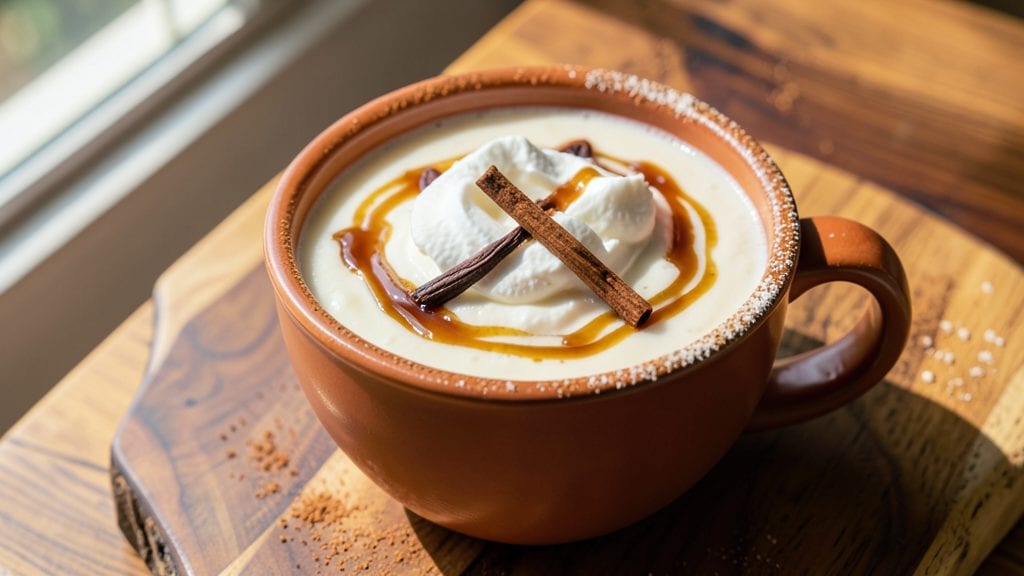
This authentic Puerto Rican coquito recipe captures the heart of island holiday celebrations with its velvety texture and warm cinnamon-spiced rum essence. The traditional drink blends coconut milk, evaporated milk, and a carefully balanced spice mix of cinnamon, cloves, and nutmeg—each element essential for achieving that signature depth.
I first discovered this recipe while visiting family in San Juan, where it's served chilled during Christmas gatherings, its creamy richness contrasting beautifully with the island's warm breezes.
The secret to authentic coquito lies in the spice infusion and rum reduction—both critical for developing the drink's complex flavor profile.
While many versions rely on pre-made spice blends, I've perfected a method using whole spices toasted in the coconut milk, which creates a fragrant base that's far more aromatic than store-bought alternatives.
The rum, traditionally white or gold, is reduced separately to concentrate its flavor without overpowering the creamy coconut-milk foundation.
What you'll end up with is a silky-smooth beverage that's equally satisfying served chilled over ice or warmed slightly for a cozy touch.
The cinnamon kiss on the surface adds a visual appeal that makes it perfect for holiday gatherings, while the balanced sweetness and spice make it a crowd-pleaser for both adults and children.
This recipe delivers restaurant-quality results with a fraction of the effort—ideal for those who want to bring a taste of Puerto Rico to their own celebrations.
For those who prefer non-alcoholic versions, I've included a tested substitute that maintains the drink's signature creaminess and spice profile. Whether you're preparing it for Christmas festivities or simply craving a taste of the tropics, this coquito recipe will become a staple in your holiday repertoire.
Let's create something truly special together.
Ingredients for authentic puerto rican coquito
Creamy coconut milk, warm spices, and rum blend into holiday magic—just 12 ingredients for authentic coquito.
| Ingredient | Amount | Notes |
|---|---|---|
| Coconut Milk (Full-Fat, Canned) 🥥 | 4 cans | 13.5 oz each, unsweetened preferred |
| Evaporated Milk 🥛 | 2 cups | Full-fat for creaminess |
| White Rum (80 Proof) 🍹 | 1 ½ cups | Bacardi Superior or similar |
| Granulated White Sugar 🍚 | 1 ½ cups | Adjust to taste |
| Ground Cinnamon 🌿 | 2 tbsp | Ceylon preferred for authentic flavor |
| Whole Cloves 🌶️ | 1 tsp | Lightly crushed for aroma |
| Ground Nutmeg 🌿 | ½ tsp | Freshly grated preferred |
| Vanilla Extract 🍯 | 1 tbsp | Pure Madagascar preferred |
| Heavy Cream 🥛 | 1 cup | Full-fat for texture |
| Orange Zest 🍊 | 1 tbsp | Freshly grated |
| Salt 🧂 | ¼ tsp | Diamond Crystal kosher |
| Cinnamon Sticks (for garnish) 🌿 | 4 whole | For visual presentation |
The coconut milk is non-negotiable—full-fat, unsweetened cans from Goya or Native Forest give the best texture. I always grab two extra cans (just in case) and check the expiration dates—freshness matters for that velvety mouthfeel. The rum should be white or gold, 80 proof—Bacardi Superior or Havana Club are my go-tos, but any decent brand works. For the spices, Ceylon cinnamon has a sweeter, more complex profile than regular cassia, which is worth hunting down at Latin markets or specialty stores like Penzeys. Whole cloves need to be lightly crushed—just a quick smash with the side of your knife releases their aroma without turning bitter.
No rum? Extra vanilla extract plus a splash of orange juice mimics the depth, though it won’t be identical. Running low on Ceylon cinnamon? Substitute regular cassia at half the amount, but add an extra pinch of nutmeg to compensate. The orange zest can be dried and stored for up to 3 months—just freeze it in a baggie. For the evaporated milk, don’t skimp on the full-fat version—half-and-half or light evaporated will make the coquito taste watery. And if you’re making this ahead, reduce the rum by one-third to account for flavor concentration during storage.
This keeps beautifully—up to 1 week refrigerated, though the spices get stronger over time (in a good way). For parties, I double the batch and store it in glass jars with tight lids. The cinnamon sticks for garnish? Save them from your spice rack—they’re perfect for stirring and add that festive touch. Serve chilled with a sprinkle of cinnamon on top, or warm it gently for a cozy twist. Leftovers? Freeze in ice cube trays for single-serving portions—just add rum and cream when ready to drink.
Why You'll Love This Recipe
- Here’s what sold me: I make a big batch, let it sit overnight, and the flavors get better. The coconut milk thickens just right, the cinnamon settles into the mix, and suddenly you’ve got a creamy, boozy dessert that’s cheaper than takeout. Freezer-friendly too—just reheat and enjoy.
- Pantry Magic: I swear, this drink comes together with stuff you already have. No fancy tools—just a pot, a whisk, and those five ingredients (plus a splash of love). The canned coconut milk and evaporated milk? They’re the unsung heroes here, blending into that dreamy, creamy texture with zero fuss.
- Warm Spice Hug: That first sip of cinnamon-kissed rum and coconut? It’s like a cozy blanket for your taste buds. The cinnamon isn’t just dusted on top—it’s simmered right into the mix, so every gulp tastes like a slow, spiced sip of Puerto Rican nostalgia.
- Holiday or Hangout: Between us, this is my go-to for Christmas parties and lazy Sunday afternoons. Serve it chilled in fancy glasses for guests, or just sip it straight from the jar while binge-watching. The rum adds depth, but you can dial it back—no judgment if you’re skipping the booze entirely.
Step-by-step instructions for authentic Puerto Rican coquito
Here's how to craft this beloved Puerto Rican holiday drink with perfect spice balance and creamy texture.
Combine Base Ingredients in a Heavy Saucepan
In a heavy-bottomed saucepan, pour in the 4 cans full-fat coconut milk, 2 cups evaporated milk, and 1.5 cups white rum. Stir gently to combine, making sure the rum distributes evenly throughout the mixture. I always use a wooden spoon for this step—it won't scratch the pan like metal utensils might.
Add the 1.5 cups granulated white sugar and the 0.25 tsp salt, then stir over medium-low heat until the sugar completely dissolves. This should take about 5 minutes, and you'll notice the mixture becomes slightly translucent as the sugar integrates. The reason for the low heat is to prevent the alcohol from evaporating too quickly—we want to preserve that signature rum flavor.
Infuse with Spices and Orange Zest
Once the sugar is fully dissolved, reduce the heat to low and add the 2 tbsp ground cinnamon, 1 tsp whole cloves, and 0.5 tsp ground nutmeg. Stir constantly for 10 minutes to allow the spices to bloom and infuse the mixture with their aromatic qualities. You'll notice the kitchen fills with a warm, inviting spice aroma—this is where the magic happens.
After the spices have had time to develop, stir in the 1 tbsp orange zest and 1 tbsp vanilla extract. The orange zest adds a bright, citrusy note that cuts through the richness of the coconut and cream, while the vanilla rounds out the flavors. Let the mixture simmer gently for another 5 minutes, stirring occasionally to prevent any sticking or burning at the bottom of the pan.
Incorporate Heavy Cream and Simmer
Carefully pour in the 1 cup heavy cream, stirring constantly to distribute it evenly. Increase the heat to medium-low and let the mixture simmer gently for 15-20 minutes. During this time, you'll want to stir occasionally to prevent a skin from forming on top. The mixture should thicken slightly, but it shouldn't boil—we're looking for a slow, controlled simmer that allows all the flavors to meld together.
Here's the thing—if the mixture starts to look too thin after simmering, that's okay. We'll adjust the consistency in the next step. The key is to let the spices and cream integrate fully, creating that signature coquito texture that's neither too watery nor too thick.
Adjust Consistency and Strain
Remove the saucepan from heat and let it cool slightly for 5 minutes. Taste the mixture and adjust the sweetness if needed—add more sugar if it tastes too sharp, or a splash of rum if it needs more depth. The consistency should be like a thick, creamy custard, but not so thick that it's difficult to pour.
If it's too thick, stir in 1-2 tablespoons of hot water to loosen it up. If it's too thin, let it cool further and then chill it in the refrigerator for 30 minutes—this will help it thicken naturally. Once you're happy with the texture, strain the mixture through a fine-mesh sieve into a clean pitcher or bowl to remove any clove bits and achieve a silky-smooth finish.
Chill and Serve with Garnish
Transfer the strained coquito to a serving pitcher and refrigerate for at least 4 hours, or preferably overnight. This chilling step is crucial—it allows the flavors to fully develop and the texture to become perfectly creamy. The longer it chills, the better the taste, so don't rush this process.
When ready to serve, pour the chilled coquito into glasses filled with ice. Garnish each serving with 1 cinnamon stick for that authentic touch. The contrast of the warm spice against the cold drink is what makes coquito so special. Serve with a sprinkle of ground cinnamon on top if you're feeling extra festive—it adds that final, cozy touch that makes this drink truly unforgettable.
Pro Tips For Making Authentic Puerto Rican Coquito
- Shake the Coconut Milk: DESCRIPTION: Open the can and give it a good shake—even if it looks fine. The cream settles at the bottom, and skimming just the top layer means you’re missing out on that rich, velvety texture. I learned this after my first batch tasted noticeably lighter than my abuela’s, and now I never skip it.
- Simmer Low and Slow: DESCRIPTION: Keep the heat at a whisper-low simmer, or you’ll end up with a skin forming on top that’s tough to break. This isn’t a race—let it cook for at least 20 minutes, stirring occasionally, so the flavors meld instead of separating. (Yes, even if you’re impatient like me.)
- Use Real Cinnamon Sticks: DESCRIPTION: Skip the pre-ground cinnamon if you can—toss in a couple of whole sticks while simmering. They infuse the drink with deeper warmth and look stunning when you strain them out later. If you’re stuck with ground, add ½ teaspoon extra and toast it in a dry pan for 30 seconds first—it makes a real difference.
- Measure Rum by Volume: DESCRIPTION: Don’t eyeball the rum—use a measuring cup for the full-fat coconut milk and evaporated milk, then match the rum volume to those measurements. Too little, and it tastes like dessert; too much, and you’ll regret it later. (Trust me, I’ve done both.) Aim for ¼ cup rum per 1 can of coconut milk.
Pro cooking tips for this recipe
Spice Infusion Mastery
Toast your whole spices before adding them! Lightly dry-toast the 1 tsp whole cloves and 2 cinnamon sticks in a separate skillet over low heat for 1 minute—this deepens their aroma without burning.
Crush them gently with the side of a knife to release oils, then steep in the warm coconut milk for 15 minutes before straining. I use a fine-mesh sieve for a silky texture, but save those infused spices for homemade hot chocolate! 🌶️
Rum Reduction Technique
Never skip reducing the rum! Simmer 1 cup of the rum separately in a small saucepan over medium heat for 3-4 minutes until reduced by half. This concentrates the flavor without overpowering the creamy base.
I add this reduced rum back into the main mixture during the final 5 minutes of simmering to preserve its potency. For a non-alcoholic version, replace with ½ cup orange juice + 1 tsp vanilla extract.
Temperature Control
Keep heat at medium-low throughout simmering to prevent curdling. The mixture should bubble gently but never boil vigorously—this maintains the coconut milk's delicate emulsion. If it starts to curdle, immediately remove from heat and whisk in 1 tbsp cold heavy cream to stabilize.
I use a thermometer to monitor—ideal temp is 170-180°F.
Creamy Texture Secrets
For that signature velvety finish, whisk in the 1 cup heavy cream at the very end, just before chilling. The cold cream helps stabilize the emulsion when refrigerated. If your coquito separates after chilling, simply whisk vigorously or blend briefly with an immersion blender.
Pro tip: Use full-fat coconut milk—the extra fat content prevents separation better than light versions.
Spice Balance Adjustments
Taste as you go! If the spices taste too strong after chilling, add ½ tsp more sugar to mellow the heat. For extra depth, stir in ¼ tsp freshly grated nutmeg right before serving.
I keep a small jar of pre-mixed spices (cinnamon, cloves, nutmeg in 4:1:1 ratio) on hand for quick adjustments—just store it in an airtight container in a cool, dark place for up to 3 months.
Make-Ahead Pro Tips
Make coquito 2 days ahead for deeper flavor development. Store in glass jars (plastic absorbs odors) and give it a good stir before serving. For parties, freeze individual portions in ice cube trays—just add 1 oz rum and 1 oz heavy cream per serving when ready.
The frozen cubes keep the drink cold without diluting it like ice would. 💡
Nutrition facts
Frequently asked questions
Can I make coquito without alcohol?
Replace the 1.5 cups white rum with ½ cup orange juice plus 1 tbsp vanilla extract for a non-alcoholic version that keeps the creamy texture and spiced profile. For extra depth, add ½ tsp almond extract to mimic the rum's complexity. The drink will still taste festive and aromatic—just slightly lighter.
Why does my coquito separate after refrigerating?
Separation happens when fat and liquid phases split, usually from using light coconut milk or over-chilling. Fix it by whisking vigorously or blending briefly with an immersion blender. To prevent it next time, use full-fat coconut milk and stir in the 1 cup heavy cream at the very end (just before chilling). The fat content helps stabilize the emulsion.
How do I adjust the sweetness for different tastes?
Taste the mixture after simmering but before chilling—this is when flavors are most accurate. For less sweetness, reduce sugar by ¼ cup; for richer sweetness, add up to ½ cup. Pro tip: Balance with spices—extra nutmeg or cinnamon can mask sweetness, while a splash of rum adds depth without sugar. Adjust gradually!
What’s the best way to store leftover coquito?
Store in glass jars (plastic absorbs odors) in the fridge for up to 1 week. For longer storage, freeze in ice cube trays—thaw cubes in the fridge overnight, then add 1 oz rum and 1 oz heavy cream per serving. The frozen cubes keep drinks cold without dilution. Stir before serving to redistribute flavors.
Can I use condensed milk instead of evaporated milk?
Not recommended—condensed milk is much sweeter and thicker, which can make the coquito overly sweet and alter the texture. If you must substitute, use 1 cup evaporated milk plus ¼ cup water to mimic the consistency. The original recipe relies on evaporated milk’s neutral sweetness and smooth mouthfeel for that authentic balance.