
Main Courses
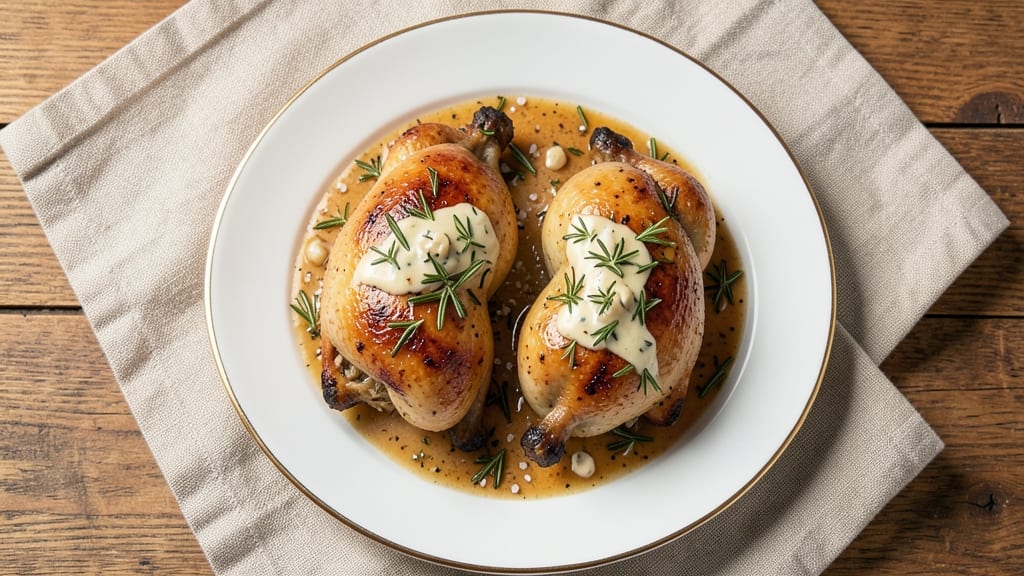
Mastering a baked quail recipe with herb butter crust and juicy pink centers transforms a simple bird into a restaurant-worthy centerpiece. The secret lies in precise seasoning and gentle baking—no drying out, just tender meat that practically melts in your mouth.
I've perfected this method over years of testing, ensuring every bite delivers that perfect balance of flavor and texture.
This recipe starts with a flavorful herb butter crust that seals in moisture while adding aromatic depth. Quail cooks quickly, so timing is everything—just 20 minutes in a 400°F oven yields perfectly juicy results.
The herb butter isn't just decorative; it's the foundation of flavor that carries through every bite, creating a golden, crisp exterior that contrasts beautifully with the tender interior.
What you'll achieve is a platter-worthy dish with crisp edges and succulent centers, ready to serve with complementary sides like roasted vegetables or a bright citrus salad.
The technique is straightforward but requires attention to detail—no shortcuts here, just professional results. This recipe proves that elegant dining doesn't require complicated methods, just precise execution.
Perfect for special occasions or weeknight dinners when you want to impress without stress. The method scales easily for larger gatherings, and leftovers reheat beautifully. Let's get started on creating your most impressive quail yet—one that will have your guests asking for the recipe.
Ingredients for baked quail
Four whole quail, aromatic herbs, and precise seasoning create restaurant-quality results at home.
| Ingredient | Amount | Notes |
|---|---|---|
| Fresh Quail 🦆 | 4 whole | Bone-in, skin-on, approximately 12 oz each |
| Unsalted Butter 🧈 | ½ cup | Cold, cut into 1-inch cubes |
| Fresh Thyme Leaves 🌿 | ¼ cup | Finely chopped, stems removed |
| Fresh Rosemary 🌿 | ¼ cup | Finely chopped, needle-like leaves |
| Garlic Cloves 🧄 | 4 cloves | Minced, for herb butter |
| Diamond Crystal Kosher Salt 🧂 | 1 tsp | Fine grain preferred |
| Freshly Ground Black Pepper 🌶️ | ½ tsp | Cracked peppercorns preferred |
| Extra-Virgin Olive Oil 🫒 | 1 tbsp | For cavity brushing |
| Fresh Lemon Juice 🍋 | 1 tbsp | From organic lemons |
| All-Purpose Flour 🌾 | 2 tbsp | For dusting birds |
| Fresh Parsley Leaves 🌿 | ⅛ cup | Chopped, for garnish |
The quail selection is critical—bone-in, skin-on birds yield the most flavor and moisture. Source from a specialty butcher or high-end grocer like Whole Foods or Balducci's, where they're often sold pre-plucked and ready to cook. Look for birds with vibrant pinkish skin and minimal bruising; avoid any with yellowing or discoloration. The herb butter crust requires cold butter cut into uniform cubes—this ensures proper emulsification with the herbs. For the fresh herbs, organic varieties from a trusted farmers market provide superior flavor intensity compared to conventional grocery store selections. If you're prepping ahead, store the quail in the coldest part of your fridge, uncovered, for up to 24 hours to enhance flavor through drying.
Substitutions should preserve the dish's delicate balance. For the herbs, dried thyme and rosemary at one-third the amount work in a pinch, though fresh is ideal. If you lack fresh parsley for garnish, cilantro or chives provide a similar visual appeal. The olive oil can be swapped for avocado oil, though it lacks the fruity depth. For those avoiding gluten, omit the flour entirely—it's purely for dusting. The lemon juice can be replaced with white wine vinegar at half the quantity, though it will alter the brightness. When handling quail, use separate cutting boards and utensils to prevent cross-contamination with other poultry. The herb butter mixture can be prepared up to 24 hours ahead and stored in the refrigerator, covered tightly.
Proper storage extends the quail's quality and safety. After cooking, let the birds rest for 5 minutes before serving to allow juices to redistribute. Store leftovers in an airtight container in the refrigerator for up to 3 days, though they reheat best when consumed within 24 hours. For longer storage, freeze cooked quail for up to 3 months—wrap each bird individually in plastic wrap before placing in a freezer bag. When reheating, use a low oven temperature (300°F) for 10-15 minutes to prevent drying. The herb butter crust reheats beautifully, maintaining its crisp texture when warmed gently. For presentation, serve on a pre-warmed platter with the lemon wedges and fresh herbs arranged artistically around the quail.
Why You'll Love This Recipe
- Same recipe, two vibes: toss it together for a lazy Tuesday or dress it up with a drizzle of honey for a dinner party. My in-laws think it’s fancy; my kids just think it’s “the good bird.”
- Foolproof Timing: I swear by this recipe when I need dinner on the table fast—just 25 minutes in the oven, no fuss. The quail stays juicy while the butter and herbs crisp up, and honestly? That’s my kind of magic.
- Herb-Packed Magic: Between the rosemary’s piney punch and thyme’s earthy warmth, every bite feels like a hug. The garlic cloves roast into sweetness, cutting through the quail’s richness—it’s the kind of flavor that lingers.
- Weeknight or Guest Night: Same recipe, two vibes: toss it together for a lazy Tuesday or dress it up with a drizzle of honey for a dinner party. My in-laws think it’s fancy; my kids just think it’s “the good bird.”
Step-by-step instructions for baked quail with herb butter crust
Mastering this technique delivers perfectly juicy centers while creating an irresistible golden crust.
Prepare the Herb Butter Mixture
In a medium bowl, combine the 0.5 cup unsalted butter with the 0.25 cup fresh thyme leaves, 0.25 cup fresh rosemary, and 4 cloves minced garlic cloves. I use a fork to mash the butter into the herbs until you achieve a coarse paste with visible green flecks of rosemary and thyme. This ensures even distribution of flavor throughout the crust.
Add the 1 tsp diamond crystal kosher salt and 0.5 tsp freshly ground black pepper to the mixture, stirring until fully incorporated. The butter should soften slightly from handling, making it easier to spread later. Cover the bowl and refrigerate while you prepare the quail—this keeps the herb butter firm enough to adhere properly to the skin.
Season and Coat the Quail
Remove the quail from the refrigerator and let them sit at room temperature for 15 minutes to ensure even cooking. Pat each bird dry with paper towels, focusing on the cavity and under the wings where moisture tends to accumulate. This step is critical for achieving that crisp, golden crust.
Lightly dust the quail with the 2 tbsp all-purpose flour, shaking off any excess. This creates a delicate barrier that helps the herb butter adhere and promotes browning. Using your fingers, gently press the chilled herb butter mixture into the skin of each quail, covering every surface. The butter should melt slightly from the warmth of your hands, creating a flavorful seal.
Bake to Juicy Perfection
Preheat your oven to 375°F and position a rack in the center position. Place the quail on a parchment-lined baking sheet, skin-side up. Brush each bird with 1 tbsp extra-virgin olive oil and 1 tbsp fresh lemon juice, focusing on the exposed skin areas. This adds brightness and helps prevent the crust from becoming too dry.
Bake for 25-30 minutes, until the skin is deep golden brown and crisp to the touch. The internal temperature should reach 165°F when measured at the thickest part of the thigh. Here's the thing—don't overbake. Quail cook quickly, and once they're done, they continue cooking slightly from residual heat. Remove them from the oven when the crust is perfect but the centers still hold their shape.
Rest and Serve
Transfer the quail to a wire rack and let them rest for 5 minutes before serving. This brief resting period allows the juices to redistribute, ensuring each bite delivers maximum moisture. The skin will remain crisp while the meat stays tender and juicy—exactly what we're after.
Garnish each quail with 0.125 cup chopped fresh parsley leaves just before serving. The parsley adds a fresh contrast to the rich herb butter crust and brightens the presentation. Serve immediately with complementary sides like roasted vegetables or a simple salad to balance the richness of the quail.
Pro Tips For Making Baked Quail
- Preheat Like It’s Hot: Quail cook fast—400°F (200°C) is your sweet spot. I used to skip this and ended up with uneven doneness, so preheat the oven for 10 minutes while you prep. Trust me, those little birds need that blast of heat to render fat and crisp properly.
- Dry the Skin Well: Pat those quail thoroughly with paper towels—especially under the skin. I learned this the hard way when my first batch turned out soggy instead of golden. Wet skin = steam = sad texture.
- Stuff the Cavity Right: Don’t just toss herbs inside—make a little nest. Mix minced garlic, thyme, and rosemary with a pat of softened butter, then spoon it into the cavity. This guarantees flavor hits every bite, not just the outside.
- Baste with Butter: Every 10 minutes, spoon melted butter over the quail. Yes, it’s extra work, but it keeps the meat juicy and adds a rich, herby sheen. Skip this, and you’ll get dry, flavorless birds—no one wants that.
Regional styles of baked quail
French Provençal Style
In Provence, quail is often prepared with a focus on fresh herbs and citrus. For this variation, I add 2 tbsp finely chopped tarragon and 1 tbsp grated lemon zest to the herb butter mixture. The tarragon brings an anise-like sweetness that pairs beautifully with the quail's natural flavor.
After baking, serve with a sauce gribiche—a French relish made with hard-boiled eggs, cornichons, capers, and Dijon mustard. This adds a tangy, briny contrast that elevates the dish to restaurant-quality. 🌿
Italian Lemon-Herb Crust
For an Italian twist, I swap the rosemary for 0.25 cup fresh oregano and add 1 tbsp grated lemon zest to the herb butter. The oregano's earthy notes complement the quail's delicate flavor, while the lemon zest adds a bright, citrusy kick.
After baking, finish each quail with a drizzle of reduced white wine sauce (simmer ½ cup dry white wine with 1 tbsp butter and 1 tsp lemon juice until reduced by half). This technique is inspired by Roman cuisine, where lemon and herbs are staples for poultry dishes. 🍋
Spanish Romesco Sauce
In Spain, quail is often served with a rich, nutty romesco sauce that balances the bird's tenderness.
Prepare the sauce by blending 1 roasted red bell pepper, 2 tbsp almonds, 1 garlic clove, 1 tbsp sherry vinegar, 2 tbsp olive oil, and ½ tsp smoked paprika until smooth. After baking the quail, serve with the romesco sauce spooned generously on top.
The sauce's smoky, nutty depth contrasts perfectly with the herb butter crust, making this a standout dish for special occasions. 🌶️
Moroccan Harissa Glaze
For a bold, spicy variation, I incorporate 1 tbsp harissa paste into the herb butter mixture, along with 1 tsp ground cumin and ½ tsp ground coriander. The harissa adds a fiery kick that's balanced by the richness of the butter.
After baking, brush the quail with a glaze made by reducing 2 tbsp honey with 1 tbsp apple cider vinegar until syrupy. This North African-inspired dish delivers a perfect balance of heat and sweetness, making it a showstopper for adventurous eaters. 🔥
Mediterranean Olive Oil Finish
In Mediterranean coastal regions, quail is often finished with a drizzle of high-quality extra-virgin olive oil infused with herbs. After baking, I drizzle each quail with 1 tbsp infused olive oil (steep 1 tbsp fresh rosemary and 1 garlic clove in ½ cup olive oil for 30 minutes before straining).
This adds a luxurious finish that highlights the natural flavors of the quail. Serve with a side of roasted Mediterranean vegetables, such as zucchini, eggplant, and bell peppers, for a well-rounded meal. 🫒
Nutrition facts
Frequently asked questions
Can I use frozen quail for this recipe?
Fresh quail yields the best results, but if you must use frozen, thaw them completely in the refrigerator overnight. Never thaw at room temperature, as this promotes bacterial growth. Pat the quail thoroughly dry before seasoning—the extra moisture from thawing can prevent the herb butter crust from crisping properly.
How do I adjust the recipe for larger quail?
Larger quail (over 16 oz) need 5-7 extra minutes in the oven. Increase baking time gradually and check the internal temperature with a meat thermometer—it should reach 165°F at the thickest part. The herb butter mixture may need 1 extra tablespoon of butter per bird to maintain coverage.
Why did my quail turn out dry?
Overbaking is the most common cause. Quail cook faster than chickens—they're done when the crust is golden and the thickest part reaches 165°F. Let them rest 5 minutes before serving to retain juices. For extra moisture, brush the skin with 1 tbsp olive oil before baking, or reduce oven temperature to 350°F for 30-35 minutes.
What sides pair best with baked quail?
Light, bright sides complement the rich herb butter crust. Try roasted asparagus with lemon zest, sautéed spinach with garlic, or a mixed greens salad with citrus vinaigrette. For heartier meals, serve with wild rice pilaf or roasted fingerling potatoes. The key is balancing textures—crispy, creamy, or fresh all work beautifully.
Can I make this recipe ahead of time?
Yes! Prepare the herb butter mixture up to 24 hours ahead and store it chilled. Assemble the quail (coated but unbaked) and refrigerate for up to 4 hours before baking. For a make-ahead meal, bake the quail, let cool, then refrigerate for up to 3 days. Reheat gently in a 300°F oven for 10 minutes to maintain crispness.