
Main Courses
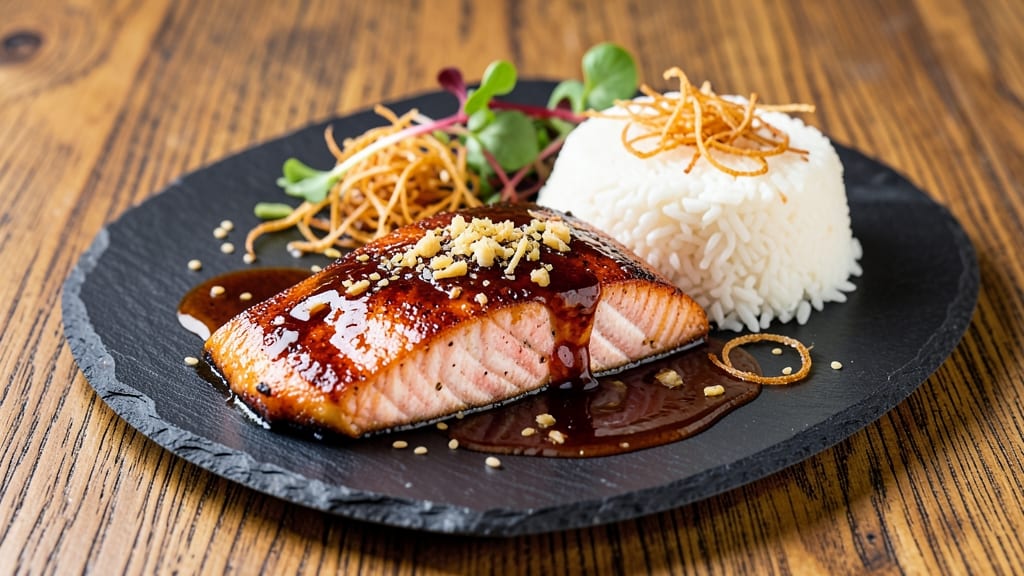
Mastering baked salmon with teriyaki glaze transforms simple weeknight dinners into restaurant-worthy meals. The secret lies in achieving that sticky-sweet caramelized glaze that clings perfectly to the salmon's surface while keeping the flesh tender and flaky inside.
I've perfected this technique after years of testing—no more dry salmon or overly sweet glazes that overpower the natural flavor.
This recipe delivers foolproof results with just six key ingredients: fresh salmon fillets, a balanced teriyaki glaze made from soy sauce, honey, and ginger, plus a touch of cornstarch for that signature gloss.
The salmon bakes at 400°F for just 12-15 minutes, ensuring it stays moist while the glaze develops that perfect caramelized finish. The beauty of this method is its simplicity—no complicated marinating or last-minute basting required.
What you'll end up with is golden, glistening salmon with a glaze that's rich yet not cloying, sweet yet balanced by the umami depth of the teriyaki. Each bite delivers perfectly caramelized edges that give way to tender, buttery salmon underneath.
The aroma alone will have everyone gathered at your table, and the presentation is elegant enough for special occasions but quick enough for any night.
Pair with steamed vegetables or jasmine rice to complete the meal. The glaze works equally well as a dipping sauce for extra flavor. Let's get started—your salmon is about to become the star of the dinner table.
Ingredients for baked salmon with teriyaki glaze
Six essential ingredients transform simple salmon into restaurant-quality teriyaki perfection.
| Ingredient | Amount | Notes |
|---|---|---|
| Center-Cut Salmon Fillets 🐟 | 4 pieces | Skin-on, 6-8 oz each, patted dry |
| Low-Sodium Soy Sauce 🍶 | ½ cup | For balanced umami depth |
| Honey 🍯 | ¼ cup | Wildflower preferred for complexity |
| Fresh Ginger 🌿 | 2 tbsp | Finely grated, aromatic |
| Cornstarch 🌾 | 1 tbsp | For glossy caramelization |
| Sesame Oil 🫒 | 1 tbsp | Toasted, for nutty aroma |
| Garlic Cloves 🧄 | 3 cloves | Minced, aromatic foundation |
| Avocado Oil 🫒 | 1 tbsp | High smoke point for baking |
| Diamond Crystal Kosher Salt 🧂 | ½ tsp | Fine grain for even seasoning |
| Freshly Ground Black Pepper 🌶️ | ¼ tsp | Cracked peppercorns preferred |
| Lemon Zest 🍋 | 1 tsp | Bright citrus finish |
The salmon fillets are non-negotiable—center-cut ensures even cooking and optimal texture. Local seafood markets often carry superior quality, but Wild Alaskan or sustainable brands from Whole Foods are excellent alternatives. Skin-on fillets create a natural barrier that prevents overcooking, while the 6-8 oz size ensures perfect portions. Pat drying the fillets before baking is critical—it promotes better glaze adhesion and prevents steaming. For best results, purchase fillets the day you plan to cook them, as freshness directly impacts texture and flavor development.
Substitutions should preserve the teriyaki's balanced profile. Tamari can replace soy sauce for gluten-free adaptation, though the flavor will differ slightly. Honey can be swapped for maple syrup or agave nectar, though honey's floral notes complement the dish uniquely. If fresh ginger isn't available, ground ginger at half the amount works in a pinch, though it lacks the same aromatic complexity. For the cornstarch, arrowroot powder provides a similar gloss. The sesame oil is optional but adds depth—toasted sesame seeds sprinkled on top offer a comparable nutty aroma. Garlic can be omitted entirely for those sensitive to its flavor, though it serves as a crucial aromatic base.
Proper storage maximizes freshness and flavor. Salmon should be used within 2 days of purchase for optimal texture, though it can be refrigerated for up to 3 days if wrapped tightly in parchment paper. The teriyaki glaze components (soy sauce, honey, ginger) maintain quality for 6 months when stored in airtight containers. Pre-mixed glaze without cornstarch keeps for 1 week in the refrigerator. For meal prep, bake the salmon and store it with the glaze separately—reheat gently with a splash of water to restore moisture, then drizzle with reserved glaze before serving. The glaze also freezes beautifully for up to 3 months, making it ideal for batch cooking.
Why You'll Love This Recipe
- One-Pan Magic: I swear by this recipe because it’s that easy—just toss the salmon and glaze on a sheet pan, pop it in the oven, and walk away. No fussing with saucepans or sticky messes, just hands-off perfection.
- Sweet-Savory Balance: That honey-soy glaze? It’s the star. The ginger adds a zing, the honey caramelizes just enough to make it sticky and irresistible, and the cornstarch keeps the salmon tender without falling apart. (Yes, even my picky husband asks for seconds.)
- Meal Prep Hero: Honestly, this is my go-to for busy weeks. Bake a batch on Sunday, store the leftovers, and reheat with a splash of water—still juicy, still delicious. It’s the kind of dish that makes Tuesday dinners feel like a treat.
- Budget-Friendly Luxury: Fresh salmon can feel fancy, but this recipe stretches it. The glaze is cheap to make, and a single fillet feels indulgent without breaking the bank. Plus, the leftovers freeze beautifully—no waste, all flavor.
Step-by-step instructions for baked salmon with teriyaki glaze
Master the art of caramelization with this precise method for restaurant-quality teriyaki salmon.
Prepare the Teriyaki Glaze Base
In a medium saucepan, combine the 0.5 cup low-sodium soy sauce, 0.25 cup honey, 2 tbsp freshly grated ginger, and 3 minced garlic cloves. Bring to a gentle simmer over medium heat, stirring constantly to prevent scorching. The mixture should reduce by about one-third—approximately 8-10 minutes—until it thickens slightly and coats the back of a spoon.
I've found that using wildflower honey here adds subtle floral notes that complement the salmon beautifully. If you notice the mixture thickening too quickly, reduce the heat slightly to maintain even cooking. The goal is to develop deep umami flavors without burning the delicate ginger and garlic aromatics.
Thicken and Finish the Glaze
Remove the saucepan from heat and whisk in the 1 tbsp cornstarch and 1 tbsp toasted sesame oil. Return to low heat and stir continuously for 2-3 minutes until the glaze reaches a glossy, syrupy consistency that clings to the back of a spoon. This step is critical for achieving that signature sticky-sweet glaze that caramelizes perfectly on the salmon.
Taste and adjust seasoning with 0.5 tsp diamond crystal kosher salt and 0.25 tsp freshly ground black pepper, then stir in the 1 tsp lemon zest. The acidity from the zest brightens the rich teriyaki flavors and balances the sweetness. Let the glaze cool slightly—it will thicken further as it sits, which is exactly what we want for that perfect caramelized finish.
Season and Prep the Salmon
Preheat your oven to 400°F and line a baking sheet with parchment paper. Pat the 4 center-cut salmon fillets completely dry with paper towels—this is essential for achieving crispy skin. Place each fillet skin-side down on the prepared baking sheet and lightly brush both sides with 1 tbsp avocado oil. Season immediately with a pinch of diamond crystal kosher salt and freshly ground black pepper.
I like to arrange the fillets in a single layer with about 1 inch between each piece. This spacing prevents them from steaming and allows the hot air to circulate evenly, ensuring consistent browning. The oil helps create a barrier between the fish and the baking sheet, preventing sticking and promoting that beautiful caramelization.
Bake and Glaze the Salmon
Bake the salmon for 12-14 minutes until the edges begin to turn opaque and the internal temperature reaches 135°F when measured with an instant-read thermometer. The skin should be golden brown and crispy, while the flesh remains tender and moist. Remove the salmon from the oven and carefully transfer it to a serving platter.
Immediately spoon the cooled teriyaki glaze evenly over the top of each fillet, allowing it to pool slightly in the center. Return the salmon to the oven for 2-3 minutes to let the glaze caramelize and form that glossy, sticky finish. Watch closely during this final step—the glaze should bubble gently and develop a deep amber color.
Rest and Serve with Precision
Remove the salmon from the oven and let it rest for 3-5 minutes before serving. This brief resting period allows the juices to redistribute throughout the fillets, ensuring each bite is perfectly moist. The teriyaki glaze will continue to thicken slightly as it cools, creating that ideal balance of sweet, savory, and umami flavors.
Serve immediately with steamed vegetables or a simple side salad to complement the rich, caramelized salmon. The contrast of bright greens or crisp asparagus enhances the depth of the teriyaki flavors, making each bite a harmonious experience. This method guarantees a perfectly caramelized, sticky-sweet glaze every time—no guesswork, just precision cooking.
Pro Tips For Making Baked Salmon With Teriyaki Glaze
- PAT THE SALMON DRY: I learned this the hard way—wet skin means a sad, steamed salmon instead of crispy edges. Grab paper towels and press firmly all over the fillets before baking. The teriyaki glaze will stick better, and you’ll get that golden crust we’re all after.
- SIMMER THE GLaze LOW: After burning three batches of glaze, I finally figured out: low heat is your friend. Simmer the soy sauce, honey, and ginger on medium-low for 5-7 minutes—just until it thickens slightly. If you crank it up, you’ll end up with a bitter, caramelized mess instead of a glossy, sticky sauce.
- SKIP THE RAW CORNSTARCH: Sounds weird, but it works: mix the cornstarch with a splash of cold water first, then stir it into the simmering glaze. Adding it dry clumps like a stubborn kid at dinner, and you’ll end up with a lumpy sauce. A 1:1 ratio (1 tbsp cornstarch to 1 tbsp water) does the trick every time.
- BAKE AT 375°F, NOT 400°F: Center-cut salmon is forgiving, but 400°F turns it rubbery faster than you can say "overcooked." Stick to 375°F for 12-15 minutes—until the internal temp hits 130°F (it’ll keep cooking off the heat). The teriyaki glaze will caramelize beautifully without drying out the fish.
Regional styles of this baked salmon with teriyaki glaze
Japanese Home-Style
In Japan, this dish is often called teriyaki salmon and is a staple in home cooking. The key difference is the glaze's balance—Japanese chefs use less honey (just 2 tbsp) and more mirin (1 tbsp) to create a subtler sweetness.
I recommend using Kikkoman soy sauce and Hirata mirin for authentic flavor. The salmon is typically baked at 375°F for 10-12 minutes to achieve a delicate texture. Serve with steamed rice and tsukemono (pickled vegetables) for a complete bento-box meal. 🗺️
Hawaiian Fusion Twist
Hawaii blends teriyaki with tropical flavors by adding 1 tbsp pineapple juice and ½ tsp smoked paprika to the glaze. Use wild-caught Hawaiian salmon for extra richness, and bake at 400°F for 12 minutes.
Garnish with toasted coconut flakes and fresh mango slices for a vibrant presentation. This version pairs perfectly with garlic butter shrimp and grilled pineapple skewers for a luau-inspired feast. 🌺
Korean-Inspired Tangy Glaze
For a Korean-inspired take, replace half the soy sauce with gochujang (¼ cup) and add 1 tbsp rice vinegar to the glaze. The result is a sweet-spicy-savory profile that complements the salmon beautifully.
Bake the salmon at 390°F for 14 minutes and finish with a sprinkle of toasted sesame seeds and thinly sliced green onions. Serve with kimchi and steamed short-grain rice for a bold, flavorful meal. 🌶️
West Coast Modern Adaptation
Chefs in California and Oregon often elevate this dish with local ingredients like wild blackberry jam (replacing honey) and infused olive oil (using rosemary or thyme).
The glaze is reduced longer for a deeper caramelization, and the salmon is finished under the broiler for 2 minutes to create a crispy crust. Garnish with microgreens and edible flowers for a restaurant-worthy presentation. Pair with avocado salsa and quinoa pilaf for a modern, health-conscious twist. 🌿
Asian Street Food Style
For a quick, restaurant-style version, use store-bought teriyaki sauce (like Kikkoman Teriyaki Marinade) and brush it on the salmon in the last 5 minutes of baking. Add a pinch of five-spice powder to the glaze for warmth.
Serve on steamed buns or over rice noodles for a handheld meal. This version is perfect for weeknight dinners or lunchboxes—just pack with cucumber slices and pickled ginger for balance. 🍱
Nutrition facts
Frequently asked questions
Can I use frozen salmon for this recipe?
Yes, but thaw it properly first! Place frozen salmon in the refrigerator overnight (about 12-24 hours) for even cooking. Never thaw at room temperature, as this promotes bacterial growth. Pat the fillets completely dry before seasoning and baking to ensure crispy skin and proper glaze adhesion.
How do I prevent the teriyaki glaze from becoming too sweet?
Balance the sweetness by adding more soy sauce or a splash of rice vinegar (1 tsp) to the glaze. The cornstarch helps control thickness, so reduce it to ½ tbsp if you prefer a lighter finish. Taste the glaze before applying—it should complement, not overpower, the salmon's natural flavor.
What's the best way to reheat leftovers?
Reheat gently in a skillet over low heat for 2-3 minutes per side, adding a splash of water to prevent drying. Alternatively, warm in the oven at 300°F for 5-7 minutes with a damp paper towel over the salmon. Always drizzle with reserved glaze to restore moisture and shine.
Can I make this recipe in a slow cooker?
Not ideal for salmon—it needs precise timing to stay moist. However, you can use the teriyaki glaze as a marinade for 1-2 hours before baking at 400°F for 10-12 minutes. For a slow-cooked alternative, try poaching the salmon in the glaze over low heat for 8-10 minutes instead.
What if my salmon skin doesn't crisp up?
Pat the fillets extra dry before baking and ensure they're skin-side down. Bake on the middle rack for even heat circulation. If the skin still doesn't crisp, broil for 1-2 minutes at the end (watch closely to avoid burning). Using a well-seasoned baking sheet also helps prevent sticking.