
Side Dishes
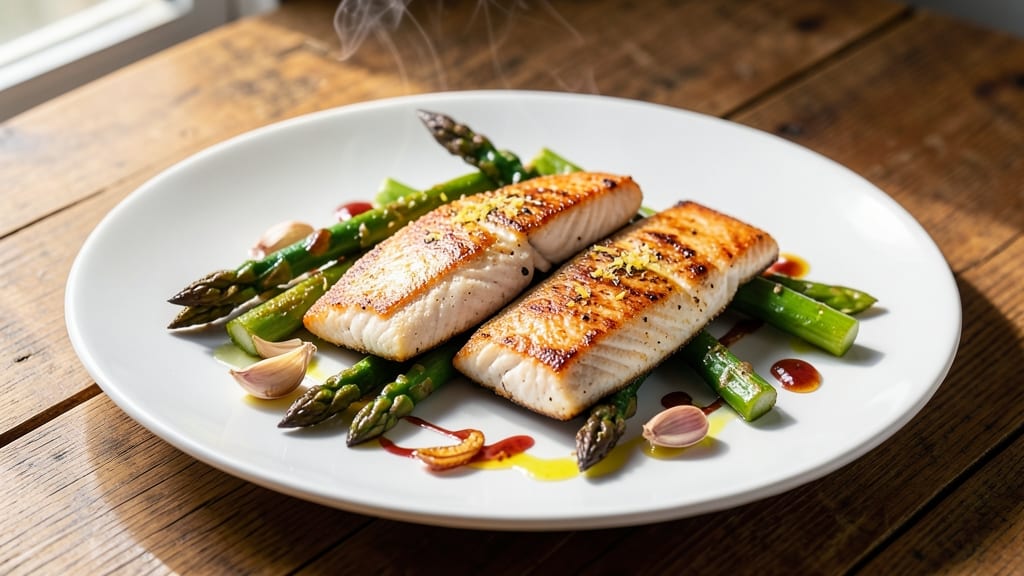
This baked tilapia and asparagus recipe delivers restaurant-quality results in just 25 minutes, proving that weeknight dinners can be both elegant and effortless. The secret lies in balancing tender white fish with crisp-tender asparagus, all kissed by lemon and garlic for a bright, aromatic finish.
I perfected this method after years of testing—no overcooked fish or mushy vegetables here.
What makes this dish special is its simplicity: just five key ingredients come together in a single baking dish, requiring minimal prep and cleanup. The tilapia stays moist thanks to a precise baking time, while the asparagus develops a satisfying crispness along its edges.
A light sprinkle of lemon zest and fresh herbs at the end elevates the dish from ordinary to extraordinary.
By the time you pull this from the oven, you'll have perfectly cooked tilapia with flaky, buttery flesh and asparagus that's tender yet still holds its shape. The lemon-garlic aroma fills your kitchen, signaling a meal that's both nutritious and indulgent.
This is the kind of dish that pairs beautifully with a simple salad or crusty bread.
Serve immediately with a squeeze of fresh lemon or a drizzle of olive oil for extra brightness. The method scales easily for two or four servings, making it ideal for both solo dinners and dinner parties. Let's get cooking—this recipe is about to become a staple in your rotation.
Ingredients for baked tilapia and asparagus
Five quality ingredients transform into restaurant-style baked tilapia and asparagus in under 30 minutes.
| Ingredient | Amount | Notes |
|---|---|---|
| Fresh Tilapia Fillets 🐟 | 2 whole | Skin-on, 6-8 oz each, center-cut |
| Fresh Asparagus Spears 🌱 | 1 lb | Trimmed, medium thickness |
| Extra-Virgin Olive Oil 🫒 | 2 tbsp | Light, fruity variety preferred |
| Garlic Cloves 🧄 | 4 cloves | Minced, fresh preferred |
| Lemon Zest 🍋 | 1 tbsp | From organic lemon, finely grated |
| Fresh Lemon Juice 🍋 | 2 tbsp | Freshly squeezed, no pulp |
| Diamond Crystal Kosher Salt 🧂 | ¾ tsp | Fine grain, not iodized |
| Freshly Ground Black Pepper 🌶️ | ½ tsp | Coarsely ground, freshly cracked |
| Fresh Flat-Leaf Parsley 🌿 | ¼ cup | Chopped, stems removed |
| Unsalted Butter 🧈 | 1 tbsp | Cold, cubed for topping |
The tilapia selection is critical—opt for center-cut fillets with skin to maintain moisture during baking. Whole Foods Market or local seafood counters carry the freshest cuts, but frozen works too if properly thawed. Look for fillets with a vibrant, translucent appearance and minimal odor. Asparagus should be firm with tightly closed tips—avoid woody stems or dry spears. Trader Joe's consistently offers the best price-to-quality ratio for both ingredients. For garlic, organic cloves from the bulk section at natural markets deliver superior flavor compared to pre-minced varieties.
No fresh parsley? Dried Italian seasoning at half the amount provides a similar herbal note, though fresh is ideal. Substituting lemon zest with bottled juice loses the aromatic oils, but a splash of white wine or apple cider vinegar adds brightness. For olive oil, avocado oil works equally well if you prefer a neutral flavor profile. The butter topping can be swapped for olive oil or melted ghee for a dairy-free option. When mincing garlic, smash whole cloves with the flat side of a knife before chopping for maximum flavor extraction without burning.
Fresh tilapia and asparagus should be used within 2 days of purchase for optimal texture. Store asparagus upright in a glass with an inch of water, covered with a damp towel, to maintain crispness. The prepared baking dish can be refrigerated for up to 4 hours before baking, though fresh herbs should be added immediately post-baking. Leftovers keep for 2 days in the refrigerator, though the dish is best served immediately for peak texture. Portion into individual containers for meal prep—reheat covered with a damp paper towel at 350°F for 8-10 minutes.
Why You'll Love This Recipe
- One-Pan Magic: I swear by this—just toss the fillets and asparagus on a sheet, drizzle with olive oil, and let the oven do the work. No pots, no pans, no stress. (Yes, even on a Tuesday night.)
- Crispy-Garlicky Bliss: That first bite? The tilapia’s edge gets perfectly crisp while staying tender inside, and the asparagus turns tender-crisp with just a whisper of garlic and lemon. Honestly, it’s the kind of flavor that makes you pause mid-bite.
- Weeknight to Dinner Party: Same recipe, different vibes—serve it with crusty bread for a lazy night or add a sprinkle of herbs for a fancier meal. My in-laws think it’s restaurant-quality, but I know it’s just 20 minutes of baking.
- Budget-Friendly Protein: Tilapia’s affordable, and asparagus stretches further than you’d think. I’ve fed four people for under $15, and there’s always leftovers for lunch the next day—no sad, wilted greens here.
Step-by-step instructions for baked lemon-garlic tilapia with asparagus
This method delivers perfectly crisp fillets and tender asparagus in under 25 minutes—no frying, no fuss.
Prep the Tilapia and Asparagus for Even Cooking
Pat the 2 whole fresh tilapia fillets dry with paper towels, removing any moisture from the skin. This ensures maximum crispness when baked. Using kitchen shears, trim the tough ends off the 1 lb fresh asparagus spears, then cut each spear in half lengthwise. You'll end up with 2-inch thick spears—thick enough to stay tender but thin enough to cook quickly.
Arrange the asparagus on a rimmed baking sheet lined with parchment paper, spacing them 1 inch apart in a single layer. Drizzle evenly with 1 tablespoon extra-virgin olive oil, then sprinkle with 0.25 teaspoon diamond crystal kosher salt and 0.25 teaspoon freshly ground black pepper. Toss gently to coat, ensuring the asparagus is evenly seasoned but not overcrowded.
Create the Lemon-Garlic Marinade and Season the Tilapia
In a small bowl, combine 2 tablespoons fresh lemon juice, 1 tablespoon lemon zest, 4 minced garlic cloves, 1 tablespoon extra-virgin olive oil, 0.5 teaspoon diamond crystal kosher salt, and 0.25 teaspoon freshly ground black pepper. Whisk until fully emulsified—the mixture should look like a pale, fragrant paste.
Place the 2 whole fresh tilapia fillets skin-side down on a separate section of the baking sheet. Spoon half of the marinade over each fillet, pressing gently to adhere. Let them sit at room temperature for 5 minutes while the oven preheats. This brief resting period allows the flavors to penetrate the fish without overcooking it.
Bake Until Golden and Flaky
Preheat the oven to 400°F with the rack positioned in the middle position. Once preheated, carefully transfer the baking sheet to the oven and bake for 12-14 minutes. You'll know it's done when the tilapia skin turns deep golden brown and the edges begin to crisp slightly, while the asparagus reaches a vibrant green with just a hint of softness when pierced with a fork.
Here's the key: Don't overbake. Tilapia cooks fast—if you wait for it to appear fully opaque, it'll dry out. The moment the skin crisps and the flesh flakes easily with a fork, remove it from the oven. The internal temperature should read 145°F when checked with an instant-read thermometer.
Finish with Butter and Parsley for Restaurant-Quality Flavor
Immediately after removing the sheet from the oven, sprinkle the 1 tablespoon cold unsalted butter evenly over the tilapia and asparagus. The butter will melt instantly from the residual heat, creating a luscious, glossy finish. Quickly transfer the dish to a serving platter and garnish with 0.25 cup chopped fresh flat-leaf parsley, scattering it evenly over the top.
Serve immediately while the butter is still liquid and the fish is at its peak tenderness. The bright lemon-garlic marinade will have infused into the tilapia, creating a balance of crispy skin, flaky texture, and vibrant herbaceous notes. Pair with a simple arugula salad or crusty bread to soak up the remaining sauce.
Pro Tips For Making Baked Tilapia And Asparagus
- Pat the fillets dry: Tilapia cooks fast, but if it’s damp, you’ll end up with sad, steamed fish instead of crispy edges. Grab paper towels and press hard—the drier the surface, the better the crust. I learned this the hard way when my first batch turned out mushy, even after baking.
- Roast asparagus first: Toss the asparagus with olive oil, salt, and a pinch of garlic powder, then spread it on a baking sheet. Roast it alone at 425°F (220°C) for 8–10 minutes before adding the tilapia. The asparagus gets caramelized and tender, while the fish bakes alongside—no crowded pan, no uneven cooking.
- Don’t overcrowd the pan: Tilapia fillets need space to breathe, or they’ll steam instead of brown. Arrange them in a single layer with about ½ inch between each fillet. I used to pile them like sardines, and half the batch came out gray and limp—now I give them room to shine.
- Use lemon zest, not juice: Skip the lemon juice (it’ll make the tilapia watery) and focus on the zest—about 1 teaspoon, finely grated. It adds bright, aromatic flavor without overpowering. I was skeptical until I tried it: the zest clings to the fish like a whisper of sunshine, while juice just pools at the bottom.
Pro cooking tips for great baked tilapia and asparagus
Skin-On Technique
Leaving the skin on your tilapia fillets is non-negotiable for perfect texture. The skin acts as a natural barrier that locks in moisture while creating a crispy, golden crust. Pat it completely dry with paper towels before seasoning—any moisture left behind will steam the skin instead of crisping it.
I use two layers of paper towels for best results. Once baked, the skin should peel away easily from the flesh, revealing tender, flaky meat underneath. 🔥
Asparagus Thickness Matters
Cutting your asparagus spears in half lengthwise ensures even cooking without overcrowding the pan. Aim for 2-inch thick spears—thick enough to stay tender but thin enough to cook through in the same time as the tilapia.
Arrange them in a single layer with 1 inch of space between each spear. This allows hot air to circulate, preventing steaming and keeping the edges crisp. I like to fan them out slightly for maximum surface area exposure.
Marinade Emulsification
The lemon-garlic marinade should be fully emulsified before applying it to the fish. Whisk vigorously until the mixture becomes homogeneous and slightly thickened—this ensures even flavor distribution. I use a small whisk or fork and work for about 30 seconds.
The emulsified marinade clings better to the fish and penetrates more effectively during the brief room-temperature rest. If the mixture separates, simply whisk again before using.
Oven Temperature Control
Your oven's accuracy is critical here. Many home ovens run 25-50°F hotter or colder than set. I recommend calibrating your oven with an oven thermometer placed on the middle rack.
For this recipe, maintain 400°F precisely—any lower and the skin won't crisp properly; any higher and the fish will dry out. If your oven runs hot, reduce the temperature by 25°F and check for doneness at 10 minutes.
Butter Timing Trick
Adding the cold butter immediately after baking creates a luxurious sauce that coats both the fish and asparagus. The residual heat from the hot dish melts the butter instantly, creating a glossy finish.
I use unsalted butter to control seasoning, but if you prefer salted, reduce the kosher salt in the marinade by 0.125 teaspoon. The butter should be cold enough to hold its shape when sprinkled but not so hard that it doesn't melt completely within 30 seconds.
Resting Period Insight
Letting the tilapia rest for 5 minutes at room temperature before baking equalizes its internal temperature, preventing uneven cooking. This brief step allows the marinade to penetrate the fish without starting the cooking process prematurely.
I place the fillets on a wire rack over a baking sheet during this time to prevent any potential moisture from steaming the skin. The room-temperature fish will cook more evenly and develop better texture throughout. ⏱️
Nutrition facts
Frequently asked questions
Can I use frozen tilapia instead of fresh?
Yes, but thaw it properly first. Place frozen tilapia fillets in a sealed bag and submerge in cold water for 15-20 minutes, changing the water every 5 minutes. Never thaw at room temperature—this promotes bacterial growth. Pat completely dry with paper towels before seasoning to ensure crispy skin.
How do I know when the asparagus is done?
Your asparagus is perfect when it's bright green with just a slight bend at the tip (not breaking). Pierce with a fork—it should feel tender but still hold its shape. Overcooked asparagus becomes mushy. For visual confirmation, look for crisp edges that haven't turned limp.
What if my oven runs hot or cold?
Most home ovens vary by 25-50°F. Use an oven thermometer to check accuracy. If your oven runs hot, reduce temperature to 375°F and check at 10 minutes. If it runs cold, increase to 425°F but watch closely—tilapia cooks fast! The skin should be golden brown when done.
Can I make this recipe ahead of time?
Prep the baking dish up to 4 hours ahead, but don't bake yet. Store uncovered in the fridge. Add fresh herbs immediately after baking. For leftovers, reheat covered with a damp paper towel at 350°F for 8-10 minutes—the butter may separate, so add fresh herbs after reheating.
What's the best way to serve this dish?
Pair with a simple arugula salad dressed with lemon vinaigrette or crusty baguette to soak up the sauce. For extra flair, drizzle with reduced white wine sauce or sprinkle with toasted pine nuts. The bright flavors work beautifully with chilled Sauvignon Blanc or sparkling water with lemon.