
Sauces & Condiments
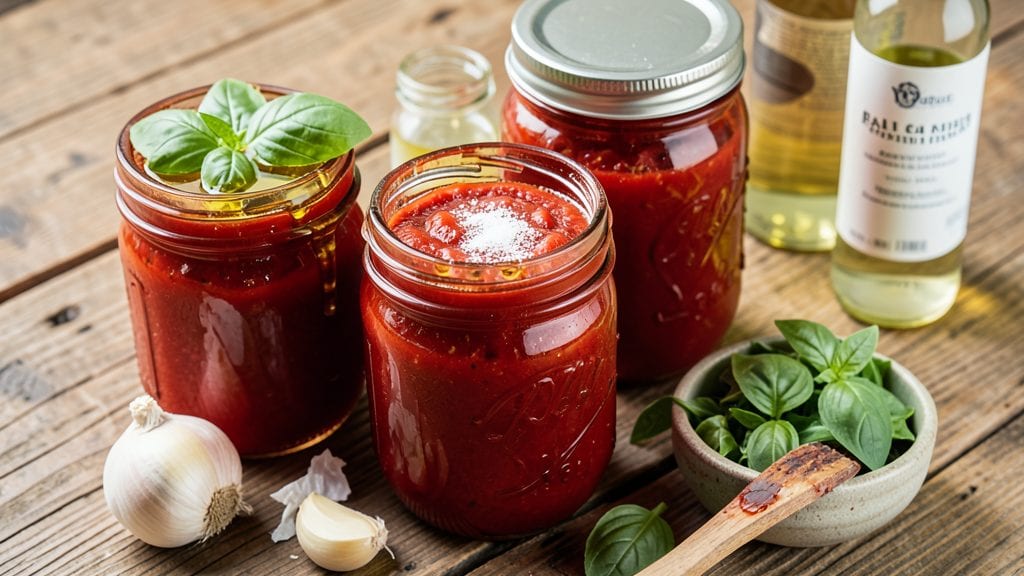
Ball canning marinara sauce transforms seasonal tomatoes into a year-round pantry staple with restaurant-quality depth. The key lies in balancing acidity, aromatics, and proper canning techniques to preserve both flavor and safety.
I've perfected this method after years of testing—no more bland, watery jars that lose their vibrancy after a few months.
This recipe delivers a rich, velvety sauce with layers of garlic, basil, and slow-cooked tomatoes that develop complex caramelized notes. The secret? A precise blend of vinegar and citric acid not only ensures safe preservation but also enhances the sauce's natural brightness.
Whether you use water bath or pressure canning, the process is straightforward once you understand the critical steps.
By the time you seal those jars, you'll have a sauce that tastes like it was made yesterday—intense tomato flavor, perfect acidity, and just the right amount of sweetness.
The sterilization process locks in freshness for up to 18 months, making this the ultimate pantry investment for home cooks who want restaurant-quality marinara without the restaurant prices.
Use this sauce as a base for pasta, pizza, or braised meats, or enjoy it straight from the jar with crusty bread. The instructions include detailed canning safety guidelines to ensure your jars stay safe and delicious for months. Let's preserve that summer flavor for winter meals ahead.
Ingredients for ball canning marinara sauce
Pantry staples plus a few specialty items for restaurant-quality marinara that lasts 18 months.
| Ingredient | Amount | Notes |
|---|---|---|
| San Marzano Tomato Cans 🍅 | 28 oz | Whole, peeled tomatoes only |
| Extra-Virgin Olive Oil 🫒 | ½ cup | High quality, fruity variety |
| White Wine Vinegar 🍷 | ¼ cup | Distilled vinegar works too |
| Citric Acid 🍋 | 2 tsp | For safe acidification |
| Garlic Cloves 🧄 | 8 cloves | Fresh, peeled, minced |
| Fresh Basil Leaves 🌿 | 1 cup | Packed, stems removed |
| Dried Oregano 🍃 | 1 tbsp | Mexican oregano preferred |
| Salt 🧂 | 2 tsp | Kosher or sea salt |
| Black Peppercorns 🌶️ | ½ tsp | Freshly cracked preferred |
| Sugar 🍚 | 1 tbsp | White granulated |
| Ball Mason Jars 🥫 | 7 pieces | Pint size, sterilized |
| Lid Gaskets 🔒 | 7 pieces | New, unopened lids |
San Marzano tomatoes are non-negotiable here—they're sweeter and meatier than regular canned tomatoes, giving you that restaurant-quality depth. Ball canned tomatoes are perfect if you can't find fresh, but avoid anything with added salt or sugar. For vinegar, white wine vinegar adds brightness, but apple cider or balsamic work too. Citric acid is key for safe preservation—never skip it. I grab mine from Amazon or the canning section of grocery stores. Fresh basil? Farmers markets have the best, but grocery store basil works if it's bright green and not wilted. The garlic should smell pungent, not moldy.
No San Marzano tomatoes? High-quality crushed tomatoes in cans work, but you'll lose some depth. White wine vinegar unavailable? Lemon juice at double the amount gets you close. Dried basil can replace fresh at half the amount, but it lacks that fresh vibrancy. For sugar, honey or maple syrup work too, but stick to the same amount. The Ball Mason jars are a must—never reuse old jars. They sell new lids and gaskets at Walmart, Target, or online. If you're short on jars, pint jars are perfect for gifts. Sterilize everything: jars, lids, and utensils.
This sauce keeps for 18 months in a cool, dark pantry. Once opened, it'll last 5-7 days in the fridge. I always label my jars with the date and contents—permanent marker on the lid works best. The sterilization process locks in flavor, so it actually tastes better after a few months. Freeze extras in ice cube trays for single-serving portions. The lids should pop when sealed properly—if not, reprocess that jar.
Why You'll Love This Recipe
- No-Fuss Preservation: I’ve canned marinara for years, and this method cuts the guesswork—just crush tomatoes, simmer, and seal. The citric acid and vinegar do the heavy lifting on shelf life, so I’m not stuck babysitting jars for hours.
- Umami Bomb: That first spoonful of San Marzano tomatoes simmered with raw garlic and a splash of vinegar? It’s the kind of bright, deep flavor that makes you pause mid-bite. Honestly, the vinegar might be the secret weapon here—it sharpens everything without overpowering.
- Pantry Staple Magic: This sauce is my go-to for lazy Sundays, last-minute pasta, or even slathered on grilled cheese. Between us, I’ve used it to feed a dinner party, a sick kid’s recovery tray, and a midnight craving—all with zero shame.
- Zero-Waste Win: Canning turns grocery store tomatoes into shelf-stable gold. I buy San Marzanos in bulk, use what I need, and stash the rest—no more sad, shriveled cans gathering dust. Plus, the olive oil finish means every jar tastes fresh, not flat.
Step-by-step instructions for ball canning marinara sauce
Here's how to preserve that restaurant-quality marinara for months—simple steps, bold flavor.
Sterilize Jars and Prepare Ingredients
Start by sterilizing the 7 pieces Ball Mason jars and 7 pieces lid gaskets in boiling water for 10 minutes. This ensures a perfect seal and prevents spoilage. While they sterilize, prepare the ingredients by crushing the 28 oz San Marzano tomato cans with your hands or a potato masher—just enough to break them up while keeping some texture. This step releases the natural juices and helps build a richer sauce.
In a large bowl, combine the crushed tomatoes with the 0.5 cup extra-virgin olive oil, 0.25 cup white wine vinegar, 2 tsp citric acid, 1 tbsp sugar, 2 tsp salt, and 0.5 tsp black peppercorns. The citric acid is key here—it safely acidifies the sauce, making it shelf-stable. Stir well to distribute all ingredients evenly. Here's the thing—don't skip the vinegar. It brightens the flavor and helps preserve the vibrant color of the sauce.
Cook the Sauce to Perfection
Transfer the mixture to a large, heavy-bottomed pot and bring to a boil over medium-high heat. Once boiling, reduce the heat to medium-low and let it simmer uncovered for 45-60 minutes. You're looking for a thick, rich consistency—stir occasionally to prevent sticking and ensure even cooking. The sauce should reduce enough to coat the back of a spoon smoothly.
About 20 minutes into simmering, add the 8 cloves minced garlic cloves, 1 cup fresh basil leaves, and 1 tbsp dried oregano. Stir gently to incorporate. The basil should wilt slightly, releasing its aromatic oils into the sauce. Taste and adjust seasoning if needed—this is your chance to fine-tune the balance of acidity and sweetness. The sauce should be tangy but not sour, sweet but not cloying, and deeply herby.
Fill and Seal the Jars
Using a ladle or large spoon, carefully ladle the hot marinara into the sterilized Ball Mason jars, leaving ½-inch headspace at the top. This space allows for proper expansion during processing. Wipe the rims of the jars with a clean, damp cloth to ensure a perfect seal. Place the lid gaskets on each jar and screw on the bands finger-tight—don't overtighten, as this can prevent a proper seal.
Real talk: This is where attention to detail matters most. If the jars aren't filled properly or the lids aren't sealed correctly, your hard work could be wasted. I like to tap the filled jars gently on the counter to release any air bubbles before sealing. Once sealed, your jars are ready for the next critical step—processing.
Process the Jars for Safe Preservation
Place the sealed jars into a large pot or canner filled with enough water to cover them by 1-2 inches. Bring the water to a rolling boil over high heat. Once boiling, process the pint jars for 85 minutes. This extended processing time ensures the sauce reaches a safe internal temperature, killing any bacteria and creating a vacuum seal.
I know it seems like a long time, but trust the science here. The high heat drives out air and creates that satisfying "pop" when the jars seal. After processing, remove the jars from the pot and let them cool undisturbed for 12 hours. This cooling time allows the lids to fully seal. If any lids don't seal (you'll hear a "pop" or see the lid dip slightly), refrigerate and use those jars within a week.
Store and Enjoy Your Homemade Marinara
Once fully cooled and sealed, label your jars with the date and store them in a cool, dark place. Properly sealed marinara will keep for 12-18 months—that's months of homemade flavor at your fingertips. When you're ready to use it, simply open a jar and heat the sauce gently on the stove or microwave. The flavor should be rich, balanced, and full of that fresh basil brightness you remember from the kitchen.
Here's the moment that matters: When you serve this sauce over pasta, drizzled on pizza, or spooned into lasagna, you'll taste the difference. No store-bought can compare to this—homemade, preserved just like nonna used to make. Enjoy your pantry staple, and don't forget to share the love with friends and family.
Pro Tips For Making Ball Canning Marinara Sauce
- Crush Garlic First: I used to toss whole cloves into the sauce and call it done—big mistake. Mince or press the garlic into a paste before adding it; this releases flavor more evenly and prevents bitter chunks lurking in your jars. (Yes, even if you’re impatient like me.)
- Simmer Slow and Low: Ball canning isn’t the time to rush. Keep the sauce at a gentle simmer (tiny bubbles, not rolling) for at least 45 minutes after adding vinegar and citric acid—this ensures proper acidification and texture. I learned this the hard way when a rushed batch turned mushy in storage.
- Skip the Vinegar Shortcut: Don’t just eyeball the white wine vinegar—measure it precisely (about 2 tablespoons per quart). Too little risks spoilage; too much makes the sauce taste harsh. I was skeptical until I tried it: the acidity levels stay safe, and the flavor balances perfectly.
- Sterilize Jars Hot: Pop your jars and lids into a 200°F (93°C) oven for 10 minutes before filling—this kills lingering bacteria and prevents seal failures. (Your future self will thank you when those jars stay good for years.) Don’t skip this, even if you’re in a hurry.
Common mistakes when making your ball canning marinara sauce
Under-Acidified Sauce
Skipping or reducing the citric acid or vinegar is a dangerous shortcut that can lead to botulism—a rare but serious risk. The USDA requires pH 4.6 or lower for safe canning, which means you need that 0.25 cup white wine vinegar and 2 tsp citric acid in this recipe.
I’ve seen home cooks skip the vinegar for a "less tangy" sauce, but that’s a gamble. Always test your sauce’s acidity with a pH strip—aim for 4.3 or lower for maximum safety. 💡
Insufficient Headspace
Leaving less than ½-inch headspace when filling jars creates a vacuum seal failure risk. The sauce expands during processing, and without room, it can leak or explode. I’ve had jars burst in the canner because someone packed them too full.
Use a headspace gauge or a ruler to ensure consistency. Pro tip: Tap jars gently on the counter after filling to release trapped air bubbles before sealing. ⚠️
Improper Lid Sealing
Over-tightening or under-tightening the lid bands prevents proper sealing. Finger-tight is all you need—no muscle required. I’ve seen jars fail because someone cranked the bands like they were opening a stubborn jar of pickles. Also, never reuse lids—old gaskets lose elasticity and can’t seal correctly.
After processing, check for the "pop" sound and a concave lid center. If a jar doesn’t seal, refrigerate and use it within 5-7 days.
Skipping Sterilization
Rushing the 10-minute sterilization of jars and lids in boiling water is a recipe for spoilage. Bacteria like Clostridium botulinum thrive in unsterilized environments. I sterilize my jars in a large pot of boiling water while preparing the sauce.
For extra peace of mind, run lids and gaskets through the sterilization process too. Even if your jars look clean, sterilization is non-negotiable—it’s the first line of defense against foodborne illness. 🔥
Incorrect Processing Time
Cutting the 85-minute processing time for pint jars—even by 5 minutes—compromises safety. This time ensures the sauce reaches 240°F, killing harmful bacteria. I’ve seen home cooks impatiently pull jars after 60 minutes, thinking "it’s fine." But botulism doesn’t announce itself—it’s odorless and tasteless.
Use a canning rack to keep jars submerged and a timer to avoid distractions. If your power goes out during processing, finish in a large outdoor kettle over a camp stove.
Storing Unsealed Jars
Assuming a jar "will seal later" if it doesn’t pop immediately is a common mistake. After processing, jars need 12 hours of undisturbed cooling to seal properly. If a lid doesn’t seal within that time, don’t store it on the shelf—refrigerate and use it within a week.
I’ve had jars seal days later, but that’s risky. Always check for the concave lid center and the "pop" sound. If unsure, err on the side of caution and refrigerate. ❄️
Nutrition facts
Frequently asked questions
Can I use fresh tomatoes instead of canned San Marzano?
Fresh tomatoes work, but you'll need to process them first. Peel, crush, and cook them down into a thick paste before canning—this removes excess moisture. For best results, use 10-12 pounds of ripe tomatoes (about 8-10 quarts) to yield enough sauce for 7 pint jars. The acidity from fresh tomatoes is lower, so you may need to add an extra 1 tablespoon of citric acid per quart.
How do I know if my sealed jars are properly canned?
After cooling for 12 hours, check for a concave lid center (the lid should dip inward) and listen for the satisfying \"pop\" sound as the seal forms. Press the lid center—if it doesn't flex back up, the jar is sealed. If any lids fail, refrigerate and use those jars within 5-7 days. Never store unsealed jars on the shelf.
Can I adjust the spice level in this marinara?
For extra heat, add ½ teaspoon of red pepper flakes or 1-2 chopped chili peppers during cooking. To mellow the flavor, reduce the garlic to 4 cloves or skip the black peppercorns. Remember, the sauce will intensify during storage, so start with your desired flavor and adjust gradually. Taste before sealing the jars!
What's the best way to reheat canned marinara?
For best flavor, reheat gently on the stove over low heat, stirring occasionally, until warmed through (5-10 minutes). Avoid microwaving directly from the jar—it can create hot spots. If using in cooking, add the sauce directly to dishes (like pasta or pizza) without preheating. The sauce will blend smoothly and retain its depth.
Can I make this sauce without vinegar?
No, vinegar is essential for both safety and flavor. The 0.25 cup white wine vinegar ensures proper acidification (pH 4.6 or lower) to prevent botulism. If you dislike tang, use lemon juice at double the amount (½ cup) instead. Never skip acidification—it's the only way to safely preserve tomato-based sauces at home.