
Side Dishes
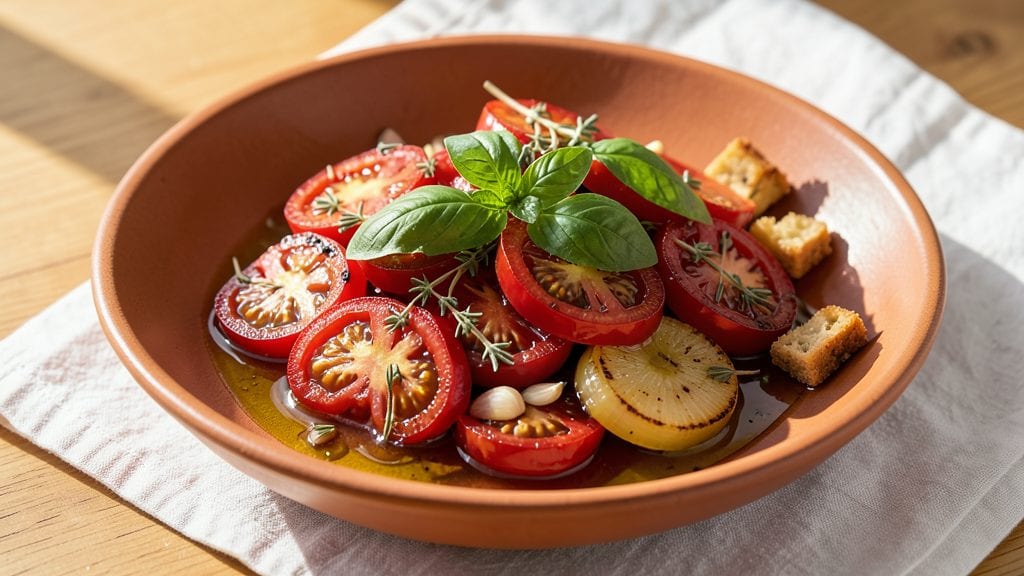
This cooked tomatoes recipe transforms simple tomatoes into sun-dried sweetness with vibrant herb brightness—perfect for elevating any meal. The slow cooking process concentrates natural sugars while preserving rich, velvety texture, making it a standout side dish that pairs beautifully with proteins like grilled chicken or hearty pasta.
This method requires just a handful of ingredients but delivers restaurant-quality depth without the fuss.
What sets this cooked tomato dish apart is the balance of sweetness and acidity, achieved through a simple technique that lets the tomatoes simmer until tender yet intact.
Fresh herbs like basil or thyme are added at the end to preserve their bright, aromatic qualities, ensuring each bite bursts with flavor. The result is a dish that’s both comforting and elegant, ready in under 45 minutes with minimal active time.
By the time you taste the finished dish, you’ll notice how the tomatoes have transformed—intensely flavorful, slightly caramelized at the edges, and infused with herbal notes that make every spoonful irresistible.
This recipe works equally well as a standalone side or as a base for soups and sauces, proving that simple ingredients can create extraordinary results when cooked with care.
The best part? This method adapts effortlessly to seasonal tomatoes, whether you’re using vine-ripened heirlooms or store-bought varieties. For an extra touch of richness, stir in a splash of balsamic vinegar or a sprinkle of grated Parmesan before serving. Let’s bring this sun-kissed tomato dish to your table.
Ingredients for cooked tomatoes
Sun-ripened tomatoes, aromatic herbs, and a touch of sweetness create this elegant side dish.
| Ingredient | Amount | Notes |
|---|---|---|
| Fresh Vine-Ripe Tomatoes 🍅 | 2 lb | Heirloom or Roma preferred, halved |
| Extra-Virgin Olive Oil 🫒 | ¼ cup | High-quality, fruity variety |
| Yellow Onion 🧅 | 1 whole | Medium size, finely diced |
| Garlic Cloves 🧄 | 4 cloves | Fresh, minced |
| Fresh Basil Leaves 🌿 | ½ cup | Packed, torn by hand |
| Fresh Thyme Leaves 🌿 | ¼ cup | Or 1 tbsp dried thyme |
| Balsamic Vinegar 🍷 | 1 tbsp | Aged 12+ months preferred |
| Granulated Sugar 🍚 | 1 tbsp | Adjust to taste |
| Salt 🧂 | 1 tsp | Kosher or sea salt |
| Black Pepper 🌶️ | ½ tsp | Freshly ground |
| Red Wine Vinegar 🍷 | 1 tsp | For acidity balance |
| Parmesan Cheese 🧀 | ¼ cup | Freshly grated, optional |
Tomatoes are the foundation—heirloom or Roma varieties hold their shape best during slow cooking. Look for deep red, firm tomatoes at your local farmers market or grocery store's produce section. Whole Foods or Trader Joe's carry excellent vine-ripened options year-round. Halve them before cooking to release natural juices while maintaining structure. For a richer flavor, choose tomatoes with vibrant color and minimal blemishes. If using store-bought, opt for organic when possible to avoid wax coatings that can interfere with caramelization.
No fresh basil? Dried basil at one-third the amount works in a pinch, though fresh is ideal for that bright herbal note. Substitute thyme with rosemary at half the quantity, but expect a slightly different piney flavor. The balsamic vinegar adds depth—aged 12+ months delivers the best caramel notes. For a sugar substitute, honey or maple syrup works equally well. If you prefer less acidity, reduce red wine vinegar to ½ tsp or omit entirely. The Parmesan is optional but adds a luxurious finish—freshly grated melts beautifully into the tomatoes.
Store cooked tomatoes in an airtight container for up to 5 days in the refrigerator. They reheat beautifully—simply warm in a saucepan over medium heat with a splash of water. For longer storage, freeze in 1-cup portions for up to 3 months. Portion into ice cube trays before freezing for easy single-serving use in sauces or soups. The dish tastes even better the next day as flavors meld further. Garnish with fresh herbs before serving to preserve their bright aroma.
Why You'll Love This Recipe
- Five-Ingredient Magic: I swear, this is the kind of recipe where you look at the pantry and think, "I can do this." No fancy techniques—just tomatoes, olive oil, and a little patience while the garlic and onion mellow into sweetness. The kind of simplicity that makes you feel like a home cook, not a chef.
- Sunshine in a Saucepan: That burst of fresh basil at the end? It’s like summer in a jar. The tomatoes caramelize into something rich and jammy, while the garlic adds a slow-building warmth. Honestly, I’ve used this as a topping, a base, and even a quick pasta sauce—it’s always ridiculously good.
- Weeknight Workhorse: Between us, this is my go-to when I’m too tired to think. Dump it in a jar, and it’s ready for bruschetta tomorrow or a lazy Sunday breakfast. I’ll be real: my kids even ask for it on pizza night. (Yes, even on a Tuesday night.)
- Budget-Friendly Pantry Hero: Fresh tomatoes are cheap in season, and a few cloves of garlic stretch this into meals for days. Freeze extras in ice cube trays for future soups or sauces—no waste, all flavor. It’s the kind of recipe that makes grocery day feel like a win.
Step-by-step instructions for cooked tomatoes with herbs
Transform simple garden tomatoes into rich, concentrated sweetness with this straightforward cooking method.
Prepare the Tomatoes
Begin by halving the 2 lb fresh vine-ripe tomatoes and removing any cores. I like to place them cut-side down in a colander and sprinkle with the 1 tsp salt to draw out excess moisture. Let them sit for 10 minutes while you prep the aromatics—this helps create a more concentrated flavor later.
For best results, use heirloom or Roma tomatoes—their thicker skins hold up better during cooking. If your tomatoes are particularly juicy, pat them dry with paper towels after salting to prevent a watery sauce. The goal is to concentrate the tomato flavor, so every drop of liquid matters.
Sauté the Aromatics
Heat the 0.25 cup extra-virgin olive oil in a large, heavy-bottomed pot over medium heat. Add the 1 whole yellow onion, cut into small dice, and cook for 5-6 minutes until softened and beginning to turn translucent. Don't rush this step—properly cooking the onion builds flavor depth.
Add the 4 cloves minced garlic and cook for another 30 seconds until fragrant. You'll smell the garlic release its sweet, pungent aroma—this is when the magic starts. Immediately add the 0.25 cup fresh thyme leaves and stir for 10 seconds to release their earthy notes before they burn. Keep the heat at medium to prevent burning.
Cook the Tomatoes
Add the halved tomatoes to the pot, cut-side up, along with the 1 tbsp granulated sugar. Stir gently to combine, then reduce heat to low. Cover the pot and let the tomatoes simmer for 20-25 minutes. You're looking for the tomatoes to soften completely and release their juices while concentrating into a thick, jam-like consistency.
Occasionally stir the tomatoes during cooking to ensure even browning. The sugar will help caramelize the edges slightly, adding depth of flavor. If the mixture looks too dry after 20 minutes, add 2-3 tablespoons of water to prevent sticking. The tomatoes are done when they collapse easily when pressed with a spoon.
Add Acidity and Herbs
Once the tomatoes are tender, increase heat to medium and stir in the 1 tbsp balsamic vinegar and 1 tsp red wine vinegar. These acids brighten the sweetness and balance the flavors. Add the 0.5 cup fresh basil leaves, torn by hand, and simmer uncovered for 5 minutes to infuse their bright, peppery notes throughout the mixture.
The basil should wilt completely and disappear into the sauce. Taste and adjust seasoning with additional salt or sugar if needed. The sauce should be sweet, tangy, and herbaceous with a thick, spreadable consistency. If it's too thick, whisk in 1 tablespoon of water at a time until you reach your desired texture.
Finish and Serve
Remove from heat and stir in the 0.25 cup freshly grated parmesan cheese. The cheese adds a nutty depth and helps emulsify the sauce slightly. Let the mixture sit for 5 minutes to allow all the flavors to meld together completely.
Serve warm over pasta, spread on crusty bread, or use as a topping for bruschetta. The cooked tomatoes keep well in the refrigerator for up to 5 days, making them perfect for meal prep. For even more depth, let the sauce sit overnight—this allows the flavors to develop and intensify beautifully.
Pro Tips For Making Cooked Tomatoes
- Sear the Onion First: I learned this the hard way—skip it, and your onions will turn to mush instead of sweet, caramelized flavor. Cook them in olive oil over medium heat for 8-10 minutes until deep gold, stirring occasionally. That’s when they’ll actually contribute to the dish instead of just disappearing into the sauce.
- Salt the Tomatoes Early: Add a pinch of salt as soon as you chop the tomatoes—this draws out excess water and keeps them from turning into a watery sludge. I used to ignore this, and my cooked tomatoes always ended up too thin. Now? They’re rich and concentrated every time.
- Crush Garlic, Don’t Mince: Smash those garlic cloves with the flat side of your knife before adding them—this releases more flavor without burning. I was skeptical until I tried it: the aroma is deeper, and the bitterness mellows out perfectly in the sauce. (Yes, even if you’re impatient like me.)
- Simmer, Don’t Boil: Low and slow is the only way to get that velvety texture. After adding the tomatoes, keep the heat at a bare simmer—tiny bubbles, not rolling. I used to rush it, and the sauce would turn bitter. Now I let it cook for 40-45 minutes, and the flavors meld like they’re supposed to.
Dietary considerations for this cooked tomatoes
Gluten-Free Adaptations
This cooked tomato recipe is naturally gluten-free as written, but there are a few smart swaps if you're using gluten-containing ingredients elsewhere in your meal. The balsamic vinegar and red wine vinegar used here are typically gluten-free, but always check labels—brands like Bragg and Annie's offer certified gluten-free options.
For extra richness, use gluten-free pasta like Barilla or Jovial when serving over noodles. 🌾
Low-Sodium Options
If you're watching your sodium intake, reduce the 1 tsp salt to just ½ tsp while cooking, then adjust to taste at the end. The natural sweetness of the tomatoes and the acidity from the vinegars will still shine through.
For added flavor without salt, increase the fresh herbs to 0.75 cup total (basil and thyme combined) or add a pinch of smoked paprika for depth. The tomatoes' natural juices will provide enough umami on their own.
Vegetarian & Vegan
This recipe is already vegetarian-friendly, but for a fully vegan version, simply omit the 0.25 cup freshly grated Parmesan. Replace it with 2 tbsp nutritional yeast for a cheesy, nutty flavor that blends beautifully with the tomatoes.
Nutritional yeast also adds a boost of vitamin B12, making it a smart upgrade for plant-based diets. The rest of the recipe remains exactly the same—no compromises needed! 🌱
Sugar-Free Version
Skip the 1 tbsp granulated sugar entirely if you're avoiding added sugars, but don't worry—the tomatoes' natural sweetness will still develop during cooking. To enhance caramelization without sugar, add 1 tbsp tomato paste (like Muir Glen unsweetened) to the pot with the onions.
The concentrated tomato flavor will deepen the dish while keeping it sugar-free. The balsamic vinegar's natural sweetness will also contribute to the overall balance.
Allergen-Friendly
For those with herb allergies, substitute the fresh basil and thyme with 1 tsp dried oregano or ½ tsp dried marjoram, both of which pair beautifully with tomatoes. If you're avoiding sulfites, opt for fresh herbs and vinegars labeled sulfite-free.
For dairy-free needs, the Parmesan is optional, but if you want a cheesy finish, use vegan Parmesan like Follow Your Heart. Always double-check labels on vinegars and spices for hidden allergens. ✨
Keto-Friendly Adjustments
This recipe can fit into a keto diet with minor tweaks. Reduce the sugar to ½ tsp (or omit entirely) and serve the cooked tomatoes as a topping for zucchini noodles or cauliflower rice. The natural sweetness from the tomatoes will satisfy cravings without spiking blood sugar.
For extra fat to balance the carbs, drizzle with an additional 1 tbsp olive oil before serving. The herbs and vinegars keep the dish low-carb while packed with flavor.
Nutrition facts
Frequently asked questions
Can I use canned tomatoes instead of fresh?
While fresh tomatoes give the best texture and flavor, you can use 2 (28 oz) cans of crushed tomatoes as a substitute. Drain them well and add 1 tbsp tomato paste to compensate for the lack of natural juices. Simmer uncovered for 15-20 minutes longer to concentrate the flavors. The result will be slightly softer but still delicious.
How do I prevent the tomatoes from turning mushy?
Keep the heat at low-medium and avoid stirring too frequently. The 1 tbsp sugar helps caramelize the edges, while the 10-minute salting step draws out excess moisture. If using very ripe tomatoes, reduce simmering time to 15-20 minutes instead of 25 minutes to maintain structure. Stirring occasionally ensures even cooking without breaking down the tomatoes.
What are the best ways to store and reheat these tomatoes?
Store in an airtight container in the fridge for up to 5 days. For reheating, warm in a saucepan over medium-low heat with 1 tbsp water to prevent sticking. If freezing, portion into 1-cup servings in ice cube trays first, then transfer to freezer bags for up to 3 months. Thaw overnight in the fridge before reheating.
Can I make this recipe with green or unripe tomatoes?
Not ideal—they lack natural sweetness and will remain tart even after cooking. For best results, use fully ripe tomatoes (deep red color, slightly soft when gently squeezed). If you must use green tomatoes, add 1 extra tbsp sugar and simmer for 5-10 minutes longer to develop sweetness. The texture will also be firmer than with ripe tomatoes.
How can I use these cooked tomatoes beyond a side dish?
Spread on toasted baguette slices for bruschetta, stir into pasta dishes like spaghetti or linguine, or blend with 1 cup vegetable broth for a quick tomato soup. The concentrated flavor works well in omelets, stuffed peppers, or even as a topping for grilled cheese sandwiches. The possibilities are endless!