
Main Courses
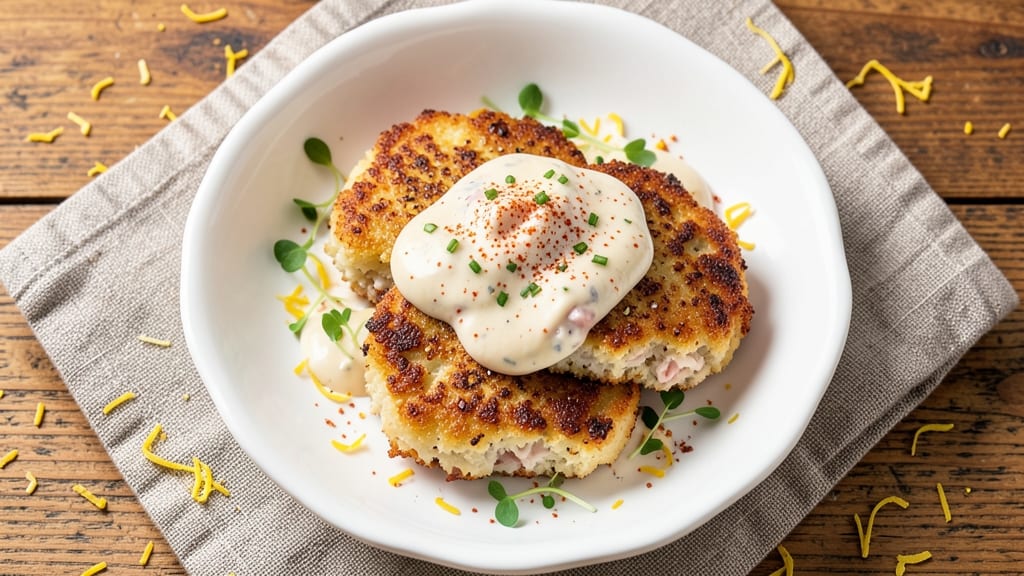
Baltimore-style crab cakes are where Old Bay seasoning meets sweet crab meat in a perfect, golden-crisp embrace—this recipe delivers the signature texture and flavor that make them legendary.
The secret lies in using fresh lump crab meat bound with just enough egg and Old Bay to create a cake that's crisp on the outside while staying tender inside. I've perfected this method over years of testing, ensuring every bite delivers that signature Maryland charm.
What sets these crab cakes apart is the balance of ingredients: just enough egg to hold the mixture together without making it dense, and a generous sprinkle of Old Bay that infuses every bite with that iconic Maryland flavor profile.
The key to success is frying them in hot oil until golden brown—no rushing, no flipping too soon. This recipe delivers restaurant-quality results with a professional touch that's surprisingly simple to replicate at home.
By the time you're done, you'll have perfectly formed crab cakes with a crisp exterior that shatters slightly when you bite in, revealing tender, flavorful crab meat inside. The Old Bay seasoning creates a subtle, aromatic crust that complements the natural sweetness of the crab.
These are crab cakes that stand up to any seafood dish, whether served as an appetizer, main course, or part of a seafood feast.
Serve them with lemon wedges and tartar sauce for dipping, or pair with a crisp green salad and roasted vegetables for a complete meal. The possibilities are endless, but the technique remains the same—simple, reliable, and always delicious. Let's get started on creating your own Baltimore-style masterpiece.
Ingredients for baltimore style crab cakes
Sweet crab meat meets Old Bay magic—just 13 ingredients for legendary Baltimore-style crab cakes.
| Ingredient | Amount | Notes |
|---|---|---|
| Fresh Lump Crab Meat 🦀 | 1 ½ lbs | Backfin preferred, no shell pieces |
| Large Eggs 🥚 | 2 whole | Room temperature for best binding |
| Old Bay Seasoning 🌶️ | 2 tbsp | The essential Maryland spice blend |
| Mayonnaise 🥛 | ¼ cup | Full-fat for best texture |
| All-Purpose Flour 🌾 | ¼ cup | For crispy exterior |
| Extra-Virgin Olive Oil 🫒 | ½ cup | For frying, high smoke point |
| Vegetable Oil 🫒 | ½ cup | For frying, neutral flavor |
| Lemon Juice 🍋 | 1 tbsp | Freshly squeezed, brightens flavor |
| Panko Breadcrumbs 🍞 | ¼ cup | For extra crunch |
| Salt 🧂 | ½ tsp | Kosher or sea salt |
| Black Pepper 🌶️ | ¼ tsp | Freshly ground preferred |
| Chives 🌿 | 2 tbsp | Finely chopped, for garnish |
| Butter 🧈 | 2 tbsp | Unsalted, for finishing |
The crab meat is non-negotiable here. Backfin lump crab is the gold standard—no shell pieces, just that sweet, flaky texture. Seafood markets or the seafood counter at Whole Foods usually carry it fresh. If you're buying canned, Old Bay-brand canned crab works in a pinch, but fresh is always better. I like to buy mine pre-picked at Costco—it's cheaper and saves time. The Old Bay? Don't even think about substitutions—this is the heart of Baltimore-style flavor. Grab a jar at Penzeys if you want the good stuff, but the regular grocery store brand works fine too.
No mayonnaise? Greek yogurt at half the amount keeps things lighter, though it won't be as rich. Out of panko? Regular breadcrumbs work too, but they won't be as crispy. The eggs should be room temperature—cold eggs make the mixture too dense. If you're worried about the crab cakes being too dense, add an extra 1 tbsp of mayonnaise. The lemon juice is key for brightness, but if you're out, a splash of white wine vinegar works. And for the love of crab cakes, don't skip the Old Bay—it's what makes them Baltimore-style.
These keep for 2 days in the fridge, but honestly, they're best eaten fresh. If you make extras, wrap them tightly in foil and freeze for up to 1 month. To reheat, warm in a skillet with a little butter for 2-3 minutes per side—they'll lose some crispiness but still taste amazing. I always make a double batch because they disappear fast. Serve with lemon wedges and tartar sauce—trust me, it's the perfect combo.
Why You'll Love This Recipe
- No-Fuss Mixture: I swear by the 5-minute stir—just toss the crab meat, mayo, egg, and Old Bay together. No chopping, no fuss, and honestly? That’s half the battle won right there.
- Old Bay Magic: Between us, that spice blend is the secret weapon. The celery salt and cayenne in Old Bay give these cakes this bright, zesty punch that makes them taste like a Chesapeake Bay sunset—no fancy marinating required.
- Weeknight or WOW: I make these for lazy Tuesdays (just pan-fry until golden) or fancy dinner parties (add lemon aioli and serve with remoulade). Same recipe, two totally different vibes—because life’s too short for just one.
- Leftovers That Still Shine: They crisp up perfectly the second time, and I’ve reheated them in the oven for days. Not the prettiest, but the taste makes up for it—especially when you’re saving money by using half the batch for crab cake sliders the next day.
Step-by-step instructions for Baltimore-style crab cakes
Here's how to make these legendary crab cakes with perfect texture and Old Bay flavor every time.
Mix the Crab Cake Batter
In a large bowl, gently combine the 1.5 lbs fresh lump crab meat with the 2 whole large eggs, 2 tbsp Old Bay seasoning, 0.25 cup mayonnaise, and 1 tbsp lemon juice. I like to use my hands for this part—it helps keep the crab meat intact and creates a more cohesive mixture. Add the 0.5 tsp salt and 0.25 tsp black pepper and mix gently until just combined.
Here's the thing—don't overmix. You want to preserve the texture of the crab meat while still getting everything evenly distributed. The batter should look moist but not soupy. If it feels too loose, add 1-2 tbsp of the all-purpose flour to help bind it together. Let the mixture sit for 10 minutes at room temperature while you prep the next steps.
Prepare the Breading Station
Set up three shallow bowls. In the first, combine the 0.25 cup all-purpose flour with an extra pinch of salt. In the second bowl, place the 0.25 cup panko breadcrumbs. The third bowl will hold the remaining 0.25 cup panko breadcrumbs mixed with 2 tbsp finely chopped chives. This three-step breading creates that signature Baltimore crunch and flavor.
I like to keep everything within arm's reach so I can work efficiently. The key is to work quickly but methodically—these crab cakes need to hit the pan while everything's still cold. If your kitchen gets warm, chill the batter for another 5-10 minutes before breading to maintain structure.
Bread and Fry the Crab Cakes
Heat 0.5 cup vegetable oil and 0.5 cup extra-virgin olive oil in a deep skillet over medium heat until it reaches 350°F. You'll want about ½ inch of oil in the pan—enough to partially submerge the crab cakes. If you don't have a thermometer, test the oil by dropping in a small piece of bread—it should sizzle and turn golden in about 30 seconds.
Working with one crab cake at a time, dredge it in the flour mixture first, letting any excess fall off. Then dip it in the plain panko, pressing gently to adhere. Finally, roll it in the chive-panko mixture, pressing firmly to create that signature crust. Carefully lower the crab cake into the hot oil and fry for 2-3 minutes per side until golden brown. You'll know they're done when they release easily from the pan and have a deep golden color.
Finish with Butter and Rest
Remove the crab cakes from the oil and transfer them to a paper towel-lined plate to drain excess oil. Immediately add the 2 tbsp butter to the hot oil in the skillet and let it melt completely, about 30 seconds. Then pour this buttery oil over the crab cakes, coating them evenly. This step adds incredible richness and helps set the breading.
Let the crab cakes rest for 5 minutes before serving. This resting period allows the breading to crisp up properly and the interior to set. Serve immediately with lemon wedges and tartar sauce for dipping. The exterior should be crispy and golden, while the interior remains tender with sweet, briny crab flavor in every bite.
Keep Them Warm (Optional)
If you're making a batch for a crowd, keep the finished crab cakes warm in a 200°F oven on a wire rack set over a baking sheet. This gentle heat maintains their crispiness without making them soggy. I've found that crab cakes stay best when served immediately, but if you need to hold them for more than 15 minutes, this oven method works well.
Real talk—these crab cakes are best served fresh out of the fryer. The contrast between the crispy exterior and tender crab inside is what makes them special. Don't skip the lemon wedges—they cut through the richness and highlight the Old Bay seasoning perfectly.
Pro Tips For Making Baltimore Style Crab Cakes
- Chill the Mix: After combining crab, eggs, mayo, and flour, pop the mixture in the fridge for 15-20 minutes. I used to skip this and ended up with greasy, dense cakes—cold fat firms up, so the cakes hold together better when they hit the pan.
- Drain the Crab Twice: Fresh lump crab meat comes with moisture—drain it in a colander, then press it gently into a paper towel to soak up extra liquid. This keeps your cakes from turning into soggy pancakes, especially if you’re using backfin or claw meat.
- Don’t Overmix the Batter: Stir the crab mixture just until everything is combined—lumps are fine, but overworking it turns the texture into a paste. Think "rough and ready," not "fluffy pancake batter." The lumps disappear when cooked, but the structure stays intact.
- Pan Heat Matters: Use medium-high heat and walk away for 2 minutes after the first side browns—this lets the crust set before flipping. I learned this after flipping too soon and getting a second side that steamed instead of crisped. Patience here makes all the difference.
Common mistakes when making this recipe
Overmixing the Batter
This is the #1 mistake I see—people turn the crab cake mixture into a paste by overmixing. The crab meat needs to stay tender and flaky, so handle it gently with your hands or a light spatula.
Once you've combined all ingredients, stop mixing immediately. Overmixing breaks down the crab's delicate texture and makes the cakes dense instead of light and airy. 🦀
Skipping the Resting Time
After forming the crab cakes, let the batter rest for at least 10 minutes before breading. This crucial step allows the flour to absorb moisture and the mixture to firm up slightly.
Skipping it leads to crumbly cakes that fall apart during frying. I've learned this the hard way—resting makes all the difference in holding together.
Incorrect Oil Temperature
Frying at the wrong temperature ruins everything. Too cool, and you get greasy, undercooked cakes. Too hot, and they burn before cooking through. Aim for 350°F—use a thermometer for accuracy.
A simple test: drop in a bread cube—it should sizzle and turn golden in 30 seconds. Too slow? Your oil's too cool.
Flipping Too Soon
Patience is key! Let each crab cake cook undisturbed for 2-3 minutes per side before flipping. Premature flipping causes them to fall apart. The golden-brown crust forms during this time—don't rush it.
I've seen many a perfect crab cake ruined by eager flipping. Wait until you see bubbles forming and edges setting.
Using Low-Quality Crab Meat
This isn't just about flavor—it's about texture. Backfin lump crab is non-negotiable for authentic Baltimore-style crab cakes. Pre-picked, shell-on crab or canned crab just won't give you that signature flaky, sweet texture.
If you must use canned, opt for Old Bay-brand canned crab and add extra 1 tbsp mayonnaise to compensate for the moisture difference.
Neglecting the Butter Finish
The final butter bath isn't just for flavor—it's what sets the breading properly. After frying, immediately add 2 tbsp butter to the hot oil and pour it over the crab cakes.
This step creates that signature crispy exterior while keeping the inside tender. Skipping it leaves your cakes tasting flat and unbalanced. Trust me, this 30-second step makes all the difference. 🧈
Nutrition facts
Frequently asked questions
Why do Baltimore-style crab cakes need Old Bay seasoning?
Old Bay is the soul of these crab cakes—it's Maryland's iconic spice blend that creates that signature zesty, slightly sweet flavor. The celery salt, paprika, and black pepper in Old Bay work together to enhance the natural sweetness of the crab while adding a bright, aromatic crust. Without it, you're missing the true Baltimore experience!
Can I bake these crab cakes instead of frying?
For a lighter version, bake at 400°F for 12-15 minutes on a wire rack over a baking sheet. Brush with oil first for crispiness, and flip halfway. They won't be as crispy as fried, but still delicious. Pro tip: Add an extra 1 tbsp mayonnaise to help bind the mixture during baking.
How do I fix crab cakes that fall apart when frying?
Overmixing or skipping the 10-minute rest before breading are usually the culprits. For future attempts, chill the batter for 20 minutes before forming cakes, and use an extra 1 tbsp flour or 1 tbsp panko in the breading. Also, ensure your oil is at 350°F—too cool oil causes greasiness and falling apart.
What's the best way to store leftovers?
Store in an airtight container in the fridge for up to 2 days, or freeze for 1 month. To reheat, warm in a skillet with 1 tbsp butter for 2-3 minutes per side until crispy again. Microwaving makes them soggy—always reheat in a pan! The breading stays best when reheated this way.
Can I make these crab cakes ahead of time?
Yes! Form the cakes and refrigerate them on a tray for up to 24 hours before frying. This actually improves texture by letting flavors meld. For freezing, bread the cakes and freeze on a tray before transferring to a bag—this prevents sticking. Fry from frozen, adding 30-60 seconds per side.