
Sauces & Condiments
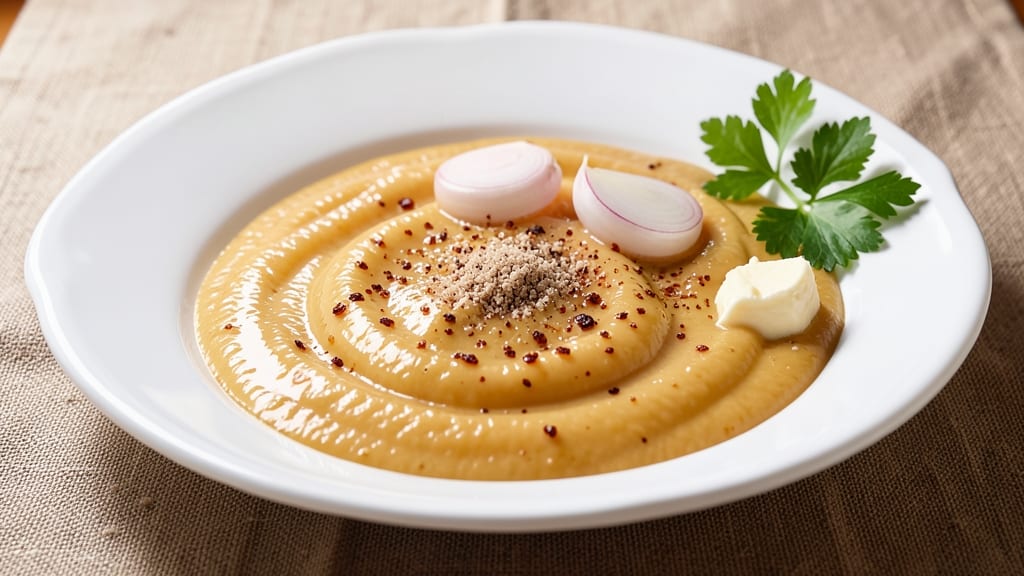
Creating a basic cream sauce recipe that delivers restaurant-quality velvety richness in just 5 minutes transforms ordinary meals into something extraordinary.
The foundation of this sauce lies in a simple roux—equal parts butter and flour cooked until golden—then slowly whisking in warm milk or cream to create a smooth, luscious base.
This technique ensures a foolproof sauce that works as a foundation for pasta dishes, casseroles, or as a luxurious topping for vegetables.
The beauty of this recipe is its versatility and simplicity. With just four core ingredients—butter, flour, milk, and a pinch of salt—you can elevate any dish without complicated techniques.
A splash of garlic, a sprinkle of nutmeg, or a dash of white wine can customize the flavor to suit your needs, but the base remains the same: creamy, rich, and perfectly balanced. The key is patience during the whisking process to avoid lumps and achieve that signature silky texture.
What you’ll end up with is a sauce so smooth and velvety that it coats every bite effortlessly, enhancing the flavors of whatever it accompanies.
Whether you’re drizzling it over buttered noodles, spooning it onto roasted vegetables, or using it as a base for a creamy soup, this sauce delivers professional results with minimal effort. The secret? Keeping the heat low and whisking constantly to prevent separation and ensure a flawless finish every time.
This basic cream sauce is the perfect foundation for countless recipes, and once you master it, you’ll find yourself reaching for it again and again. Ready to transform your cooking with this essential technique? Let’s get started on creating your velvety homemade sauce today.
Ingredients for basic cream sauce
Four core ingredients transform into velvety sauce perfection in minutes—no fancy tools needed.
| Ingredient | Amount | Notes |
|---|---|---|
| Unsalted Butter 🧈 | ½ cup | Cold, cut into small cubes |
| All-Purpose Flour 🌾 | ½ cup | Sifted for smooth sauce |
| Whole Milk 🥛 | 1 ½ cups | Warm for best texture |
| Diamond Crystal Kosher Salt 🧂 | ½ tsp | Fine grain preferred |
| Fresh Garlic Cloves 🧄 | 2 cloves | Minced for subtle depth |
| Ground Nutmeg 🌿 | ¼ tsp | Freshly grated preferred |
| Dry White Wine 🍷 | ¼ cup | Substitute with milk if needed |
| Heavy Cream 🥛 | ½ cup | Full-fat for richness |
The butter and flour are your foundation—European-style butter (like Plugrá) gives the best flavor, but any unsalted works. King Arthur flour is my go-to for its light texture, but all-purpose does the job. Keep your heat low when melting the butter—medium-low is key—to avoid burning before it turns golden. The garlic and nutmeg are where you customize: fresh nutmeg from a grater beats pre-ground, and garlic from a jar is fine if you're in a rush, but fresh minced has better depth. I always grab mine from Trader Joe's—their garlic is consistently good.
No wine? Substitute with extra milk or a splash of chicken broth—it won't be the same, but still creamy. Running low on heavy cream? Half-and-half or whole milk works in a pinch, though the sauce will be slightly lighter. The flour-to-butter ratio is non-negotiable for that perfect roux—equal parts by weight (or volume, since they're roughly equivalent here) is what creates that velvety texture. If your sauce gets too thick, just whisk in a splash more warm milk. Too thin? Cook it longer on low heat until it thickens—just don't walk away from the stove.
This sauce keeps beautifully—3-4 days refrigerated in an airtight container, or up to 3 months frozen. For freezing, cool it completely first, then portion into ice cube trays for single-use servings. Reheat gently over low heat, stirring constantly, or microwave in 20-second bursts until smooth. The best part? Leftovers taste even better the next day—the flavors meld perfectly overnight. If you're prepping for a meal, make it ahead and reheat just before serving.
Why You'll Love This Recipe
- Pantry Magic: I swear by this—no fancy ingredients, just butter, flour, and milk. That’s it. The kind of recipe where you’re not hunting for obscure spices or waiting for a delivery. Honestly, if I forget everything else, I remember these four things, and I’ve got a sauce ready in 15 minutes.
- Garlic Kiss: One minced clove—just one—transforms this from basic to ridiculously good. The butter blooms golden, the flour toasts into a nutty base, and that raw garlic sizzle? It’s the secret weapon. Between us, I’ve ruined fancier sauces, but this one? Every time, it’s spot-on.
- Weeknight Swiss Army: This isn’t just for chicken. Dump it over pasta, stir it into mashed potatoes, or pour it into a skillet with sautéed mushrooms. I’ve even used it as a glaze for roasted carrots—yes, even on a Tuesday night. The beauty? It’s always a crowd-pleaser without trying too hard.
- Leftovers That Lie: Make a double batch and pretend you’re a fancy chef. The sauce thickens beautifully when reheated, and the flavor only deepens. My college budget couldn’t afford takeout, but this? Three dollars and a pot later, I had restaurant-quality comfort food. (And my roommates still ask for it.)
Step-by-step instructions for velvety homemade cream sauce
This classic technique delivers restaurant-quality richness in minutes—no fancy skills required.
Melt the Butter and Whisk in Flour
In a medium saucepan, melt the 0.5 cup unsalted butter over medium heat until it foams but doesn't brown. Reduce heat to medium-low and immediately whisk in the 0.5 cup all-purpose flour—this creates a smooth roux that forms the sauce's foundation. Whisk constantly for 2-3 minutes until the mixture turns a pale golden color and smells nutty.
Here's the thing—don't rush this step. The roux needs time to cook properly; if it darkens too quickly, you'll end up with a bitter, floury taste instead of that velvety smoothness we're after. You'll know it's ready when it coats the back of a spoon and looks like wet sand.
Cook Until Fragrant and Slightly Toasted
Continue whisking for another 1-2 minutes until the roux develops a subtle toasted aroma—this is when it releases its full flavor potential. You'll notice the mixture thickens slightly and becomes more cohesive. This is your signal to proceed to the next step.
I always add the 2 cloves minced fresh garlic and 0.25 tsp ground nutmeg at this stage, cooking for 30 seconds until fragrant but not browned. Nutmeg adds warmth while garlic provides depth, but don't let them color or they'll turn bitter. The key is to infuse their flavors without letting them dominate the sauce.
Gradually Add the Warm Milk
Slowly pour in the 1.5 cups warm whole milk while whisking vigorously to prevent lumps from forming. The milk should be warm but not hot—around 110°F—to help emulsify the sauce properly. Add it in a thin, steady stream, whisking continuously until the mixture comes together into a smooth, creamy consistency.
This gradual addition is crucial. Pouring too quickly causes lumps that are nearly impossible to fix later. If you do get lumps, immediately remove the pan from heat and use an immersion blender to smooth it out. The sauce should thicken noticeably as it simmers.
Simmer Until Thickened
Return the pan to medium-low heat and let the sauce simmer gently for 3-4 minutes, stirring occasionally, until it thickens enough to coat the back of a spoon. This is where patience pays off—the sauce should be smooth and velvety, not gluey or grainy.
Here's where the 0.25 cup dry white wine comes in. Pour it in now and stir for 1 minute to deglaze the pan and add brightness. If you don't have wine, substitute with an equal amount of milk—just don't skip this step entirely. The alcohol helps break down the flour proteins for that signature silky texture.
Finish with Heavy Cream and Season
Lower the heat to low and stir in the 0.5 cup heavy cream, letting it warm through for 1-2 minutes without boiling. The cream adds luxurious richness while keeping the sauce light enough to coat proteins beautifully. Taste and adjust seasoning with the 0.5 tsp diamond crystal kosher salt—you might need more or less depending on your ingredients.
For the final touch, add a pinch more nutmeg if desired and strain the sauce through a fine-mesh sieve to ensure absolute smoothness. Serve immediately over pasta, chicken, or vegetables while still warm. This sauce keeps its velvety texture for up to 3 days refrigerated, but it's best used fresh when it's at its peak richness.
Pro Tips For Making Basic Cream Sauce
- Melt Butter Slowly: I used to rush this and end up with greasy, uncooked flour—now I melt the butter over medium-low heat until it’s fully liquid but not foaming. This gives the flour a proper base without burning, and the sauce won’t taste like raw flour later.
- Toast the Flour: Stir the flour into the melted butter for at least 30 seconds before adding milk—just until it smells nutty and turns golden. Skipping this step means your sauce will taste bland and uncooked, no matter how long you simmer.
- Whisk Like You Mean It: When adding milk, pour it in a slow, steady stream while whisking vigorously. If you dump it in, you’ll get lumps that turn into gluey bits—even after straining. (Yes, I’ve done it. No, you don’t want to repeat my mistake.)
- Salt the Milk First: Add a pinch of kosher salt to the milk before heating it—it dissolves better and seasons the sauce evenly. I learned this after tasting sauces where the salt was clumpy and uneven, no matter how much I stirred.
Common mistakes when making your basic cream sauce
Roux Overcooking
The most common mistake is letting your roux brown too quickly, which creates a bitter, floury taste instead of that velvety smoothness we want. I’ve seen people walk away for just a minute while stirring, and suddenly—disaster. The butter burns before the flour toasts properly, leaving a raw flour flavor.
Keep heat at medium-low and whisk constantly for 2-3 minutes until it’s a pale golden color. If it darkens too fast, you’ve gone too far. 🔥
Cold Milk Shock
Pouring cold milk into your hot roux is a recipe for lumps—literally. The temperature difference causes the sauce to seize up, and no amount of whisking will fix it afterward. Warm your milk to around 110°F (just warm to the touch) before adding it gradually while whisking vigorously.
If you’re in a hurry, heat the milk in the microwave for 30-45 seconds until steaming, then let it sit for 1 minute to cool slightly.
Boiling the Sauce
Letting your cream sauce boil is a cardinal sin—it breaks the emulsion, causing the sauce to split and curdle. Once you add the milk and cream, keep the heat at medium-low and stir constantly. If it starts to bubble vigorously, immediately reduce the heat.
The sauce should simmer gently, not boil. If you see small curds forming, whisk in 1 tsp cold butter to help re-emulsify it. This trick works like magic to restore that silky texture.
Skipping the Wine Deglaze
The wine isn’t just for flavor—it’s a critical step for breaking down the flour proteins and adding brightness to the sauce. Skipping it leaves your sauce flat and one-dimensional. Even if you don’t have wine, substitute with ¼ cup milk or broth, but don’t skip it entirely.
Deglaze the pan for 1 minute after adding the wine to lift all those delicious browned bits from the bottom. This step is what separates a good sauce from a great one.
Ignoring the Strain
Some home cooks skip straining the sauce, but I can’t stress enough how much it elevates the final result. Even with perfect whisking, tiny flour particles can make the sauce grainy. Strain it through a fine-mesh sieve or cheesecloth for absolute smoothness.
If you’re short on time, at least press the sauce through a wooden spoon to catch any lumps. The effort is worth it for that restaurant-quality finish.
Over-Salting Early
Adding all the salt at the beginning can make your sauce taste bland later, especially if you’re using unsalted butter. Taste your sauce after adding the cream and adjust the seasoning then. The flavors meld better when the sauce is fully assembled.
If you’re unsure, add the salt in two stages: ½ tsp initially and another ¼ tsp at the end. This way, you can fine-tune the flavor without overdoing it.
Nutrition facts
Frequently asked questions
Can I make this cream sauce without wine?
The wine adds brightness and helps break down flour proteins for that signature velvety texture. For a substitute, use ¼ cup milk or chicken broth—just don't skip this deglazing step entirely. The sauce will still be creamy, though slightly less complex in flavor.
How do I fix lumps in my cream sauce?
If lumps form, immediately remove the pan from heat and use an immersion blender to smooth it out. For stubborn lumps, whisk in 1 tsp cold butter to help re-emulsify. Always warm your milk to 110°F before adding it gradually while whisking vigorously. This prevents temperature shock that causes lumps.
What's the best way to store leftover cream sauce?
Store in an airtight container in the fridge for 3-4 days or freeze for up to 3 months. For freezing, cool completely first, then portion into ice cube trays for single-use servings. Reheat gently over low heat, stirring constantly, or microwave in 20-second bursts until smooth. The flavors actually improve overnight!
Can I use half-and-half instead of heavy cream?
Yes, but expect a slightly lighter sauce. Heavy cream adds luxurious richness, while half-and-half creates a more delicate texture. For best results, use ½ cup half-and-half plus ¼ cup milk to maintain creaminess. The sauce will still coat beautifully, though it may separate more easily when reheated.
What are the best uses for this cream sauce?
This versatile sauce elevates pasta dishes, chicken, roasted vegetables, and casseroles. Try it as a topping for mashed potatoes or as a base for creamy soups. For extra flavor, stir in grated Parmesan or fresh herbs like thyme or parsley at the end. The possibilities are endless!