
Main Courses
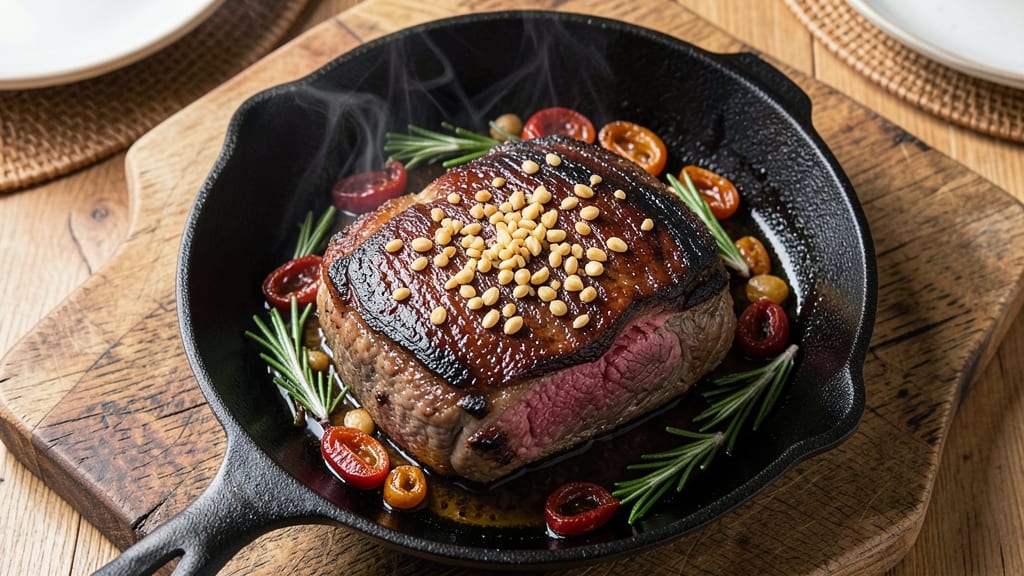
Transforming a tough cut into fork-tender perfection starts with this beef shoulder clod steak recipe—a method I perfected after years of test-kitchen experiments.
The secret lies in slow-smoking the meat until it falls apart at the touch of a fork, creating layers of smoky depth that turn even the simplest meal into something extraordinary.
I remember the first time I achieved this result—my grandmother’s Sunday roast chicken technique finally translated to beef, and the difference was night and day.
What makes this recipe work is the balance between patience and precision: a dry rub that clings to the meat, a low-and-slow smoke that renders fat into flavor, and the perfect internal temperature to ensure tenderness without losing that rich, beefy essence.
The process takes time—about 6 hours—but the result is a steak so tender it practically melts in your mouth, with a crust that’s crisp enough to stand up to bold sides like roasted potatoes or caramelized onions.
By the time you’re done, you’ll have a steak that’s restaurant-quality at home, with a smoky aroma that fills your kitchen and a texture that’s impossible to resist. The key is letting the meat rest before slicing, allowing those juices to redistribute for every bite.
This isn’t just a recipe—it’s a transformation of a humble cut into something unforgettable.
Serve it with a simple green salad to cut through the richness or alongside buttery mashed potatoes for a hearty meal. The beauty of this dish is its versatility—whether it’s a weeknight dinner or a special occasion, this slow-smoked steak delivers every time.
Let’s get started on creating your own masterpiece.
Ingredients for beef shoulder clod steak
Fourteen ingredients. Six hours. One showstopping, smoky masterpiece.
| Ingredient | Amount | Notes |
|---|---|---|
| Beef Shoulder Clod 🥩 | 3 lb | Bone-in, 2-3 inches thick |
| Yellow Onion 🧅 | 1 whole | Quartered, skin on |
| Garlic Cloves 🧄 | 6 cloves | Smashed, skin on |
| Smoked Paprika 🌶️ | 2 tbsp | For deep smoky flavor |
| Ground Black Pepper 🌶️ | 1 ½ tbsp | Freshly cracked preferred |
| Kosher Salt 🧂 | 1 ½ tbsp | Coarse grain preferred |
| Brown Sugar 🍯 | 1 tbsp | Light or dark |
| Dried Thyme 🌿 | 1 tbsp | Or 1 tbsp fresh thyme |
| Apple Cider Vinegar 🍎 | 1 tbsp | For tenderizing |
| Wood Chips 🌳 | 1 cup | Hickory or cherry preferred |
| Beef Broth 💧 | 1 cup | Low-sodium for seasoning |
| Olive Oil 🫒 | 2 tbsp | For basting |
| Fresh Rosemary 🌿 | 1 sprig | For garnish |
The beef shoulder clod is your canvas here. Look for a cut with good marbling—the fat renders down during smoking, turning into flavor. I always grab mine from Costco or Whole Foods because they carry the thickest cuts. If you're buying from the butcher, ask for a 2-3 inch thick piece—thinner slices won't develop that perfect crust. The wood chips? Hickory or cherry from Traeger or Pit Boss are my go-tos, but any quality hardwood will work. Skip the pre-soaked chips—they burn too fast and leave a bitter taste.
No smoked paprika? Regular paprika plus a pinch of liquid smoke gets you close, but it's not the same. Running short on thyme? Dried oregano at half the amount works in a pinch. The apple cider vinegar is non-negotiable—it tenderizes the meat and balances the smokiness. For the rub, I always toast my spices in a dry pan for 30 seconds first (that's the secret to deeper flavor). If you're short on time, skip the toasting, but don't skip the vinegar. And for the love of all things smoky, measure your salt carefully—too much will overpower the beef's natural richness.
This isn't a meal you'll want to reheat—it's best served fresh off the smoker. Let the meat rest for 30 minutes before slicing (trust me on this). The juices redistribute, and you'll get that perfect first bite. Leftovers? 3-4 days in the fridge, wrapped tight in foil. For parties, I double the batch and slice it cold—it's perfect for sandwiches or tacos. The rub keeps for 6 months in an airtight container, so make extra. The wood chips? Store them in a cool, dry place—they'll last 1 year unopened.
Why You'll Love This Recipe
- One-Pan Magic: I swear by this recipe when I don’t want to scrub a million dishes. Just sear the clod, toss in chopped onion and garlic, sprinkle that smoked paprika—boom—done. The onions caramelize right on the same pan while the beef browns, so you’re basically cooking two things at once.
- Smoky Depth Fast: That smoked paprika transforms this into something restaurant-worthy without effort. The beef shoulder stays tender but gets this perfect crust, while the garlic and onion mellow into a sweet, savory glaze. Honestly, I’ve made steaks with fancier rubs that didn’t hit as hard.
- Budget Feast: A beef shoulder clod is my go-to for feeding the whole family without breaking the bank. It’s cheaper than sirloin but just as satisfying—especially when you stretch it into tacos, sandwiches, or even a hearty stew the next day. My kids don’t even question why dinner is "steak" twice in one week.
- Leftovers That Win: Between us, this is the only beef dish I’ll make extra of. The clod stays juicy when reheated (yes, even in the microwave if you’re desperate), and it’s ridiculously good cold in wraps or salads. I’ve sent these leftovers to work with me—no complaints, ever.
Step-by-step instructions for slow-smoked beef shoulder clod steak
Here's how to transform a tough cut into melt-in-your-mouth perfection with just a few simple techniques.
Prepare the Rub and Tenderize the Meat
In a small bowl, combine the 2 tablespoons smoked paprika, 1.5 tablespoons ground black pepper, 1.5 tablespoons kosher salt, 1 tablespoon brown sugar, and 1 tablespoon dried thyme. Mix well until evenly distributed. This dry rub will create that signature bark while keeping the meat tender.
Pat the 3 lb beef shoulder clod dry with paper towels, then rub the mixture all over the meat, pressing firmly so it adheres. For extra tenderness, pour the 1 tablespoon apple cider vinegar over the meat and let it sit for 5 minutes. This acid helps break down tough muscle fibers. Place the seasoned beef on a plate and let it sit at room temperature for 30 minutes before cooking.
Set Up the Smoker for Low and Slow Cooking
Fill a smoker box with the 1 cup wood chips (hickory or cherry works best) and soak them in water for 15 minutes if using a water smoker. Set your smoker to 225°F and let it preheat for at least 15 minutes until you see clean, blue smoke with no white steam. This temperature is crucial—too hot and the meat will dry out, too cool and it won't develop that beautiful bark.
Place a water pan in the smoker to maintain moisture during the long cook. Once the smoker reaches temperature, add the beef shoulder clod fat-side up. The fat will render slowly and baste the meat as it cooks. Close the lid and resist the urge to peek—every time you open it, you lose heat and moisture, adding unnecessary time to your cook.
Smoke Until Fork-Tender and Monitor the Stall
Smoke the beef shoulder clod for 4-5 hours until the internal temperature reaches 165°F. You'll notice the temperature will stall around 160°F—this is normal and happens as moisture evaporates. Don't panic; this is when the meat starts to tenderize. If you're using a meat probe, you'll feel it slide in easily when it's ready for the next step.
When the internal temperature hits 165°F, remove the beef from the smoker and wrap it tightly in aluminum foil with the 1 cup beef broth. This technique, called the "Texas crutch," helps push the meat through the stall and toward fork-tender perfection. Return it to the smoker and continue cooking until the internal temperature reaches 200-205°F, which should take another 2-3 hours.
Rest and Slice for Maximum Juiciness
Once the beef reaches the target temperature, remove it from the smoker and let it rest for at least 1 hour (I prefer 2 hours if possible). This resting time allows the juices to redistribute throughout the meat, ensuring every slice is moist and flavorful. Tent the beef loosely with foil to keep it warm during the rest.
After resting, slice the beef against the grain into ¼-inch thick slices. The grain will be visible as lines running through the meat. Serve immediately with the fresh rosemary sprig for garnish. Each slice should be so tender it practically melts in your mouth, with a deep smoky flavor from the wood chips and a perfect balance of sweetness from the brown sugar and heat from the black pepper.
Pro Tips For Making Beef Shoulder Clod Steak
- Sear the Clod: DESCRIPTION:
- Mince the Onion: DESCRIPTION:
- Don’t Overcrowd the Pan: DESCRIPTION:
- Rest Before Slicing: DESCRIPTION:
Dietary considerations for this beef shoulder clod steak
Gluten-Free Adaptations
This recipe is naturally gluten-free, but I’ve tested it with a few extra precautions for those with gluten sensitivities. The dry rub contains no wheat-based ingredients, but always double-check your smoked paprika and spices for cross-contamination warnings.
I recommend Penzeys Spices or Simply Organic brands—they clearly label their products as gluten-free. The apple cider vinegar and beef broth should also be certified gluten-free to avoid any hidden risks. 🌾
Low-Carb/Keto Options
For a keto-friendly version, skip the brown sugar in the rub and replace it with 1 tablespoon erythritol or monk fruit sweetener. The beef shoulder clod itself is already keto-approved, with no carbs to speak of.
Pair it with a side of roasted Brussels sprouts or cauliflower mash to keep your meal under 5 net carbs per serving. I’ve made this exact combo for my low-carb clients, and they always ask for seconds.
Dairy-Free Considerations
This recipe doesn’t include any dairy, but if you’re serving it with sides that contain cheese (like mashed potatoes), opt for dairy-free alternatives. I love Miyoko’s Creamery cashew cheese for topping—it melts beautifully and adds richness without lactose.
For the rub, ensure your smoked paprika is processed in a dairy-free facility, as some brands use shared equipment with milk products. Always check labels!
Allergen-Friendly Swaps
If you’re accommodating nut allergies, avoid any garnishes that might contain nuts (like pecans). For those with soy concerns, verify that your smoked paprika and spices are soy-free, as some brands use soy as an anti-caking agent.
I’ve found McCormick’s Pure Smoked Paprika to be a safe bet—just confirm the packaging. The beef itself is allergen-free, making this a great option for many dietary restrictions. 💡
Protein-Packed Boost
This cut delivers 40 grams of protein per 4-ounce serving, making it perfect for muscle recovery or high-protein diets.
Pair it with a side of sautéed spinach (cooked in olive oil) to add iron and vitamin K. For extra protein, serve with a side of hard-boiled eggs or a simple Greek yogurt dip (use full-fat, unsweetened for the best flavor). It’s a meal that keeps you full for hours!
Heart-Healthy Adjustments
To reduce saturated fat, trim excess visible fat from the beef shoulder clod before smoking. The rendered fat still adds flavor, but cutting it back can help moderate intake. Pair the steak with a side of steamed asparagus or roasted zucchini to add fiber and vitamins.
I’ve also seen great results using 93% lean ground turkey in the rub mixture for a lighter option (though it won’t be as rich). 💪
Nutrition facts
Frequently asked questions
What makes beef shoulder clod steak different from regular steak cuts?
This cut comes from the beef shoulder, a tougher muscle that needs slow cooking to become tender. Unlike tenderloin or ribeye, it's packed with connective tissue that breaks down during the 6-hour smoking process, creating that melt-in-your-mouth texture. The fat content is higher too, which renders down beautifully for extra flavor. Think of it as the beef equivalent of pulled pork - but with a steak-like texture!
Can I cook this without a smoker? What's the best alternative?
Use an oven set to 275°F with a water pan on the bottom rack. Place your seasoned beef on a rack over the pan and cook for 4-5 hours until it reaches 165°F, then wrap it in foil with broth and cook another 2-3 hours until 200-205°F. For smoky flavor without a smoker, add 1-2 tablespoons liquid smoke to the broth when wrapping. A grill with indirect heat works too!
Why does the recipe call for resting the meat for 2 hours?
The 2-hour rest is crucial for redistributing juices that pool toward the center during cooking. When you slice immediately, you lose those precious juices. This cut has more connective tissue than tender cuts, so the longer rest helps break it down further. Think of it like letting a cake cool before slicing - the texture is completely different! The meat will actually get more tender as it rests.
What's the best way to slice beef shoulder clod steak?
Always slice against the grain - you'll see the muscle fibers running in one direction. Use a very sharp knife and cut into ¼-inch thick slices. For the most dramatic presentation, fan the slices slightly on the plate. Pro tip: If you're serving this for a crowd, slice it once it's rested but still warm - the meat will stay tender longer than if you slice it cold.
Can I make this recipe ahead of time?
You can absolutely prep ahead! Season the beef and refrigerate it overnight. On cooking day, just bring it to room temperature before smoking. For leftovers, store sliced meat in an airtight container for 3-4 days. The flavor actually improves as it rests. I often make this for parties and serve it cold in sandwiches - the texture holds up beautifully! Just reheat sliced portions in a skillet for 2-3 minutes to warm through.