Side Dishes
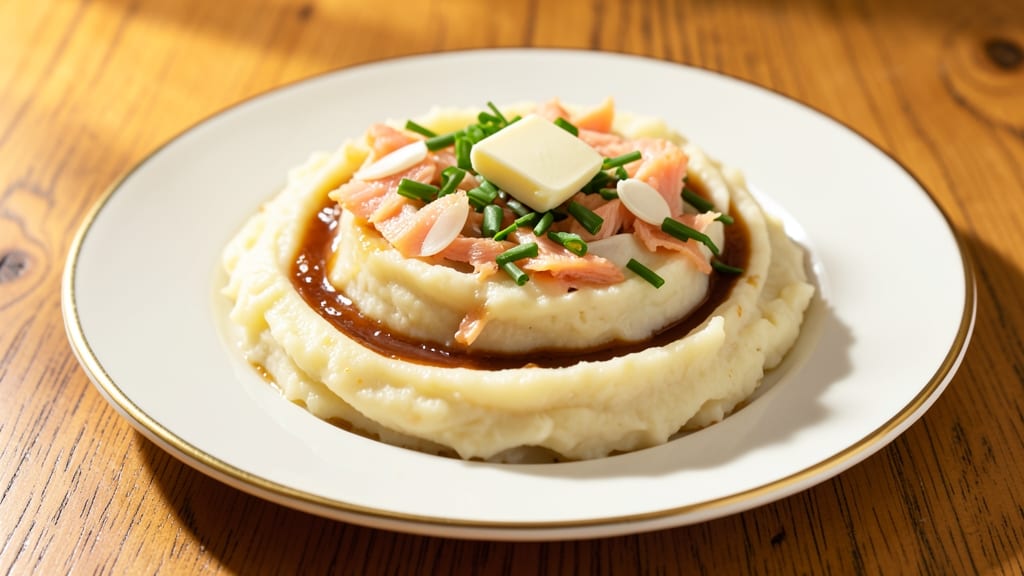
This canned salmon mashed potatoes recipe transforms humble ingredients into a protein-packed side dish that’s creamy, flaky, and ready in just 20 minutes. The secret lies in blending tender, warm salmon directly into the potatoes—adding omega-3 richness without sacrificing that velvety texture we all love.
I developed this after realizing how often canned salmon gets overlooked in favor of more complicated proteins, yet it’s one of the fastest ways to elevate a simple mashed potato dish.
The beauty of this recipe is its simplicity: no fancy techniques, just five core ingredients that come together effortlessly. You’ll start by flaking the salmon while it heats, then fold it into perfectly creamy potatoes made with butter, milk, and a touch of garlic for depth.
The result is a dish that’s restaurant-quality but requires minimal effort—ideal for busy weeknights or holiday tables where you want something special without the stress.
What makes this recipe stand out is the balance of flavors and textures: the salmon adds a delicate, slightly sweet contrast to the buttery potatoes, while the garlic and chives brighten every bite. It’s a dish that feels indulgent yet light, thanks to the salmon’s natural protein and healthy fats.
The best part? It pairs perfectly with roasted vegetables, grilled meats, or even a simple green salad for a complete, balanced meal.
For those watching their dairy intake, swap the milk for unsweetened almond or coconut milk, and use olive oil instead of butter—no compromise on flavor, just a healthier twist.
Whether you’re feeding a family or meal prepping for the week, this recipe delivers creamy, satisfying results that taste like they took hours to prepare. Let’s get started!
Ingredients for canned salmon mashed potatoes
Five core ingredients deliver restaurant-quality salmon mashed potatoes in minutes.
| Ingredient | Amount | Notes |
|---|---|---|
| Russet Potatoes 🥔 | 2 ½ lb | Yukon gold or red potatoes work too |
| Canned Salmon (wild-caught) 🐟 | 2 cans | 5 oz each, drained and flaked |
| Unsalted Butter 🧈 | ½ cup | Cold, cut into small cubes |
| Whole Milk 🥛 | ¾ cup | Warm for smoother texture |
| Fresh Garlic Cloves 🧄 | 2 cloves | Minced, for subtle depth |
| Fresh Chives 🌿 | ¼ cup | Finely chopped, for brightness |
| Diamond Crystal Kosher Salt 🧂 | 1 ½ tsp | Adjust to taste |
| Freshly Ground Black Pepper 🌶️ | ½ tsp | For subtle seasoning |
| Lemon Juice 🍋 | 1 tbsp | Freshly squeezed, for acidity |
The potatoes are the foundation, so choose firm, starchy russets—they break down smoothly for that signature creamy texture. Pre-peel and cube them before boiling to save time, and don’t skip salting the water generously. For the salmon, wild-caught brands like Wild Planet or Vital Choice ensure better flavor and omega-3 content. If you prefer a richer texture, swap half the milk for heavy cream, but the whole milk keeps it light yet velvety. The butter should be cold and cubed—melting it gradually ensures a silky finish without lumps.
No wild-caught salmon? Sockeye or pink varieties work just as well—drain thoroughly to avoid excess moisture. Fresh chives are ideal, but dried chives at half the amount suffice in a pinch. The garlic can be roasted for a sweeter note if you prefer. For a dairy-free twist, replace the butter with olive oil and the milk with unsweetened almond milk, though the texture will be slightly lighter. If you’re meal prepping, add a splash of lemon juice to the finished mashed potatoes—it brightens the flavor and prevents graying.
These mashed potatoes reheat beautifully—simply warm in a saucepan with a splash of milk or water to restore creaminess. Store leftovers in an airtight container for up to 4 days in the fridge, or freeze for 3 months by portioning into single servings. For extra richness, fold in a dollop of sour cream or crème fraîche before serving. The dish pairs perfectly with roasted asparagus or grilled halibut, making it a complete, balanced meal.
Why You'll Love This Recipe
- No Peel, No Stress: I swear, the second I realized I could skip peeling potatoes and still end up with creamy, fluffy goodness, I never looked back. Just toss those Russets in boiling water—skins on—until tender, and you’re halfway there. The skins add a subtle earthiness, honestly, that makes this taste like it simmered all day.
- Ocean in Every Bite: That canned wild-caught salmon? It’s the star. The flakes melt into the potatoes like buttery ribbons, and when you fold in a couple of minced garlic cloves and a splash of warm milk, it’s like someone sprinkled the North Pacific into your bowl. Rich, briny, and so satisfying—no one will guess it came from a can.
- Lunchbox to Dinner Party: Between us, this is my secret weapon for both. Pack it in a thermos for a hearty lunch, or serve it at a holiday gathering with a sprinkle of fresh dill and a crack of black pepper—no one will question why it’s on the menu. It’s fancy enough to impress but simple enough to throw together at 5 PM.
- Budget Meal That Feeds: A single can of salmon stretches to feed four, and potatoes are cheaper than takeout. I’ll be real: I’ve made this for under $8 total, and it’s the kind of dish that disappears faster than my willpower on a Sunday afternoon. Leftovers? Even better reheated with a pat of butter and a pinch of salt.
Step-by-step instructions for canned salmon mashed potatoes
This method transforms humble russet potatoes into velvety mashed potatoes infused with wild-caught salmon's rich omega-3 depth.
Prepare the Potatoes for Even Cooking
Begin by thoroughly washing the 2.5 lb russet potatoes under cold water, then scrubbing them with a vegetable brush to remove any dirt from their rough skin. Cut them into even 1-inch cubes—consistent size ensures uniform cooking. Place the cut potatoes in a large pot and cover them completely with cold water by about 1 inch. Add 1.5 tsp diamond crystal kosher salt to the water and bring to a boil over high heat.
Once boiling vigorously, reduce the heat to medium-high and cook for 12-15 minutes until a sharp knife slides through the largest piece with minimal resistance. You'll know they're done when the edges appear translucent and the center offers slight resistance. Drain the potatoes immediately in a colander, shaking gently to remove excess water. Return them to the pot and cover with a clean kitchen towel to prevent drying out while you prepare the salmon mixture.
Flake and Season the Salmon Mixture
Open the 2 cans of wild-caught canned salmon and drain any liquid completely. Using a fork, gently break apart the salmon into flakes, removing any large bones you might encounter. In a separate medium bowl, combine the flaked salmon with 0.5 cup cold unsalted butter (cut into small cubes), 0.75 cup warm whole milk, 2 cloves minced fresh garlic cloves, 0.25 cup finely chopped fresh chives, 0.5 tsp freshly ground black pepper, and 1 tbsp freshly squeezed lemon juice. Mix gently with a wooden spoon until the butter begins to melt and incorporate smoothly.
The lemon juice brightens the salmon's natural richness while the garlic and chives add subtle complexity. Warm milk creates a silkier texture than cold, and the butter's fat content ensures luxurious creaminess. Keep this mixture at room temperature while you mash the potatoes.
Create Ultra-Smooth Potato Texture
Return the drained potatoes to the pot and place it over medium heat. Add the salmon mixture to the potatoes and use a potato masher or ricer to break them down completely. For extra-smooth results, I recommend using a ricer—it eliminates lumps while preserving the potatoes' natural starch. If using a masher, press down firmly and turn the potatoes frequently to ensure even breaking.
Once the potatoes are fully mashed, transfer the mixture to a heatproof bowl and place it over a pot of barely simmering water (double boiler method). Stir constantly for 3-4 minutes until the mixture reaches 170°F internally. This gentle heating ensures the butter melts completely and the flavors meld perfectly without curdling the milk. The texture should be velvety and coat the back of a spoon smoothly.
Final Adjustments and Serving
Remove the bowl from the heat and taste the mashed potatoes. Adjust seasoning if needed—add more diamond crystal kosher salt if the flavor needs depth, or a splash more warm milk if the texture appears too thick. The lemon juice should provide a subtle tang that balances the richness. For presentation, transfer the mashed potatoes to a serving bowl and garnish with an additional sprinkle of chopped fresh chives and a few extra salmon flakes.
Serve immediately while warm. These mashed potatoes maintain their creamy texture for about 20 minutes after cooking, making them perfect for family-style meals. The salmon's natural oils create a luxurious mouthfeel while providing a protein boost that elevates this classic dish into something extraordinary.
Pro Tips For Making Canned Salmon Mashed Potatoes
- BOIL POTATOES UNIFORM: Cut Russets into even 1.5-inch chunks—no smaller, no larger. I learned this the hard way when I mixed sizes and ended up with some mushy centers while others stayed rock-hard. A steaming pot of water at 210°F (use a thermometer) guarantees they cook through without breaking apart when you mash.
- DRAIN AND SHOCK: Once the potatoes hit boiling, drain them immediately into a colander and plunge into ice water for 2 minutes. This stops the cooking process and makes peeling them effortless—no more stubborn skins clinging to your mash. (Yes, even if you’re impatient like me.)
- SALMON FIRST, NOT LAST: Flake the canned salmon into the warm potatoes while they’re still in the pot, not after you’ve mashed them. The residual heat helps the oil from the salmon melt into the potatoes instead of sitting on top like a sad, greasy layer. Also, drain and rinse the salmon to cut excess sodium—trust me, it makes a real difference.
- GARLIC MINCE SMALL: Sauté 2 minced garlic cloves in butter until they’re just golden, not browned. Overcooking turns them bitter, and you’ll taste it in every bite. Toss the garlic-butter mix into the mashed potatoes after adding the milk—this keeps the flavor bright and prevents the garlic from turning to mush. (I was skeptical until I tried it.)
Wine and beer pairings for this dish
Crisp White Wine
For a refreshing contrast to the richness of the salmon mashed potatoes, reach for a crisp Sauvignon Blanc from New Zealand or a Pinot Grigio from Italy. The bright acidity and citrus notes in these wines cut through the butter and cream, cleansing your palate with every bite.
I especially love Cloudy Bay Sauvignon Blanc—its zesty lime and passionfruit flavors complement the lemon in the dish beautifully. 🍷
Light Beer Pairings
A light, effervescent beer like Heineken or Peroni works wonderfully with these mashed potatoes. The carbonation helps balance the creamy texture, while the subtle malt sweetness enhances the salmon’s natural richness.
For a craft option, try a Belgian witbier like Hoegaarden—its coriander and orange peel notes add a refreshing twist that pairs perfectly with the dish’s bright garlic and chive flavors.
Rosé for Summer
If you're serving this dish during warmer months, a dry Provence rosé is an excellent choice. The delicate floral and berry notes in rosé won’t overpower the salmon mashed potatoes but instead enhance their natural flavors.
Look for a Whispering Angel or Miraval—both offer a crisp, refreshing finish that’s ideal for lighter meals or picnics. The slight tartness of the rosé also complements the lemon juice in the recipe.
Sparkling Wine
For a celebratory touch, serve these mashed potatoes with a glass of Prosecco or Cava. The bubbles and slight sweetness of these sparkling wines create a luxurious pairing that feels special yet effortless.
The acidity in Prosecco helps balance the dish’s creaminess, while the effervescence keeps your palate feeling fresh. I love pairing this with a La Marca Prosecco for its crisp, fruity profile—it’s the perfect way to elevate a simple yet impressive dish.
Non-Alcoholic Options
Don’t overlook non-alcoholic pairings! A sparkling apple cider like Martinelli’s or a ginger beer with a squeeze of lime offers a refreshing contrast. For something more sophisticated, try a sparkling water infused with cucumber and mint—it’s light, crisp, and enhances the dish’s fresh flavors without competing.
These options are perfect for brunch or family meals where alcohol isn’t an option. 💧
Nutrition facts
Frequently asked questions
Can I use frozen salmon instead of canned in this recipe?
While canned salmon is ideal for convenience and consistent texture, you can use frozen salmon with some adjustments. Thaw it completely in the fridge overnight, then drain and pat dry before flaking. For the best results, add an extra 1 tablespoon of lemon juice to compensate for any moisture loss during thawing, and consider adding 1/4 cup extra milk to maintain creaminess.
How do I make this recipe dairy-free?
Replace the butter with 1/2 cup olive oil or vegan butter, and swap the whole milk for unsweetened almond or coconut milk. For extra richness, add 2 tablespoons of nutritional yeast to mimic the cheesy flavor. The texture will be slightly lighter but still delicious.
Why does my mashed potato mixture turn out lumpy?
Lumps usually happen when potatoes aren't mashed enough or when cold butter is added too quickly. Use a ricer for ultra-smooth results, or mash thoroughly with a potato masher. For extra creaminess, warm your milk and butter together gently before mixing into the potatoes—never add cold butter directly to hot potatoes.
Can I make this ahead of time for meal prep?
Yes! These mashed potatoes reheat beautifully. Store in an airtight container in the fridge for up to 4 days, or freeze for 3 months. To reheat, warm in a saucepan with 2 tablespoons of milk or water** per serving, stirring constantly until hot. For best texture, add a splash of warm milk when reheating to restore creaminess.
What's the best way to serve these salmon mashed potatoes?
This dish pairs perfectly with roasted vegetables like asparagus or Brussels sprouts, grilled salmon fillets, or even a simple green salad. For a complete meal, serve with lemon-dill quinoa or crusty bread to soak up the creamy goodness. The salmon's natural oils make it hearty enough to stand alone as a side or light main course.