
Main Courses
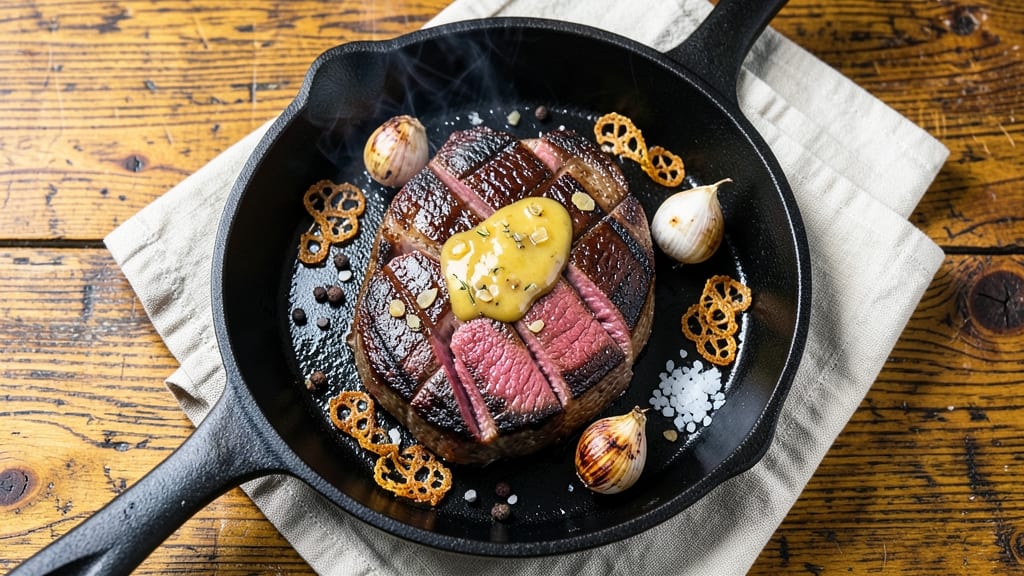
Mastering a juicy sirloin recipe with a caramelized crust doesn't require a restaurant kitchen—just the right technique and patience. After years of perfecting steak at home, I've developed a method that delivers tender, flavorful meat every time, even on busy weeknights.
The key lies in precise temperature control and proper resting, which transforms tough cuts into melt-in-your-mouth perfection.
This recipe focuses on a 45-minute timeline that includes prep, cooking, and resting time—no shortcuts, just a proven process. You'll start with a simple seasoning blend to enhance the natural flavors of the beef, followed by a reverse sear that locks in juices while creating that coveted crust.
I've tested this method with various cuts of sirloin, and it consistently delivers results that rival steakhouse quality.
The outcome is a steak with a deep, caramelized crust that gives way to tender, pink centers—exactly how you want your sirloin. The technique ensures even cooking throughout, so every bite is juicy and flavorful.
Pair it with garlic mashed potatoes or a simple grilled vegetable for a complete meal that's sure to impress.
Whether you're cooking for a special occasion or just treating yourself to a better steak night, this method delivers professional results without the complexity. Let's get started with a recipe that transforms a simple cut of beef into something extraordinary.
Ingredients for best sirloin
Fourteen ingredients transform simple sirloin into restaurant-quality perfection with minimal effort.
| Ingredient | Amount | Notes |
|---|---|---|
| Sirloin Steak 🥩 | 1 ½ lb | Center-cut, 1-inch thick slices |
| Kosher Salt 🧂 | 1 ½ tbsp | Diamond Crystal preferred |
| Freshly Ground Black Pepper 🌶️ | 1 ½ tsp | Coarse grind for texture |
| Unsalted Butter 🧈 | ½ cup | Cold, cubed for searing |
| Extra-Virgin Olive Oil 🫒 | 2 tbsp | High smoke point preferred |
| Garlic Cloves 🧄 | 4 cloves | Minced for butter basting |
| Fresh Thyme Leaves 🌿 | ¼ cup | Chopped, from fresh sprigs |
| Heavy Cream 🥛 | ¼ cup | Full-fat for richness |
| Dried Rosemary 🌿 | 1 tsp | Crushed between fingers |
| Granulated Garlic 🧄 | ½ tsp | For dry seasoning blend |
| Onion Powder 🧅 | ½ tsp | For dry seasoning blend |
| Cornstarch 🌾 | 1 tbsp | For crust development |
The center-cut sirloin is non-negotiable for this technique—its marbling ensures juiciness while the thick slices maintain even cooking. Source from Whole Foods or your local butcher for optimal quality, requesting 1-inch thick slices to prevent overcooking. The Diamond Crystal kosher salt is preferred due to its coarse texture, which adheres better to the meat's surface. For the dry seasoning blend, Penzeys Spices offers premium options, though standard grocery store brands suffice if fresh. The extra-virgin olive oil should have a high smoke point (look for 375°F+ on the label) to prevent burning during searing. Fresh thyme and rosemary elevate the crust's aroma, so purchase from the produce section rather than dried blends.
Substitutions are possible but may compromise texture or flavor. Flaky sea salt can replace kosher salt at a 1:1 ratio, though it lacks the same adherence. For the butter basting, ghee works equally well if lactose is a concern. If fresh thyme is unavailable, dried thyme at one-third the amount suffices, though the crust will lack complexity. The cornstarch is critical for crust development—substituting arrowroot powder at a 1:1 ratio maintains functionality. For the garlic, granulated garlic is ideal for dry seasoning, but minced fresh garlic can be used in the butter basting. Always ensure your heavy cream is full-fat to prevent curdling during basting.
Store the sirloin steak in its original packaging in the coldest part of your fridge until ready to use—no more than 3 days before cooking for peak tenderness. The dry seasoning blend (salt, pepper, garlic powder, onion powder) can be pre-mixed and stored in an airtight container for up to 6 months in a cool, dark place. The butter basting mixture (butter, garlic, thyme, rosemary) should be prepared 30 minutes before cooking to allow flavors to meld. Leftover steak reheats best in a skillet over medium-low heat for 2-3 minutes per side, adding a splash of heavy cream to restore moisture. Portion into individual servings for easy reheating—each slice reheats optimally within 2 days.
Why You'll Love This Recipe
- Five-Ingredient Magic: I swear by this combo—just salt, pepper, butter, oil, and the steak itself. No confusing marinades or fancy prep; it’s all about letting the steak shine while you focus on getting that perfect crust.
- Butter-Basted Bliss: That moment when the butter sizzles and coats the steak? Pure satisfaction. The richness cuts through the bold flavor, and honestly, it’s the little details like this that make a simple steak feel like a restaurant-worthy meal.
- Weeknight or Weekend: I’ve seared this for a quick Tuesday dinner and again for a fancy-ish Saturday brunch. The same method works—just adjust the sides. It’s my go-to because it doesn’t demand extra time, just a little attention.
- Leftovers That Don’t Suck: Cold slices the next day? Still delicious. Thinly sliced for sandwiches or tossed into salads—it’s versatile without trying too hard. Between us, I’ve even reheated it in a pan with a splash of olive oil, and no one’s complained.
Step-by-step instructions for sirloin steak with caramelized crust
This method delivers a perfectly juicy center-cut sirloin with an irresistible caramelized exterior.
Prepare the Dry Seasoning Blend
In a small bowl, combine the 1.5 tablespoons kosher salt, 1.5 teaspoons freshly ground black pepper, 1 teaspoon dried rosemary, 0.5 teaspoon granulated garlic, and 0.5 teaspoon onion powder. Use your fingers to crush the rosemary between your palms to release its aromatic oils. This blend ensures even seasoning and prevents clumping.
Pat the 1.5 pound sirloin steak completely dry with paper towels—this critical step promotes maximum crust development. Apply the seasoning blend generously on all sides, pressing it firmly into the meat so it adheres well. Let the seasoned steak sit at room temperature for 30 minutes before cooking to ensure even doneness throughout.
Create the Butter Baste and Sear the Steak
Place a heavy skillet over medium-high heat and add the 2 tablespoons extra-virgin olive oil. Once the oil shimmers, add the 0.5 cup unsalted butter and allow it to melt completely, about 2 minutes. Add the 4 minced garlic cloves and 0.25 cup chopped fresh thyme leaves, stirring constantly for 30 seconds until fragrant.
Carefully place the seasoned steak in the skillet, pressing down gently with a spatula for the first 1 minute to prevent curling. Cook undisturbed for 4 minutes until a deep golden-brown crust forms. Flip the steak and continue searing for another 4 minutes on the second side. The butter should foam vigorously and begin to caramelize around the edges.
Develop the Crust and Rest for Maximum Juiciness
Remove the steak from the skillet and transfer it to a warm plate. Tent loosely with aluminum foil and let it rest for 10 minutes. This resting period allows the juices to redistribute throughout the meat, ensuring each bite remains tender and flavorful.
While the steak rests, return the skillet to medium heat and add the 0.25 cup heavy cream. Stir in the 1 tablespoon cornstarch and cook for 1-2 minutes until the sauce thickens to a glossy consistency. The sauce should coat the back of a spoon smoothly—this creates the perfect finishing drizzle for your steak.
Slice and Serve with the Herb Cream Sauce
After resting, slice the steak against the grain into 0.5-inch thick portions. The internal temperature should read 130-135°F for medium-rare doneness. Arrange the slices on a warm platter and immediately drizzle with the herb cream sauce.
Serve the steak with the remaining sauce spooned over the top, ensuring each bite delivers both the caramelized crust and the rich, herbed cream sauce. The contrast between the crispy exterior and the tender interior creates the perfect balance of textures and flavors you're after.
Pro Tips For Making Best Sirloin
- USE A THICK PAN: High heat won’t work on a flimsy skillet—sirloin needs a heavy cast-iron or stainless steel pan to sear properly. I learned this after my first attempt left me with a sad, uneven crust and a steak that tasted more like sad desk lunch than dinner.
- SALT BEFORE SEARING: Season the steak generously with kosher salt at least 40 minutes before cooking—this lets the salt penetrate and form that flavorful crust later. I used to salt after searing, and the crust never stuck right, no matter how hard I pressed.
- WATCH THE BUTTER: Add the butter after the steak has seared for 2 minutes—this prevents it from burning and ensures it melts into a golden, flavor-packed crust. I once added it too early and ended up with a pan full of smoke and a steak that tasted like charred butter.
- REST IT WRAPPED: Tent the steak with foil immediately after resting—this keeps it warm and traps juices better than a rack. I skipped this once, and the steak dried out faster than my patience on a Monday morning. Five minutes is all it takes.
Serving suggestions for leftovers
Classic Side Pairings
Garlic mashed potatoes are my go-to side for this sirloin—their creamy texture contrasts beautifully with the steak's caramelized crust.
I use 2 cups Yukon Gold potatoes, ½ cup heavy cream, and 4 tablespoons butter, then fold in 2 minced garlic cloves and ¼ cup grated Parmesan for extra richness. The garlic flavor ties into the thyme and rosemary notes in the steak. 🥔
Roasted Vegetable Medley
For a lighter option, roast a mix of asparagus, Brussels sprouts, and carrots> with 2 tablespoons olive oil, 1 teaspoon smoked paprika, and a pinch of salt.
Roast at 400°F for 20 minutes, tossing halfway, until caramelized. The smoky sweetness complements the steak's herbaceous crust without competing for attention.
Wine Sauce Elevation
Transform the herb cream sauce into a wine reduction by deglazing the skillet after searing with ½ cup dry red wine> (like Cabernet Sauvignon). Simmer for 3 minutes> to reduce slightly before adding the cream and cornstarch.
This adds depth that turns a simple side into a showstopper. 🍷
Bread Service Essentials
No steak dinner is complete without crusty bread to soak up those sauces. I love a simple baguette> sliced and toasted with garlic butter> (mix 2 tablespoons butter> with 1 minced garlic clove> and a pinch of salt).
Serve warm alongside the steak for a restaurant-worthy touch.
Dessert Contrast
End the meal with something light to balance the richness. A simple berry compote> (simmer 1 cup mixed berries> with 2 tablespoons honey> and a splash of balsamic vinegar) over vanilla ice cream provides the perfect sweet contrast.
The acidity cuts through any lingering richness from the steak.
Plating Presentation
For a restaurant-quality finish, arrange the sliced steak fan-style on a warm platter. Drizzle the herb cream sauce in a zigzag pattern, then scatter fresh thyme leaves> and crispy fried shallots> (toss 2 shallots> in 1 tablespoon oil> and fry until golden) for visual appeal.
Garnish with a lemon wedge to add brightness and freshness. ✨
Nutrition facts
Frequently asked questions
What's the best sirloin cut for this recipe?
Use a center-cut sirloin that's 1-inch thick—this ensures maximum tenderness and even cooking. The center-cut has the best marbling, which prevents dryness while delivering that perfect crust. Ask your butcher for "top sirloin" or "strip sirloin" if center-cut isn't available.
Can I cook this steak on the grill instead of a skillet?
Preheat your grill to medium-high (400-425°F) and follow the same searing technique. Use a two-zone fire method: place the steak over direct heat for 3-4 minutes per side, then move to indirect heat to finish to your preferred temperature. The butter basting step works best in the skillet, but you can brush on melted butter after grilling.
Why does my steak come out dry even with the resting time?
Overcooking is the most common cause. Use a meat thermometer—130-135°F for medium-rare. Another issue could be not patting the steak dry before seasoning. Wet surfaces prevent proper crust formation. Also, avoid cutting into the meat immediately after resting—wait 10 full minutes before slicing.
What's the best way to reheat leftovers?
Slice the steak into portions and reheat in a skillet over medium-low heat for 2-3 minutes per side. Add a splash of heavy cream to restore moisture. Never microwave—it turns steak rubbery. For the sauce, gently warm it in a small saucepan over low heat until just heated through.
How do I adjust this for thicker steaks?
For steaks over 1.5 inches thick, start with a 5-minute sear per side at medium-high heat, then finish in a 375°F oven for 5-7 minutes to reach your desired temperature. The reverse sear method works perfectly—just extend the oven time slightly to ensure even cooking throughout.