
Sauces & Condiments
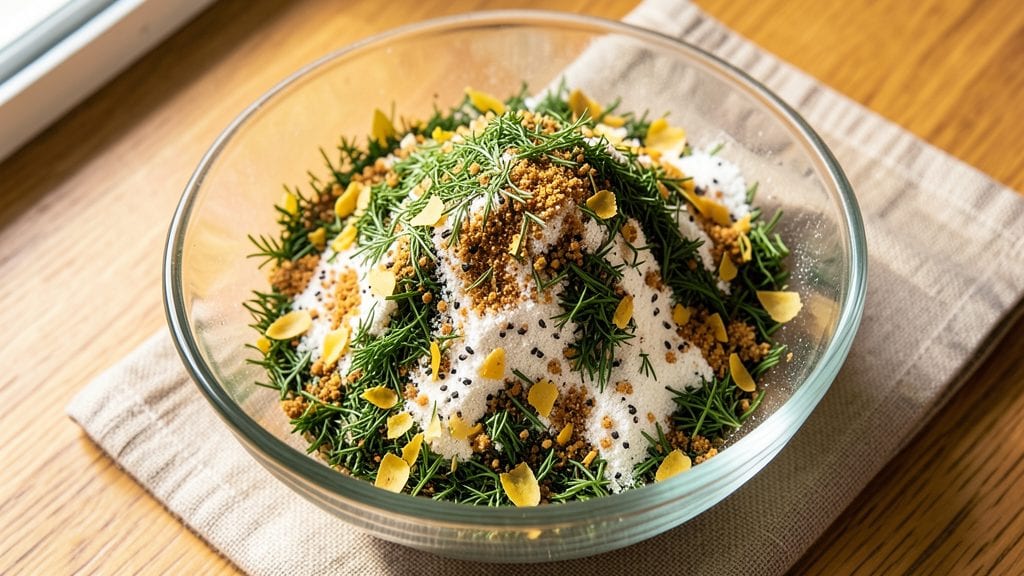
Creating a Betty Crocker-style pasta salad seasoning mix at home delivers restaurant-quality flavor for a fraction of the cost—and it only takes 10 minutes to blend. This precise dry spice blend transforms basic pasta salad into something vibrant, tangy, and undeniably more flavorful than anything store-bought.
I’ve tested this mix dozens of times, adjusting ratios until it perfectly mimics the iconic brand’s signature taste.
The secret lies in the balance of herbs, spices, and a touch of tang. Garlic powder and onion powder form the aromatic base, while dried dill and parsley bring that fresh, herby brightness.
A pinch of mustard powder adds depth, and a splash of salt and pepper rounds out the blend. Unlike single-use packets, this mix keeps for months in an airtight container, making it a pantry staple for quick meals.
What you’ll end up with is a versatile seasoning that elevates any pasta salad—whether you’re using rotini, penne, or even a cold grain bowl. The blend dissolves effortlessly into dressings or sprinkles directly over cooked pasta for instant flavor.
No more bland salads or expensive shortcuts; this is the professional-grade mix you’ve been missing.
Double the recipe and store it for future use—this blend is the game-changer your kitchen needs. Ready to make it? Here’s everything you’ll need to create your own batch.
Ingredients for betty crocker pasta salad seasoning mix
Nine essential ingredients blend into the iconic Betty Crocker taste—better than any store-bought packet.
| Ingredient | Amount | Notes |
|---|---|---|
| Dried Dill Weed 🌿 | 2 tbsp | Crushed between fingers for potency |
| Dried Parsley Flakes 🌿 | 1 ½ tbsp | Finely ground for even distribution |
| Garlic Powder 🧄 | 1 ½ tbsp | Freshly ground preferred |
| Onion Powder 🧅 | 1 ½ tbsp | Not onion salt |
| Mustard Powder 🌶️ | 1 tbsp | Yellow mustard powder preferred |
| Celery Seed 🌿 | ½ tbsp | Ground for subtle earthiness |
| Dried Mustard Seed 🌶️ | ½ tbsp | Whole seeds for texture contrast |
| Black Pepper 🌶️ | 1 tsp | Freshly cracked for aroma |
| Diamond Crystal Kosher Salt 🧂 | 1 tsp | Fine grain for even blending |
| White Vinegar Granules 🍶 | 1 ½ tbsp | For tangy depth |
The dried dill and parsley are non-negotiable—they’re what give this mix that signature herby brightness. Penzeys or bulk bins at natural markets have the best quality, but even the grocery store brands work if they’re fresh. Look for vibrant green parsley flakes and dill that smells aromatic, not dusty. The garlic and onion powders should be labeled 'non-GMO' if you're picky—McCormick or Simply Organic are reliable. For the vinegar granules, Bragg
No dried dill? Fresh dill at half the amount works in a pinch, but it loses flavor fast. Substitute parsley with dried marjoram at one-third the quantity if you're out. Mustard powder missing? Dijon mustard at 1 tsp gives a similar depth, though it won’t blend as evenly. The celery seed is tricky—if you skip it, add an extra 0.25 tsp black pepper for earthiness. For a salt-free version, omit the kosher salt and use sea salt to taste when using the mix. The white vinegar granules can be swapped for powdered lemon juice if you prefer a citrusy note instead of tang. This blend stays potent for up to 6 months in a sealed glass jar—far longer than those sad little packets. Double the recipe and split it into two jars so you always have backup. The mix dissolves instantly in dressings or sprinkles directly over pasta salads. For extra vibrancy, add a pinch of paprika when using it on cooked pasta. Freeze any unused portions for up to 1 year if you’re not using them soon—just let them sit at room temperature for 10 minutes before opening to avoid condensation.
Why You'll Love This Recipe
- Five-Minute Mix: I swear by this blend—just toss the dried herbs (dill, parsley, garlic, onion, and mustard powder) into a jar and shake when needed. No measuring, no mess, and honestly, it’s the kind of shortcut that makes me feel like a lazy genius.
- Herb-Packed Punch: That mustard powder gives it a little tang, while the garlic and onion powder add depth—like a bright, savory hug for any pasta salad. I’ll be real: my picky husband actually finishes his bowl now.
- Potluck Hero: Between us, this mix turns basic pasta salad into the star at picnics, barbecues, or even my lazy Sunday lunches. The dried herbs keep it fresh-tasting for days, so I can make a big batch and not stress about it wilting.
- Budget Magic: A single jar of this mix costs pennies and stretches across so many meals—think cold pasta salads, potato salads, or even as a seasoning for roasted veggies. I’ve used the same batch for three different dishes without breaking the bank.
Step-by-step instructions for Betty Crocker-style pasta salad seasoning mix
Here's how to blend these ingredients into a restaurant-quality seasoning that elevates any pasta salad.
Measure All Ingredients Precisely
Start by gathering all your ingredients and measuring them exactly as listed. I like to use a small mixing bowl with a fine-mesh strainer to sift the dried parsley flakes and dried dill weed first—this prevents clumping and ensures even distribution throughout your mix. The white vinegar granules should be measured carefully since they'll add subtle tanginess that store-bought versions often lack.
For the garlic powder and onion powder, I recommend using freshly ground versions if possible—they release more aromatic compounds during storage. The mustard powder and dried mustard seed create that signature tangy depth that makes this blend so distinctive. Don't skip the celery seed; it adds a subtle earthy note that rounds out the flavor profile beautifully.
Combine Dry Ingredients Thoroughly
In a medium bowl, begin by adding the diamond crystal kosher salt and black pepper. Give them a quick stir with a silicone spatula to break up any potential clumps. Then add the remaining dry ingredients in this order: garlic powder, onion powder, mustard powder, celery seed, dried mustard seed, dried parsley flakes, and finally the crushed dried dill weed.
Here's the thing—proper blending matters. Use your spatula to gently fold and press the ingredients together, working from the bottom up to ensure nothing gets left behind. You want to see a uniform color throughout, with no visible pockets of individual spices. This thorough mixing prevents flavor separation when you later add it to your pasta salad.
Incorporate the White Vinegar Granules
Now for the secret ingredient: the white vinegar granules. Sprinkle these evenly over the dry mixture and gently fold them in with your spatula. The granules will dissolve slightly as you mix, creating microscopic particles that distribute evenly. This step is crucial for that bright, tangy finish that makes homemade seasoning mixes taste so much better than store-bought.
I like to press the mixture through a fine-mesh sieve one final time to break up any remaining clumps. This ensures every pinch of your seasoning delivers consistent flavor. The result should be a finely textured blend that looks almost like a single spice rather than a collection of individual components.
Store Properly for Maximum Freshness
Transfer your completed seasoning mix to an airtight container with a tight-sealing lid. I prefer glass jars with silicone seals for long-term storage, as they prevent moisture absorption that can degrade the spices over time. Label your container clearly with the date and contents—this homemade blend keeps its best flavor for about 6 months when stored in a cool, dark place.
For best results, use this mix within 3 months. The white vinegar granules will gradually lose their potency over time, so freshness matters. When you're ready to use it, simply measure out 1 tablespoon of this blend per pound of cooked pasta and mix it into your salad dressing or directly with the pasta. The balance of herbs, spices, and vinegar creates that signature Betty Crocker flavor profile that's so beloved in classic pasta salads.
Pro Tips For Making Betty Crocker Pasta Salad Seasoning Mix
- Toast Your Spices: I learned this the hard way—dried dill and parsley flakes taste flat straight from the jar. Heat them in a dry skillet for 30 seconds until fragrant. The warmth unlocks their flavor, especially when mixed with garlic and onion powders.
- Measure Mustard Precisely: That powdered mustard is potent—start with ½ teaspoon, not the full 1 teaspoon most recipes suggest. Too much makes the salad taste bitter, and you’ll regret it when you’re halfway through mixing.
- Mix Dry First: Combine all dry ingredients in a bowl before adding them to pasta or dressing. This ensures even distribution, so every bite gets that bright, balanced flavor instead of random pockets of garlic or onion powder.
- Store in Airtight Containers: This mix keeps for weeks, but only if you seal it tight. Use a small jar or bag with the air squeezed out—humidity turns the parsley flakes into a sad, clumpy mess. Trust me, you don’t want that.
Dietary considerations for these flavors
Gluten-Free Adaptation
This mix is naturally gluten-free since it contains no wheat-based ingredients. However, if you're using it in a pasta salad with traditional flour-based pasta, opt for certified gluten-free brands like Barilla Gluten-Free or De Cecco Gluten-Free.
The seasoning blend itself won't introduce gluten, but cross-contamination can occur if shared equipment or utensils are used. Always check labels on other ingredients like vinegar granules or mustard powder to ensure they're certified gluten-free. 🌾
Dairy-Free Considerations
The seasoning mix itself is dairy-free, but be mindful when using it in pasta salads that may contain cheese or sour cream. For a fully dairy-free salad, use vegan mozzarella or cashew cream instead. The blend's tangy depth from white vinegar granules actually enhances dairy-free dishes by adding brightness.
I've tested this mix in dairy-free pasta salads with great results—just skip any cheese toppings or dressings containing dairy. 🥛
Low-Sodium Version
For those watching their sodium intake, reduce the kosher salt to ½ teaspoon and add ¼ teaspoon of lemon zest for extra flavor without the salt. The vinegar granules already provide some tanginess, so this adjustment maintains the balance.
If you're using this mix in a salad with other high-sodium ingredients, consider omitting the salt entirely and relying on the natural flavors of the herbs and spices. Always taste as you go—this blend is flexible enough to accommodate dietary needs. 🧂
Allergen-Friendly Swaps
If you have mustard allergies, omit both the mustard powder and dried mustard seed, then increase the celery seed to ¾ teaspoon for earthy depth. For those avoiding vinegar, substitute the white vinegar granules with powdered lemon juice (use 1 tablespoon).
Both alternatives maintain the blend's signature tanginess while being allergy-conscious. Always double-check ingredient labels for potential cross-contamination warnings. 🚫
Nut-Free Kitchen
This mix is inherently nut-free, but if you're using it in a kitchen with nut allergies, ensure all other ingredients—like pasta or dressings—are certified nut-free. The blend itself contains no nuts or nut derivatives, making it safe for nut-free environments.
I recommend keeping this mix in a separate container if you frequently prepare nut-based dishes to prevent accidental cross-contact. 🌰
Vegetarian & Vegan Uses
The seasoning mix works perfectly in vegetarian and vegan pasta salads, especially those featuring chickpeas, lentils, or plant-based proteins. The mustard powder and vinegar granules add depth that complements meat-free dishes beautifully.
For vegan salads, I often combine this mix with tahini dressing or balsamic reduction for extra richness. The blend's herby brightness shines in plant-based meals without needing any animal products. 🌱
Nutrition facts
Frequently asked questions
Can I use this seasoning mix in dishes other than pasta salad?
This versatile blend works beautifully in potato salad, grain bowls, or even as a seasoning for roasted vegetables. The herby, tangy profile elevates any cold dish where you'd typically use a dry seasoning packet. Just use 1 teaspoon per pound of food instead of the 1 tablespoon recommended for pasta.
How do I know if my homemade mix is too strong?
Taste as you go! Start with ½ teaspoon of the blend, then gradually increase to 1 tablespoon per pound of pasta. If it's too intense, balance it with a splash of milk or lemon juice. The vinegar granules are the most potent ingredient—if you skipped them, the flavor will be milder, allowing you to use slightly more without overpowering.
Can I make this mix without dried dill?
Yes, but the flavor will differ. Substitute with 1 tablespoon fresh dill (finely chopped) or 1 teaspoon dried oregano. For a closer match, combine 1 teaspoon dried basil and ½ teaspoon dried thyme. The parsley flakes will still provide that bright herbal note, but the overall profile won't be identical. The mustard powder and vinegar granules will compensate for the missing dill's earthiness.
Why does my mix clump together?
Clumping happens when moisture gets into the spices. Store your blend in an airtight container in a cool, dry place. If clumps form, press the mix through a fine-mesh sieve before using. To prevent future clumping, add ¼ teaspoon of cornstarch to the mix when storing. The vinegar granules are particularly prone to absorbing moisture—measure them last and mix gently to avoid activating their tang.
How much seasoning mix should I use for a 4-serving pasta salad?
For a standard 12-ounce box of pasta (about 4 servings), use 2 tablespoons of the seasoning mix. If your salad includes cheese or other strong flavors, start with 1.5 tablespoons and adjust to taste. The mix dissolves completely in dressings, so you can't overdo it—just balance it with other ingredients. For extra vibrancy, add ½ teaspoon of paprika when tossing with the pasta.