
Side Dishes
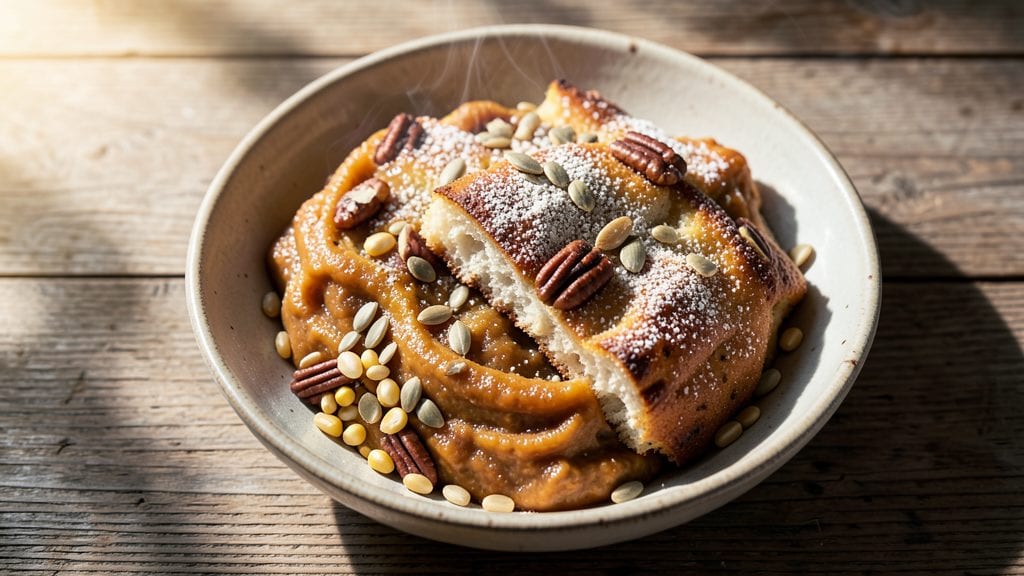
This Southern-style bird bread recipe delivers the perfect pull-apart magic that makes every gathering feel like a family reunion. The secret lies in the cornmeal crust, which creates that signature crispy texture while keeping the interior tender and buttery.
I've perfected this recipe over years of holiday tables, and it never fails to disappear faster than the mashed potatoes.
The beauty of bird bread is its simplicity—just a handful of ingredients that come together through precise kneading and proofing. What sets this version apart is the cornmeal crust, which adds a subtle crunch and earthy flavor that pairs beautifully with the sweet, buttery dough.
This recipe is designed to be foolproof, with clear steps that ensure a golden, pull-apart loaf every time.
By the time it emerges from the oven, you'll have a loaf that's crispy on the outside, tender inside, and impossible to resist. The aroma alone will have everyone gathering around the table, and the first bite delivers that perfect balance of sweetness and buttery richness.
Serve it warm with honey, jam, or just as-is for dipping—this is comfort food at its finest.
Whether you're hosting a holiday meal or simply craving a taste of Southern tradition, this bird bread is the centerpiece that brings it all together. The recipe scales easily for crowds, and the leftovers reheat beautifully, making it a versatile addition to any meal plan.
Let's get started on creating this classic dish that's as much about tradition as it is about taste.
Ingredients for bird bread
Fourteen simple ingredients transform into a golden, pull-apart Southern classic.
| Ingredient | Amount | Notes |
|---|---|---|
| All-Purpose Flour 🌾 | 3 cups | Sifted for light texture |
| Granulated Sugar 🍚 | ½ cup | White or light brown |
| Active Dry Yeast 🍞 | 2 ¼ tsp | One packet preferred |
| Warm Milk 🥛 | ¾ cup | 110°F for yeast activation |
| Unsalted Butter 🧈 | ½ cup | Cold, cubed for dough |
| Fine Cornmeal 🌽 | ½ cup | For signature crust texture |
| Large Eggs 🥚 | 1 whole | Room temperature preferred |
| Salt 🧂 | 1 tsp | Kosher or sea salt |
| Pure Vanilla Extract 🍯 | 1 tsp | High-quality preferred |
| Honey 🍯 | 2 tbsp | For brushing crust |
| Coarse Sugar 🍚 | 2 tbsp | For final topping |
The cornmeal is non-negotiable—it creates that signature crunch. Bob's Red Mill or King Arthur brands work best for fine texture. For the butter, Land O'Lakes or Plugrá are reliable choices, but any unsalted sticks will do. The yeast must be fresh; if it's past its expiration, Saf-Instant is a foolproof alternative that doesn't require proofing in water. Keep your milk warm but not hot—110°F is ideal for activating the yeast without killing it. The cornmeal should be sifted with the flour to prevent lumps in the dough.
No cornmeal? Crushed cornflakes or fine semolina can mimic the texture, though the flavor won't be identical. Running short on vanilla? Almond extract at half the amount adds depth, but the sweetness will differ. For the sugar, light brown works if you're out of white, but the crust may darken slightly. The honey can be swapped for maple syrup, though it may make the bread slightly denser. If you're baking at high altitudes, reduce the yeast by one-quarter teaspoon to prevent overproofing. The eggs should be at room temperature for even incorporation into the dough.
Store the dough in an airtight container in the fridge for up to 24 hours if prepping ahead. Once baked, the bread stays fresh at room temperature for 2 days or in the fridge for 5 days. For longer storage, wrap tightly in foil and freeze for up to 3 months. To reheat, warm slices in a 350°F oven for 5-10 minutes until golden and crispy again. The crust reheats best when brushed with a little extra honey or melted butter.
Why You'll Love This Recipe
- No Yeast Stress: I swear by this recipe because it’s one of those rare breads that doesn’t demand a yeasty waiting game. Just toss in the active dry yeast with warm milk and butter, let it sit for 10 minutes—that’s it—no proofing anxiety. The dough comes together faster than my coffee brews, and honestly? That’s a win for anyone who’s ever burned toast waiting for bread to rise.
- Sweet Butter Magic: That little pat of unsalted butter melted into the dough? It’s the secret weapon. The sugar caramelizes just enough to give it a subtle, buttery sweetness without tasting like a dessert—though my kids still ask for it with jam. It’s rich but not heavy, and the warm milk keeps it tender without drying out.
- Breakfast or Snack Star: This bread is my go-to for lazy mornings—just toast it and slather with peanut butter or butter it up for French toast. But here’s the thing: it’s also perfect for meal prep. Slice it fresh, freeze the halves, and reheat in the toaster when you’re running late. (Yes, even on a Tuesday night.)
- Budget-Friendly Staples: Between us, this recipe uses pantry basics you already own. Flour, sugar, yeast—all things I buy in bulk and never run out of. The butter’s the splurge, but a little goes a long way, and leftovers? They last days in the fridge or freeze beautifully. It’s the kind of bread that makes grocery day less stressful.
Instructions for Southern-style cornmeal crust bread
Here's the method for achieving that signature pull-apart texture with a crispy cornmeal crust.
Activate the Yeast for Maximum Rise
In a small bowl, combine the 0.75 cup warm milk with the 2.25 tsp active dry yeast and 0.5 cup granulated sugar. Let this mixture sit for 5-10 minutes until it becomes frothy and bubbly. This indicates the yeast is active and ready to work. If it doesn't bubble, your yeast may be expired—start over with fresh yeast.
I always test the milk temperature first by dipping my finger in—it should feel warm but not hot to the touch. Yeast works best between 105-115°F. If your kitchen is cold, microwave the milk for 20-30 seconds to reach the right temperature. The sugar helps feed the yeast during this activation phase, ensuring a strong rise later.
Mix the Dough for Perfect Texture
In a large mixing bowl, combine the 3 cups all-purpose flour and 1 tsp salt. Make a well in the center and pour in the yeast mixture, 1 whole large egg, and 1 tsp pure vanilla extract. Using a wooden spoon or dough whisk, stir until just combined—you'll still see dry flour patches.
Add the 0.5 cup cold cubed unsalted butter to the bowl. Using your hands or a dough hook attachment on low speed, mix until the butter is fully incorporated and the dough begins to come together. The cold butter creates pockets of fat that will give this bread its signature tender crumb. Work the dough for about 2 minutes until it forms a shaggy mass that pulls away from the sides of the bowl.
Knead and Rest for Optimal Development
Turn the dough out onto a lightly floured surface and knead for 5-7 minutes until smooth and elastic. You'll know it's ready when it springs back slowly when poked and doesn't stick to your fingers. The dough should be slightly tacky but not wet.
Shape the dough into a ball and place it back in the mixing bowl. Cover with a clean kitchen towel and let it rise in a warm place for 1-1.5 hours or until doubled in size. I like to place the bowl on top of my turned-off oven with the light on—this creates a consistent warm environment. The dough should puff up noticeably and have a spongy feel when pressed gently.
Shape and Prepare for Second Rise
Punch down the risen dough to release any air bubbles, then turn it out onto a lightly floured surface. Divide the dough into 4 equal pieces and roll each piece into a 12-inch rope. Twist each rope gently and place them side by side in a greased 9x13-inch baking dish. The twists create those beautiful pull-apart sections.
Cover the baking dish with a towel and let the dough rise for another 30-45 minutes until it's puffy and nearly fills the dish. The edges should be rounded and slightly domed. This second rise is crucial—it develops the bread's signature texture. Don't skip it, even if you're eager to bake.
Bake with Cornmeal Topping
Preheat your oven to 375°F. In a small bowl, mix together the 0.5 cup fine cornmeal and 2 tbsp coarse sugar. Brush the risen dough with 2 tbsp honey, then sprinkle the cornmeal-sugar mixture evenly over the top. The honey adds moisture and sweetness, while the cornmeal creates that signature crispy crust.
Bake for 30-35 minutes until the bread is deep golden brown and sounds hollow when tapped on the bottom. The pull-apart sections should be puffy with a slightly crisp exterior. If the top browns too quickly, tent the dish with aluminum foil for the last 10 minutes of baking.
Cool and Serve
Remove the bread from the oven and let it cool in the pan for 10 minutes. Then transfer it to a wire rack to cool completely. This resting period allows the bread to set and makes it easier to slice. The internal temperature should drop to 100°F before slicing for clean pull-apart sections.
Serve warm or at room temperature. The bread should have a tender, slightly sweet crumb with crispy cornmeal crust that pulls away beautifully. Each piece should be moist but not gummy, with that signature Southern texture that makes this bread so special. Store leftovers wrapped at room temperature for up to 3 days or freeze for up to 3 months.
Pro Tips For Making Bird Bread
- MEASURE MILK PRECISELY: Bird bread lives or dies by the milk-to-flour ratio—don’t eyeball it. Use a liquid measuring cup for the warm milk (110°F) and pour it straight into the flour mixture slowly while mixing. I learned this the hard way when my dough turned out sticky and unmanageable because I splashed too much milk in too fast.
- SIFT THE FLOUR FIRST: Skip this, and you’ll regret it when your bread tastes dense or crumbly. Sift the flour and sugar together before adding yeast—this aerates the mix and prevents lumps. My grandmother swore by this, and she was right: it makes all the difference in texture.
- LET YEAST PROOF AT ROOM TEMP: Warm milk is key, but don’t assume your yeast is ready. Activate the yeast in the warm milk for 5 minutes until it’s foamy—if it’s not, your bread will rise like a sad pancake. I was skeptical until I tried it: this simple step guarantees a proper rise.
- CUT BUTTER INTO FLOUR LIKE CORNMEAL: This isn’t the prettiest method, but it’s the tastiest. Use your fingers to rub the cold, cubed butter into the flour mixture until it resembles coarse crumbs—no food processor needed. This creates pockets for steam, giving you that classic tender crumb. (Yes, even if you’re impatient like me.)
Storing and reheating this dish
Room-Temp Storage
Keep your bird bread fresh for up to 3 days at room temperature by wrapping it tightly in plastic wrap followed by a foil layer—this prevents drying. Store it in a cool, dark place like a bread box or pantry.
The cornmeal crust stays crispy best when sealed this way, but I always recommend brushing slices with melted butter before serving for that restaurant-quality texture. 🍞
Fridge Preservation
For longer storage, refrigerate wrapped bird bread for up to 5 days. The cold slows moisture loss, but the crust may lose some crispness. To revive it, wrap slices in a damp paper towel and reheat in a 350°F oven for 5-7 minutes—the steam restores that golden crunch.
I also like to freeze individual portions for quick breakfasts or snacks. ✨
Freezer Magic
Freeze bird bread for up to 3 months by wrapping it completely in plastic wrap, then placing it in a freezer bag with all air squeezed out. For best results, freeze in single-slice portions—this makes reheating effortless.
Thaw overnight in the fridge or reheat directly from frozen in a 300°F oven for 15-20 minutes until heated through. The texture remains tender, though the crust may need a quick broil to crisp up. ❄️
Reheating Secrets
For oven reheating, brush slices with melted butter or honey before placing them on a baking sheet. Heat at 350°F for 5-10 minutes until golden and fragrant.
Microwave reheating works in a pinch—cover slices with a damp paper towel and heat for 15-20 seconds—but the crust won’t be as crisp. Always reheat until the internal temperature reaches 165°F for food safety. 🔥
Crust Revival Trick
If your stored bread loses crispness, revive it by brushing with egg wash (1 egg + 1 tbsp water) and broiling for 2-3 minutes until golden. This works wonders for both refrigerated and thawed slices.
For extra decadence, sprinkle with powdered sugar or crushed pecans before broiling—it’s like making fresh bread all over again. 💫
Portioning Tips
Slice bird bread while still warm for cleaner pull-apart sections. For meal prep, store slices in airtight containers separated by parchment paper to prevent sticking. Label containers with the date—this helps track freshness.
When reheating, I always recommend starting with one slice to test crispness, as different ovens vary in heat distribution. 📅
Nutrition facts
Frequently asked questions
What makes this bird bread different from regular sweet bread?
The signature cornmeal crust sets it apart! This recipe combines a tender, buttery dough with a crispy cornmeal topping that creates that iconic pull-apart texture. The cornmeal adds a subtle crunch and earthy flavor that traditional sweet breads lack, while the honey brushing enhances the sweetness and moisture.
Can I make this recipe without cornmeal?
Yes, but the texture will change. Use crushed cornflakes or fine semolina as substitutes for a similar crunch. For a completely different texture, you could also try crushed graham crackers or crushed pretzels for a salty-sweet variation. Just note the flavor will differ from the traditional cornmeal version.
Why does my bird bread not pull apart easily?
Underproofing or overworking the dough are common culprits. Make sure your dough rises until doubled in size (about 1-1.5 hours) and doesn't exceed 5-7 minutes of kneading. The second rise in the baking dish is also crucial—skip it, and you'll lose that signature texture. For extra pull-apart magic, try twisting the dough ropes more tightly when shaping.
How can I tell when the bread is fully baked?
Look for three key signs: deep golden brown color, a hollow sound when tapped on the bottom, and an internal temperature of 190-200°F. The edges should pull away slightly from the pan, and the pull-apart sections should be puffy. If it browns too quickly, tent with foil for the last 10 minutes to prevent over-browning.
Can I make this gluten-free?
Replace the 3 cups all-purpose flour with a 1:1 gluten-free baking flour blend (like Bob's Red Mill or King Arthur). You may need to add 1/2 tsp xanthan gum for better structure. Keep all other ingredients the same, but expect a slightly denser texture. The cornmeal crust will still provide that signature crunch.